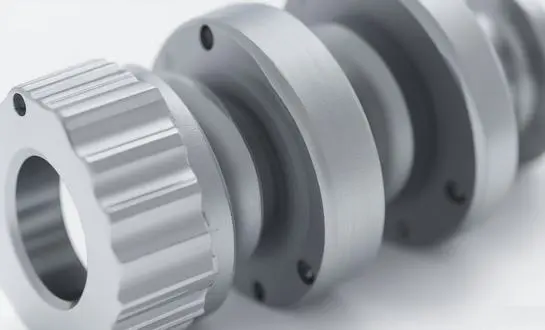
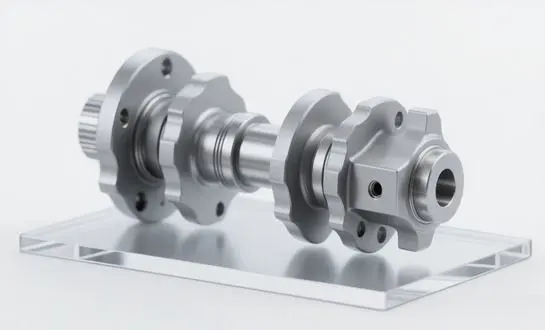
Die Collar vs Casing Collar: Key Differences in Oilfield Tools
Selecting the right oilfield tool is essential for efficient drilling, workover, and fishing operations. Although the terms "Die Collar" and "casing collar" are sometimes mentioned together, they are designed for completely different purposes. A Die Collar is an external fishing tool used to recover stuck or dropped tubulars, while a casing collar is a coupling that permanently connects casing strings. Understanding their structural design, thread engagement, operational performance, and application scenarios helps operators make informed decisions, improve recovery efficiency, and reduce unnecessary downtime.
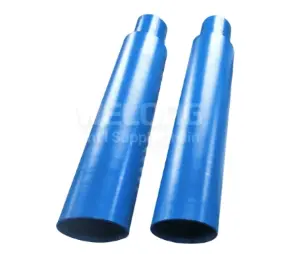
What Is a Die Collar and How Is It Different from a Casing Collar?
What Is a Die Collar?
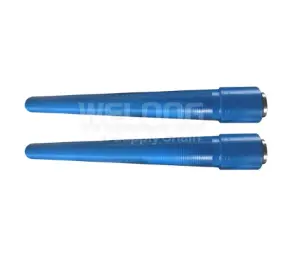
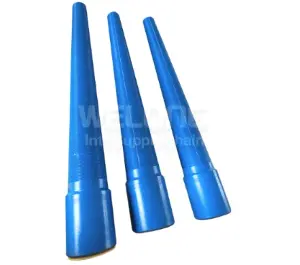
A Die Collar is a specialized external fishing tool developed for engaging the outside wall of tubular objects such as oil tubing and drill pipe. When equipment is dropped or becomes stuck in the wellbore and internal fishing methods cannot be used because the bore is blocked or inaccessible, the Die Collar cuts into the outer surface of the fish to establish a secure grip for retrieval. This design allows drilling and workover teams to recover cylindrical objects efficiently while maintaining reliable mechanical engagement throughout the fishing operation.
What Is a Casing Collar?
Unlike a Die Collar, a casing collar is a permanent connection component used during casing installation. It joins two casing sections together by means of precision-machined internal threads, ensuring structural continuity and pressure integrity throughout the well. The casing collar is not intended for fishing or retrieval tasks. Instead, it serves as part of the well construction system, providing long-term mechanical support. Although both products involve threaded connections, the Die Collar performs a recovery function, while the casing collar supports well completion and production.
Key Functional Difference
The most important distinction between these tools lies in their purpose. A Die Collar is designed for external fishing applications and is activated only when equipment retrieval is required. A casing collar remains permanently installed as part of the casing string throughout the life of the well. Choosing between them depends entirely on the operational objective rather than their appearance, making proper tool identification an essential part of successful oilfield operations.
Structural Design Differences Between Die Collar and Casing Collar Tools
Internal Cutting Thread Design of Die Collar
The structural design of a Die Collar focuses on creating a strong external grip. Inside the tool are specially engineered cutting threads that bite into the outside diameter of the fish during controlled rotation. This enables the Die Collar to establish a reliable mechanical connection capable of withstanding the torque and tensile loads generated during retrieval. High-strength alloy steel, precision machining, and suitable heat treatment further improve durability in demanding downhole environments.
Permanent Coupling Structure of Casing Collar
A casing collar features precision-cut internal threads on both ends to connect casing joints according to standardized specifications. Unlike the cutting profile of a Die Collar, these threads are manufactured to maintain sealing performance and long-term mechanical strength without damaging the casing. The design emphasizes dimensional accuracy, corrosion resistance, and compatibility with casing grades used in drilling and production operations rather than fishing performance.
Manufacturing and Quality Considerations
Whether producing a Die Collar or a casing collar, manufacturing quality directly affects operational reliability. Accurate machining, controlled heat treatment, dimensional inspection, and material traceability help ensure consistent performance. For a Die Collar, particular attention is given to thread geometry because successful fishing depends on secure engagement with the fish. High manufacturing standards contribute to longer service life and dependable performance under challenging well conditions.
How Die Collars and Casing Collars Perform in Downhole Operations
Die Collar Performance During Fishing Operations
The primary performance indicator for a Die Collar is its ability to recover stuck or dropped tubulars successfully. During fishing operations, the tool is lowered to the target depth and rotated so that its internal cutting threads engage the outside surface of the fish. Once securely connected, upward pulling force is applied to retrieve the equipment. Because the Die Collar is specifically engineered for external engagement, it performs effectively in situations where internal fishing tools cannot establish a connection.
Casing Collar Performance During Well Construction
A casing collar performs a completely different function in downhole operations. After casing strings are run into the well, the collar provides a permanent threaded connection between adjacent casing joints. Its role is to maintain structural strength, alignment, and pressure containment throughout drilling, cementing, completion, and production. Unlike a Die Collar, it is not subjected to repeated fishing loads but instead contributes to the long-term stability of the wellbore.
Complementary Fishing Solutions
The Die Collar is often used together with other fishing tools depending on the condition of the lost equipment. For example, a taper tap is a special internal fishing tool designed to cut threads inside dropped tubing, drill pipe, wash-over pipe, packers, water flow allocators, and . Equipped with right-hand or left-hand threaded drill pipes and other accessories, taper taps and the Die Collar provide complementary solutions that expand the success rate of fishing operations under different well conditions.
Thread Engagement and Functionality Comparison of Die Collar vs Casing Collar
How Die Collar Creates External Engagement
The thread profile of a Die Collar is designed to cut and grip the external wall of the fish rather than connect to pre-machined threads. As the tool rotates under controlled torque, its hardened cutting teeth establish a secure mechanical connection with the tubular surface. This unique thread engagement enables the Die Collar to retrieve damaged or inaccessible equipment that cannot be recovered using conventional threaded connections.
How Casing Collar Maintains Permanent Connections
A casing collar uses precision internal threads manufactured according to casing standards to create a permanent joint between casing sections. These threads are intended to preserve sealing performance and structural integrity instead of cutting into another component. Compared with a Die Collar, the casing collar emphasizes dimensional compatibility, pressure resistance, and long-term reliability throughout the productive life of the well.
Comparing Functionality in Practical Applications
Although both tools involve threaded designs, their operational functions differ significantly. A Die Collar actively creates a new gripping interface during fishing operations, while a casing collar simply joins two manufactured casing ends together. Understanding this distinction helps drilling engineers and workover specialists select the correct equipment, avoid operational errors, and improve overall project efficiency.
Application Scenarios: When to Use a Die Collar Instead of a Casing Collar
Recovering Tubulars Without Internal Access
A Die Collar is the preferred solution whenever the inside of the fish is blocked, damaged, or unavailable for engagement. Because the tool grips the external wall of tubing or drill pipe, it provides an effective recovery option when internal fishing tools cannot operate successfully. This makes the Die Collar particularly valuable during complex workover operations involving damaged or collapsed tubulars.
Supporting Efficient Workover Operations
Fishing operations often require a combination of specialized equipment selected according to the condition of the fish. The Die Collar serves as one of the most important external fishing tools, allowing operators to recover cylindrical objects efficiently while minimizing additional intervention. By selecting the appropriate fishing assembly, operators can improve operational efficiency and reduce costly non-productive time without replacing permanently installed well components such as casing collars.
Choosing a Reliable Die Collar Supplier
Selecting a trusted manufacturer is just as important as choosing the right fishing tool. China WELONG has specialized in oilfield manufacturing for more than 20 years and follows strict quality control procedures to ensure reliable product performance. The company offers customized oilfield products, ISO 9001:2015 and API 7-1 certified manufacturing, comprehensive in-process and final inspections, and optional third-party inspections through organizations including SGS and DNV. Multiple transportation options, including sea, air, and railway shipping, together with flexible trade terms such as FOB, CIF, DDP, and DDU, enable customers worldwide to obtain dependable Die Collar products efficiently.
Conclusion
A Die Collar and a casing collar may both feature threaded designs, but their applications are entirely different. The Die Collar is engineered for external fishing and equipment recovery, while the casing collar permanently connects casing strings during well construction. Understanding these distinctions helps improve tool selection, operational efficiency, and project reliability in modern oilfield operations.
FAQ
Q1: What is the main purpose of a Die Collar?
A: A Die Collar is an external fishing tool designed to grip and retrieve stuck or dropped tubing, drill pipe, and other cylindrical tubular objects when internal fishing methods are not suitable.
Q2: Can a Die Collar be used together with a taper tap?
A: Yes. A Die Collar is used for external engagement, while a taper tap is designed for internal thread cutting and fishing. They are complementary tools commonly selected according to the condition of the fish.
Q3: Why should customers choose WELONG for Die Collar products?
A: WELONG offers over 20 years of oilfield manufacturing experience, ISO 9001:2015 and API 7-1 certifications, strict quality control, customized solutions, comprehensive inspection services, and flexible international logistics to support reliable product delivery.
Contact WELONG for Professional Die Collar Solutions
Looking for a reliable Die Collar supplier with proven oilfield experience? Founded in 2001, China WELONG is a professional international integrated supply chain service provider specializing in oilfield products and customized manufacturing solutions. Backed by ISO 9001:2015 and API 7-1 certifications, strict quality management, comprehensive inspection services, and flexible global shipping options, we are committed to delivering dependable products and responsive service. Whether you need standard specifications or customized solutions, our experienced team is ready to assist. Contact us today at [email protected] to discuss your project requirements and discover the right oilfield solution for your business.
References
1. API Specification 7-1, Specification for Rotary Drill Stem Elements, American Petroleum Institute.
2. Mitchell, R. F., & Miska, S. Z. Fundamentals of Drilling Engineering. Society of Petroleum Engineers.
3. Bourgoyne, A. T., Millheim, K. K., Chenevert, M. E., & Young, F. S. Applied Drilling Engineering. Society of Petroleum Engineers.
4. Lyons, W. C., & Plisga, G. J. Standard Handbook of Petroleum and Natural Gas Engineering. Gulf Professional Publishing.
5. Rabia, H. Oilwell Drilling Engineering: Principles and Practice. Graham & Trotman.
6. Aadnøy, B. S. Modern Well Design. CRC Press.
Share your inquiry, get the quotation accordingly!

CHINA WELONG - 20+ years manufactuer in oilfield tools