Why Use Casing Scraper?
Wellbore cleanliness is one of the most vital prerequisites for successful well completion, logging, and downhole operations in accordance with ASTM International standards. Throughout the drilling and casing installation stages, various undesirable materials accumulate on the interior walls of the casing string. To address this downhole challenge and ensure smooth subsequent interventions, oilfield operators rely on specialized mechanical cleaning tools. Understanding why use casing scraper tools is fundamental for drilling engineers and workover specialists who aim to maximize operational efficiency, safeguard expensive downhole equipment, and extend the productive lifespan of oil and gas wells.
What Is a Casing Scraper and Why It Is Essential in Well Cleaning Operations
Defining the Casing Scraper in Oilfield Interventions
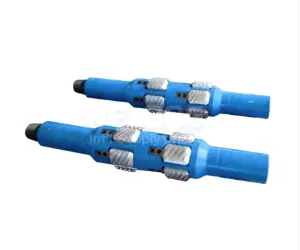
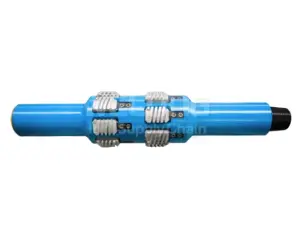
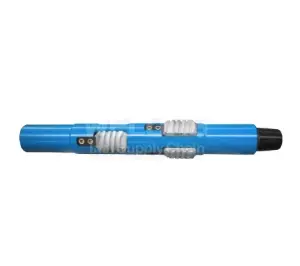
A Casing Scraper is a specialized mechanical auxiliary tool primarily utilized during well completion, well logging, and various workover operations. Its main design objective is to thoroughly scrape and scrub the inside walls of casing strings to remove undesirable substances that accumulate during prior well construction phases. Unlike drill bits or reamers, a Casing Scraper is strictly engineered for casing intervention and cannot be used in drilling operations. By running this robust mechanical tool downhole, operators ensure that the internal casing surface remains exceptionally clean and unobstructed for subsequent operations.
The Core Purpose of Casing Scraper Deployment
Deploying a Casing Scraper is essential because a dirty wellbore poses immense risks to operational success. Over time, internal casing walls accumulate hardened mud, cement sheath residue, rust, mill scale, paraffin deposits, and even perforation burrs or embedded bullets. If left unaddressed, these obstructions can severely impair the running of logging tools and completion assemblies. Utilizing a high-quality Casing Scraper effectively eliminates these surface irregularities, restoring the internal casing diameter to its designed specification and establishing a pristine environment required for sensitive downhole activities.
How a Casing Scraper Removes Debris, Scale, and Cement Residue
Mechanical Action of the Casing Scraper Blades
The cleaning efficiency of a Casing Scraper relies on the continuous, aggressive mechanical action of its specially engineered scraping blades. As the tool string is lowered and rotated or reciprocated within the wellbore, the scraper blades exert a controlled, uniform radial outward pressure against the internal casing wall. This physical contact allows the Casing Scraper to slice through tenacious downhole deposits, scraping away hardened cement sheaths, thick drilling mud cakes, and stubborn metallic mill scale without causing structural damage to the underlying casing pipe.
Targeting Tough Downhole Obstructions with a Casing Scraper
A Casing Scraper is designed to remove tough downhole objects like sharp perforation burrs and embedded perforation bullets. It can also remove normal drilling mud and cement leftovers. When well casings are punched holes in them to get to hydrocarbon zones, the explosion charges often leave inside the pipe sharp metal protrusions. When you run a Casing Scraper that is the right size, it cuts these dangerous burrs away, leaving the casing wall free of any sharp edges that could catch or tear delicate finishing equipment.
Casing Scraper Function in Preparing the Wellbore for Completion Tools
Safeguarding Packers and Downhole Tools Using a Casing Scraper
One of the primary reasons operators run a Casing Scraper prior to well completion is to protect high-value downhole assemblies, especially production packers and elastomeric sealing elements. If you put a packer against a rough case surface that has sharp burrs or cement scale on it, the rubber seals on it might tear or not make full contact. By using a Casing Scraper ahead of time, workers make a very smooth and clean sitting surface. This greatly improves the stability of the seal and keeps equipment from breaking down too soon downhole.
Ensuring Seamless Tool Passage and Sealing Integrity
During complex completions and wireline logging operations, downhole instruments must navigate thousands of feet of casing string without getting stuck or damaged. Any residual debris can cause restriction points that halt tool passage or generate inaccurate logging data. A rigorous wellbore conditioning run incorporating a Casing Scraper guarantees unobstructed passage for production packers, safety valves, flow allocators, and logging sondes, thereby ensuring seamless running procedures and long-term mechanical reliability across the entire completion interval.
Why Casing Scrapers Are Critical for Maintaining Downhole Cleanliness
Preventing Costly Non-Productive Time with Casing Scraper Runs
Maintaining downhole cleanliness through proactive Casing Scraper runs is a proven industry strategy for mitigating costly non-productive time in oilfield operations. When debris dislodges downhole during production or tool running, it can jam expensive intervention equipment, leading to complex fishing operations or even abandoned wellbores. Including a dedicated Casing Scraper run in the well preparation program acts as an inexpensive mechanical insurance policy, ensuring that loose debris is agitated and circulated out of the well before critical completion assets are deployed.
Long-Term Wellbore Life Extension via Casing Scraper Cleaning
Using a Casing Scraper for regular downhole repair not only helps with quick finish, but it also makes the well last longer and produce more. Getting rid of acidic substances like rust, paraffin deposits, and chemical scale stops limited under-deposit rusting that could weaken the case over many years of use. By keeping the wellbore clean from the beginning of the finishing phase onward, a casing scraper helps keep flow rates at their best and reduces the number of times that corrective workovers need to be done in the future.
Operational Advantages of Using a Casing Scraper Before Cementing Jobs
Optimizing Cement Bonding Quality through Casing Scraper Preparation
While casing scrapers are heavily associated with post-drilling completions, preparing older or previously cemented casing strings for remedial cementing jobs also demands superior surface cleanliness. Deploying a Casing Scraper clears away degraded old cement sheaths and drilling fluid residues from the casing interior. This thorough mechanical cleaning provides a fresh, uncontaminated metallic substrate, which is absolutely vital for ensuring strong hydraulic bonding and dependable zonal isolation when new cement slurries are pumped downhole.
Reducing Operational Risks During Remedial Cementing
When plug-back or squeeze cementing is done, special cementing packers and bridge plugs need to be tightly attached inside the casing string. Any leftover mill scale or solid debris can make leak paths around the tool assembly, which makes it harder to keep the pressure in and ends the bonding process. By using a reliable Casing Scraper to prepare the inside of the casing right before corrective cementing jobs, operators greatly lower operational risks, stop fluid flowing, and get accurate, reliable downhole pressure seals.
Conclusion
To sum up, keeping the casing string clean and free of blockages is essential for safe and effective drilling work. When you use a reliable Casing Scraper, you can get rid of cement leftovers, mud cakes, rust, mill scale, wax, hole burrs, and bullets that are stuck in the walls of the casing. This important tool keeps the wellbore clean and smooth, which saves expensive finishing packers, makes sure tools can pass easily, and improves the quality of the cement bonding. Adding preventative casing scraping to finishing and workover plans cuts down on wasted time and extends the life of wellbore. Working with a maker with a lot of experience will make sure you get reliable, high-quality cleaning tools that are made to fit your needs.
FAQ
Q1: Can a Casing Scraper be utilized during standard drilling operations?
A: No. A Casing Scraper is strictly designed as an auxiliary tool for well completion, logging, and downhole workover operations to clean inside casing walls. It cannot be used in active drilling operations.
Q2: What specific substances can a Casing Scraper effectively remove from casing walls?
A: A Casing Scraper is engineered to clear a wide variety of stubborn downhole substances, including hardened cement residue, drilling mud cakes, embedded perforation bullets, rust, metallic mill scale, paraffin wax deposits, and sharp perforation burrs.
Q3: How does using a Casing Scraper protect downhole completion tools?
A: By scraping away rough debris and jagged metal burrs, a Casing Scraper creates a perfectly smooth internal casing surface. This prevents sensitive elastomeric packer seals and delicate logging tools from tearing, snagging, or failing during deployment.
Contact WELONG for Premium Casing Scraper Solutions
Founded in 2001, China WELONG is a professional international integrated supply chain service provider specializing in high-quality oilfield products and customized downhole tools as a Casing Scraper supplier. Certified by ISO 9001:2015 and API 7-1, we implement stringent quality control processes—including comprehensive in-process and final inspections, alongside third-party inspection cooperation with industry leaders like SGS and DNV. With over 20 years of oilfield manufacturing experience, flexible global shipping options (sea, air, railway), and versatile cooperation terms (FOB, CIF, DDP, DDU), WELONG ensures your oil tools arrive timely and perform reliably. To enhance your wellbore cleaning operations with top-tier tools, contact us today at oiltools@welongpost.com.
References
1. API Recommended Practice 10F, Recommended Practice for Performance Testing of Cementing Float Equipment, American Petroleum Institute.
2. Bellarby, J. Well Completion Design. Developments in Petroleum Science, Elsevier.
3. Economides, M. J., Hill, A. D., Ehlig-Economides, C., & Zhu, D. Petroleum Production Systems. Prentice Hall.
4. Renpu, W. Advanced Well Completion Engineering. Gulf Professional Publishing.
5. Devereux, S. Practical Well Planning and Drilling Manual. PennWell Books.
6. Society of Petroleum Engineers (SPE). Wellbore Conditioning and Debris Management Best Practices in Completion Operations. SPE Monograph Series.
Share your inquiry, get the quotation accordingly!

CHINA WELONG - 20+ years manufactuer in oilfield tools