Drilling Mud Motor Concerns and Practices
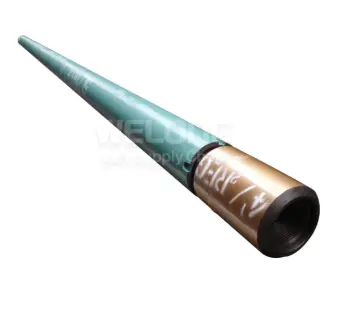
In current directional and horizontal drilling operations, the drilling mud motor is an essential component that provides the torque and rotating power to effectively reach target formations. However, consistent downhole performance demands a good awareness of typical operating issues and established field techniques. Drilling Mud Motor Concerns and Practices: A complete, practical reference to the major issues, maintenance needs, selection considerations, reliability improvements, and troubleshooting solutions. Whether you are a drilling engineer or a procurement professional, these insights can help you extend equipment lifetime, optimise drilling efficiency and protect your expensive well projects.
What Common Challenges Affect Drilling Mud Motor Performance?
Elastomer and Stator Degradation
One of the most common problems operators experience is the slow deterioration of the stator elastomer liner. The rubber might expand, harden, or break over time due to the high downhole temperatures and harsh drilling fluids. The power output of a drilling mud motor is dramatically decreased when the stator is degraded, causing less torque transmission from the motor to the drill bit, uneven rotation, and less effective drilling in difficult wellbore conditions.
Excessive Downhole Temperatures
High formation temperatures pose a severe danger to reliable functioning. Most devices are rated for a specified range. Going above temperature limitations increases the rate of component wear and material breakdown. Drilling mud motors are designed to work most efficiently between 120-150℃, and temperatures over these limits may quickly degrade the elastomer and sealing components, affecting performance and lowering the tool’s useful life.
Fluid Contamination and Solids Buildup
The health and lifespan of downhole tools is intimately related to the condition of the drilling fluid. Abrasive grains, sand particles, and lost circulation materials may degrade internal parts and plug vital flow paths. When polluted fluids are injected into a drilling mud motor, the rotor and stator surfaces will experience increased erosion, which will reduce power output and increase the risk of premature failure in long drilling runs.
How to Maintain a Drilling Mud Motor for Consistent Field Operations?
Regular Post-Run Inspection Procedures
It is important to check regularly after each drilling run to find wear before it causes failure. Crews should inspect the rotor, stator, and gearbox components for evidence of wear, chunking, or damage. A full evaluation of the drilling mud motor after every run will allow operators to identify early warning signals, plan appropriate repairs, and avoid unexpected downhole failures during following crucial drilling operations.
Proper Storage and Handling Protocols
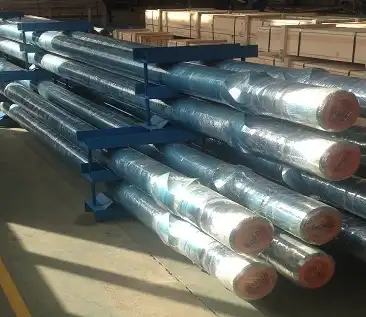
The storage of equipment between deployments has a major effect on the long-term durability of the equipment. Excessive temperatures, dampness, and physical shocks may harm delicate internal parts. Store the drilling mud motor in a clean, temperature-controlled environment to prevent the elastomer from premature ageing and to retain sealing integrity. Proper handling during shipping and installation will also reduce the chances of mechanical damage and expensive downtime.
Monitoring Operating Parameters
By continuously monitoring downhole operational conditions, consistent performance and overload avoidance are ensured. Operators must closely monitor flow rates, differential pressure, and rotating speed throughout each run. By using the appropriate specifications for a drilling mud motor, and backed by quality standards such as a href="https://www.astm.org/">ASTM International standards/a>, the tool will not stall, stress on components will be reduced, and the tool will provide dependable torque throughout the drilling program.
Key Factors That Influence Drilling Mud Motor Selection and Operation
Matching Outer Diameter to Wellbore Size
The choice of proper tool dimensions is crucial for drilling performance. The equipment should be the right fit for the wellbore and be powerful enough for the targeted formation. Drilling mud motors selected correctly are available in outer diameters ranging from 1-7/8” to 9-5/8”, enabling operators to tailor the tool to the required hole size, providing effective power transfer and efficient rock cutting under a variety of drilling conditions.
Determining Optimal Bend Angle Settings
For desired trajectories in directional drilling operations, the adjustable bend housing angle needs careful consideration. The assembly’s construction pace and steering capabilities are directly affected by the bend setting. A flexible drilling mud motor may have an ABH angle anywhere from 0 to 3 degrees, which gives directional drillers the ability to precisely regulate wellbore routes and hit tough targets with accuracy and confidence.
Evaluating Power Output Requirements
Different formations and drill bits demand different amounts of torque and horsepower. Understanding these needs determines the choice of the right equipment. Advanced designs have a hollow rotor that produces high flow rates and enhanced horsepower, while a stator with consistent wall thickness allows for greater power production. By choosing a drilling mud motor with these characteristics, you can be confident that it has the power to effectively overcome challenging geological conditions.
Considering Transmission Shaft Design
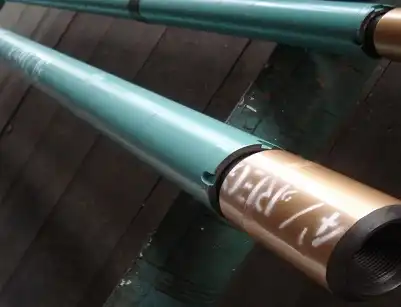
The gearbox assembly has a direct effect on the tool endurance and single-trip operating capabilities. Advanced sealing technology is incorporated into superior designs to safeguard vital bearings from hostile downhole fluids. The oil-sealed gearbox shaft in a drilling mud motor allows the single-trip working period to be prolonged by protecting the internal components from contamination. This eventually reduces the number of expensive trips and improves the overall operating efficiency during longer drilling operations.
Best Practices for Improving Drilling Mud Motor Reliability in Well Projects
Selecting Quality-Certified Equipment
Reliability begins with sourcing equipment manufactured to rigorous quality standards. Certified products undergo strict testing and controlled production processes that guarantee consistent performance. Investing in a drilling mud motor from manufacturers certified under ISO 9001:2015 certifications ensures the tool meets exact specifications, providing operators with confidence that the equipment will perform dependably throughout demanding well construction projects.
Optimizing Drilling Fluid Programs
A well-designed fluid program is essential for protecting downhole tools and maximizing performance. Maintaining proper fluid density, viscosity, and cleanliness directly extends equipment lifespan. When operators optimize their mud programs to complement the drilling mud motor, they minimize abrasive wear, prevent stator swelling, and ensure smooth power transmission, resulting in fewer failures and significantly improved reliability throughout the entire drilling operation.
Implementing Controlled Break-In Procedures
Proper break-in practices at the start of each run help preserve the elastomer and extend tool life. Gradually increasing flow rates and load allows the stator rubber to seat properly against the rotor. By carefully breaking in a drilling mud motor before applying full drilling parameters, operators reduce thermal shock and mechanical stress, promoting longer service intervals and more consistent downhole performance in challenging conditions.
How Do Operators Troubleshoot Drilling Mud Motor Performance Issues?
Diagnosing Loss of Torque or Rotation
When drilling activity abruptly slows, operators need to swiftly determine the reason. Sudden loss of torque is generally a sign of internal wear in the power section or elastomer breakdown. When a drilling mud motor starts to experience diminished rotation, crews may examine differential pressure trends and surface indications to determine whether the tool needs an adjustment, repair, or replacement before continuing to drill.
Identifying Stalling Conditions
Motor stalling is a regular worry that breaks the drilling efficiency and may destroy the interior components. Stalling happens most often with too much weight-on-bit for the tool’s torque capability. Operators should quickly relieve applied force and restore correct flow when a stalled drilling mud motor is encountered to enable the tool to recover. Early warning of stalling is important to avoid damage to the elastomer and to maintain the power section integrity.
Analyzing Abnormal Pressure Fluctuations
Unusual pressure measurements typically signify incipient downhole issues that need prompt treatment. Sudden spikes or decreases might indicate obstructions, washouts, or failure of internal components. Operators may detect problems early, make informed choices on the continuation of operations, and prevent catastrophic failures that would otherwise result in expensive downtime and equipment recovery by monitoring and analysing the pressure changes experienced by the drilling mud motor.
Conclusion
To have effective, dependable, and successful drilling operations, it is important to understand the problems and best practices with drilling mud motors. From tackling elastomer deterioration and temperature problems to appropriate maintenance, selection, and efficient troubleshooting, operators may greatly improve downhole performance and equipment life. Drilling teams can protect their projects, save expensive downtime, and maximise production in even the most challenging well-building settings throughout the globe by using quality-certified equipment with sophisticated innovations, such as hollow rotors and oil-sealed gearbox shafts.
FAQ
Q1: What outer diameter range is available for a drilling mud motor?
A1: A versatile drilling mud motor offers outer diameters ranging from 1-7/8" to 9-5/8". This broad selection allows operators to precisely match the tool to various wellbore sizes, ensuring optimal power transmission and efficient rock penetration across diverse drilling applications.
Q2: What temperature range can a drilling mud motor withstand?
A2: Most units are engineered to operate reliably within a temperature range of 120-150℃. Staying within this thermal limit is crucial for preserving the elastomer, sealing systems, and overall tool integrity during extended downhole drilling operations.
Q3: What features improve drilling mud motor performance and lifespan?
A3: Key features include a hollow rotor that delivers high flow rates and increased horsepower, a uniform wall thickness stator for larger power output, and an oil-sealed transmission shaft that increases single-trip working time by protecting internal components from contamination.
Ready to Optimize Your Drilling Operations? Contact Us Today
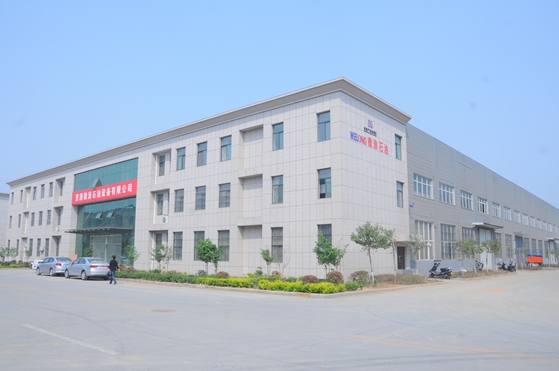
Sourcing dependable downhole equipment is critical for efficient and successful drilling projects. Founded in 2001, CHINA WELONG is a professional international integrated supply chain service provider concentrating on premium oilfield products and customized solutions. Certified by ISO 9001:2015 & API 7-1, our stringent quality control—including comprehensive in-process, final, and optional third-party inspections via SGS and DNV—ensures every drilling mud motor we supply is durable and highly reliable. With flexible global transport options (sea, air, railway) under various terms like FOB, CIF, DDP, and DDU, we empower your projects with China's finest supply chain. Welcome to contact us: [email protected].
References
1. Mi atchell, Robert F., and Stefan Z. Miska. "Fundamentals of Drilling Engineering." SPE Textbook Series.
2. Baker Hughes. "Drilling Engineering Workbook: A Distributed Learning Course." Baker Hughes INTEQ.
3. Azar, Jamal J., and G. Robello Samuel. "Drilling Engineering." PennWell Corporation.
4. Devereux, Steve. "Practical Well Planning and Drilling Manual." PennWell Books.
5. Lyons, William C., Gary J. Plisga, and Michael D. Lorenz. "Standard Handbook of Petroleum and Natural Gas Engineering." Gulf Professional Publishing.
6. Bourgoyne, Adam T., et al. "Applied Drilling Engineering." Society of Petroleum Engineers.
Share your inquiry, get the quotation accordingly!
CHINA WELONG - 20+ years manufactuer in oilfield tools