The important role of casing slips in drilling engineering
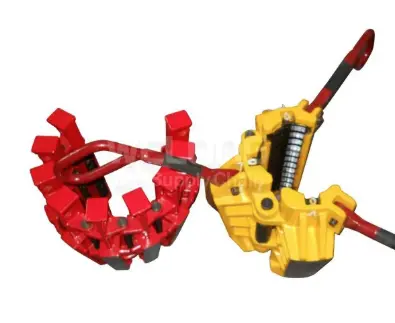
Supporting and properly manipulating massive tubular strings during well building in drilling engineering is a process that requires accuracy and dependability. The casing slip is still a necessary instrument to hold and hang casing strings in the rotary table and prevent them from dropping into the wellbore during running operations. Casing slips play an important role in drilling engineering, and both drilling crews and procurement professionals need to know about them. This detailed guide covers the significance of these components, their role in handling casing weight, how they operate, applications, and their effect on the overall rig performance.
Why Are Casing Slips Essential Components in Modern Drilling Systems?
Ensuring Wellbore Safety
The number one responsibility on any drilling rig is safe management of hefty tubular strings. The casing slip provides a firm hold on the casing and prevents the casing from slipping into the wellbore during the connecting operation. The casing slip provides a safe way of securing the string inside the rotary table, protecting the crew and expensive downhole tools and greatly decreasing the likelihood of costly and deadly well control mishaps.
Supporting Diverse Tubular Sizes
Drilling activities include different pipe sizes and need flexible gripping systems. Quality casing slip systems are available to suit outer diameters from 6-5/8" to 30" (168.3-762mm), covering almost all popular casing sizes. Such adaptability means that a well-selected casing slip can safely hold different tube diameters and provide reliable support throughout a broad spectrum of well-building projects and difficult geological circumstances.
Facilitating Efficient Operations
Besides safety, these instruments are also helping to make rig floor procedures smoother and quicker. “This allows the crews to make up and break out connections fast and safely.” A dependable casing slip saves time on every connection cycle, allowing drilling teams to continue drilling at a steady pace while ensuring the highest levels of operational safety throughout the whole casing running process.
How Do Casing Slips Help Manage Casing Weight During Well Construction?
Distributing Load Evenly
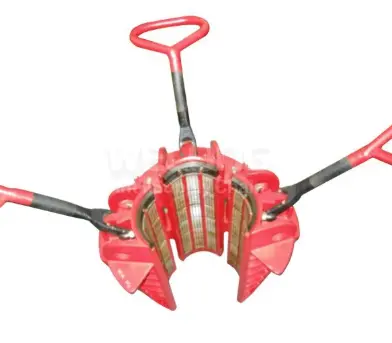
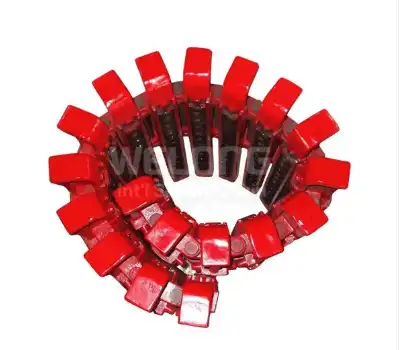
The huge weight of a hung casing string must be evenly distributed in an effort to avoid damage to the string. A casing slip comprises wedge-shaped inserts which evenly grasp the body of the pipe throughout its circumference. This design enables the casing slip to spread the weight of the string across the whole surface, eliminating localised stress spots and preserving the sensitive surface of the casing from crushing or distortion while suspended.
Preventing Slippage Under Heavy Loads
With increased string weight with depth, the gripping dependability of the suspension system becomes more crucial. A casing slip made up of hardened dies with sharp teeth bites securely into the surface of the pipe to prevent any downward movement. This strong engagement assures the casing slip will retain even the heaviest strings securely, providing crews great confidence while connecting and running strings at large depths.
Adapting to Varying Depth Requirements
Different well depths impose distinct demands on gripping length and holding capacity. Slip designs are available in short, medium, and extra-long configurations to match specific depth needs. Selecting the appropriate casing slip, supported by quality standards like ASTM International standards, ensures adequate gripping length and holding power, whether working in shallow wells or challenging deep drilling environments requiring maximum load capacity.
The Working Principle of Casing Slips in Casing Running Operations
Engaging the Wedge Mechanism
The basic function is based on the self-energizing wedge concept, which enhances grip as the load rises. As the casing string is lowered, the casing slip wedges are tightly gripping the tapering bowl of the rotary table. The string weight tightens the casing slip gradually, generating a strong self-locking hold that securely supports the whole tubular column.
Transferring Weight to the Rotary Table
Safe suspension is all about effective transmission of load from the pipe to the rig structure. Once engaged, the casing slip transmits the whole weight of the string to the rotary table and rig floor. This rapid transfer means the casing slip can take on huge loads while holding the string completely still, allowing personnel to install or remove joints safely during running operations.
Releasing for Continued Running
Smooth disengagement is also crucial to preserve operational efficiency in between connections. When the connection is made, workers raise the string gently to remove the wedge hold. This frees the casing slip, enabling the string to be lowered farther into the wellbore. The casing slip may be set and released rapidly so that the casing running sequence is continuous and efficient from beginning to end.
Casing Slip Applications in Different Drilling and Well Completion Processes
Shallow Hole Drilling Operations
Shallow wells require appropriately sized gripping tools that match their lighter load demands. Short gripping length slips are specifically designed for shallow hole drilling scenarios. Using a properly matched casing slip in these applications ensures secure suspension without excessive equipment, providing crews with efficient, reliable support that perfectly suits the reduced weight and depth requirements of shallow well construction projects.
Medium and Deep Well Construction
As wells extend deeper, the demands on suspension equipment increase substantially. Medium and extra-long slips are engineered to handle the greater gripping length and holding capacity required for deeper drilling. Selecting the correct casing slip for medium or deep applications guarantees that even the heaviest strings remain securely suspended, ensuring safe and dependable performance throughout demanding deep well construction operations.
Well Completion Activities
During completion phases, precise handling of tubular strings remains critical to project success. Suspension tools continue to play a vital role when running completion equipment and production casing. A reliable casing slip provides the secure holding power needed to safely manage tubulars during completion, protecting expensive downhole components and ensuring accurate placement throughout the final stages of well construction.
Integration with Complementary Handling Tools
Efficient rig floor operations depend on coordinated use of multiple handling components. Suspension equipment often works alongside safety clamps designed for handling flush joint pipe and drill collars. When integrated with these complementary tools, the casing slip forms part of a comprehensive handling system that ensures secure, efficient, and safe management of diverse tubular strings during all phases of drilling operations.
How Do Casing Slips Improve Rig Performance and Operational Control?
Enhancing Crew Safety and Confidence
When you have a good suspension system, you are going to be safer and more assured in your work environment. “With the equipment holding heavy strings securely, crews can focus on efficiently getting the job done.” That’s from a high-quality casing slip made under ISO 9001:2015 certifications, which removes operational worry so teams can complete connection operations with accuracy and confidence on tough shifts.
Reducing Operational Downtime
It is important to minimise non-productive time in an effort to manage drilling expenses and stay on schedule. Reliable suspension tools that release and set smoothly allow technicians to make connections quickly. A well-designed casing slip simplifies every cycle, reducing operational downtime and enabling drilling teams to keep moving forward and optimising rig productivity on even the most demanding and time-sensitive well-building plans.
Supporting Precise Load Management
Accurate management of the weight and location of the string is important to effective well building. The suspension system allows the crew to treat the loads with extraordinary accuracy in running operations. This is where a correctly rated casing slip gives operators full control of the string, precision placement, protection of equipment integrity, and contributions to the overall dependability and success of the drilling and completion operation.
Conclusion
The casing slip is a must for current drilling engineering. It provides stable suspension, uniform load distribution, and dependable control for the safe running of large casing strings. Selecting the correct slip type is critical to optimise performance and crew safety for shallow hole to deep well building and finishing operations. Selecting quality, certified equipment with excellent gripping mechanisms and appropriate depth ratings may improve rig productivity, decrease downtime, and protect vital activities, which in turn helps to successfully complete challenging well projects globally.
FAQ
Q1: What outer diameter range do casing slips accommodate?
A1: Quality casing slips accommodate outer diameters ranging from 6-5/8" to 30" (168.3–762mm). This broad range covers nearly all common casing dimensions, ensuring the casing slip can securely handle various tubular sizes across diverse drilling and well construction projects.
Q2: How do casing slips prevent the casing string from slipping?
A2: Casing slips use wedge-shaped inserts with hardened dies featuring sharp teeth that bite into the pipe surface. The self-energizing wedge mechanism tightens under the string's weight, creating a secure, self-locking grip that safely prevents any downward movement.
Q3: Which slip type should be used for deep drilling operations?
A3: Extra-long gripping length slips are specifically designed for deep drilling. They provide greater gripping length and holding capacity required to securely suspend heavier strings, ensuring safe and dependable performance throughout demanding deep well construction operations.
Ready to Equip Your Rig with Reliable Handling Tools? Contact Us Today
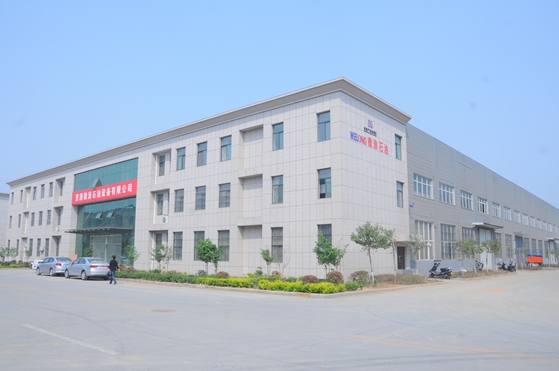
Sourcing dependable tubular handling equipment is essential for safe and efficient drilling operations. Founded in 2001, CHINA WELONG is a professional international integrated supply chain service provider concentrating on premium oilfield products and customized solutions. Certified by ISO 9001:2015 & API 7-1, our stringent quality control—including comprehensive in-process, final, and optional third-party inspections via SGS and DNV—ensures every casing slip we supply is durable and highly reliable. With flexible global transport options (sea, air, railway) under various terms like FOB, CIF, DDP, and DDU, we empower your projects with China's finest supply chain. Welcome to contact us at [email protected].
References
1. American Petroleum Institute (API). "Specification for Drilling and Well Servicing Equipment." API Specification 7K.
2. Mitchell, Robert F., and Stefan Z. Miska. "Fundamentals of Drilling Engineering." SPE Textbook Series.
3. Bourgoyne, Adam T., et al. "Applied Drilling Engineering." Society of Petroleum Engineers.
4. Devereux, Steve. "Drilling Technology in Nontechnical Language." PennWell Books.
5. Lyons, William C., and Gary J. Plisga. "Standard Handbook of Petroleum and Natural Gas Engineering." Gulf Professional Publishing.
6. Baker, Ron. "A Primer of Oilwell Drilling." Petroleum Extension Service, University of Texas at Austin.
Share your inquiry, get the quotation accordingly!
CHINA WELONG - 20+ years manufactuer in oilfield tools