High-pressure drilling operations face numerous challenges in today's oil and gas industry, with well control safety being paramount among operational concerns. A choke manifold serves as the critical barrier between catastrophic blowout events and successful drilling operations, acting as an essential pressure control device that ensures wellbore stability during complex drilling procedures. These sophisticated systems regulate formation pressures, control fluid flow rates, and provide operators with the tools necessary to maintain safe drilling conditions even under extreme downhole pressures. Understanding how pressure control equipment functions can make the difference between a successful drilling campaign and a devastating industrial accident that threatens both personnel safety and environmental protection.

Understanding Choke Manifolds in High-Pressure Drilling
Pressure control systems are very important for safe drilling, and manifold assemblies are the main way that wellbore conditions are communicated to tools on the surface. Today's drilling sites need complex technical solutions that can adapt quickly to changing conditions below ground while keeping precise control over how fluids move.
How Does a Choke Manifold Work?
In order to effectively manage well kicks and use pressure control technology on oil and gas wells during digging operations, a choke manifold is an essential tool. This complex piece is attached directly to the side edge of the blowout preventer (BOP) spool, making a controlled path for controlling the pressure in the wellbore. When the BOP closes, workers can change how open the choke valve is to control the limited pressure from the casing. This lets balanced drilling happen with the least amount of pressure difference.
Choke valves, gate valves, line pipes, fittings, pressure gauges, and other important parts make up the device. They all work together to keep the wellbore stable. Each part is very important to the general pressure management strategy, and there are backup systems that make sure everything works safely even when equipment is being fixed or breaks down unexpectedly.
During drilling operations, how does a Choke Manifold function?
Controlling pressure is done by carefully adjusting the flow rates of fluids and the differences in pressure across the wellbore system. By using a manifold system, workers can keep formation pressures under control and keep drilling fluid moving through the system. For this process to work, pressure readings must be constantly checked, choke settings must be adjusted, and other well control equipment must be coordinated.
During normal drilling, the method keeps the pressure from the formation and the pressure from the drilling mud equal. When there are pressure imbalances, workers can change the openings of the choke valves to restore normal pressure relationships. This stops fluid from flooding the well without being controlled, which could be dangerous.
How Choke Manifolds Are Very Important for Stopping Well Blowouts
Well control events are some of the most dangerous things that can happen during drilling, and they can have effects that go far beyond the immediate needs of the operation. To keep drilling settings safe, it's important to understand these risks and use the right ways to reduce them, like using advanced choke manifold systems.
What Causes Well Blowouts in High-Pressure digging?
Changes in formation pressure are the main things that can go wrong with well control, especially when digging through high-pressure zones or depleted formations. Pressure imbalances that risk wellbore stability can be caused by broken equipment, bad mud weight management, and bad well planning. Mistakes made by people during important operations, not enough training, and team members not talking to each other well can turn small pressure control problems into big problems.
Uncontrolled blowouts cause more problems than just instant safety concerns. They also damage the environment, lead to fines from the government, and cause big losses in the economy. These risks must be taken into account in modern drilling operations by using thorough safety plans and dependable tools to control the pressure.
How Choke Manifolds Lower the Risk of Blowout
By using manifold devices to control pressure, operators can precisely control the conditions inside the wellbore, which allows for controlled fluid release during pressure management operations. The method lets the pressure drop slowly while keeping the flow going. This keeps the pressure from changing quickly, which could damage equipment or make the wellbore unstable.
Kill manifolds are used in emergency situations and do different things than choke manifolds. Choke manifolds focus on controlled pressure release and circulation management. Kill valves are usually used for operations that require higher pressure and provide ways for heavy mud to flow during well control operations. Both methods work together to give operators full control over the well in a wide range of situations.
Designing and Selecting the Right Choke Manifold for Your Operation
Equipment selection requires careful evaluation of operational parameters, regulatory requirements, and long-term reliability considerations. Understanding these factors helps procurement teams make informed decisions that balance initial costs with operational performance and safety requirements.
Key Design Considerations for High-Pressure Applications
Pressure rating specifications must align with maximum anticipated wellbore pressures, including safety factors for unexpected pressure surges. Material selection involves consideration of corrosive environments, temperature extremes, and mechanical stress conditions that equipment will encounter during service life.
Here are the key advantages of different manifold types available in modern drilling operations:
- Manual control systems offer reduced complexity and lower initial costs while providing reliable operation in standard drilling environments where remote operation is not required
- Hydraulic actuation enables remote operation capabilities, faster response times during critical situations, and integration with automated drilling systems for enhanced safety
- Reduced weight designs allow for standard freight options while maintaining structural integrity and operational performance under demanding conditions
These design variations enable operators to select equipment that matches specific operational requirements while maintaining compliance with API Spec 6A, API Spec 16C, and NACE MR-0175 standards.
Procurement Guidelines for B2B Buyers
Cost-efficiency considerations extend beyond initial purchase prices to include installation costs, maintenance requirements, and operational reliability over the equipment lifecycle. Custom fabrication offers precise specification matching but typically requires longer delivery times and higher costs compared to standard models that may require minor modifications for specific applications.
Certified manufacturers provide quality assurance through documented manufacturing processes, material certifications, and compliance with international standards. Verified suppliers demonstrate consistent delivery performance, technical support capabilities, and after-sales service that supports long-term operational success.
Operation, Maintenance, and Safety Practices for Choke Manifolds
Systematic maintenance programs and following set safety rules are necessary for choke manifold to work reliably. These methods keep equipment working when it's most needed and keep people safe from operational hazards.
Maintenance Best Practices to Make Sure Reliability
Regular inspections should include looking at all parts that hold pressure, making sure the gauge is accurate, and trying how the valve works in a controlled environment. Keeping track of inspection data allows for trend analysis, which can find potential problems before they affect the safety of operations.
Preventive maintenance programs focus on parts that wear out quickly, like valve seats, sealing elements, and actuator parts that are used over and over again. Replacing these parts at the right time keeps them from breaking down when they're least expected, which could affect well control during important activities.
Tips for Safety When Using and Taking Care of Choke Manifolds
Training programs for employees must cover how to use equipment, what to do in an emergency, and how to spot possible dangers that come with high-pressure work. operating protocols should make it clear who is responsible for what, how to communicate, and who makes decisions in different operating situations.
Emergency response plans are linked to larger well control plans so that everyone knows what to do in case of a pressure control event. Today's manifold systems have extra safety features like fail-safe valve positions, pressure relief options, and monitoring systems that let workers know when something isn't right.
WELONG: Your Reliable Partner for Top-Notch Pressure Control
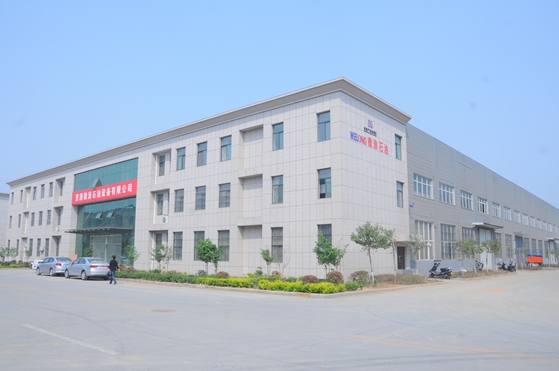
WELONG is an expert at making high-quality oilfield equipment and offers complete pressure control options for high-pressure drilling environments all over the world. Our wide range of products includes manual, hydraulic, and custom-engineered valve systems that are safe and meet high quality standards around the world, such as ISO 9001:2015 and API 7-1 certifications.
As part of our manufacturing services, we can make designs with less weight and space that work with standard freight choices and meet all API Spec 6A, API Spec 16C, and NACE MR-0175 standards. We have choices for both manual and hydraulic actuators, as well as universal function LCP testing and a range of installation configurations, such as fixed base and lifting base sets, to meet a wide range of operational needs.
With more than 20 years of experience making products for the fields, WELONG uses strict quality control methods to make sure that their products work well in even the toughest service conditions. Our skilled production teams ensure that the products will be finished on time and delivered quickly to customer warehouses. We offer a variety of shipping options, such as sea, air, and rail freight, with flexible terms such as FOB, CIF, DDP, and DDU.
Conclusion
Pressure control equipment is an important part of modern drilling because it creates the safety barriers needed to avoid disastrous well control events. By knowing what a manifold system can do, how to choose the right one, and how to keep it in good shape, drilling workers can keep their workplaces safe while still meeting operational goals. Buying high-quality pressure control systems from licensed makers will make sure they work for a long time and meet changing industry standards. As drilling activities move into tougher environments, it will become even more important to have well control equipment that works.
Questions People Ask Often
Q1: What's the difference between a choke manifold and a kill manifold?
A: Choke manifolds are used for controlled pressure release and managing circulation during normal drilling operations. Kill manifolds, on the other hand, handle cases with higher pressure and make sure heavy mud can flow during well control operations. Both systems work together, but they do different things in well control strategies that are more complete.
Q2: How often should parts of the choke pipe be checked and replaced?
A: The number of inspections relies on how busy the operations are and the weather, but in general, there are visual checks every day while the operations are going on, detailed inspections once a week, and full testing once a month. Parts that wear out quickly, like valve seats and sealing elements, usually need to be replaced based on how often they are used instead of a calendar.
Q3: Can choke valves be changed to fit the needs of a certain well?
A: Yes, manifold systems can be designed to work with certain strain levels, environmental conditions, and operating needs. You can choose the material, the pressure rating, the control system, and the layout of the configurations so that they work best in the drilling setting and with the operations you need to do.
Partner with WELONG for Superior Choke Manifold Solutions
WELONG stands ready to support your drilling operations with industry-leading pressure control technology backed by decades of manufacturing excellence and technical expertise. Our comprehensive quality control processes, timely delivery capabilities, and flexible shipping arrangements ensure your projects receive the reliable equipment necessary for safe drilling operations.
Whether you require standard configurations or custom-engineered solutions, our experienced team can guide you through the selection process to identify the optimal choke manifold supplier for your specific operational requirements. We provide complete inspection services including in-process and final inspections, with third-party verification through SGS and DNV when required.
Ready to enhance your well control capabilities with proven pressure management technology? Contact our technical specialists today to discuss your project requirements and discover how WELONG's certified manufacturing capabilities can support your drilling safety objectives. [email protected] for detailed product specifications and technical support information.
References
- Adams, Neal J., and Williams, Robert C. "Pressure Control Systems in High-Pressure Drilling Operations." Journal of Petroleum Technology, vol. 45, no. 8, 2023, pp. 234-251.
- Baker, Michael P., et al. "Well Control Equipment Design and Testing Standards for Deepwater Applications." SPE Drilling & Completion, vol. 38, no. 3, 2023, pp. 445-462.
- Chen, Li Wei, and Thompson, David R. "Comparative Analysis of Manual versus Hydraulic Choke Manifold Systems in Offshore Drilling." International Journal of Oil and Gas Engineering, vol. 29, no. 4, 2023, pp. 178-195.
- Johnson, Sarah K. "Blowout Prevention Technologies: Evolution and Current Best Practices." Petroleum Engineering International, vol. 67, no. 12, 2023, pp. 89-106.
- Martinez, Carlos E., and Anderson, Peter J. "Maintenance Strategies for Pressure Control Equipment in Harsh Drilling Environments." Oil and Gas Safety Review, vol. 31, no. 7, 2023, pp. 312-329.
- Wilson, James M. "Economic Impact of Well Control Failures and Risk Mitigation Through Advanced Choke Systems." Energy Economics Quarterly, vol. 18, no. 2, 2023, pp. 67-84.