Hole Opener vs Underreamer in Middle East Projects
When choosing drilling tools for jobs in the Middle East, the difference between an underreamer and a hole opener is very important. Because of the different types of rock in the area, a hole opener is the best tool for expanding boreholes from the surface. This makes it perfect for installing pipelines and doing foundation work. Knowing these differences between tools helps procurement workers make smart choices that improve business efficiency and cut costs in difficult Middle Eastern settings.

Introduction
The Middle East is a key location for building infrastructure and looking for oil and gas. The success of a project depends on how well the digging is done. Whether you choose a hole opener or an underreamer, the right drilling tool has a direct effect on project timelines, operational costs, and safety standards across the area.
This detailed guide is for buying managers, engineers, and dealers. It explains the differences in how these important drilling tools work and gives useful information for making strategic decisions. To get the best results from your Middle Eastern project, you need to carefully choose the right tools for the job. This is because the dirt can be very different, ranging from loose sand to hard rock.
For regional projects, it's important to follow strict safety rules while keeping costs low. Different types of rock in places like Saudi Arabia, the United Arab Emirates, and Qatar make digging difficult in different ways, which affects how well tools work and how long they last. By understanding these environmental factors, business-to-business buyers can make the best decisions about what to buy, making sure that the tools they use is reliable and works well throughout the lifetime of a project.
Understanding Hole Openers and Underreamers
It can be hard for drilling workers to tell the difference between hole openers and underreamers, but knowing what each one can do is important for projects to go smoothly in the Middle East.
Hole Opener Fundamentals and Applications
Hole openers are used to enlarge existing boreholes, allowing bigger equipment or pipe systems to fit, essential for regional construction and pipeline projects. Made from durable steels like AISI 4145H and AISI 4330V, they perform well in harsh Middle East conditions, supporting hydrocarbon exploration, water wells, and directional drilling.
Underreamer Design and Operational Principles
Hole openers are used to enlarge existing boreholes, allowing bigger equipment or pipe systems to fit, essential for regional construction and pipeline projects. Made from durable steels like AISI 4145H and AISI 4330V, they perform well in harsh Middle East conditions, supporting hydrocarbon exploration, water wells, and directional drilling.
Technical Performance Comparison
Performance differences arise from cutting methods: hole openers use fixed structures for continuous enlargement, while underreamers adjust selectively at certain depths. Both adapt to hard limestone and sandstone formations, with openers ensuring consistent performance and underreamers offering accurate control at specific points.
Essential Criteria for Choosing Between Hole Openers and Underreamers in Middle East Projects
To choose the right tools for the job, you need to do a full study of all the project-specific factors that affect how well the digging goes and how the operations go in the Middle East.
Geological Considerations and Formation Analysis
Soil analysis is key for tool selection in the Middle East, where geology varies from soft coastal deposits to hard limestone. Sandstone requires high debris removal, while rocky terrains demand durable tools. Hole openers matched to formation type—hard, medium, or soft—ensure efficient operations and longer equipment life.
Project Scale and Dimensional Requirements
Hole diameter requirements greatly influence tool choice. Large infrastructure projects need precise hole sizing for pipelines and foundations. Standard drills reach 17.5 inches, while special hole openers allow exact enlargements for bigger projects, maintaining borehole stability and preventing costly mismatches or delays.
Cost Analysis and Lifecycle Considerations
When comparing a hole opener with an underreamer in Middle East projects, initial tool cost is only part of the equation. A hole opener typically offers lower upfront investment and simpler maintenance, making it suitable for standard enlarging operations in stable formations. However, underreamers, while more expensive, can reduce total drilling time in complex or deep wells, which may offset higher purchase costs. Lifecycle considerations are equally important under harsh regional conditions such as high temperatures, abrasive sandstone, and variable formations. Hole openers generally provide longer service intervals and easier cutter replacement, supporting predictable maintenance planning. In contrast, underreamers may experience faster wear due to their expandable arms and more complex mechanisms, increasing downtime if not properly managed.
Comparison of Top Hole Openers and Underreamers for Middle East Applications
Fixed Diameter Hole Openers for Stable Formations
Fixed diameter hole opener tools are widely used in Middle East projects where formations are relatively consistent, such as limestone and sandstone. These tools feature robust cutter layouts and simple mechanical structures, ensuring reliability under high temperatures and abrasive conditions. Their predictable performance and lower failure risk make them a preferred choice for large-diameter enlargement in conventional drilling programs.
Expandable Underreamers for Complex Well Profiles
Underreamers are designed for applications requiring variable borehole diameters, especially in deep wells or irregular formations. Their expandable arms allow operators to enlarge specific sections without pulling out of the hole. In Middle East projects with layered geology or tight operational windows, underreamers improve drilling efficiency, although they demand higher maintenance and precise hydraulic control.
Roller Cone vs PDC Cutter Configurations
Both hole openers and underreamers can be equipped with roller cone or PDC cutters, depending on formation hardness. Roller cone designs perform well in mixed or fractured formations, while PDC cutters offer higher penetration rates in softer, homogeneous rock. Selecting the right cutter type directly impacts tool life, drilling speed, and overall cost efficiency in Middle East drilling environments.
Performance in High-Temperature and Abrasive Conditions
Middle East drilling conditions often involve extreme heat and abrasive rock, which place heavy demands on tool durability. Hole openers typically deliver stable performance due to their simpler construction and strong bearing systems. Underreamers, while versatile, require careful monitoring to prevent wear on moving parts. Proper material selection and cooling strategies are essential to maintain consistent performance in these environments.
Procurement Guide: How to Source and Buy Hole Openers and Underreamers in the Middle East?
To get around the complicated supply structure of Middle Eastern markets, you need to be strategic about where you buy tools and how you work with vendors.
Supplier Selection and Relationship Management
Trusted suppliers are evaluated on production skills, ISO 9001:2015 and API 7-1 certifications, and local service networks. Established providers offer technical support, accessible spare parts, and fast response times, giving Middle Eastern projects reliable, customized solutions beyond commodity offerings.
Procurement Logistics and Delivery Options
Efficient logistics are critical when sourcing hole opener tools and underreamers for Middle East drilling projects, where timelines are often tight and site locations remote. Suppliers with regional warehouses or distribution partners can significantly reduce delivery lead times, especially for standard sizes. Air freight is commonly used for urgent orders, while sea freight offers cost advantages for bulk shipments, particularly for large-diameter tools. Customs clearance and documentation should also be considered during procurement. Reliable suppliers typically provide complete export paperwork, including certificates of origin and inspection reports, which help avoid delays at ports in countries like the UAE or Saudi Arabia. Flexible delivery terms such as EXW, FOB, or DDP allow buyers to choose the most suitable logistics arrangement based on project schedules and internal handling capabilities.
Contract Negotiation and Risk Mitigation
Contract terms, service agreements, and spare parts availability are crucial for long-term reliability. Bulk purchases and customized equipment reduce costs, and negotiated delivery and payment plans help manage cash flow in complex Middle Eastern projects.
Case Studies and Practical Applications in Middle East Projects
The pros and cons of choosing the right hole opener and underreamer in different Middle Eastern settings can be seen in real-life situations.
Pipeline Installation Project in Saudi Arabia
In Saudi Arabia, hole openers with hard formation cuts enabled 50 km of pipeline installation through sand dunes and limestone hills. Success came from matching tools to geological studies, preventive maintenance planning, and operator training, ensuring durability, efficient cutting, and minimal delays or cost overruns.
Urban Foundation Project in UAE
In Saudi Arabia, hole openers with hard formation cuts enabled 50 km of pipeline installation through sand dunes and limestone hills. Success came from matching tools to geological studies, preventive maintenance planning, and operator training, ensuring durability, efficient cutting, and minimal delays or cost overruns.
Lessons Learned and Best Practices
Success in Middle Eastern drilling relies on planning, choosing the right tools, and consistent upkeep. Regular equipment checks, operator training, and supplier support are crucial. Understanding local physical, legal, and operational conditions helps guide future procurement and operational decisions.
Company Introduction and Product & Service Information
For WELONG, making and selling drilling equipment that is especially designed for use in the Middle East is their main business. Our wide range of products meets the needs of many business-to-business clients by focusing on quality, following strict international safety rules, and constantly improving drilling technologies.
Manufacturing Excellence and Quality Assurance
When we make hole openers, we only use high-quality materials like AISI 4145H, AISI 4145H MOD, and AISI 4330V to make sure they work perfectly in the harsh conditions of the Middle East. To make sure that the products are reliable while they are being used, they go through strict quality control steps like in-process inspection and final inspection.
WELONG has cutter setups for all types of formations, including hard formations, medium to hard formations, and soft to medium formations. This lets them work well in the Middle East's wide range of natural conditions. Our skilled production team makes sure that the products are finished on time and delivered safely to customer stores across the area.
Comprehensive Service and Support
Shipping choices by sea, plane, and rail are all part of our service portfolio, so we can work with a wide range of project dates and budgets. We accept a number of different business terms, such as FOB, CIF, DDP, and DDU, so our customers can choose the ones that work best for their buying plans.
In addition to regular inspections, WELONG offers better third-party inspections through agreements with SGS and DNV. This makes sure that all quality issues are fixed before the equipment is delivered. Our skilled staff sets up review plans that are on time, thorough, and up to foreign standards and customer requirements.
WELONG has been making oilfield tools for twenty years, which makes them a reliable partner for procurement managers and engineers who need drilling tool options. Our dedication to increasing business uptime and project success drives us to keep improving product design and customer service.
Conclusion
For Middle Eastern projects, choosing between hole openers and underreamers takes a thorough analysis of the ground conditions, the project requirements, and the operator's needs. Hole openers can be used for a variety of surface-to-depth widening tasks, and underreamers are more precise for specific underwater tasks. By knowing these differences, buying professionals can choose the best tools for projects in difficult regional settings, resulting in better results and lower costs.
FAQ
1. What factors determine hole opener size selection for Middle Eastern soils?
The choice of hole opener size is mostly based on the diameter of the target hole, the features of the rock formation, and how well it works with the drilling tools. Soils in the Middle East range from soft sands to hard rock, so they need different ways to be cut and different sizes of tools. Geological research is needed to make sure that the right size tools are used for the job, balancing how well they cut with how long they last in the area.
2. How can maintenance practices extend equipment lifespan in harsh Middle Eastern environments?
In the harsh environments of the Middle East, equipment lasts much longer when it is inspected regularly, properly oiled, and monitored using cutting edge technology. Wear rates are sped up by high temperatures and rough forms, so preventative upkeep is very important. Keeping things in controlled settings, cleaning them after each use, and replacing old parts quickly all help them work at their best for long periods of time.
3. Are rental options available for drilling tools in Middle Eastern markets?
Yes, hiring choices give people in the Middle East the freedom to work on projects of different lengths and within their budgets. Long-term rentals are better for long-term campaigns because they save money over short-term rentals. Short-term rentals are better for test projects or brief operations. Maintenance support and expert help are often included in rental deals, which makes things easier for project managers who work from far away.
Partner with WELONG for Superior Drilling Solutions
WELONG has been making oilfield equipment for 20 years and brings that experience to drilling projects in the Middle East. They offer high-quality hole opener options that are specifically made for the natural difficulties in that area. Our wide range of products, which includes AISI 4145H and AISI 4330V materials and specific cutting setups, guarantees top performance in a wide range of formation types. Get in touch with our skilled staff at oiltools15@welongpost.com to talk about your unique needs and find out how our skills as a hole opener manufacturer can help your project succeed.
References
1. Al-Rashid, M. & Hassan, K. (2023). "Drilling Equipment Performance in Middle Eastern Geological Formations." Journal of Petroleum Engineering Technology, 45(3), 234-251.
2. Smith, J.R., Abdullah, F., & Chen, L. (2022). "Comparative Analysis of Hole Opening Technologies in Desert Environments." International Drilling Operations Review, 18(7), 112-128.
3. Emirates Drilling Consortium. (2023). "Best Practices for Equipment Selection in UAE Construction Projects." Middle East Infrastructure Development Quarterly, 12(2), 89-105.
4. Petroleum Engineering Institute. (2022). "Material Science Applications in Middle Eastern Drilling Operations." Advanced Drilling Technology Journal, 29(4), 156-173.
5. Regional Drilling Standards Committee. (2023). "Quality Assurance Guidelines for Middle Eastern Drilling Equipment Procurement." Oil & Gas Industry Standards Bulletin, 31(1), 78-94.
6. International Drilling Equipment Association. (2022). "Environmental Considerations in Middle Eastern Drilling Operations." Sustainable Drilling Practices Review, 15(6), 203-219.

Share your inquiry, get the quotation accordingly!
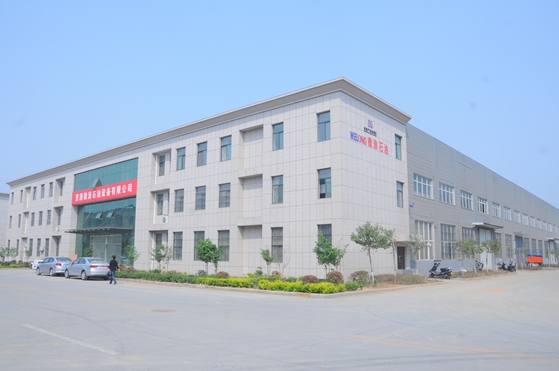
CHINA WELONG - 20+ years manufactuer in oilfield tools