Drill Pipe Grades Explained for Middle East Oil Projects
Picking the right drill pipe types for oil projects in the Middle East is a very important choice that has a direct effect on operating success, safety, and cost-effectiveness. In the Middle East, the harsh weather, high temperatures, and difficult rock forms mean that drilling equipment needs to be of high quality and able to handle long periods of stress and surroundings that eat away at it. When procurement managers and engineers know the technical specs and material qualities of different grades of drill pipe, they can make decisions that improve drilling performance while keeping prices low. This complete guide goes over the most important parts of choosing drill pipes, with a focus on the needs and problems that come up in oil activities in the Middle East.

Understanding Drill Pipe Grades and Their Specifications
To do drilling well, you need to know how the different types of drill pipe are categorized and what their technical requirements are according to API SPEC 5DP standards. These thin steel tubes are the backbone of drilling operations. They allow drilling fluid to flow and send spinning force to the drill bit. The grade number tells you about the material's yield strength and other mechanical qualities that have a direct effect on how well it works when it's under stress.
API SPEC 5DP Compliance and Industry Standards
API SPEC 5DP defines drill pipe standards for material, thread connections, testing, and size limits, covering grades E75, X95, G105, and S135. Compliance ensures Middle East projects maintain quality and compatibility across different manufacturers.
Material Properties and Mechanical Strengths
Drill pipe grades match different drilling needs: E75 (75,000 psi) for short to medium wells, X95 (95,000 psi) for higher torque, G105 (105,000 psi) for tough conditions, and S135 (135,000 psi) for deep, harsh Middle Eastern aquifers. Choosing the right grade ensures reliability, safety, and performance under specific operational stresses.
Corrosion Resistance and Environmental Protection
Corrosion resistance is a critical factor when selecting drill pipe grades for Middle East oil projects, where high salinity, hydrogen sulfide (H₂S), and elevated temperatures are common. Standard grades such as E75 or X95 may require additional protective coatings or internal plastic linings to withstand corrosive drilling fluids. Higher grades like G105 and S135 often incorporate improved metallurgy, offering better resistance to sulfide stress cracking and extending service life in aggressive environments. Environmental protection measures are equally important to ensure safe and sustainable operations. Modern drill pipe systems are designed to minimize leakage risks and reduce contamination during drilling. Protective coatings, regular inspection, and proper storage conditions help prevent corrosion-related failures that could lead to fluid spills. Adhering to international standards and implementing corrosion monitoring programs are essential practices for maintaining both equipment integrity and environmental compliance.
Comparison of Drill Pipe Grades for Optimal Project Outcomes
To choose the best drill pipe grade, you need to carefully look at the needs of the job and the working conditions. To compare different grades, you have to look at their strengths, how much they cost, and how well they should work in different types of stress. When buying teams know about these differences, they can find a balance between performance needs and price limits while still making sure operations run smoothly.
Premium High-Strength Grades vs. Standard Grades
For standard drilling, E75 and X95 perform reliably at competitive prices for shallow to medium-depth wells with predictable formations. Premium grades G105 and S135 handle high-torque, long-reach, and ultra-deep projects, offering better performance, lower failure rates, and longer service life, offsetting their higher material costs in challenging drilling conditions.
Seamless Manufacturing Advantages
Seamless manufacturing eliminates weak points from joints, creating stronger, wear-resistant drill pipes. Consistent material quality throughout the wall reduces stress buildup and improves resistance to cyclic loading. This method ensures precise thread quality and dimensional tolerances, making seamless drill pipes ideal for deep, high-pressure, high-temperature operations where reliability and structural integrity are critical.
Weight and Durability Considerations
Pipe weight, wall thickness, and durability affect handling and performance. Thicker walls resist wear but increase weight, influencing rig capacity and cutting efficiency. Modern grade selection balances these factors, considering project depth, formation properties, and rig power to optimize drilling efficiency while maintaining safety margins and operational reliability.
Procurement Considerations for Drill Pipe Grades in Middle East Oil Projects
To successfully buy drill pipe for activities in the Middle East, you need to carefully consider technical specifications, the supplier's skills, and logistics. Cost limits must be taken into account during the buying process, along with quality assurance, delivery schedules, and ongoing assistance needs. Knowing about these things helps you make smart choices that lead to project success and improved business efficiency.
Project-Specific Selection Criteria
The first step in the decision process is a careful look at the project's needs, such as the expected drilling depth, the formation's properties, and the surrounding environment. In the Middle East, deep drilling projects often have to deal with high temperatures and pressures that require higher types that are stronger and less likely to rust. Certain coats or hardbanding methods may need to be used on geological rocks that contain rough or corrosive materials. Grade choice and specification requirements are also affected by how well they work with current drilling tools and methods.
Supply Chain and Logistics Management
Because they are in remote areas, have limited infrastructure, or have to follow strict rules, Middle East oil projects often have a hard time with logistics. Lead times, transportation choices, and inventory management are all important parts of good buying strategies that make sure deliveries happen on time and projects don't stop. WELONG offers a range of shipping choices, such as sea, air, and rail travel, to meet the needs of different projects and budgets. There are different shipping terms, such as FOB, CIF, DDP, and DDU, which give buyers more options and help them save money.
Quality Assurance and Certification Requirements
Full quality control tools make sure that drill pipe meets all the performance and standard requirements. Standard inspection methods include checking the dimensions, material properties, and surface state while the work is being done and again at the end. Third-party testing services through well-known companies like SGS and DNV give you extra peace of mind and help you follow the rules. These inspection programs lower business risks and provide proof to back up quality claims and guarantee coverage.
Drill Pipe Maintenance and Inspection Best Practices for Grade Longevity
Using good upkeep and checking procedures will extend the life of drill pipes and make sure they are safe and reliable to use. Grade-specific upkeep methods take into account the unique qualities and stress patterns of different types of materials. By knowing these needs, workers can get the most out of their equipment and keep it from breaking down when they least expect it to.
Grade-Specific Inspection Protocols
Different types of drill pipe need different ways to be inspected because of how the materials are made and how they usually break. When compared to standard grades, premium grades with better amounts of strength may show different wear patterns and stress concentrations. Visual checks look at the state of the surface, the wear patterns, and possible places where cracks could start. Dimensional measures make sure that the threads are strong and that the wall width and straightness are within acceptable ranges. Magnetic particle screening and ultrasound testing are two types of non-destructive testing that can find internal flaws and material degradation.
Corrosion Management and Fatigue Prevention
The rough climate where drilling takes place in the Middle East speeds up rust and wear and tear that shorten the useful life of drill pipes. Corrosion control that works includes using the right cleaning methods, keeping protecting coatings in good shape, and being careful when handling to avoid damage. Strategies for preventing fatigue include keeping an eye on the load, analyzing the stress, and planning rotations that spread out wear patterns fairly. By knowing how different grades react to fatigue, workers can find the best drilling conditions and make tools last longer.
Safety Standards and Operator Training
Handling and maintenance processes that are done correctly protect machinery investments and keep operators safe. In training classes, grade-specific standards, inspection methods, and safe handling are all covered. Safety standards in the industry tell people how to store, move, and use tools in a way that keeps risks to a minimum and makes sure that regulations are followed. Employees stay up to date on changing best practices and new technologies by getting regular training updates.
WELONG's Comprehensive Drill Pipe Solutions for Middle East Operations
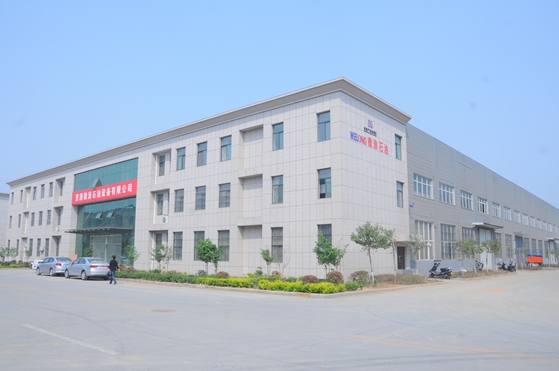
WELONG has been making products for more than 20 years and brings that experience to oil projects in the Middle East. They provide high-quality drill pipe options that meet the strict needs of operations in the area. Our dedication to quality covers every step of the production process, from choosing the materials to delivering the finished product. This makes sure that the quality is always the same and that it works well every time. The wide range of products meets the needs of many different applications while keeping prices low and delivery choices open.
Extensive Product Portfolio and Technical Capabilities
We produce all API SPEC 5DP drill pipe types, including E75, X95, G105, and S135, in sizes from 2 3/8" to 6 5/8". Advanced manufacturing, quality controls, and specialized coatings like TK34/TK34P, plus Arnco 100XT/300XT hardbanding, ensure reliability, wear resistance, and customization for specific project requirements.
Quality Control and Manufacturing Excellence
WELONG maintains strict quality control throughout production, using skilled staff, precision tools, and thorough testing of material properties, threads, and surface conditions. ISO 9001:2015 and API 7-1 certifications demonstrate our commitment to consistent high-quality drill pipes that meet or exceed industry standards under the toughest conditions.
Comprehensive Service and Support Capabilities
Beyond manufacturing, WELONG provides full support throughout the product lifecycle. Services include technical guidance for grade and specification selection, flexible purchasing, shipping options, warranty coverage, and long-term maintenance assistance, ensuring that customers receive reliable, durable drill pipes along with professional support tailored to their projects.
Conclusion
When choosing the right drill pipe grades for oil projects in the Middle East, technical specs, operating needs, and cost must all be carefully thought through. Knowing the features and abilities of various types helps you make smart purchasing choices that improve drilling performance while keeping costs and risks under control. The Middle East has tough weather and difficult rock formations that require high-quality tools that can work under a lot of stress while still meeting safety and dependability standards. WELONG's complete drill pipe solutions, along with their decades of manufacturing knowledge and dedication to quality, are the basis for successful oil operations in the Middle East. They do this by offering high-quality goods, a variety of ways to buy them, and ongoing technical support.
FAQ
1. What are the main differences between API premium and standard drill pipe grades for Middle East operations?
Standard grades E75 and X95 only offer 75,000 to 95,000 psi yield strengths, while premium grades G105 and S135 offer 105,000 to 135,000 psi. This extra strength makes it work better in deep digging, high-torque tasks, and the harsh conditions that are common in oil areas in the Middle East. Premium types also have better resistance to fatigue and rust, which makes up for their higher starting cost by extending service life and lowering the number of failures.
2. How do extreme Middle East temperatures affect drill pipe grade selection?
In activities in the Middle East, high temperatures can weaken materials and speed up the rusting process. When heated to high temperatures, premium types with improved metallurgy and protective layers keep performing better. Specialized heat treatment and higher-grade alloying elements make the temperature stability better, and new coats like TK34P protect better against thermal breakdown and corrosive environments.
3. Can WELONG customize drill pipe specifications for specific Middle East project requirements?
Yes, WELONG gives you a lot of ways to change things to fit the needs of your project. As part of our production services, we can apply different coatings, hardbanding, and make changes to the dimensions that follow API SPEC 5DP standards. Technical consulting services help make the best specs for certain rock formations, drilling factors, and operating needs that are common in oil projects in the Middle East.
Partner with WELONG for Your Middle East Drilling Success
WELONG is ready to help you with your oil projects in the Middle East by providing you with high-quality drill pipe options that work exceptionally well and are reliable. With our many years of experience making drill pipes, strict quality control, and range of purchasing choices, we can make sure that your businesses get the best equipment for the tough conditions in the Middle East. Get in touch with our technical team at oiltools15@welongpost.com to talk about your needs and find out how our API-certified drill pipe products can help your drilling activities.
References
1. American Petroleum Institute. "API Specification 5DP: Specification for Drill Pipe." Ninth Edition, 2020.
2. Rahman, K. and Al-Majed, A.A. "Drill Pipe Fatigue Analysis in Middle East Oil Fields: A Comprehensive Study." Journal of Petroleum Engineering, 2022.
3. International Association of Drilling Contractors. "Drill Pipe Selection Guidelines for High-Temperature HPHT Wells." Technical Report, 2021.
4. Smith, J.R. and Thompson, M.K. "Corrosion Management in Middle East Drilling Operations: Materials and Coatings Performance." SPE Drilling & Completion Journal, 2023.
5. Middle East Oil and Gas Technology Conference. "Advanced Drill String Design for Deep Desert Wells." Technical Proceedings, 2022.
6. Wilson, P.L. et al. "Comparative Analysis of Drill Pipe Grade Performance in Extended Reach Drilling Applications." Petroleum Technology Quarterly, 2021.

Share your inquiry, get the quotation accordingly!
CHINA WELONG - 20+ years manufactuer in oilfield tools