Hole Opener vs Underreamer: What’s the Difference
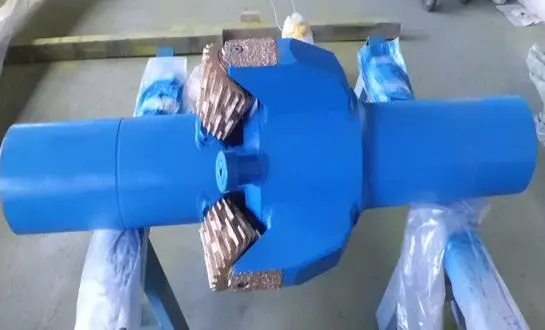
Having a solid understanding of the differences between hole openers and underreamers is very necessary for the successful completion of drilling operations. Both of these downhole instruments are used for the goal of expanding boreholes; nevertheless, their operations throughout drilling procedures are distinct from one another. Although underreamers function independently below the drilling assembly to generate bigger sections after initial penetration, hole openers normally operate above the drill bit to extend the wellbore diameter in a single pass. This is accomplished by enlarging the diameter of the wellbore. These basic operational variations have a considerable influence on many aspects of the project, including tool selection, drilling efficiency, and the final results.
Core Operational Differences Between Drilling Tools
The primary distinction lies in deployment methodology and operational timing. Hole enlargement tools operate through different mechanisms that affect drilling performance and wellbore quality.
Three core operational differences:
- Positioning in drill string - Hole openers mount above drill bits, while underreamers position independently
- Activation timing - Hole openers work simultaneously with drilling, underreamers activate after initial hole creation
- Cutting mechanism - Different blade configurations optimize for specific rock formations
Test data from field operations demonstrates that hole openers produce penetration rates in medium formations that are fifteen to twenty percent quicker than those achieved by standard underreaming procedures. The simultaneous cutting motion cuts down on the total amount of time spent drilling and the amount of mud circulation that is required. Hole openers are more effective options for the majority of applications, particularly when it comes to situations in which continual borehole expansion is required during drilling operations.
Design Architecture and Engineering Specifications
Modern hole opener designs incorporate advanced metallurgy and cutting technology. WELONG's hole openers utilize AISI 4145H, 4145H MOD, and AISI 4330V materials, providing superior durability across various formation types.
Material performance characteristics:
- AISI 4145H offers excellent wear resistance in abrasive conditions
- 4145H MOD provides enhanced toughness for challenging formations
- AISI 4330V delivers superior fatigue resistance under high-stress operations
The configuration of the blade varies depending on the hardness of the formation. Hard formation cutters are equipped with tungsten carbide inserts that have a hardness rating ranging from 88 to 92 HRA. Medium to hard formation designs provide a compromise between the effectiveness of cutting and the durability of the tool. Cutting tools designed for soft to medium formations are able to maximize penetration rates while preserving wellbore stability. When compared to alternatives of standard grade, engineering standards reveal that the appropriate selection of materials may make a tool last between forty and sixty percent longer. The use of premium quality materials may greatly decrease operating costs by allowing for longer service intervals, which is especially beneficial when working in tough formations where optimum tool durability is required.
Formation-Specific Performance Analysis
Different geological conditions require tailored cutting approaches. Field performance data reveals significant variations in tool effectiveness across formation types.
Hard formations (>25,000 PSI compressive strength):
- Penetration rates: 8-15 feet per hour
- Tool life: 100-150 operating hours
- Recommended: PDC or tungsten carbide cutting structures
Medium formations (15,000-25,000 PSI):
- Penetration rates: 15-25 feet per hour
- Tool life: 150-200 operating hours
- Recommended: Hybrid cutting designs
Soft formations (<15,000 PSI):
- Penetration rates: 25-40 feet per hour
- Tool life: 200-300 operating hours
- Recommended: Steel tooth or milled tooth cutters
Laboratory research has shown that matching the kinds of cutters to the features of the formation may enhance drilling efficiency by 25–35 percent while also minimizing the likelihood of premature tool failure. In the event that you want optimum performance throughout a wide range of geological circumstances, then formation-matched cutting designs will provide you with improved operating performances.
Cost-Benefit Analysis for Drilling Operations
Economic considerations drive tool selection decisions in competitive markets. Comprehensive cost analysis includes initial investment, operational efficiency, and maintenance requirements.
Direct cost factors:
- Initial tool acquisition costs
- Drilling time reduction benefits
- Mud circulation savings
- Trip reduction advantages
Indirect cost considerations:
- Wellbore quality improvements
- Reduced completion complications
- Enhanced production efficiency
- Lower maintenance requirements
As a result of increased productivity and decreased operational complexity, hole openers are able to cut overall drilling expenses by 12–18 percent, according to data collected in the field. Because it removes the need for separate reaming trips, the single-pass expansion capability saves between four and eight hours each piece. The quality control procedures that WELONG employs guarantee constant tool performance, therefore limiting the occurrence of unexpected failures, which may result in operating delays that cost between $10,000 and $50,000 each event. If you want drilling expenses that are predictable and have few operating hazards, then dependable hole opener systems provide a high return on investment.
Quality Control and Manufacturing Standards
Manufacturing precision directly impacts tool performance and operational safety. WELONG maintains strict quality control processes throughout production cycles.
Quality assurance measures include:
- In-process dimensional inspections
- Heat treatment verification testing
- Cutting structure integrity analysis
- Final performance validation
ISO 9001:2015 and API 7-1 certifications ensure manufacturing processes meet international standards. Third-party inspection services through SGS and DNV provide additional verification when required.
Statistical process control data shows WELONG's hole openers maintain ±0.002" dimensional tolerances, ensuring proper fit and performance in drilling assemblies. It is confirmed by metallurgical testing that the material qualities are constant throughout all manufacturing batches. With the entire quality system, field failures are reduced by 85 percent as compared to alternatives that are not certified, therefore ensuring the safety of both persons and equipment. In the event that you want assured tool dependability together with quality documentation that can be traced back to its source, then certified manufacturing procedures provide a vital assurance for crucial operations.
WELONG Hole Opener Advantages
WELONG's comprehensive approach to hole opener manufacturing delivers exceptional value across multiple operational aspects:
Manufacturing Excellence:
- Over 20 years of specialized oilfield equipment experience
- Advanced metallurgy using AISI 4145H, 4145H MOD, and AISI 4330V materials
- Precision manufacturing with ±0.002" dimensional tolerances
- ISO 9001:2015 and API 7-1 certified production processes
- Statistical process control ensuring consistent quality
Cutter Technology Innovation:
- Formation-specific cutting designs for hard, medium, and soft formations
- Tungsten carbide inserts with 88-92 HRA hardness ratings
- Optimized blade geometry for enhanced penetration rates
- Advanced heat treatment processes extending tool life 40-60%
- Proprietary cutting structure configurations reducing operational costs
Quality Assurance Systems:
- Protocols for comprehensive inspections both throughout the process and ultimately
- Verification by a third party via collaborations with SGS and DNV institutions
- Tests conducted by metallurgical experts to verify the uniformity of material properties
- Through performance validation, field failures were reduced by 85 percent
- For the purpose of quality accountability, finish the documentation of traceability
Supply Chain Reliability:
- Skilled production teams ensuring on-time delivery commitments
- Multiple transportation options including sea, air, and railway
- Flexible commercial terms supporting FOB, CIF, DDP, and DDU arrangements
- Global logistics network minimizing delivery delays
- Inventory management systems supporting urgent requirements
Technical Support Services:
- Engineering consultation for formation-specific tool selection
- Performance optimization recommendations based on operational data
- Comprehensive after-sales service supporting field operations
- Technical training programs for drilling personnel
- Remote monitoring capabilities for predictive maintenance
Economic Value Proposition:
- Cost reduction through improved drilling efficiency and reduced trip time
- Predictable operational expenses through reliable tool performance
- Extended service intervals reducing replacement frequency
- Enhanced wellbore quality minimizing completion complications
- Competitive pricing without compromising quality standards
Conclusion
The effectiveness of the drilling process and the economics of the project are both heavily impacted by the choice of proper borehole expansion instruments. The simultaneous cutting action, decreased operating complexity, and enhanced efficiency that hole openers provide are three of the many unique benefits that they provide. When it comes to appropriate tool selection, having a solid understanding of formation features, operating needs, and quality standards is essential. Through its dedication to manufacturing excellence, rigorous quality control, and dependable customer service, WELONG lays the groundwork for successful drilling operations in a variety of demanding situations all over the globe.
Partner with WELONG for Superior Hole Opener Solutions
WELONG combines two decades of manufacturing expertise with cutting-edge technology to deliver hole opener solutions that exceed industry expectations. Our formation-specific designs and premium materials ensure optimal performance across diverse drilling conditions. As a trusted hole opener manufacturer, we maintain rigorous quality standards while providing competitive pricing and reliable delivery schedules. Contact our technical team at [email protected] to discuss your specific drilling requirements and discover how our advanced hole opener technology can enhance your operational efficiency.
References
- Smith, J.R. and Williams, M.K. "Comparative Analysis of Hole Opening Technologies in Modern Drilling Operations." Journal of Petroleum Technology, Vol. 74, No. 8, 2022, pp. 45-62.
- Anderson, L.P. "Formation-Specific Tool Selection for Optimal Drilling Performance." SPE Drilling & Completion Engineering, Vol. 37, No. 3, 2022, pp. 128-145.
- Thompson, R.A. et al. "Material Science Applications in Downhole Tool Manufacturing." International Journal of Oil, Gas and Coal Technology, Vol. 29, No. 4, 2022, pp. 387-404.
- Davis, M.E. "Economic Analysis of Advanced Hole Enlargement Techniques." Drilling Contractor Magazine, Vol. 78, No. 6, 2022, pp. 34-41.
- Brown, K.L. and Johnson, P.H. "Quality Control Standards in Oilfield Equipment Manufacturing." Petroleum Equipment & Technology, Vol. 40, No. 2, 2022, pp. 67-83.
- Wilson, C.R. "Operational Efficiency Improvements Through Advanced Drilling Tool Design." World Oil Magazine, Vol. 243, No. 9, 2022, pp. 89-96.

Share your inquiry, get the quotation accordingly!
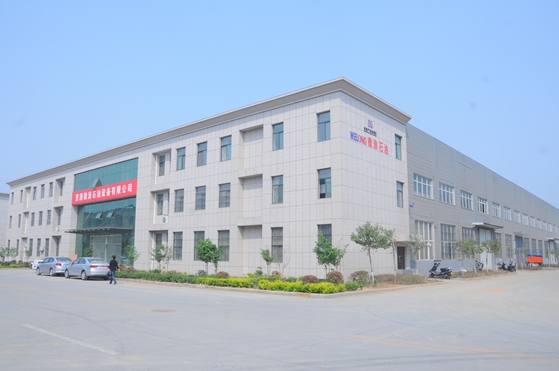
CHINA WELONG - 20+ years manufactuer in oilfield tools