How Does a Bumper Sub Fishing Tool Work in Oilfield Fishing?
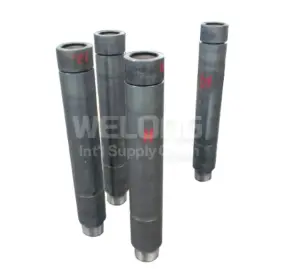
A bumper sub fishing tool works like a telescoping joint placed in the fishing string, letting the crew move the lower assembly up and down over a short, controlled stroke while the rest of the string stays steady. That sliding freedom produces sharp impacts at the end of each stroke, and those impacts help free a stuck fish or release a catch tool. The sections below explain how the impact is created, what sits inside the tool, how rotation is carried through it, and how crews use it with overshots and spears.
How Does a Bumper Sub Fishing Tool Generate Downward Impact Force on a Stuck Fish?
Stored Weight Becomes a Sharp Blow
The bumper sub fishing tool turns the weight of the drill string into a concentrated hammer blow. The crew lifts the string, lets the mandrel extend, then drops it so that the lower shoulder strikes the matching shoulder inside the housing. Because the blow is delivered at the bottom of the stroke, the energy travels directly into the fish rather than being absorbed along the entire string.
Role of Drill Collars Above the Tool
The strength of a downward bump depends largely on the mass sitting above the bumper sub fishing tool. Heavy drill collars add momentum, so each drop carries more force into the lower assembly. Planning the collar weight before the run gives the crew a clear sense of how hard the tool can strike, and it lets them adjust the intensity by changing the amount of weight applied.
Controlling Each Stroke from the Rig Floor
Operators can fine-tune a bumper sub fishing tool simply by changing how far they lift and how quickly they release. Short, rhythmic strokes deliver steady, repeated impacts, while a longer lift produces a heavier single blow. This hands-on control lets the driller respond to what the fish is doing and keep working until movement is felt at the surface.
Why Downward Bumping Suits Stuck Tubulars
Stuck pipe often loosens when it receives a series of firm taps instead of a single hard pull. A bumper sub fishing tool supplies exactly that pattern, vibrating the fish gently against the wall and breaking the grip of cuttings, mud cake or minor debris. Many crews rely on this approach as a first, low-risk step before moving to heavier methods.
Bumper Sub Fishing Tool Internal Mechanism: Sliding Mandrel, Housing and Spline Assembly
The Sliding Mandrel and Its Stroke
At the center of every bumper sub fishing tool is a mandrel that slides smoothly inside an outer housing. The stroke length is built into the design, and the shoulders at each end define the points where impact occurs. A well-finished mandrel surface moves freely, so the crew gets clean, repeatable strokes throughout the fishing job.
Housing Strength and Pressure Containment
The outer housing of a bumper sub fishing tool carries the full tensile load of the string while keeping the internal parts aligned. Seals at both ends hold drilling fluid inside the bore, so circulation can continue through the tool during the operation. Heavy-wall alloy steel and careful machining give the housing the endurance needed for repeated, forceful strokes.
Spline Profile and Component Fit
Splines cut into the mandrel and housing lock the two parts together rotationally while still allowing axial travel. A precisely machined bumper sub fishing tool keeps this fit tight, which reduces play and extends service life. Producers that follow the ISO 9001:2015 certification framework document every machining step, so buyers receive consistent tolerances from batch to batch.
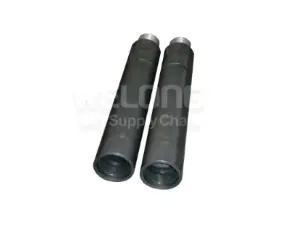
How Does a Bumper Sub Fishing Tool Transmit Torque During Axial Movement?
Splines as the Torque Path
Although the bumper sub fishing tool slides freely along its axis, the splines carry rotation straight through from the upper string to the lower assembly. When the rotary table turns, the housing turns the mandrel with it, so the catch tool below responds exactly as if the string were solid. This combination of freedom and connection is what makes the tool so versatile.
Backing Off and Making Up Connections
Fishing often requires the crew to rotate a connection loose or tighten one that has been disturbed. With a bumper sub fishing tool in the string, torque still reaches the target joint, so the crew can back off pipe or screw into a fish without removing the tool. Having this capability in a single assembly saves trips and keeps the job moving.
Maintaining Alignment Under Load
Rotation and impact often happen together, so alignment matters. The spline engagement inside a bumper sub fishing tool keeps the mandrel centered in the housing, preventing wobble while the string turns and strokes. That stability protects the seals and shoulders and helps every blow land squarely on the intended contact surface.
Bumper Sub Fishing Tool Operation for Releasing Overshots and Fishing Spears
Freeing an Overshot Grapple
An overshot can hold a fish so firmly that the grapple will not let go on the first attempt. Running a bumper sub fishing tool above it gives the crew a way to strike downward on the overshot, which relaxes the grapple, and then rotate to walk the tool off the fish. The result is a clean, controlled release.
Releasing a Fishing Spear
Spears grip the inside of the pipe, and the grapple can seat tightly after heavy pulling. By using a bumper sub fishing tool in the string, the operator can bump down to loosen the grapple and then rotate to retract it. Crews appreciate that this routine works without special add-on equipment, simply through the motion the tool already provides.
Planning the Fishing String
Good planning places the bumper sub fishing tool where its stroke and torque transmission can serve the catch tool directly, usually just above a jar and below the collars. Stringing the assembly this way means that release, jarring and rotation are all available from one setup, which shortens the job and keeps the crew prepared for different outcomes.
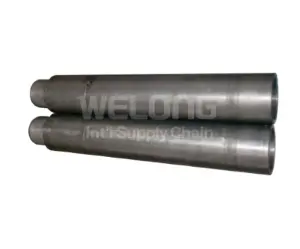
Upward and Downward Bumping Actions of a Bumper Sub Fishing Tool in Fish Recovery
Downward Bumping for Loosening
Downward bumping is the most common use of a bumper sub fishing tool. Each drop sends a pulse into the fish, and repeated pulses encourage it to shift, vibrate and eventually move. Many stuck tubulars respond within a handful of strokes, so this action is often the quickest way to learn whether the fish is ready to come free.
Upward Bumping for Extraction
When the crew needs to move the fish upward, the bumper sub fishing tool allows them to pull the mandrel to its upper stop and create a controlled upward blow. This action complements a jar and can help break a stuck fish loose from its resting place. Alternating between up and down strokes gives the fish no chance to settle.
Combining Both Actions in One Program
The most effective programs use a bumper sub fishing tool to alternate between both directions, adjusting weight and stroke as the fish responds. The crew watches the weight indicator, notes any change and adapts accordingly. With patience and rhythm, this approach brings many stubborn fish to surface using nothing more than the string and the tool.
Conclusion
The bumper sub fishing tool earns its place in oilfield fishing by pairing a sliding mandrel with a spline connection, delivering impact and torque at the same time. It loosens stuck fish, releases overshots and spears, and gives crews flexible control over every stroke. Choosing tools from a supplier with certified quality systems and customization options adds further confidence, helping operators shorten fishing jobs, protect their equipment and return wells to normal production sooner. A well-planned fishing string, built around reliable equipment, remains the surest route to a successful recovery.
FAQ
Q: What does a bumper sub fishing tool do?
A: It acts as a sliding joint in the fishing string, delivering upward and downward blows while still passing rotation to the tools below.
Q: Where is a bumper sub fishing tool placed in the string?
A: It is usually run above the catch tool and jar, with drill collars above it to supply the weight needed for effective bumping.
Q: Can a bumper sub fishing tool help release an overshot or spear?
A: Yes. Downward bumping loosens the grapple, and rotation through the splines then lets the crew walk the catch tool off the fish.
Get Your Bumper Sub Fishing Tool from WELONG
Since 2001, China Welong has served as a professional international integrated supply chain provider for oilfield products and customized solutions. Our ISO 9001:2015 and API 7-1 certifications and strict quality control mean every tool we ship is built to last. If you need a bumper sub fishing tool in standard or tailored specifications, our team is ready to assist. Email us at [email protected] with your requirements, and let WELONG bring the finest supply chain from China to your next fishing job. We look forward to supporting your operations and building a lasting partnership with you.
References
1. American Petroleum Institute. (2021). API Specification 7-1: Specification for Rotary Drill Stem Elements. Washington, DC: API Publishing Services.
2. Bourgoyne, A. T., Millheim, K. K., Chenevert, M. E., & Young, F. S. (1986). Applied Drilling Engineering. Richardson, TX: Society of Petroleum Engineers.
3. Rabia, H. (1985). Oilwell Drilling Engineering: Principles and Practice. London: Graham & Trotman.
4. Devereux, S. (2012). Drilling Technology in Nontechnical Language (2nd ed.). Tulsa, OK: PennWell.
5. Lyons, W. C., & Plisga, G. J. (2005). Standard Handbook of Petroleum and Natural Gas Engineering (2nd ed.). Burlington, MA: Gulf Professional Publishing.
6. Mitchell, R. F., & Miska, S. Z. (2011). Fundamentals of Drilling Engineering. Richardson, TX: Society of Petroleum Engineers.
Share your inquiry, get the quotation accordingly!
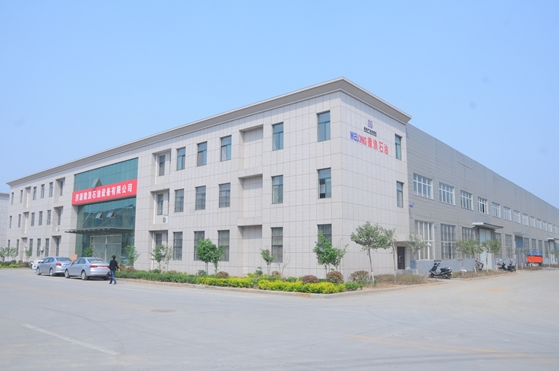
CHINA WELONG - 20+ years manufactuer in oilfield tools