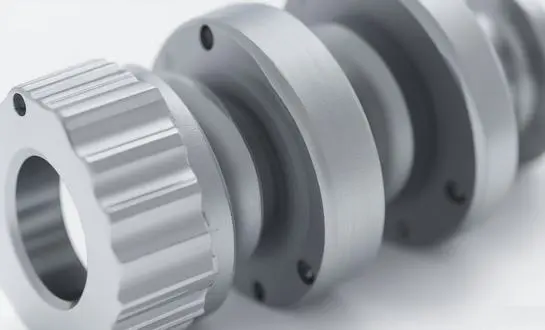
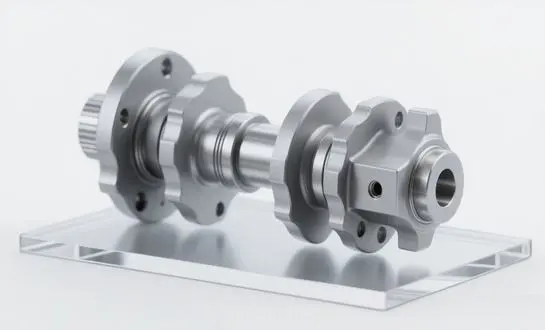
Power Tong Parts Design: Understanding Jaw, Die and Cage Assemblies
Power tong parts design decides how safely and efficiently tubulars are made up and broken out on the rig floor. Jaws, dies and cage assemblies form the heart of the gripping and rotating system, and each component must work in step with the others. This guide explains how jaw geometry, die tooth profiles, cage plate movement, component compatibility and assembly fitment shape the performance of power tong parts across drilling, casing and tubing operations.
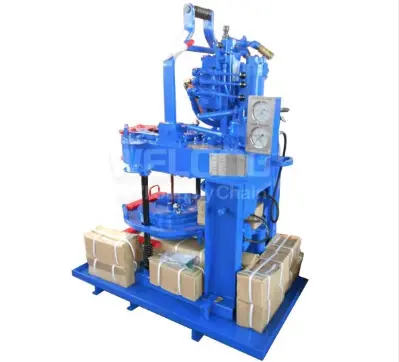
How Does Power Tong Jaw Geometry Affect Pipe Gripping and Torque Transfer?
Jaw Arc Radius and Contact Distribution
The arc radius of a jaw determines how evenly it wraps around the pipe body. When the curvature closely follows the tubular diameter, load spreads across a wide contact zone instead of concentrating on a few points. Well-designed power tong parts therefore deliver steady grip, protect the pipe surface and allow high torque to pass through the connection without slippage.
Cam Angle and Torque Multiplication
The cam profile behind each jaw converts rotational force into radial clamping pressure. A carefully chosen cam angle lets the grip tighten progressively as torque rises, so the harder the tong turns, the firmer the jaws hold. This self-energizing behavior is one reason precision-machined power tong parts remain a trusted choice for demanding make-up and break-out work.
Jaw Body Materials and Heat Treatment
Jaw bodies are typically forged from alloy steel and heat treated to balance surface hardness with core toughness. A tough core absorbs repeated shock loading, while a hardened outer layer resists wear at the die pockets and cam surfaces. Selecting high-grade materials for power tong parts extends service intervals and keeps jaw dimensions stable over many hundreds of connection cycles.
Jaw Opening Range and Pipe Centering
A jaw set must close around the pipe from a generous opening and still center it accurately inside the tong. Balanced travel of every jaw keeps the tubular on the rotation axis, which reduces side loading on the connection. Thoughtful sizing of this range is a key reason power tong parts handle several pipe diameters with just a quick jaw change.
Power Tong Die Tooth Profiles: Matching Gripping Surfaces to Tubular Sizes
Tooth Pitch and Depth for Different Wall Thicknesses
Tooth pitch and depth control how aggressively a die bites into the pipe. Finer teeth suit thin-walled tubing and corrosion-resistant alloys where surface marking must stay minimal, while coarser, deeper teeth deliver the heavy grip required for thick-walled drill pipe and casing. Matching the profile to the job is a core principle when specifying power tong parts.
Surface Hardness and Wear Life
Die teeth need enough hardness to penetrate the pipe surface yet enough toughness to avoid chipping under shock. Suppliers often study steel behavior, corrosion and surface protection using research resources such as the National Science Data Center for Corrosion and Protection of Materials, which helps guide material choices. Sound material selection keeps power tong parts predictable from the first run to the last.
Size Ranges and Die Selection for Common Tubulars
Dies are offered in many sizes to cover tubing, casing and drill pipe across a wide diameter range. Choosing the correct insert for each tubular size gives full tooth engagement and balanced load sharing among all jaws. A well-organized catalog of power tong parts makes this selection quick, helping crews change sizes with minimal downtime.
Die Stock Management and Quick Changeouts
Rig crews want dies that can be pulled and replaced quickly, often with just hand tools. Having a labeled stock of common sizes close to the tongs cuts down on each changeover and keeps the job moving. By providing matched sets of power tong parts in advance, a supplier enables operators to relax and plan for maintenance, rather than reacting to wear as it occurs.
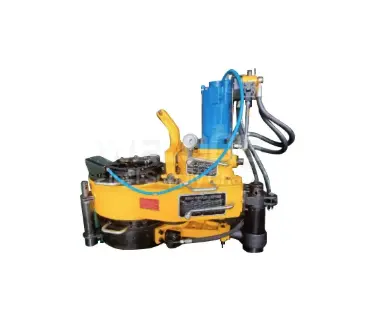
Cage Plate Assembly Design: How Rollers, Pins and Jaw Carriers Coordinate Movement
Roller Arrangement and Smooth Rotation
Rollers are inserted between the cage plates and the cam surface to transform the sliding contact into rolling contact. The evenly distributed rollers distribute the load across the tong body and let the cage to turn easily even under strong tension. This rolling movement lowers friction and that is why high quality rollers are a prized feature of dependable power tong parts.
Pin Positioning and Load Paths
The jaws are located and connected to the cage plates by pins; these pins are the route of the clamping and rotating stresses. All jaws are positioned alike with accurate hole spacing and ground pin diameters. When this geometry is maintained, the power tong sections distribute the load in unison and the complete assembly moves smoothly, consistently and repeatedly.
Jaw Carrier Synchronization
As the cage moves relative to the cam, each jaw is guided in and out by jaw carriers. both carriers should move forward simultaneously to contact the pipe on both sides at the same time for seamless operation. The components of the power tong are synchronized to grasp in the middle, rotate smoothly and control reliably in every connection.
What Determines the Compatibility Between Power Tong Jaws and Die Inserts?
Dovetail and Pocket Interfaces
Compatibility starts at the interface where the die meets the jaw. Dovetail or pocket profiles must match in width, angle and depth so the insert seats firmly and cannot shift under load. Accurate machining of these seating surfaces is essential, because well-matched power tong parts transfer force directly into the pipe rather than into loose, moving fittings.
Matching Jaw Size Codes with Die Series
Manufacturers assign size codes and series numbers so each jaw receives its intended die family. Reading these markings correctly lets operators confirm in seconds that the right inserts are being installed. Clear identification is a simple but valuable feature of professionally supplied power tong parts, and it prevents confusion when several tong models are in use.
Interchangeability Across Tong Models
Many operators run tongs from several brands and need replacements that follow original dimensions. Reverse-engineered, dimensionally accurate components offer this flexibility. WELONG, certified to ISO 9001:2015 and API 7-1, supplies customized power tong parts built to match established specifications, helping customers keep their fleets running without long waits for proprietary spares.
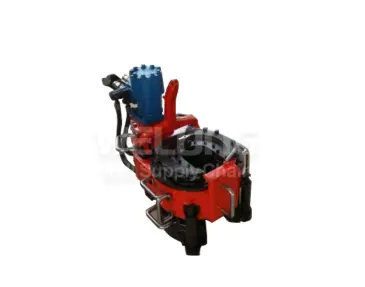
Power Tong Parts Assembly: Evaluating Component Alignment, Clearances and Fitment
Alignment Checks Before Installation
Prior to assembly, specialists verify that jaws, cage plates, and pins are aligned on a single center axis. By just looking at each part and checking the gauge, you can see any burr or distortion that can impair seating. Taking time for this step lets power tong parts settle into position correctly and rewards the crew with quieter, steadier operation.
Clearance Control for Free Movement
The correct gaps let the moving parts move and turn without becoming stuck, yet without becoming loose. The tight tolerances between the pins and holes, and the rollers and tracks, ensure the action is both smooth and accurate. Power tong parts are created within defined limitations so that they fit readily and operate stably over extended working shifts.
Fitment Verification and Dimensional Inspection
During final inspection, essential dimensions are checked against the drawings using calibrated gauges and measuring instruments. WELONG's strict quality control ensures that every lot of power tong parts is inspected for size, hardness and surface condition before shipping. This systematic approach delivers durable goods, reliable support and the confidence for consumers to install components right out of the box.
Conclusion
Buyers may choose better components and maintain tongs in top functioning condition by understanding the interaction between jaws, dies and cage assemblies. Jaw geometry dictates grip, tooth profiles correspond to each tubular, cage plates work in concert to move it, and meticulous installation pulls it all together. WELONG was established in 2001, engaged in the production of customised oilfield products with ISO 9001:2015 and API 7-1 certification and tight quality control. Reliable power tong parts from a trusted partner means less downtime, easier maintenance planning and efficient, safe, long-lasting operations for oilfield teams everywhere, from regular tubing projects to challenging deep casing programs.
FAQ
Q: What are the main power tong parts in a gripping system?
A: The major components are jaws, die inserts, cage plates, rollers, pins and jaw carriers. Both of them hold the pipe, transfer torque and direct movement during make-up and break-out.
Q: How do I choose the right die for my tubular size?
A: Match die series and tooth profile with pipe diameter and wall thickness. Fine teeth work well on delicate tubing, larger teeth on heavier drill pipe and casing.
Q: Can WELONG customize power tong parts?
A: That's right. WELONG is specialised in oilfield goods and customised solutions. We manufacture power tong parts as per your designs or sample dimensions under ISO 9001:2015 and API 7-1 quality systems.
Ready to Upgrade Your Power Tong Parts? Contact WELONG Today
Founded in 2001, WELONG is a professional international integrated supply chain service provider focused on oilfield and customized products. Whether you need jaws, dies, cage assemblies or complete sets of power tong parts, our team offers tailored solutions, stable quality and responsive support from first inquiry through production, inspection and delivery. Our stringent quality control and ISO 9001:2015 and API 7-1 certifications give you durable products you can trust. Send your drawings, sizes or questions to [email protected] today, and let WELONG help your operation run smoothly, efficiently and with complete confidence.
References
American Petroleum Institute. Specification 7K: Drilling and Well Servicing Equipment. Washington, DC: API Publishing Services.
American Petroleum Institute. Specification 7-1: Specification for Rotary Drill Stem Elements. Washington, DC: API Publishing Services.
Bourgoyne, A. T., Millheim, K. K., Chenevert, M. E., and Young, F. S. Applied Drilling Engineering. Richardson, TX: Society of Petroleum Engineers.
Lyons, W. C., Carter, T., and Lapeyrouse, N. J. Formulas and Calculations for Drilling, Production and Workover. Oxford: Gulf Professional Publishing.
Rabia, H. Oilwell Drilling Engineering: Principles and Practice. London: Graham and Trotman.
Shigley, J. E., and Mischke, C. R. Mechanical Engineering Design. New York: McGraw-Hill.
Share your inquiry, get the quotation accordingly!
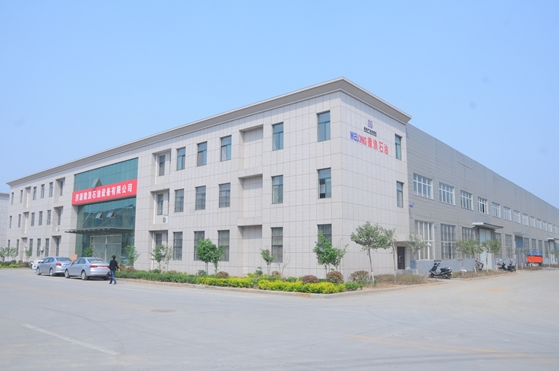
CHINA WELONG - 20+ years manufactuer in oilfield tools