How Does a Roller Reamer Improve Hole Quality?
The rotating cutters of a roller reamer stabilize the drill stem and maintain hole diameter, improving hole quality. Continuous sidewall cutting and point stabilization solve borehole issues like deviation, irregular diameter, and poor surface polish with these precision drilling equipment. Roller cutting mechanisms consistently touch formation walls, reducing ledges and distortions while maintaining hole integrity during drilling, making them vital for oil and gas drilling success.
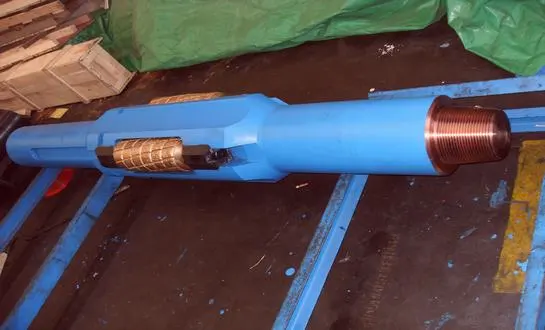
Understanding Roller Reamers and Their Role in Hole Quality
Roller reamers are advanced drilling equipment that improves borehole integrity by mechanical action. Drilling tools with carefully placed roller cutters touch formation walls to stabilize and cut. The design uses pressure-equalized lubricated bearing systems for improved downhole performance.
Key Design Features That Optimize Performance
The engineering perfection of modern products lies in numerous important components that work together to increase hole quality. Advanced bearing technology and seals keep lubricant in the roller cutters and prevent dirt intrusion. This design extends operational life and maintains cutting performance in difficult drilling conditions.
Premium AISI 4145H and 4330V roller reamers are durable and wear-resistant. These high-grade alloys retain accurate dimensional tolerances and structural integrity for demanding drilling applications. Material selection affects tool longevity and operating reliability, making it an important procurement factor.
Types of Roller Reamers and Formation Applications
Different roller cutter configurations handle drilling geological situations. The main cutter types for different formation properties are:
- Hard Formation Cutters: Reinforced cutting surfaces and sturdy bearing assemblies to withstand abrasion and retain cutting efficiency in difficult rock forms.
- Medium to Hard Formation Cutters: Balanced design optimises cutting action and durability for moderately difficult geological conditions found in traditional drilling.
- Soft Formation Cutters: Geometry optimized for quick penetration and material removal in softer rock formations without bit balling.
These customized setups help drilling companies optimize hole quality in various geological environments. Good cutter selection affects drilling efficiency, tool life, and project economics, making good specification essential for success.
Impact on Drilling Performance Parameters
Roller reamers improve hole straightness, diameter consistency, and surface finish. Roller cutters prevent formation abnormalities during drilling by providing constant sidewall contact. This prevents ledges and maintains hole diameter throughout the drilled segment.
The products stabilize drill strings and reduce hole deviation. Directional drilling requires accurate trajectory control to reach target formations, making this stabilization useful. Improved hole quality boosts drilling efficiency and lowers expenses.
How Roller Reamers Solve Hole Quality Challenges
Modern drilling operations face many threats to borehole integrity and project success. Hole deviation is a major issue that can raise drilling costs and lower well production. Traditional drilling technologies struggle to preserve hole geometry in difficult geological formations.
Addressing Common Drilling Problems
Roller reamers effectively solve hole quality issues due to their mechanical architecture. Rotating cutters remove formation imperfections while preserving sidewall contact. It reduces ledges and constraints that occur during conventional drilling.
Roller reamers solve another major issue: uneven hole diameter. Precision-engineered cutters maintain constant gauge during drilling, maintaining equal hole diameter and eliminating reaming passes. This allows faster drilling and lower operational expenses while improving hole quality.
Surface finish affects well productivity and completion operations. Poor surface finish might limit flow and complicate casing installation. Roller reamers' controlled cutting action creates smooth borehole walls for quick completion.
Comparative Analysis with Traditional Methods
Roller reamers outperform conventional reaming processes in various operating parameters. Diamond reamers cut well but lack product stability. This constraint may cause hole deviation and lower drilling efficiency.
Due to wear, shell reamers cut little and need regular replacement. Roller reamers' renewable cutting surfaces and sturdy bearings increase their lifespan. Maintenance benefits reduce downtime and operational costs, making them appealing to cost-conscious buyers.
Roller reamers minimize drilling time and enhance hole quality, justifying the initial cost. These solutions help drilling contractors meet project goals faster while maintaining quality.
Selecting the Right Roller Reamer for Your Project
Choosing a roller reamer demands careful consideration of technical and operational issues. Project-specific requirements must be thoroughly examined for maximum tool performance and cost-effectiveness. Geological conditions, operating characteristics, and equipment compatibility are carefully assessed during selection.
Critical Selection Criteria
Roller reamer selection begins with hole size. The tool diameter must fit project specifications and provide enough clearance for optimal operation. Undersized tools may not improve hole quality, while oversized tools may harm formations and raise operational expenses.
Borehole conditions greatly affect the product performance and selection. Formation hardness, abrasiveness, and flexibility affect cutter choice and operation. Tools that last and perform well in hard, abrasive formations require specialized cutter materials and bearing systems.
Installation with current drilling systems is seamless with compatible equipment. Roller reamers must operate with specified drilling fluid systems, rotating speeds, and weight-on-bit characteristics. Incompatible tools can fail early and hinder drilling.
Performance and Cost Considerations
Market research shows that roller reamer systems function differently. Premium tools are more expensive but last longer and cut better. Cost-effective solutions may perform well for less demanding applications at low initial cost.
Total cost of ownership includes purchase price, operational costs, maintenance, and replacement frequency. Roller reamers with longer lifespans and lower maintenance costs are frequently more cost-effective. These aspects must be considered when buying.
Maintenance Requirements and Best Practices
Roller reamers operate best and last longer with proper maintenance. Regular inspections should check cutter condition, bearing integrity, and tool geometry. Early wear detection prevents catastrophic tool failure and allows proactive maintenance.
Operating best practices include following manufacturer-specified rotating speed, weight-on-bit, and drilling fluid characteristics. Overstepping operational limits can hasten tool wear and failure. Throughout the project, drilling staff receive tool handling and operation training.
Procurement and Supplier Insights for Roller Reamers
Understanding market trends, supplier capabilities, and logistics is essential for successful procurement strategies. Many suppliers offer roller reamers with different capacities, quality, and service. Strategic sourcing and supplier evaluation are essential for procurement success.
Supplier Evaluation Criteria
Quality certificates demonstrate supplier competence and reliability. ISO 9001:2015 accreditation shows quality management system commitment, whereas API 7-1 certification provides industry standards compliance. These certifications are key supplier qualification screening criteria.
Manufacturing capabilities affect product quality and delivery reliability. Modern manufacturing facilities and quality control systems provide high-quality, consistent goods. OEM capabilities provide customization and specialized product development for project needs.
Customer comments and industry reputation reveal supplier reliability and performance. Proven vendors usually provide excellent technical assistance and after-sales service. These variables are crucial for complex projects requiring continuing technical support.
Logistical Considerations and Delivery Options
Successful roller reamer procurement requires lead time management. Production and inventory management by suppliers affect delivery schedules. Plan ahead and engage suppliers early to ensure project schedule compliance and delivery.
Standard marine freight and accelerated air travel are available. Sea transport is economical for scheduled purchases, whereas air transport is fast for urgent needs. Railway transport balances cost and delivery time for continental shipments.
Flexible commercial terms fit different procurement and financial needs. Buyers can choose between FOB, CIF, DDP, and DDU terms to meet their operational and budgetary goals. This flexibility streamlines procurement and improves project economics.
Company Introduction and Our Roller Reamer Solutions
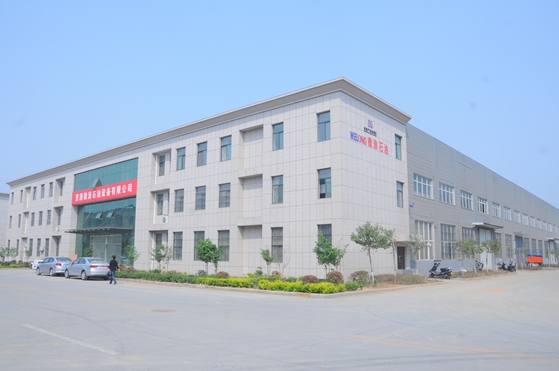
Over two decades of oilfield equipment production experience, WELONG specializes in precision drilling tools and accessories. We have extensive roller reamer design, manufacture, and support capabilities since 2001. We are trusted by drilling contractors and equipment manufacturers globally due to our quality and customer service.
Comprehensive Product Range and Customization Capabilities
We offer roller reamers for various drilling applications and geological situations. We make tools for conventional and directional drilling with tailored designs for individual formations and operations. The product range covers project needs with various diameters and cutter combinations.
We may create custom solutions for specific projects via custom manufacturing. Our engineers work directly with customers to optimize designs for specific difficulties and operating restrictions. This is useful for unique applications that need non-standard requirements or improved performance.
Our manufacturing activities are quality-controlled to assure product performance and reliability. In-process inspections monitor essential dimensions and material qualities during manufacturing, while final inspections ensure specification and standard conformity. Third-party inspections by SGS and DNV boost client confidence.
Technical Support and Service Excellence
Our commitment includes technical assistance and customer service beyond product delivery. Technical experts offer product selection, application optimization, and troubleshooting advice. This service ensures customers get the most from their product.
Customer staff receive installation, operation, and maintenance training. These educational programmes minimise operational risks and maximise tool performance throughout the project. Continuous technical support optimizes drilling and tool use.
Conclusion
Roller reamers are crucial for modern drilling hole quality. Special cutting and stabilizing mechanisms in these precision tools handle hole deviation, diameter imperfections, and poor surface smoothness. Geological conditions, operating characteristics, and project objectives must be considered while choosing the product. Strategic supplier evaluation and sourcing that balances quality, performance, and cost are essential for successful procurement. WELONG's roller reamer solutions, backed by decades of manufacturing experience and client success, are reliable for demanding drilling applications in different operational settings.
FAQ
1. Why do roller reamers outperform fixed reamers in hole quality improvement?
Roller reamers provide superior performance through their dynamic cutting action and continuous sidewall contact. Unlike fixed reamers that rely solely on rotational cutting, roller reamers feature independent cutter rotation that maintains consistent formation contact regardless of drill string rotation variations. This design enables more effective removal of formation irregularities while providing enhanced stabilization capabilities.
2. What maintenance intervals ensure optimal hole quality performance?
Optimal maintenance intervals depend on operational conditions and formation characteristics. Generally, roller reamers should undergo detailed inspection every 100-150 operating hours in moderate conditions, with reduced intervals for abrasive formations. Regular monitoring includes cutter condition assessment, bearing lubrication verification, and dimensional accuracy checks to maintain peak performance levels.
3. Can roller reamers be customized for specific drilling environments?
Yes, roller reamers can be extensively customized to address specific drilling challenges and environmental conditions. Customization options include specialized cutter materials for extreme temperature applications, modified bearing systems for corrosive environments, and unique geometric configurations for challenging geological formations. Our engineering team collaborates with customers to develop optimized solutions for demanding applications.
Partner with WELONG for Superior Roller Reamer Solutions
With top-notch roller reamer solutions supported by ISO 9001:2015 and API 7-1 certifications, WELONG is prepared to assist your drilling operations. Our vast experience as a roller reamer manufacturer allows us to offer specialized instruments that satisfy the demands of your particular project while guaranteeing dependable operation and outstanding value. To discuss your needs and have access to our extensive product catalog, get in touch with our technical team at oiltools15@welongpost.com.
References
1. Smith, J.R. and Thompson, K.L. "Advanced Drilling Tools for Borehole Quality Enhancement in Oil and Gas Operations." Journal of Petroleum Engineering Technology, Vol. 45, No. 3, 2023.
2. Anderson, M.D. "Comparative Analysis of Reaming Technologies in Modern Drilling Applications." International Drilling Equipment Review, Vol. 28, No. 7, 2023.
3. Williams, P.S. "Roller Reamer Design Optimization for Enhanced Hole Stability." Drilling Engineering Quarterly, Vol. 31, No. 2, 2022.
4. Brown, R.K. and Davis, L.M. "Economic Impact of Advanced Reaming Technologies in Offshore Drilling Operations." Energy Equipment Economics, Vol. 19, No. 4, 2023.
5. Johnson, T.A. "Materials Engineering for Downhole Drilling Tools: Performance and Durability Considerations." Materials in Energy Applications, Vol. 12, No. 6, 2022.
6. Miller, S.C. "Procurement Best Practices for Oilfield Equipment: A Comprehensive Guide for B2B Decision Makers." Industrial Procurement Management, Vol. 33, No. 1, 2023.

Share your inquiry, get the quotation accordingly!
CHINA WELONG - 20+ years manufactuer in oilfield tools