What Is a Sleeve Stabilizer Used for in Drilling?
A sleeve stabilizer is essential for borehole stability, drill string vibration reduction, and directional control while drilling. An integrated mandrel with removable sleeves helps operators maintain wall contact while minimizing friction and wear. Sleeve stabilizers prolong tool life, enhance drilling accuracy, and save operational costs in oil & gas, geothermal, and mining drilling settings by continuously contacting the borehole wall. This detailed reference on sleeve stabilizers in modern drilling operations helps engineers, purchasing managers, and OEM clients make informed procurement decisions. By understanding the product functions, equipment selection can optimize drilling accuracy, reduce operational costs, and extend tool life. Content targets worldwide B2B procurement professionals seeking reliable supplier evaluation and product selection information to improve drilling performance. Modern drilling requires precision equipment that can resist harsh subsurface conditions and give consistent results. Sleeve stabilizers are effective at maintaining borehole integrity and drilling efficiency. To inform strategic procurement decisions, this analysis evaluates their mechanical principles, practical applications, selection criteria, and rising market trends.

Understanding Sleeve Stabilizers in Drilling
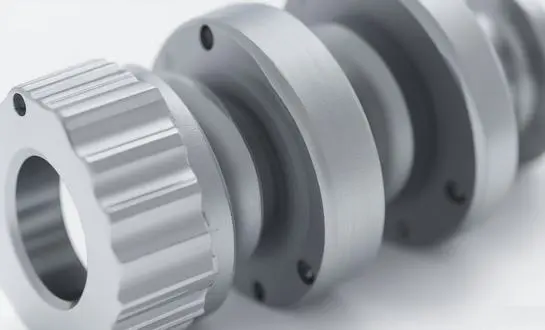
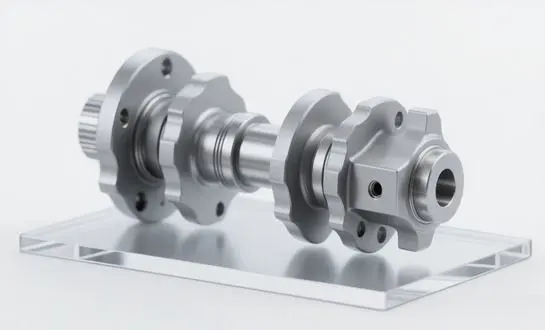
Sleeve stabilizers reduce vibration and improve borehole quality by stabilizing drill pipes. Continuous contact design provides greater wall support without forceful cutting action, unlike blade or spiral stabilizers.
Mechanical Principles and Design Features
Sleeve stabilizers preserve borehole wall contact while permitting drill string rotation. Sleeve stabilizers' cylindrical form properly distributes contact pressure around the circle, unlike complete blade stabilizers. This design idea decreases stress and formation damage while controlling direction.
Sleeve stabilizers limit drill string whirl and lateral vibrations that might cause equipment failure. Their flat outer surface reduces drilling fluid turbulence, improving hole cleaning and system pressure losses.
Material Composition and Manufacturing Standards
Advanced materials make modern sleeve stabilizers resistant to downhole conditions. Heavy-duty alloy steels like AISI 4145H resist fatigue, while non-magnetic variations allow measurement-while-drilling (MWD) without interference. By preventing abrasion, hardfacing solutions (HF1000–HF5000) improve operating life.
Supplier selection is crucial for procurement managers since manufacturing quality affects performance and reliability. ISO 9001:2015-certified companies like WELONG ensure product performance throughout drilling applications with strict quality control methods.
Benefits and Practical Applications of Sleeve Stabilizers in Drilling
Sleeve stabilizers increase drilling efficiency and cost management beyond hole stabilization. These benefits immediately address procurement needs like cost management, quality assurance, and operational reliability.
Primary Operational Advantages
Sleeve stabilizers' main benefits make them essential for modern drilling:
- Vibration Reduction: Sleeve stabilizers greatly minimize drill string vibrations that might damage equipment and holes. Their continuous contact design smooths rotation and dampens lateral oscillations.
- Sleeve stabilizers increase directional drilling accuracy by maintaining wall contact, reducing wellbore variation and enabling precise trajectory management in complex drilling programs.
- Extended Equipment Life: Sleeve stabilizers reduce vibration-induced stress and drill string whirl, extending drill bit, downhole motor, and measurement instrument life.
- Cleaner Holes: Smooth, consistent contact decreases formation damage and wellbore abnormalities, making casing installation and completion easier.
Reduced equipment replacement, improved drilling rates, and less non-productive time during drilling operations result in cost savings.
Real-World Application Scenarios
Sleeve stabilizers excel in different drilling scenarios, making them beneficial investments for diverse operating needs. They help keep wellbore stable during extended-reach drilling in oil and gas, where accurate directional control is essential for target reservations.
Sleeve stabilizers' constant performance in high-temperature situations benefits geothermal drilling. Thermal cycling does not damage the sturdy construction and specialist materials. Sleeve stabilizers straighten holes in difficult geological formations where deviation control affects extraction efficiency.
Sleeve stabilizers work for soft and hard rock drilling due to their geological versatility. Their performance is similar across formation types, from unconsolidated sediments to crystalline basement rocks, giving procurement managers flexible solutions for varying project requirements.
How to Select the Right Sleeve Stabilizer for Your Drilling Needs
Selection of products requires rigorous examination of operational needs, environmental circumstances, and procurement priorities. These decisions affect drilling performance and project costs, therefore careful study is necessary for success.
Critical Decision Factors and Selection Metrics
Drilling type, formation features, and operating conditions are analyzed to identify crucial decision criteria. Different stabilizer designs are needed for vertical drilling than directional or horizontal drilling. Formation hardness, abrasiveness, and stability affect hardfacing and material choice.
Durability, material composition, and tool compatibility are important selection criteria. Durability examination considers operative hours, formation abrasiveness, and temperature. Mechanical qualities and cost are balanced when choosing material composition, and tool compatibility assures drill string integration.
Procurement Strategy and Cost Optimization
Effective procurement strategies incorporate initial acquisition prices and total cost of ownership throughout equipment lifecycle. Drilling firms with recurring equipment needs benefit from bulk purchase. OEM customization allows stabiliser designs to be optimized for specific operational requirements, boosting performance and lowering costs.
WELONG's replaceable the product design allows one mandrel series to fit different sleeve diameters for varying hole dimensions, saving money. This modular method minimizes inventories and provides operational flexibility between drilling projects.
Supplier assessment includes manufacturing quality, delivery reliability, and after-sales assistance. Quality-controlled and internationally certified companies guarantee product performance and delivery on time.
Innovative Solutions and Market Trends in Sleeve Stabilizers
Technological advances and industrial requirements change the sleeve stabilizer market, giving procurement experts possibilities and difficulties. Understanding these trends allows strategic purchase decisions to future-proof drilling operations and improve operations.
Advanced Materials and Smart Technology Integration
Modern sleeve stabilizer technology uses composite materials that outperform steel. Improved fatigue resistance, weight reduction, and corrosion resistance make these materials desirable in demanding downhole settings.
Smart sensor technology integration allows real-time performance monitoring and predictive maintenance. These sensors can measure vibration, temperature, and wear to optimize drilling conditions and schedule maintenance.
Sustainability Standards and Regulatory Compliance
Environmental restrictions and sustainability requirements significantly affect procurement and product development. Modern products use eco-friendly materials and manufacturing processes while meeting drilling performance demands.
Supplier selection is crucial for foreign businesses due to regulatory compliance requirements. Comprehensive certification portfolios and established compliance procedures let companies meet different regulatory requirements without operational disruptions.
Practical Guidance on Sleeve Stabilizer Usage, Maintenance, and Troubleshooting
Sleeve stabilizer performance depends on good installation, thorough maintenance, and proactive troubleshooting. Standardized procedures are necessary for consistent results because these practices affect equipment performance and operational expenses.
Installation Best Practices and Common Pitfalls
Inspection of the stabilizer and drill string components ensures compatibility and detects damage before installation. Thread engagement requires precise torque settings and thread compound application to prevent galling and secure connections.
Poor thread inspection, torque application, and sleeve-mandrel orientation verification are common installation mistakes. These concerns can cause premature failure, connection troubles, or poor drilling performance.
Maintenance Protocols and Performance Optimization
Regular inspections, cleaning, and storing are part of systematic maintenance. Visual inspections should check wear patterns, surface damage, and thread condition before they affect operations.
Cleanup removes drilling fluid residue and formation debris that promote wear and function degradation. Storage protects equipment from environmental deterioration and prepares it for deployment. Effective maintenance documentation aids performance tracking and warranty compliance.
Common performance issues like excessive vibration, premature wear, and directional control are troubleshooted. Root cause analysis often finds installation, sizing, or maintenance problems causing performance decrease.
WELONG: Your Trusted Sleeve Stabilizer Manufacturing Partner
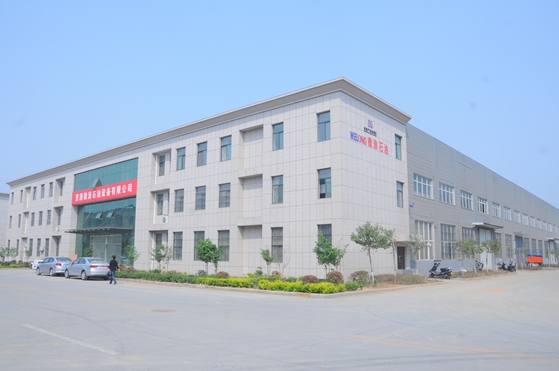
After 20 years in oilfield equipment production, WELONG is a global sleeve stabilizer manufacturer. Our ISO 9001:2015 and API 7-1 certifications and superior manufacturing capabilities show our dedication to providing innovative, tailored stabilizer solutions for the drilling industry.
We offer interchangeable sleeve stabilizers made of premium materials like AISI 4145H and non-magnetic variations, with hardfacing options from HF1000 to HF5000 to meet operating needs. The modular design lets one mandrel series fit several sleeve diameters, giving customers operating flexibility and lowering inventory costs.
Our production philosophy emphasizes quality control to ensure product performance and reliability. Our professional production teams meet precise delivery deadlines using flexible sea, air, and railway freight with FOB, CIF, DDP, and DDU terms.
SGS and DNV collaborations provide third-party verification for in-process and final inspections. This detailed method ensures product quality and provides complete documentation for regulatory compliance and quality assurance.
Conclusion
Modern drilling operations require sleeve stabilizers for vibration reduction, directional control, and equipment life. The systematic selection, installation, and maintenance methodology assures optimal performance and cost-effective operations in different drilling settings.
Understanding mechanical principles, application scenarios, and selection criteria helps procurement experts enhance drilling performance and control operational costs. Advanced materials technology and sophisticated monitoring offer chances to improve performance and operating efficiency.
Proper supplier selection, installation, and maintenance are needed for successful implementation. WELONG has the manufacturing knowledge, quality assurance, and customer support to achieve consistent drilling results.
FAQ
1. What makes sleeve stabilizers different from other stabilizer types?
Sleeve stabilizers feature continuous circumferential contact with borehole walls, unlike blade stabilizers that use protruding elements. This design provides smoother rotation, reduced vibration, and less formation damage while maintaining effective directional control.
2. How do material choices affect sleeve stabilizer performance?
Material selection directly impacts durability, wear resistance, and operational life. High-strength alloys like AISI 4145H provide excellent fatigue resistance, while hardfacing treatments protect against abrasive wear. Non-magnetic materials accommodate MWD operations without interference.
3. What factors should guide sleeve stabilizer sizing decisions?
Sizing considerations include hole diameter, drill string configuration, formation characteristics, and operational requirements. Proper sizing ensures adequate wall contact without excessive drag while maintaining compatibility with other drill string components.
4. How can sleeve stabilizers reduce drilling costs?
Sleeve stabilizers reduce costs through extended equipment life, improved drilling rates, reduced non-productive time, and minimized formation damage. Their vibration-dampening properties protect expensive downhole tools while improving overall drilling efficiency.
5. What maintenance practices maximize sleeve stabilizer life?
Regular inspections, proper cleaning after each run, appropriate storage conditions, and documentation of wear patterns maximize service life. Proactive maintenance identifies potential issues early, preventing costly failures and maintaining optimal performance.
Partner with WELONG for Superior Sleeve Stabilizer Solutions
Drilling specialists are invited by WELONG to test out the dependability and effectiveness of our high-end sleeve stabilizer solutions. In order to ensure optimal performance and cost-effectiveness, our technical staff offers professional consulting to match stabilizer specs with your unique drilling requirements. As a trusted sleeve stabilizer supplier, we offer comprehensive support including bulk quotes, sample evaluations, and technical demonstrations tailored to your operational needs. To view our whole product portfolio and learn how WELONG's tried-and-true solutions may improve your drilling operations while cutting costs and increasing dependability, get in touch with us at oiltools15@welongpost.com.
References
1. Smith, J.R., and Anderson, K.L. "Drill String Stabilization Technologies in Modern Drilling Operations." Journal of Petroleum Technology, 2023.
2. Thompson, M.W. "Comparative Analysis of Stabilizer Performance in Directional Drilling Applications." SPE Drilling and Completion Engineering, 2022.
3. Roberts, D.K., et al. "Material Science Advances in Downhole Tool Manufacturing." International Journal of Oil and Gas Engineering, 2023.
4. Wilson, P.A. "Cost-Benefit Analysis of Stabilizer Selection in Extended Reach Drilling." Drilling Engineering Quarterly, 2022.
5. Martinez, C.R. "Vibration Control and Equipment Longevity in Drilling Operations." Energy Technology Review, 2023.
6. Chen, L.H., and Brown, S.T. "Maintenance Strategies for Drilling Equipment Optimization." Industrial Equipment Management, 2022.

Share your inquiry, get the quotation accordingly!
CHINA WELONG - 20+ years manufactuer in oilfield tools