When Should You Use a Hole Opener in Well Drilling?
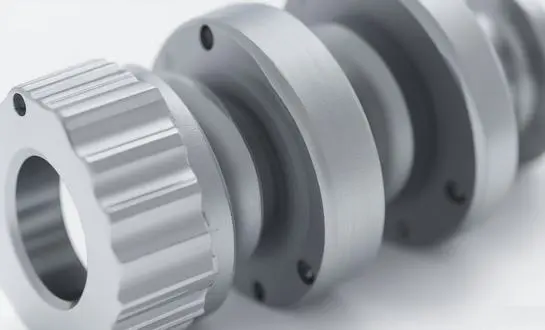
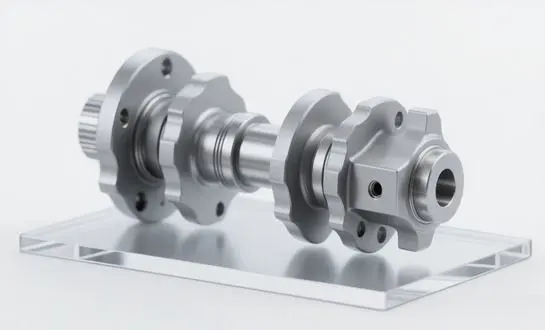
A hole opener is needed in well drilling to enlarge boreholes for casing installation, pipeline deployment, or logging operations that require particular diameter clearances. These specialized drilling tools are needed when ordinary drill bits cannot efficiently drill the appropriate hole diameter, especially in difficult geological formations or when precise diameter control is needed for well completion. A hole opener is usually chosen based on formation hardness, hole diameter, and operational efficiency.

Understanding Hole Openers and Their Applications in Well Drilling
Hole openers are extremely precise and efficient drilling devices that widen boreholes. These tools extend boreholes to allow larger casings, production tubing, and logging equipment, unlike traditional drill bits. The basic concept uses strategically placed cutting components to remove material consistently and accurately.
Fixed vs. Adjustable Hole Opener Systems
The sizes of fixed hole openers cannot be changed during operation. These tools work best in steady formation circumstances and consistent hole diameter applications. For production drilling, where reliability trumps flexibility, their stiff form maximizes durability and cutting efficiency.
Adjustable diameter systems let operators change hole size without retrieving the tool string. This versatility is crucial in exploratory drilling when geological conditions vary greatly. Real-time optimization based on formations reduces journey time and operational expenses with the customizable method.
Material Compatibility and Formation Characteristics
Current hole openers can handle cemented rock, unconsolidated sediments, and mixed formations. Optimal cutting structures for hard, medium, and soft formations vary by application. Procurement managers choose tools with best performance and low wear by understanding material attributes.
Formation assessment is critical to tool selection. Abrasive formations need specialist cutting elements and wear-resistant materials, whereas softer forms benefit from aggressive cutting structures that enhance penetration. Tool-formation compatibility affects drilling efficiency and operational economics.
When to Choose a Hole Opener Over Other Drilling Tools
Operational needs, formation conditions, and project economics must be considered when choosing drilling equipment. Hole openers are preferred for numerous well drilling applications due to their benefits over other instruments.
Performance Comparison with Alternative Tools
Traditional drill bits create initial boreholes but struggle to enlarge diameters. Poor hole quality, high torque, and premature tool failure often result from using large bits. In soft materials, hole saws cut effectively, but they lack the strength needed for well drilling.
Core drills make repeatable holes but penetrate slowly. Core removal complicates and slows drilling operations, rendering them unsuitable for fast, efficient production. Hole openers optimise performance by combining core drill precision with conventional bits.
Critical Decision Factors
Tool selection generally depends on hole diameter. Hole openers are the only option for enlarging holes beyond bit capacity. These tools are essential for crucial applications because they can enlarge holes with perfect dimensional control.
Formation hardness strongly affects tool choice. Hard formations can impair standard expansion methods, but hole openers for hard formations retain cutting efficiency and tool life. Specialized cutting features and sturdy design manage difficult situations that would overwhelm other tools.
Deep well applications require operational depth considerations. Enlarging holes without several trips saves time and money. Hole openers allow single-pass enlargement, improving project economics and quality.
Operational Best Practices and Safety Tips
Operational and safety protocols are needed to optimize hole opening performance. Implementing best practices optimizes drilling results while protecting personnel and equipment.
Pre-Drilling Preparation and Planning
Successful operations start with thorough formation analysis. Geological conditions help choose cutting structures and operational factors. Planning minimizes surprises and maximizes drilling efficiency.
Tool readiness is checked by equipment inspection. Before deployment, cutting elements, bearing assemblies, and structural components are visually inspected for faults. Proper maintenance records keep tools within design and safety limits.
Operational Parameter Optimization
Optimization of rotational speed balances penetration and tool life. High rates can harm cutting elements or prematurely wear them, while low speeds impair drilling effectiveness. Formation features and tool design determine the appropriate range.
Weight on bit application must be monitored to maintain cutting efficiency without overloading the tool. Weight distribution enables uniform cutting element engagement and structural integrity. Rapid drilling reaction modifications are possible with real-time monitoring.
Cutting removal efficiency and hole cleanliness are maintained via circulation rate regulation. Adequate flow rates prevent cuttings collection that could slow drilling or damage equipment. Proper hydraulics cool cutting and bearing systems.
Safety Protocols and Risk Management
Standard drilling safety gear plus hole enlargement-specific PPE is required. Correct PPE selection analyzes dangers and protects without hindering activities.
Hole opening emergency response protocols address distinct situations. Equipment failure, unanticipated formation changes, and operational issues are addressed quickly and efficiently using clear protocols. Crew preparedness and competency are maintained by training.
Maintenance, Troubleshooting, and Longevity of Hole Openers
Good maintenance plans increase tool life and maintain performance throughout operations. Proactive maintenance prevents costly breakdowns and unplanned downtime that can delay and cost projects.
Preventive Maintenance Strategies
Tools are inspected regularly to detect wear patterns and potential concerns before failure. Cutting element inspection shows wear and replacement needs, while bearing inspection assures operating reliability. Systematic documentation records tool performance and maintenance.
Effective cleaning removes formation debris and drilling fluid residues that accelerate wear and cause operational issues. Specialized cleaning methods remove impurities while safeguarding tool components. Thorough cleaning prolongs tool life and performance.
Common Issues and Solutions
The most common maintenance issue is cutting element wear. Operating difficulties that exacerbate degradation can be identified via wear patterns. Quality cutting elements and replacement methods improve tool performance and lifespan.
Specific skills are needed to maintain bearing systems. Standard lubrication and inspection prevent premature failure and ensure smooth operation. Good bearings and careful installation improve system dependability and performance.
Quality Assessment and Supplier Evaluation
Evaluation of tool quality includes material composition, manufacturing precision, and performance history. Reliable manufacturers provide accurate specs and performance data for informed purchases. Quality certifications and industry standards show reliable manufacturing.
Supplier evaluation includes technical skills, delivery, and after-sales assistance. A reliable supplier provides technical support, timely delivery, and prompt customer service. Quality supplier agreements offer operational and budgetary advantages.
Procurement Considerations for B2B Clients
Successful procurement strategies balance performance, cost, and supply chain reliability. Understand supplier capabilities and market trends to make efficient purchasing decisions that support operations.
Supplier Selection Criteria
Manufacturing capability evaluation assesses production, quality, and technical skills. Established manufacturers with track records increase product quality and delivery reliability. ISO 9001 and API certifications demonstrate quality management and industry conformity.
Deliverability and logistics affect project timing and inventory management. Suppliers with flexible delivery and reliable logistics networks benefit operations. Multiple transportation modalities and favorable trade terms optimize supply chain flexibility and cost.
Customization and Technical Support
Tools can be customized for individual applications and operating conditions. Custom and engineering support from suppliers adds value to basic products. Technical collaboration during tool selection optimizes performance and efficiency.
Providing technical support, maintenance training, and replacement parts after sales boosts value. Comprehensive support programs reduce operating risks and maintain tool performance.
WELONG: Your Trusted Partner for Premium Hole Opener Solutions
WELONG makes high-performance hole openers for challenging well drilling. After twenty years in the sector, we understand the fundamental criteria for successful drilling operations and create solutions that exceed expectations.
Advanced Materials and Cutting Technologies
We use premium materials like AISI 4145H/4145H MOD and 4330V steel alloys to make hole openers. These materials are strong, durable, and precise for demanding drilling applications. Materials are carefully chosen for best performance in various operating situations and formation types.
WELONG offers tailored cutter settings for certain formations. Hard formation cutters excel in difficult rock conditions, while medium to hard formation cutters adapt to different geological settings. Soft to medium formation cutters improve penetration and efficiency in simpler applications.
Quality Assurance and Delivery Excellence
All hole openers undergo rigorous quality control to fulfill performance standards. Dimensional accuracy and material integrity are checked during in-process and final inspection. SGS and DNV inspections give quality assurance for sensitive applications.
Sea, air, and train delivery meet different project needs. FOB, CIF, DDP, and DDU trade terms offer procurement flexibility and cost optimization. Our professional production teams meet project deadlines with timely manufacturing and delivery.
Conclusion
Hole diameter, formation features, and project economics determine whether to use a hole opener in well drilling. These technologies outperform other approaches for borehole enlargement while preserving dimensional precision. Hole opener selection, operation, and maintenance optimize drilling results and cost. Understanding application parameters and supplier capabilities helps procurement professionals make successful drilling decisions.
FAQ
1. What formations are best suited for hole opener applications?
Hole openers perform effectively across all formation types when properly selected for specific conditions. Hard formations require specialized cutting elements and robust construction, while softer formations benefit from aggressive cutting structures that maximize penetration rates. The key lies in matching tool specifications to formation characteristics.
2. How do I determine the right hole opener size for my project?
Size selection depends on required final hole diameter, existing hole size, and operational constraints. Consider casing requirements, logging tool dimensions, and completion equipment needs when specifying diameter. Consulting with experienced suppliers provides valuable guidance for optimal tool selection.
3. What maintenance schedule should I follow for hole openers?
Maintenance frequency depends on operating conditions and formation abrasiveness. Visual inspection after each run identifies immediate issues, while comprehensive maintenance every 50-100 operating hours ensures optimal performance. Detailed maintenance logs help establish patterns and optimize service intervals.
Partner with WELONG for Superior Hole Opener Solutions
WELONG provides outstanding hole opener solutions made to meet the demands of contemporary well drilling. Our skilled engineering staff offers professional advice to help you choose the best tools for your particular needs. As a leading hole opener manufacturer, we offer comprehensive support including technical guidance, quality assurance, and reliable delivery services. To discuss your needs and learn how WELONG hole opening technology may improve your drilling operations, get in touch with our experts at oiltools15@welongpost.com.
References
1. American Petroleum Institute. "Recommended Practice for Threading and Gauging Rotary Shouldered Thread Connections." API RP 7G, 2018.
2. Bourgoyne Jr., Adam T., et al. "Applied Drilling Engineering." Society of Petroleum Engineers, 2nd Edition, 1991.
3. Mitchell, Robert F., and Stefan Z. Miska. "Fundamentals of Drilling Engineering." Society of Petroleum Engineers, 2011.
4. Schlumberger Limited. "Drilling Engineering Handbook." Schlumberger Educational Services, 2015.
5. Society of Petroleum Engineers. "Drilling Technology Advances in the Oil and Gas Industry." SPE Technical Publications, 2020.
6. World Oil Magazine. "Drilling Equipment and Technology Annual Review." Gulf Publishing Company, 2023.

Share your inquiry, get the quotation accordingly!
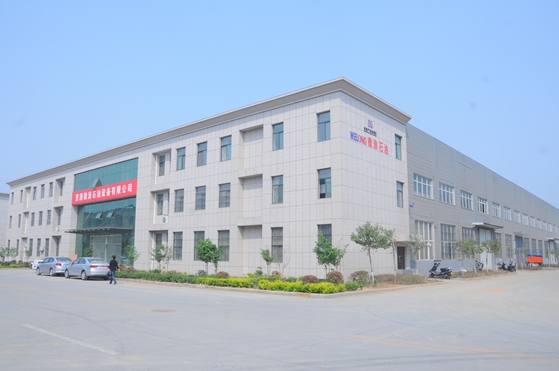
CHINA WELONG - 20+ years manufactuer in oilfield tools