How does Casing Scraper Work?
For operators who use a casing scraper to prepare wellbore surfaces for critical completion and logging tasks, it is important to know how it works. This mechanical cleaning device uses specific engineering principles to get rid of tough layers on the inside walls of the case. This makes sure that the next downhole tools can work properly without any contamination getting in the way. This article breaks down the casing scraper's working principles, blade mechanisms, and operational sequence that make it a useful tool for cleaning wellbores in a variety of downhole conditions.
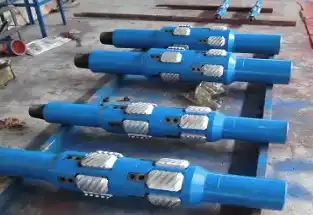
Working Principle of Casing Scraper in Wellbore Cleaning Operations
At its core, the casing scraper works on pretty basic mechanical principles. However, these principles must be carefully designed to work reliably across a wide range of case conditions and types of contamination.
Mechanical Contact and Abrasive Action
The basic idea behind a case scraper is to make direct mechanical contact between the tool's cleaning parts and the inside wall of the vessel. These contact points make a rough action that physically removes built-up layers as the tool string turns or moves back and forth inside the case. This mechanical method works well on many types of contaminants, from soft mud residue to harder mineral scale that builds up over time.
Radial Expansion for Wall Engagement
Most casing scraper designs have a circular expansion device that lets the cleaning elements move outward and stay in contact with the casing wall even if the internal diameter changes. This ability to expand makes sure that the scraper stays engaged even as it moves through parts with small differences in diameter. This makes the cleaning results more uniform across the treatment area compared to options with set diameters.
Mechanism of Casing Scraper Blades for Removing Scale and Deposits
The blade configuration represents perhaps the most critical engineering aspect determining how effectively a casing scraper performs its cleaning function against various deposit types encountered downhole.
Blade Geometry and Cutting Edge Design
Casing scraper blades are typically engineered with specific geometric profiles designed to maximize contact pressure against the casing wall while distributing wear evenly across the cutting surface. The edge design must balance aggressive deposit removal capability with durability, ensuring the blades can withstand repeated contact with hard scale or rust without premature degradation. This careful geometric consideration directly influences overall cleaning effectiveness during each run.
Spring-Loaded Tension for Consistent Pressure
Many casing scraper configurations incorporate spring-loaded mechanisms that maintain consistent outward pressure against the casing wall throughout the cleaning run. This tension system compensates for minor variations in casing diameter while ensuring blades remain engaged with the surface being cleaned. The spring mechanism also allows the tool to pass through restrictions without becoming stuck, retracting slightly when encountering tighter sections before re-engaging in normal diameter sections.
Step-by-Step Operating Process of Casing Scraper in the Casing String
Understanding the sequential operating process helps field personnel better anticipate how a casing scraper will perform as it travels through the casing string during actual field deployment.
Initial Deployment and Running In Hole
The operating sequence begins as the casing scraper is made up to the work string and run into the wellbore toward the target interval requiring cleaning. During this initial deployment phase, the tool's blades typically remain in a partially retracted position, allowing smooth passage through the casing until reaching the depth where active cleaning operations should commence according to the job program.
Active Cleaning Through Rotation and Reciprocation
Once positioned within the target interval, the casing scraper is activated through rotation, reciprocation, or a combination of both movements, depending on the specific tool design and contamination characteristics. This active phase generates the mechanical contact necessary for effective deposit removal, with operators typically working the tool across the interval multiple times to ensure thorough cleaning of the entire casing wall surface.
Retrieval and Verification of Cleaning Results
Following the active cleaning phase, the casing scraper is retrieved to the surface, where operators can often observe collected debris on the tool itself as initial confirmation of cleaning effectiveness. Additional verification methods, such as running a gauge ring or conducting a subsequent inspection log, may follow to confirm the casing interior meets the cleanliness standards required for planned completion or logging operations.
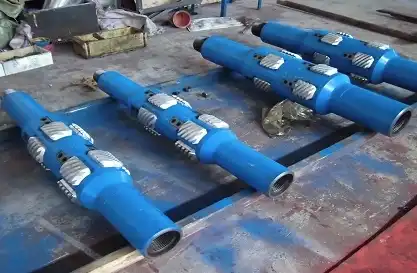
Performance of Casing Scraper in High-Pressure and Harsh Downhole Environments
Downhole conditions can vary dramatically between wells, and understanding how casing scraper performance holds up under challenging pressure and environmental conditions helps operators select appropriate tools for specific applications.
Material Durability Under Pressure and Temperature Stress
The performance of a casing scraper in demanding downhole environments depends significantly on the material composition used in its construction. High-grade alloy steel components, often manufactured to specifications similar to those outlined in ASTM International standards, provide the durability necessary to withstand elevated temperatures and pressures without premature blade wear or structural fatigue that could compromise cleaning effectiveness during extended runs.
Resistance to Corrosive Downhole Fluids
Many wells present corrosive conditions from produced fluids, formation water, or residual completion chemicals that can accelerate tool degradation if inappropriate materials are selected. Corrosion-resistant material grades, informed by data available through resources such as the National Science Data Center for Corrosion and Protection of Materials at http://ssp.corrdata.org.cn, help ensure the casing scraper maintains structural integrity and cleaning performance even in chemically aggressive downhole environments.
Design Features That Ensure Stable and Efficient Casing Scraper Cleaning Results
Beyond basic working principles, several specific design features distinguish higher-performing casing scraper products, contributing to more stable and predictable cleaning outcomes across diverse operational scenarios.
Balanced Blade Distribution for Even Wear
Quality casing scraper designs incorporate carefully balanced blade distribution around the tool's circumference, ensuring cleaning contact occurs evenly rather than concentrating wear on isolated points. This balanced approach extends tool service life while maintaining consistent cleaning pressure throughout the treated interval, resulting in more uniform wall conditioning compared to designs with uneven blade placement or inconsistent spring tension.
Robust Body Construction for Operational Reliability
The central body structure connecting the cleaning blades must withstand significant mechanical stress throughout repeated cleaning cycles. Robust construction, verified through quality processes aligned with ISO 9001:2015 certification standards, ensures the casing scraper maintains structural integrity across multiple deployments, providing operators with a reliable tool that delivers consistent performance rather than requiring frequent replacement due to premature component failure.
Conclusion
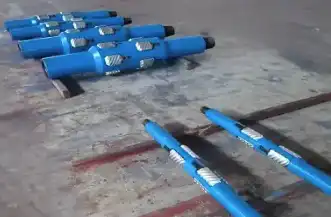
The cleaning job of the casing scraper is done by mechanical contact, radial blade expansion, and carefully engineered geometry that gets rid of deposits without damaging the casing. Knowing these working principles, from putting the tool in place for the first time to actively cleaning it and retrieving it, helps operators predict how it will work in a variety of downhole situations. Choosing a well-built casing scraper made of the right material will guarantee good cleaning results even in tough well settings with high pressure or corrosion.
FAQ
1. What movement is required to activate cleaning action in a casing scraper?
Cleaning action is typically activated through rotation, reciprocation, or a combination of both movements as the tool passes through the target interval. This mechanical movement generates the contact pressure necessary for blades to dislodge deposits from the casing interior wall surface effectively.
2. How does a casing scraper maintain contact with varying casing diameters?
Most casing scraper designs incorporate spring-loaded blade mechanisms that provide radial expansion, allowing consistent wall engagement despite minor diameter variations. This tension system also enables the tool to retract slightly when encountering restrictions, preventing sticking while maintaining cleaning effectiveness in normal diameter sections.
3. What materials are used to ensure casing scraper durability in harsh conditions?
High-grade alloy steel is commonly used for casing scraper construction, providing durability against pressure and temperature stress. Corrosion-resistant material selections help maintain structural integrity in wells with aggressive produced fluids, ensuring consistent cleaning performance throughout the tool's operational life.
Contact WELONG for Dependable Casing Scraper Products
Understanding how a casing scraper works is the first step toward selecting the right tool for your wellbore cleaning needs. WELONG manufactures durable, precision-engineered casing scraper products built to perform reliably across diverse downhole conditions. Backed by ISO 9001:2015 and API 7-1 certifications, along with rigorous quality control and third-party inspection through SGS and DNV, our team is ready to support your completion program. Contact us today at oiltools@welongpost.com for more information.
References
1. Nelson, E. B., & Guillot, D. (2006). Well Cementing. Schlumberger Educational Services.
2. American Petroleum Institute. (2011). API Specification 5CT: Casing and Tubing. API Publishing.
3. Society of Petroleum Engineers. (2013). Well Completion Design and Practices. SPE.
4. Bourgoyne, A. T., Millheim, K. K., Chenevert, M. E., & Young, F. S. (1991). Applied Drilling Engineering. SPE Textbook Series.
5. Rabia, H. (2002). Well Engineering and Construction. Entrac Consulting.
6. Craft, B. C., & Hawkins, M. (1991). Applied Petroleum Reservoir Engineering. Prentice Hall.
Share your inquiry, get the quotation accordingly!

CHINA WELONG - 20+ years manufactuer in oilfield tools