How Sleeve Stabilizers Improve Wellbore Stability?
Sleeve stabilizers reduce lateral vibration, provide continuous borehole wall contact, and prevent drill string deviation during drilling. The removable sleeve design of these essential downhole instruments allows for varied hole diameters and greater centering. The stabilizer's sturdy construction and strategic location in the bottom hole assembly eliminate torque variations and differential sticking and enable perfect directional control during drilling.
Understanding Sleeve Stabilizers and Their Role in Wellbore Stability
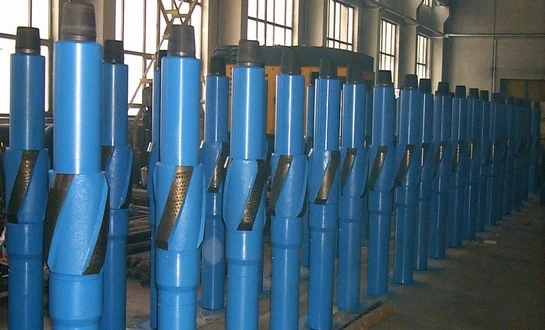
Sleeve stabilizers are essential to contemporary drilling, maintaining wellbore integrity through precise mechanical control. These downhole instruments create consistent wall contact to avoid drill string lateral movement, which can cause costly drilling issues and lower operating efficiency.
Core Functions and Operating Principles
These stabilizers reduce vibration and maintain trajectory. The drill string experiences several stresses that can deviate from the wellbore path when drilling through different geological strata. By strategically placing contact points along the borehole wall, sleeve stabilizers attenuate hazardous vibrations that can damage equipment and formation integrity.
System operation relies on controlled friction between stabilizer sleeve and wellbore wall. This controlled contact stops the drill string from whirling or bouncing in the hole while permitting smooth rotation for efficient drilling. A fulcrum effect from the stabilizer's position in the bottom hole assembly ensures directional stability without slowing drilling.
Types and Material Configurations
Individual stabilizer setups solve drilling issues in different wellbore settings. Fixed sleeve stabilizers deliver constant diameter control for straight-hole applications that require predictable contact. Adjustable variations allow operators to maximize clearance based on formation circumstances or operating needs by changing diameter.
An inherent mandrel design allows WELONG's replaceable sleeve stabilizers to fit many hole diameters and sleeve sizes. This novel method reduces inventory while maintaining operational flexibility. AISI 4145H and 4145H MOD materials provide outstanding strength for downhole environments in the mandrel construction. Data accuracy during logging is maintained by non-magnetic choices that work with measurement-while-drilling equipment.
Performance lifetime and operational reliability depend on material choice. Specialized hardfacing treatments improve service life, while high-strength steel alloys resist abrasion. WELONG offers HF1000–HF5000 hardfacing grades for drilling wear patterns and formation types.
Comparison of Sleeve Stabilizers: Choosing the Optimal Solution for Your Wellbore
Performance, operating needs, and procurement must be considered while choosing stabilizing equipment. Understanding these parameters helps drilling contractors and equipment makers optimize technical performance and economic efficiency.
Performance Factor Analysis
In extended reach and horizontal drilling applications, bottom hole assembly weight can cause drag, making stabilizer selection important. Modern sleeve stabilizers optimize weight and structural integrity to provide wall contact force without reducing drilling efficiency. Superior stabilizers sustain contact pressure over formation hardness levels.
How well drilling fluid circulates around the stabilizer to remove cuttings and clean holes depends on washability. Well-designed sleeve stabilizers have flow channels and profile shapes to improve fluid circulation and wall contact. Cuttings transport issues increase in high-angle and horizontal parts, making this balancing crucial.
Formation protection is another important performance requirement when drilling sensitive or unconsolidated formations. Sleeve stabilizers must prevent hole expansion and formation damage that could affect output. Stabilizer contact area distribution and surface finish affect formation interaction quality.
Procurement and Economic Considerations
Beyond initial purchase price, cost-effectiveness evaluation includes operational lifespan costs including maintenance, replacement, and downtime. Bulk buying can save money and ensure equipment standards across drilling projects. WELONG's production capabilities provide standard and bespoke solutions for fast delivery and inventory management.
Supplier reliability includes production quality, delivery timetable, and technical support. Established producers with track records reduce procurement risk and offer engineering assistance to improve stabilizer selection for specific applications. WELONG's 20 years of manufacturing experience are supported by thorough inspection protocols, including in-process and final inspections, and SGS and DNV third-party verification.
How to Select and Attach Sleeve Stabilizers for Maximum Wellbore Stability
Stabilizer selection and installation affect drilling performance, equipment longevity, and safety. Drilling teams can enhance stabilizer efficacy and reduce operational hazards by understanding selection criteria and attachment methods.
Selection Criteria Based on Wellbore Conditions
Geological formation variables strongly impact stabilizer selection. Hard, abrasive formations require stabilizers with improved hardfacing protection and durable building materials. In contrast, soft formations need precise contact pressure distribution to avoid hole expansion and formation damage.
Stabilizer dimensions and arrangement depend on hole size and clearance. WELONG's replaceable sleeve design allows numerous hole sizes on a single mandrel series, simplifying inventories and increasing operating flexibility. This adaptability is useful in drilling programs with different hole sizes or formation circumstances that need diameter modifications.
Material and surface treatment depend on drilling fluid compatibility. Material standards and protective coatings are needed because some drilling fluid chemistries increase corrosion or material degradation. Non-magnetic materials work with advanced measurement-while-drilling systems that need reliable magnetic field readings.
Installation and Maintenance Protocols
Mechanical attachment methods provide quick installation and disassembly while maintaining connection integrity. Secure connections that sustain operational loads without compromising maintenance are achieved with proper torque parameters and thread compound choices. Installation must include sleeve orientation and clearance testing for maximum performance.
Regular inspections uncover wear patterns and faults before they affect drilling. Sleeve diameter, hardfacing condition, and connection integrity should be monitored. WELONG's quality control systems generate baseline measurements for realistic wear evaluation and replacement interval optimization.
Maintenance prolongs stabilizer life and dependability. Effective cleaning removes formation debris and drilling fluid residues that accelerate wear and cause operational difficulties. Sleeve replacement allows diameter restoration or configuration changes without mandrel replacement, optimizing equipment use and lowering operational costs.
Innovations and Sustainable Solutions in Sleeve Stabilizers
Technological advances in stabilizer design and production introduce better materials, performance, and sustainable operations. Innovative solutions meet industry expectations for efficiency, environmental responsibility, and operational reliability.
Advanced Material Technologies
Advanced metallurgy and surface treatment technologies decrease corrosion and extend stabilizer life in harsh chemical environments. New alloy compositions improve strength while maintaining machinability and welding compatibility for manufacture and field maintenance. Superior materials reduce replacement frequency and operating downtime.
Eco-friendly materials meet drilling performance standards and assist industry sustainability. Recycling materials and manufacturing techniques lessen environmental impact without affecting reliability. Sustainable manufacturing at WELONG includes material selection optimization and waste minimization to promote environmental stewardship.
Reusable design reduces material use and operational costs. Modular construction reduces material waste and operational expenses by replacing components rather than tools. This technique follows industry circular economy and resource optimization trends.
Customization and Technology Integration
OEM partnerships let equipment makers integrate stabilizer technologies into proprietary system designs. Collaborative development initiatives use manufacturing and quality procedures to meet application needs. Engineering at WELONG supports unique design development from concept to production.
Smart technology integration includes real-time performance monitoring and data collection sensors. These advances enable data-driven condition-based maintenance and performance optimization. Integration with drilling automation improves operational control and decision-making.
Distribution and branding are met by private labeling services while retaining production quality. This allows enterprises to brand stabilizer goods and use their manufacturing and quality procedures. WELONG's flexible production meets branding and specification needs.
WELONG: Your Trusted Partner for Premium Sleeve Stabilizer Solutions
WELONG is a leading maker of high-performance sleeve stabilizers for global energy drilling. Our extensive product line handles a variety of operational issues while upholding our industry-leading quality standards.
Comprehensive Manufacturing Capabilities
Our interchangeable sleeve stabilizer systems use unique innovation to maximize operating flexibility and cost-effectiveness. Multiple sleeve sizes fit on the integral mandrel, minimizing inventory and retaining performance across hole diameters. Our design philosophy emphasises practical solutions to operational issues.
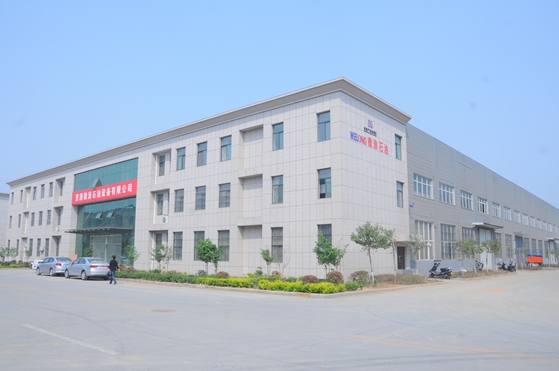
Twenty years of oilfield equipment production experience and rigorous quality control ensure product reliability. Our production facilities are ISO 9001-2015 and API 7-1 certified, displaying international quality management standards. These certifications guarantee that our production procedures produce items that fulfill standards.
Material parameters include high-strength AISI 4145H and 4145H MOD steel grades for mechanical qualities and durability. Non-magnetic solutions are structurally sound and compatible with sophisticated measurement-while-drilling equipment. We offer HF1000–HF5000 grade hardfacing for wear resistance and formation compatibility.
Global Supply Chain Excellence
Logistics services include sea, air, and rail shipments to meet different delivery needs and schedules. Our experience in FOB, CIF, DDP, and DDU gives international procurement strategies flexibility. This complete methodology provides flawless delivery regardless of geography or commercial choice.
Quality assurance includes inspections throughout production, not just manufacture. In-process and final inspections are standard, while SGS and DNV partnerships provide third-party verification. Inspection capabilities enable product conformity with specifications and independent verification for key applications.
Our professional production teams meet project deadlines with reliable delivery schedules. Strategic inventory management and efficient manufacturing allow for prompt delivery without compromising quality. Equipment availability affects drilling efficiency and project economics, thus reliability is crucial.
Conclusion
Wellbore stability depends on sleeve stabilizers' vibration reduction, trajectory management, and formation protection. The selection procedure must evaluate geological conditions, operational requirements, and procurement considerations that affect technical performance and economic efficiency. Modern stabilizer technologies meet industry demands with sophisticated materials, innovative design, and sustainable manufacture. WELONG's stabilizer solutions combine proven manufacturing knowledge with flexible customisation, global distribution networks, and strict quality assurance methods to assure product reliability for demanding drilling applications globally.
FAQ
1. What factors determine the appropriate sleeve stabilizer selection for specific wellbore conditions?
Geological formation characteristics, hole size requirements, drilling fluid compatibility, and operational objectives determine optimal stabilizer selection. Hard, abrasive formations require enhanced hardfacing protection, while soft formations need careful contact pressure management. WELONG's engineering team provides technical consultation to match stabilizer specifications with specific application requirements, ensuring optimal performance and operational efficiency.
2. How do maintenance protocols affect sleeve stabilizer service life and performance reliability?
Regular inspection schedules enable early wear detection and preventive maintenance that extends service life. Proper cleaning procedures remove debris that accelerates wear, while appropriate storage protects surface treatments. WELONG's quality control baseline measurements facilitate accurate wear assessment and replacement interval optimization, maximizing equipment utilization and reducing operational costs.
3. Can sleeve stabilizers be reused across multiple drilling projects, and what factors affect reusability?
Sleeve stabilizers can be reused when wear patterns remain within acceptable limits and structural integrity is maintained. Factors affecting reusability include formation abrasiveness, operational hours, drilling fluid chemistry, and maintenance quality. WELONG's replaceable sleeve design enables diameter restoration through sleeve replacement while retaining the mandrel, optimizing equipment utilization and reducing replacement costs.
Partner with WELONG for Superior Sleeve Stabilizer Manufacturing Excellence
WELONG provides outstanding sleeve stabilizer solutions supported by extensive quality assurance procedures and twenty years of production experience as a leading sleeve stabilizer manufacturer. Critical drilling applications require performance reliability, which our replacement sleeve systems provide while offering operational flexibility. To discuss your unique needs and learn more about our customisation options, get in touch with our technical team at oiltools15@welongpost.com.
References
1. Mitchell, R. F., & Miska, S. Z. (2011). Fundamentals of Drilling Engineering. Society of Petroleum Engineers.
2. Bourgoyne, A. T., Millheim, K. K., Chenevert, M. E., & Young, F. S. (1991). Applied Drilling Engineering. Society of Petroleum Engineers.
3. Gabolde, G., & Nguyen, J. P. (2006). Drilling Data Handbook. Editions Technip.
4. Samuel, R. (2010). Drilling Engineering: A Complete Well Planning Approach. Gulf Professional Publishing.
5. Hossain, M. E., & Al-Majed, A. A. (2015). Fundamentals of Sustainable Drilling Engineering. Scrivener Publishing.
6. Wilson, J. K., & Thompson, A. R. (2019). Advanced Wellbore Stability Analysis in Oil and Gas Operations. Petroleum Technology Press.

Share your inquiry, get the quotation accordingly!
CHINA WELONG - 20+ years manufactuer in oilfield tools