How to Select the Right Roller Reamer for Your Well?
The correct roller reamer affects well performance, operational efficiency, and cost management in drilling. A roller reamer is essential for borehole stability and hole size correction during drilling. These specialist tools maintain hole diameter and wellbore integrity when formation conditions change or drill bits wear under-gauge. This thorough reference covers the essentials for procurement managers, drilling engineers, and contractors seeking trustworthy, cost-effective drilling solutions. Understanding selection criteria, material specifications, and supplier capabilities helps buyers make intelligent purchases that optimise drilling performance and reduce operational costs.

Understanding Roller Reamers and Their Role in Well Drilling
Basic Operating Principles and Mechanical Functions
Basic Operation and Mechanical Functions
Rotating cutters in roller reamers scrape and expand the borehole to specifications. Each roller cutter surrounding the tool body has cutting features designed to engage formation material. These cutters revolve independently while the tool rotates with the drill string to maintain gauge hole diameter throughout drilling.
A key design characteristic for high-pressure downhole operation is the pressure-equalized lubricated bearing system. These bearings keep lubricant in bearing surfaces and prevent drilling mud and formation cuttings from contaminating cutting mechanisms. This design greatly enhances running time and cutting efficiency during extended drilling.
Configuration Types and Formation Applications
Different roller configurations suit formations and drilling goals. In milder forms, single roller reamers cut well, whereas double and triple roller designs cut better in tougher, more abrasive formations. The configuration chosen relies on formation hardness, required cutting aggressiveness, and downhole drilling circumstances.
Formation-specific cutters maximize performance in different geologies. Hard formation cutters can endure abrasion, while soft formation cutters are aggressive for unconsolidated materials. Medium to hard formation cutters operate well in diverse formation conditions found in many drilling applications.
Advantages Over Alternative Reaming Tools
Unlike fixed blade or extendable hole-opening equipment, roller reamers have specific operational advantages. Rolling decreases drill string vibration and shock loads, smoothing drilling and reducing equipment stress. This is useful in directional drilling, where consistent cutting action is needed to preserve wellbore trajectory.
Roller reamers stabilize drill string centralization, reducing deviation and improving hole quality. This dual feature simplifies bottom hole assembly design and reduces tool costs and complexity by eliminating the need for separate stabilizing tools in many applications.
Key Criteria for Selecting the Right Roller Reamer
Formation Analysis and Tool Matching
Effective tool selection starts with formation analysis. Formation hardness, abrasiveness, and stability affect cutter type and tool design. Soft formations require aggressive cutting structures that remove material without clogging, whereas hard formations require robust cutting elements that stay sharp over long drilling intervals.
Another important factor in tool performance and longevity is drilling fluid compatibility. Water-based, oil-based, and synthetic drilling fluids provide different bearing system and cutting element preservation issues. Understand these interactions to avoid tool failure and sustain drilling performance.
Material Specifications and Quality Standards
Premium material selection promotes tool reliability in harsh downhole circumstances. For ordinary drilling, AISI 4145H and 4145H MOD steels have outstanding strength-to-weight ratios, whereas AISI 4330V is tougher for extreme drilling. Special heat treatment improves hardness, toughness, and fatigue resistance in these high-grade alloy steels.
Tool dependability and lifespan depend on quality manufacturing. Precision machining, heat treatment, and quality control provide production-wide performance consistency. ISO 9001:2015 and API 7-1-certified tools meet important drilling industry quality criteria.
Cost-Efficiency and Maintenance Considerations
Total drilling economics must be assessed to balance initial tool costs and operational performance. High-quality tools cost more but last longer and require fewer replacements. Extended drilling programs where tool dependability affects project economics make this economic link crucial.
Maintenance requirements vary greatly by tool design and quality. Serviceable components allow field maintenance, extending tool life, while sealed bearing systems require factory reconditioning but improve reliability. Understanding maintenance characteristics improves tool inventories and operational planning.
Market Overview: Choosing Reliable Suppliers and Brands
Global Manufacturing Landscape
Established vendors in North America, Europe, and Asia provide varied capabilities and specializations in roller reamer manufacture. American manufacturers make premium instruments for difficult drilling settings, whereas Chinese manufacturers offer competitive, cost-effective alternatives for ordinary drilling applications.
Suppliers offer typical catalog goods to fully customized drilling solutions. OEM manufacturers offer the most customisation, whereas distributors offer standard setups for popular drilling applications.
Supplier Evaluation Criteria
Delivery performance is crucial in supplier selection, especially for time-sensitive drilling operations where tool delays can escalate operational expenses. Reliable suppliers have appropriate inventory and track records of on-time delivery. For project flexibility, air freight, ocean transport, and accelerated delivery are available.
Quality certifications and third-party inspections boost product reliability. SGS and DNV inspections show suppliers' adherence to international quality standards, while API certification assures vital drilling instrument conformity with industry norms.
Procurement Strategies and Best Practices
Procurement tactics that match immediate tool needs with long-term drilling programs optimize costs. Bulk purchasing saves money for major drilling operations, while smart inventory levels prevent operational delays without capital expenditure. FOB, CIF, DDP, and DDU shipping terms meet project logistics and budgetary needs.
Price trend analysis optimizes extended drilling program budgeting and purchasing timing. Understanding seasonal variations, raw material pricing fluctuations, and market capacity utilization improves procurement planning and cost management throughout project lifecycles.
Case Studies and Practical Applications
Hard Formation Drilling Success
A big drilling contractor had gauge issues drilling into West Texas' abrasive sandstone. Standard drilling caused quick bit wear and under-gauge circumstances that hampered casing installation. Roller reamers with hard formation cutters and AISI 4330V construction maintained hole gauge during the troublesome period.
This solution improved drilling efficiency by 40% and eliminated dedicated reaming trips that took 12-16 hours per well. Multiple wells showed consistent tool performance, confirming the selection criterion and cutting drilling time and improving hole quality, saving money.
Directional Drilling Applications
North Sea extended reach drilling needed precision wellbore trajectory control and hole gauge in difficult shale strata. Roller reamers strategically placed in the bottom hole assembly stabilized reactive shale hole expansion during drilling.
Compared to alternative stabilization methods, directional control improves with lower torque and drag. Two roller reamers replaced stabilizer tools, simplifying bottom hole assembly design and improving drilling performance in extended lateral sections.
Lessons from Selection Mistakes
Failure to analyze formation or drilling fluid interactions typically leads to selection errors. Using soft formation cutters in surprisingly hard limestone portions caused premature tool failure and lowered drilling efficiency for one operator. Proper geological appraisal and contingency tool selection would have avoided these operational issues.
Another bearing failure was caused by unsuitable drilling fluid selection that affected lubrication system integrity. This showed the need of understanding tool specs and operating restrictions for planning downhole tool drilling fluid programs.
Our Company and Customized Solutions for Roller Reamers
WELONG Manufacturing Excellence
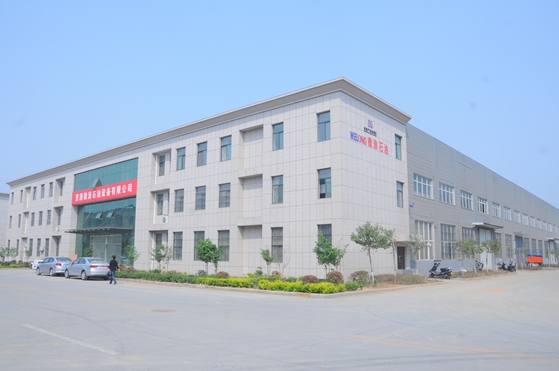
China WELONG has over two decades of oilfield equipment production experience, blending traditional craftsmanship with contemporary quality control. We use sophisticated metallurgy and precision machining to assure product quality across all tool categories. ISO 9001:2015 certifies quality management systems, while API 7-1 certifies drilling equipment to industry standards.
Our production facilities have cutting-edge equipment and qualified personnel who understand drilling tool manufacturing. In-process monitoring and final quality verification are performed on every component before shipment. This complete strategy guarantees instruments satisfy performance criteria and work reliably during tough drilling operations.
Comprehensive Product Range and Customization
WELONG supplies roller reamers in AISI 4145H, 4145H MOD, and 4330V construction to meet drilling needs. We offer soft, medium to hard, and hard formation cutters that optimize performance in all geological situations seen in modern drilling.
Custom setups for distinct drilling challenges are available beyond catalog offers. Our technical staff works directly with customers to understand their needs and provide customized solutions for formation conditions, hole size, and operational constraints. Customer focus enables maximum tool performance and cost-effectiveness for each drilling application.
Global Supply Chain and Support Services
Our international supply chain offers ocean freight, air transport, and multimodal shipping to meet project timeframes and budgets. FOB, CIF, DDP, and DDU trade terms give customers financial freedom and ensure timely delivery to project locations globally.
Inspection services evaluate product specifications before shipment as part of quality assurance beyond manufacture. Through SGS and DNV partnerships, additional services include third-party inspection in addition to in-process monitoring and final verification. Through these agreements, product quality and international standards for key drilling applications are independently verified.
Conclusion
To optimize drilling performance, consider formation conditions, tool specifications, and supplier capabilities when choosing a roller reamer. Understanding the relationship between formation features, cutter design, material selection, and quality standards helps buyers balance performance and cost. Complete formation analysis, operating requirements, and trusted suppliers who deliver on time are essential for tool selection. Proper technical selection criteria and established supplier relationships enable successful drilling operations that achieve project goals and control costs.
FAQ
1. What factors determine roller reamer operational life?
Tool longevity depends primarily on formation abrasiveness, cutting element quality, bearing system design, and drilling parameters. Hard, abrasive formations naturally reduce tool life compared to softer geological conditions, while premium cutting elements and robust bearing systems extend operational intervals. Proper drilling parameter selection including weight on bit, rotary speed, and drilling fluid properties significantly influences tool performance and wear rates.
2. How do I choose between roller reamers and other hole opening tools?
Roller reamers excel in applications requiring simultaneous hole opening and stabilization, particularly in directional drilling where smooth cutting action reduces vibration. Fixed blade reamers may be preferred for aggressive cutting in soft formations, while expandable tools suit applications with significant hole size changes. The decision should consider formation conditions, hole quality requirements, and bottom hole assembly complexity.
3. Can roller reamers be customized for specific geological formations?
Customization options include cutter design optimization, material selection, and bearing system modifications to match specific drilling conditions. Soft formation applications benefit from aggressive cutting structures, while hard formations require durable cutting elements with enhanced wear resistance. Custom solutions can incorporate specialized materials and design features that address unique drilling challenges encountered in specific geological environments.
Partner with WELONG for Superior Roller Reamer Solutions
Your drilling success and operating efficiency are directly impacted by your choice of roller reamer supplier. To provide tools that satisfy your unique drilling needs, WELONG combines two decades of manufacturing experience with extensive customization capabilities. We are the perfect roller reamer manufacturer for difficult drilling applications because of our dedication to quality demonstrated by our ISO 9001:2015 and API 7-1 certification, as well as our flexible delivery options and affordable prices. To discuss your needs and learn how our cutting-edge roller reamer solutions can maximize drilling performance while reducing expenses, get in touch with our technical team at oiltools15@welongpost.com.
References
1. Society of Petroleum Engineers. "Drilling Engineering Handbook: Downhole Tool Selection and Application." Richardson: SPE Publications, 2019.
2. American Petroleum Institute. "API Specification 7-1: Specification for Rotary Drill Stem Elements." Washington: API Publishing, 2020.
3. Baker Hughes. "Drilling Tool Performance in Challenging Formations: A Technical Analysis." Houston: Baker Hughes Technical Publications, 2021.
4. International Association of Drilling Contractors. "Best Practices for Reamer Selection in Extended Reach Drilling." Houston: IADC Press, 2020.
5. Schlumberger. "Formation Evaluation and Tool Selection for Optimal Drilling Performance." Sugar Land: Schlumberger Technical Publications, 2022.
6. World Oil Magazine. "Advanced Drilling Technologies: Roller Reamer Applications and Performance Analysis." Gulf Publishing Company, 2023.

Share your inquiry, get the quotation accordingly!
CHINA WELONG - 20+ years manufactuer in oilfield tools