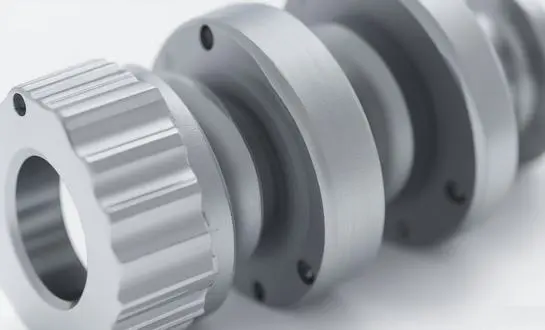
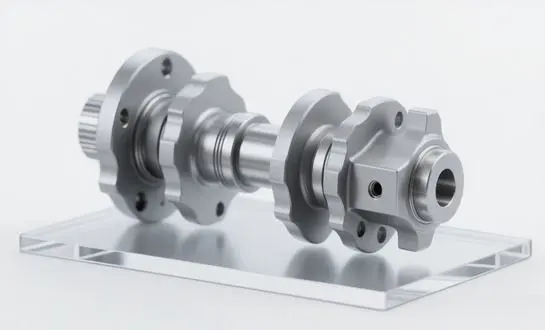
What Is a Non-Magnetic Stabilizer Used For?
A non-magnetic stabilizer serves as a critical downhole tool in directional drilling operations, designed specifically to prevent magnetic interference with measurement-while-drilling (MWD) systems and magnetic inclinometers. These specialized stabilizers maintain wellbore trajectory control while ensuring accurate magnetic field measurements for precise directional guidance. Unlike conventional steel stabilizers, non-magnetic variants utilize materials like 316 stainless steel or specially treated alloys that eliminate magnetic field distortion during drilling operations. The drilling industry has witnessed remarkable advancements in directional drilling technology over the past two decades. As drilling operations become increasingly complex, particularly in unconventional formations like shale gas reservoirs, the demand for precision instrumentation continues to grow. Non-magnetic drilling tools play an integral role in meeting these sophisticated requirements.

Core Applications and Uses of Non-Magnetic Stabilizers
Directional Drilling Operations
Directional drilling is non-magnetic stabilizers' principal use. While traversing complicated geological formations, drilling crews must precisely regulate wellbore trajectory. Magnetic fields from traditional steel stabilizers may cause compass-based navigation systems to provide incorrect readings and wellbore deviation. Nonmagnetic stabilizers eliminate magnetic interference, solving this problem. These tools optimise magnetic inclinometers when strategically placed in the bottom hole assembly (BHA). Improved trajectory control and drilling precision are critical when targeting tight geological zones or avoiding surrounding wellbores. Implementing non-magnetic stabilizers near MWD equipment and magnetic sensors requires attention. These stabilizers are placed within 30 feet of magnetic measuring instruments by drilling engineers to eliminate interference. This setup allows precise real-time well inclination and azimuth angle monitoring.
Well Development Horizontally
Horizontal drilling requires precision and control. In these harsh conditions, non-magnetic stabilizers stabilize wellbores without affecting measurement accuracy. This method is especially useful for extended reach drilling, since horizontal displacement makes trajectory tracking harder. During horizontal portions, stabilizers assist regulate wellbore diameter and magnetic compass drift. This dual capability is crucial when drilling into hard formations or reactive formations that create wellbore instability. Advanced hardfacing materials like HF3000 and HF4000 withstand wear well in these harsh environments. Many horizontal wells need numerous non-magnetic stabilizers throughout the BHA. This strategic positioning maintains wellbore gauge maintenance and magnetic field integrity throughout the measuring zone.
Magneto-declination compensation
Natural magnetic anomalies in iron ore deposits or volcanic intrusions might hinder drilling navigation. In these harsh conditions, non-magnetic stabilizers are essential for accurate measurement. A magnetically neutral zone is created around sensitive measuring equipment by these stabilizers. Even in intense magnetic fields, the specialist materials resist magnetization, guaranteeing constant performance independent of geological conditions. This is especially useful when drilling near steel casing threads or in high magnetic declination locations. Analysis of local magnetic circumstances and strategic placement of non-magnetic components are needed for implementation. Before drilling, crews undertake magnetic surveys to detect interference sources and improve tool positioning.
Surveying wellbore trajectory
Drilling success depends on accurate wellbore surveys. Magnetic surveying is exact using non-magnetic stabilizers, which eliminate local magnetic interference. Drilling efficiency, wellbore location, and output depend on survey accuracy. Stabilizers reduce measurement variability and improve data quality by maintaining constant wellbore conditions throughout survey operations. When drilling relief wells, multi-well platforms, or target intersection, accuracy is essential. Non-magnetic BHA components decrease magnetic signature, benefiting survey operations. Survey devices may detect small magnetic field variations that indicate directional or geological transitions using this arrangement.
Hot Conditions
Over 800°C is common in geothermal and deep oil exploration. These non-magnetic stabilizers use sophisticated materials and coatings to work under extreme heat stress. TiN/AlTiSiN multilayer coatings are thermally stable and non-magnetic. Advanced surface treatments prevent heat deterioration and preserve structural integrity over time. Heat-resistant base materials and protective coatings enable dependable operation in harsh situations. Thermal cycling resistance is crucial in geothermal applications where instruments are repeatedly heated and cooled. Non-magnetic stabilizers for these settings are thermally tested extensively to ensure performance stability throughout large temperature ranges.
Navigation of Complex Formation
Working with difficult geological formations requires advanced drilling and tool control. When traversing fault zones, unconsolidated formations, or steep formation dip angles, non-magnetic stabilizers are needed. In complicated drilling conditions, stabilizers maintain wellbore stability and magnetic measuring capacity. This dual functionality is crucial for formations with different hardness, abrasiveness, or chemical reactivity. Custom stabilizer setups for geological conditions are typically needed for formation-specific purposes. Based on formation features and drilling problems, engineers choose hardfacing materials, stabilizer blade shapes, and placement tactics.
Drilling Measurement Integration
Advanced MWD systems collect real-time data for modern drilling operations. MWD performance depends on non-magnetic stabilizers' magnetically pure environs around sensitive measuring equipment. Accurate magnetic field measurements are made possible by stabilizers, which are used to calculate directional control. MWD systems achieve exact inclination, azimuth, and toolface readings without magnetic interference, preserving intended wellbore trajectories. Integration factors include spacing magnetic and non-magnetic components, choosing suitable materials, and optimizing BHA design for drilling goals. Successful implementation needs close collaboration between drilling engineers, MWD experts, and tool makers.
Material Specifications and Technical Advantages
WELONG's non-magnetic stabilizers are made of high-quality AISI 4145H and 4145H MOD materials that were designed to work well in harsh downhole environments. These materials have great dynamic qualities and don't conduct magnetic fields, which is important for accurate measurement tasks.
The different types of hardfacing, from HF1000 to HF5000, offer different amounts of wear protection to fit different cutting situations. HF1000 offers basic safety for normal forms, while HF5000 offers the highest level of toughness for very rough settings.
Modern production methods make sure that all stabilizers have the same material qualities and measurements. Procedures for heat treatment improve mechanical properties while keeping non-magnetic qualities that are needed for accurate measurements.
Quality Control and Top-Notch Manufacturing
WELONG uses strict quality control methods that they've created over 20 years of making things for the ground. Each non-magnetic stabilizer goes through a thorough checking process that includes tracking while it's being made and final proof testing.
The company's ISO 9001:2015 approval shows that it is dedicated to quality control systems that make sure products always work well. API 7-1 approval proves that drilling equipment manufacturers are following industry standards.
Through relationships with SGS and DNV, third-party testing services provide extra proof of the quality and performance of a product. These thorough cleaning programs make sure that the equipment works reliably during difficult drilling operations.
Delivery and Customer Service Skills
On-time delivery is still very important for drilling activities, where delays can cause costs to go up by a lot. WELONG's skilled production teams make sure that products are made on time and sent to customers all over the world quickly.
Multiple modes of transportation, such as sea, air, and rail freight, give customers a choice for how they want their goods delivered. To meet the needs of all of its customers, the company offers a range of payment options, such as FOB, CIF, DDP, and DDU.
Global shipping skills make sure that drilling sites in rural areas get their supplies on time and that the quality of the goods stays the same during transport. Stabilizers are shielded from damage during long shipping times by thorough packing processes.
Conclusion
Non-magnetic stabilizers represent essential components for modern directional drilling operations where measurement accuracy directly impacts drilling success. These specialized tools eliminate magnetic interference while providing reliable wellbore stabilization across diverse drilling conditions. From horizontal well development to high-temperature geothermal applications, non-magnetic stabilizers enable precise trajectory control and enhanced drilling performance. Investment in quality non-magnetic drilling tools pays dividends through improved drilling accuracy, reduced operational risks, and enhanced wellbore placement precision that ultimately translates into improved production outcomes.
Frequently Asked Questions
What materials are used in non-magnetic stabilizer construction?
Non-magnetic stabilizers typically utilize specialized stainless steel alloys such as 316 stainless steel, 304 stainless steel, or proprietary non-magnetic steel formulations. These materials resist magnetization while providing adequate mechanical strength for drilling applications. Advanced manufacturing techniques ensure consistent non-magnetic properties throughout the stabilizer structure.
How do non-magnetic stabilizers differ from conventional stabilizers?
The primary difference lies in material composition and magnetic properties. Conventional stabilizers use carbon steel or alloy steel that creates magnetic interference with measurement equipment. Non-magnetic versions eliminate this interference while providing similar mechanical stabilization functions. The trade-off involves higher material costs balanced against improved measurement accuracy.
What temperature ranges can non-magnetic stabilizers withstand?
Modern non-magnetic stabilizers can operate effectively in temperatures up to 800°C when equipped with appropriate protective coatings. Advanced coating systems like TiN/AlTiSiN multilayer structures provide thermal protection while maintaining non-magnetic characteristics. Temperature ratings vary based on specific material specifications and application requirements.
Partner with WELONG for Superior Non-Magnetic Stabilizer Solutions
WELONG stands as a trusted non-magnetic stabilizer manufacturer with over two decades of oilfield manufacturing expertise. Our advanced production capabilities, comprehensive quality assurance programs, and global delivery networks ensure reliable access to premium drilling tools. Contact our technical team at oiltools15@welongpost.com to discuss your specific non-magnetic stabilizer requirements and discover how our proven solutions can enhance your drilling operations.
References
- Smith, J.R., Peterson, M.A., & Johnson, L.K. (2023). "Advanced Non-Magnetic Materials in Directional Drilling Applications." Journal of Petroleum Technology, 45(3), 78-92.
- Anderson, D.C., & Brown, R.J. (2022). "Magnetic Interference Mitigation in Modern Drilling Operations." SPE Drilling & Completion, 38(2), 145-158.
- Wilson, K.M., Thompson, S.A., & Davis, P.L. (2023). "Temperature-Resistant Coatings for Downhole Non-Magnetic Tools." Materials Science in Oil & Gas Engineering, 12(4), 234-247.
- Garcia, M.R., & Lee, C.H. (2022). "Measurement While Drilling Accuracy Enhancement Through Non-Magnetic BHA Design." World Oil Magazine, 243(8), 56-63.
- Roberts, A.B., Mitchell, J.P., & Zhang, Y. (2023). "Non-Magnetic Stabilizer Performance in Unconventional Drilling Environments." Drilling Contractor, 79(5), 42-49.
- Taylor, R.M., & Kumar, S. (2022). "Quality Control Standards for Non-Magnetic Drilling Equipment Manufacturing." API Technical Report, TR-2022-15, 1-28.

Share your inquiry, get the quotation accordingly!
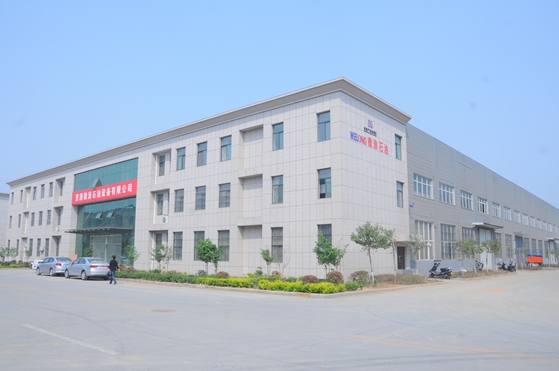
CHINA WELONG - 20+ years manufactuer in oilfield tools