How to Choose the Best Casing Slip for Your Rig
Proper casing slip selection is a vital choice that immediately impacts drilling rig safety, operational performance, and equipment life. A casing slip is one of the most-used instruments in drilling operations. It firmly keeps casing in the rotary table during couplings, pipe handling, and pressure control. Depending on the size of the casing, the depth to be drilled, the rig capacity, and the operating needs, casing slips of various sorts, sizes, and designs are available. Understanding the alternatives available and applying the casing slip to particular rig circumstances provides dependable performance, reduces equipment damage, and aids in efficient well building. This paper provides an overview of evaluating casing slip possibilities and making smart purchases for your drilling operation.
What Features Should Buyers Consider When Selecting a Casing Slip?
Grip Design and Holding Capacity
A casing slip is designed to firmly retain casing without sliding or harming the surface of the pipe. The grip design of today’s casing slips is segmented and has harder teeth or gripping surfaces that are designed to bite into the casing but not cut the pipe wall too deeply. Holding capacity relies on grip design, contact area between casing slip and casing, and the mechanical advantage supplied by slip design. Buyers should assess if the recommended casing slip offers sufficient holding capacity for the maximum casing weight and pressure loads anticipated during the drilling operation. Safety issues, possibility of pricey case drops or damage due to poor grip design or capacity.
Material Quality and Wear Resistance
The casing slip is subjected to high mechanical stress during frequent handling and connecting of pipe. Slip body and gripping surfaces should be of good grade steel with proper hardness and toughness to withstand wear and deformation. Modern casing slips include reinforced wearing surfaces or interchangeable grip inserts which prolong tool life and decrease maintenance needs. Buyers should check the material specifications, heat-treatment techniques and availability of replacement parts. The quality of the material used has a direct bearing on how long a casing slip will keep its effective gripping properties before it has to be replaced or refurbished.
Ease of Installation and Operation
Operators need casing slips that are fast and simple to install and remove, straightforward to use, and need minimum training. Design elements such as smooth bearing surfaces, clear load-path geometry, and easy handles or lifting points have a substantial impact on operating efficiency. A hard-to-set or hard-to-work casing slide is wasted rig time and a possible safety concern. Buyers should examine how easy it is to set the casing slip around the casing, whether any extra equipment or help is necessary, and how fast the crews can change between casing slip sizes when altering the casing diameters.
How to Choose the Right Casing Slip Based on Casing Size and Rig Requirements?
Match Casing Slip Size to Casing Outer Diameter
The primary selection criteria for a casing slip is the slip size relative to the casing outer diameter. A slip that is larger than the diameter of the casing will not grip the pipe well enough. A slip that is too small will not be able to grasp the casing. China Welong produces casing slips in diameters from 6 5/8 inches to 30 inches OD, encompassing the complete range of casing sizes utilized in contemporary drilling. When choosing a casing slip, purchasers need to list all casing sizes to be run in the well and check that suitable casing slips are in stock. Multiple casing slip sizes are needed in many drilling programs to accommodate variable casing strings during well building.
Evaluate Rig Rotary Table Configuration
The casing slip has to be a suitable fit in the rotary table on the rig and should work smoothly, without binding or interfering with parts of the table. Rotary table arrangements vary amongst various rig types, which may have dimensional limits on the casing slip. Buyers should check the casing slip measurements before purchasing and ensure that they are compliant with the rotary table geometry. Center the slip appropriately on the rotating table bowl with enough room to allow crew access and quick removal when connections are complete. Slips that are not compatible with the casing might generate operating challenges and may need costly changes or the use of other equipment.
Consider Maximum Casing Weight Capacity
Variable casing slip designs have variable holding capacity depending on grip design, slip body strength, and contact area with casing. A casing slip must securely withstand the weight of the hanging casing string without sliding. The needed capacity is dependent on casing grade, outer diameter, and weight per foot, and pressure loads delivered during well control procedures. Buyers should give the casing slip provider the casing parameters and expected loads to ensure the chosen casing slip has enough capacity. Never utilize undersized case slips since they pose unacceptable safety concerns, irrespective of cost.
Key Design Factors That Affect Casing Slip Grip and Performance
Segmented Slip Configuration and Contact Geometry
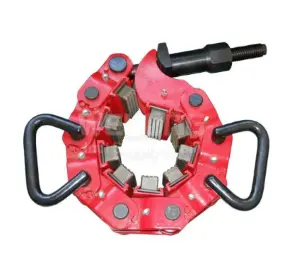
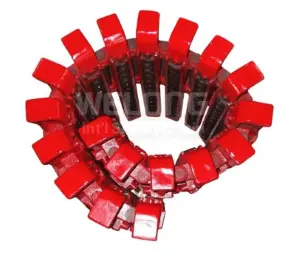
Modern casing slip designs typically feature segmented construction with multiple grip segments that contact the casing surface. This segmentation improves grip uniformity and distributes holding forces more evenly around the casing circumference. The contact geometry between the casing slip segments and the casing surface directly influences how effectively the slip holds the pipe. A well-designed casing slip features geometry that maximizes holding efficiency while minimizing pipe surface damage. Buyers should evaluate the contact surface design and understand how the slip geometry optimizes grip for the intended casing diameter range.
Bearing and Pivot Design for Smooth Operation
A casing slip that operates smoothly with minimal friction reduces crew effort and rig time. The bearing design, pivot points, and lubrication arrangements all influence operational smoothness. Well-designed casing slips feature precision bearings and smooth pivot movements that allow crews to set and remove slips quickly. Poor bearing design creates stiff operation requiring excessive crew force to set or remove the slip. Buyers should assess bearing quality and understand the lubrication maintenance required to keep the casing slip operating smoothly throughout its service life.
Taper and Lifting Surface Design
The casing slip must provide stable support when lifted and lowered, and must position properly within the rotary table without tilting or binding. The taper design and lifting surface geometry influence how the slip engages with the rotary table bowl and how crews can control the slip during installation. A well-designed casing slip features tapered surfaces that guide the slip smoothly into position and lifting surfaces that distribute load evenly. Design features that promote stable engagement reduce the likelihood of slip misalignment and improve crew safety during slip handling.
Different Types of Casing Slips for Various Drilling Applications
Standard Rotary Slip for Conventional Drilling
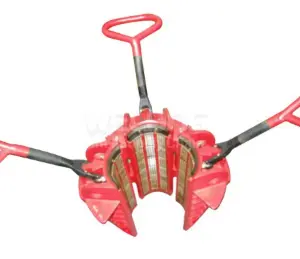
The standard rotary casing slip is the most commonly used design, featuring segmented grips and a simple taper design that fits within most rig rotary tables. This versatile casing slip type is suitable for conventional vertical well drilling and many deviated wells. Rotary casing slips are available in multiple sizes to match the range of casing diameters used in a typical well program. The simplicity and proven reliability of rotary casing slips make them the first choice for most drilling applications.
Pneumatic Slip for Automated and Remote Operations
Pneumatic casing slips (size range 4 1/2 to 9 7/8 inches) enable automated casing handling with air-actuated gripping, reducing crew effort and supporting safer remote operations. These slips are particularly valuable on modern automated drilling rigs and when handling heavy casing in confined spaces. The pneumatic actuation allows crews to set and release the slip without manual force, improving operational safety and reducing fatigue. Pneumatic casing slips command higher initial cost but offer significant operational advantages in automated drilling environments.
Safety Clamps for Specialized Pipe Handling
Specialized casing slips such as safety clamps are designed for handling flush-joint pipe and drill collars where conventional slip designs may not function effectively. These clamps provide secure holding for specialized pipe connections that standard casing slips cannot accommodate. Safety clamps are essential when drilling programs include flush-joint casing or other non-standard connection types. Buyers should confirm whether their well program requires specialized handling equipment and ensure appropriate casing slips are available.
Type-Specific Designs for Different Grip Requirements
Different casing slip types (MP, WA-T, WA-C) are optimized for specific grip requirements and operational scenarios. Type MP slips provide reliable gripping for standard applications, while WA-T and WA-C designs offer specialized grip characteristics for particular casing weights or diameters. Understanding the differences between casing slip types helps buyers select designs most appropriate for their specific drilling program. Suppliers should be able to explain the advantages of different types and recommend the best choice based on casing specifications and operational requirements.
How Does Casing Slip Quality Influence Long-Term Rig Operation Efficiency?
Impact on Casing Damage and Pipe Integrity
A quality casing slip with good gripping surfaces and design prevents damage to casing pipe while handling and during making up connections. Poor quality slips that slide or damage pipe result in costly pipe repairs, wasted time, and even well-integrity concerns. Quality casing slips that safeguard pipe integrity are a good investment, with big dividends in decreased maintenance costs and better well construction economics over time. “Casing slip quality should be seen as an investment in savings, not as a procurement expense,” according to rig management.
Operational Efficiency and Crew Safety
Reliable casing slips that move smoothly without binding or sliding increase crew efficiency and save non-productive time. A properly constructed casing slip that can be placed and removed rapidly by crews lowers connection time and helps to enable speedier well building. Dependable casing slips also increase crew confidence and decrease the safety concerns of sliding pipes or insufficient casing support. Higher quality casing slips lead directly to operational efficiencies, affecting project schedule and budget control.
Long-Term Cost of Ownership and Maintenance
Quality casing slips have a higher initial purchase price, but their better wear resistance and durability mean lower long-term maintenance expenses and longer service life. When a casing slip needs refurbishing or replacement, the expenses of upkeep may add up, and it gets more costly over time. Buyers should consider the overall cost of ownership while choosing casing slips, not just the price tag of the first purchase. Buy excellent casing slips from manufacturers like China We are ISO 9001:2015 certified and have established quality standards; thus, Welong provides more long-term value than cheaper competitors with a shorter service life.
Standardization and Rig Fleet Consistency
Buying casing slips from the same suppliers helps standardize throughout the rig fleet and increases staff knowledge of the equipment. Crews who are familiar with certain casing slip designs and operational features perform better and make fewer mistakes. Standardization also decreases spare parts inventory management and training needs when staff move from rig to rig. Rig operators benefit from having partnerships with reputable casing slip suppliers that can provide high-quality equipment on many orders and projects consistently.
Conclusion
Choosing the appropriate casing slip is a balancing act between casing sizes, rig arrangement, grip capacity, material quality, and operating needs. Fundamental concerns include matching the casing slip to certain casing diameters and providing proper holding capacity. A rugged casing slip with smooth operation and a secure grip design maintains casing integrity, increases crew productivity, and supports the economics of long-term rig operation. Suppliers such as China Welong offer a variety of different casing slips for different types of drilling, with consistent quality standards and timely technical assistance.
FAQ
1. What is the correct way to select a casing slip size for my rig?
A casing slip must be sized to match the outer diameter of the casing being handled. China Welong manufactures casing slips ranging from 6 5/8 inches to 30 inches OD to cover all standard casing sizes. Provide your casing OD specifications to the supplier to ensure the correct casing slip size is selected.
2. Can a single casing slip be used for multiple casing sizes?
No. A casing slip is designed for a specific casing outer diameter range and cannot safely hold casing of significantly different sizes. Most drilling programs require multiple casing slip sizes to accommodate different casing strings. Attempting to use incorrectly sized casing slips creates serious safety risks.
3. How often should casing slips be replaced or refurbished?
A quality casing slip with proper maintenance can provide years of reliable service. However, inspection should occur regularly to check for wear to gripping surfaces, bearing damage, or structural issues. Worn grip surfaces can be refurbished or replaced to extend casing slip life. The specific maintenance interval depends on usage frequency and operating conditions.
Equip Your Rig With Reliable Casing Slips From WELONG
Maximize casing handling efficiency and protect your drilling investment with premium casing slips from China Welong. Our casing slips are engineered for reliability, featuring segmented grip designs, durable materials, and smooth operation across the full range of casing sizes from 6 5/8 inches to 30 inches OD. We offer rotary slips for conventional drilling, pneumatic slips for automated operations, and specialized safety clamps for unique applications. With over twenty years of oilfield equipment manufacturing experience and ISO 9001:2015 and API 7-1 certifications, WELONG delivers casing slips that meet stringent quality standards. Our strict quality control processes ensure consistent performance and long-term durability. We provide flexible global delivery by sea, air, or rail using FOB, CIF, DDP, or DDU terms, with in-process and final inspection services available. Contact WELONG at [email protected] to discuss your casing slip requirements, request technical specifications, or order equipment for your drilling program.
References
1. American Petroleum Institute. Specification for Drill Stem Elements, API Specification 7-1.
2. Bourgoyne, A. T., Millheim, K. K., Chenevert, M. E., and Young, F. S. Applied Drilling Engineering.
3. Rehm, B., Williams, H. B., McClendon, R. T., and Greene, B. K. Managed Pressure Drilling: Recent Experience, Potential Efficiency Gains, and Future Opportunities.
4. Energy Institute. Guidelines for the Provision of Facilities on Offshore Installations.
5. International Organization for Standardization. ISO 9001:2015 Quality Management Systems—Requirements.
6. Mitchell, R. F., and Miska, S. Z. Fundamentals of Drilling Engineering.
Share your inquiry, get the quotation accordingly!
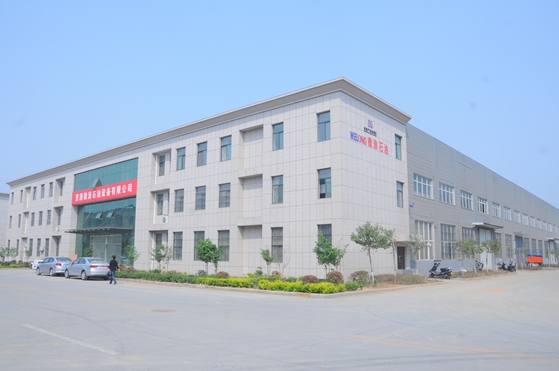
CHINA WELONG - 20+ years manufactuer in oilfield tools