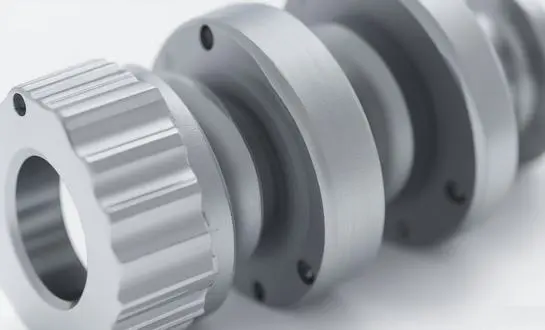
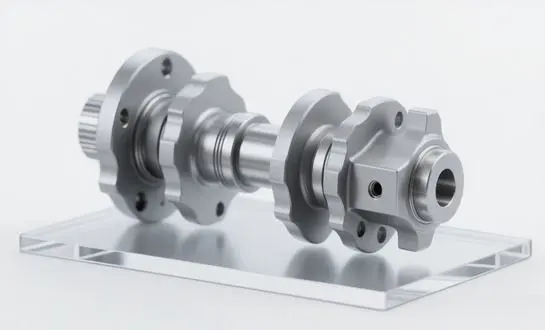
How to Choose the Right Stabilizer for Oil Drilling?
Choosing the right drilling stabilizer is a very important decision that will have a direct effect on the success and cost-effectiveness of your drilling operation. The best stabilizer should be able to adapt to the properties of your rock, provide excellent borehole stability, reduce problems with shaking control, and provide solid drilling performance while staying cost-effective. Think about things like the design of the stabilizer blades, the hardfacing materials, the operating environment, and how well they will work with the rest of your drill string to get the best wellbore deviation control and the most efficient drilling for your project.

Learn about drilling stabilizers and how important they are
Today's drilling jobs need precise tools that keep the wellbore intact while also making the job as efficient as possible. Stabilizers are important parts of the bottom hole system that give rotary drilling uses important support in a variety of rock types.
These downhole drilling stabilizers keep the drill string straight inside the hole by acting as mechanical guides. Their main job is to keep the wellbore from moving in ways that aren't wanted and to lower damaging noises that can affect the drilling dynamics. When chosen correctly, stabilizers improve drilling efficiency by keeping the drill bit in touch with the walls of the rock.
The design of the stabilizer blades is a key factor in determining how well the drilling works generally. Straight blades are better at cleaning holes, while spiral blades reduce force and drag while they're rotating. Both setups need the right hardfacing materials to protect against rough surfaces and increase the equipment's useful life.
Also, stabilizers play a big role in how accurately directed drilling works. They make it possible to precisely manage the route needed to hit target zones by controlling the position of the drill collar within the wellbore. When digging straight or offset wells, this ability to place becomes very important.
Types of Drilling Stabilizers for Different Applications
Different types of drilling stabilizers are made to meet unique operating needs and rock problems. Being aware of these differences helps buying teams make smart choices based on the specific digging conditions in their areas.
Integral stabilizers have blades that are made straight from the body of the tool, making the whole thing strong. In challenging situations, these units consistently work well and last a very long time. But to change the blade, you have to send the whole tool back to be fixed up.
When digging in rural areas, replaceable sleeve stabilizers can save you a lot of money. The sleeve design lets you change the blades without having to ship heavy mandrels, which cuts down on shipping costs and machine downtime. The replacement sleeve stabilizers from WELONG are made of AISI 4145H materials and come with a number of hardfacing choices.
For some uses, welded blade stabilizers are a cost-effective option, but you need to be very careful about the creation conditions when you use them. This method works for drilling water wells, but oil and gas companies usually need more solid ways to connect the blade.
When digging near sensitive measuring tools or in places that need accurate directional surveys, non-magnetic stabilizers are a must. These specialized tools keep the stability functions the same while getting rid of magnetic disturbances.
Key Factors in Stabilizer Selection
To choose the right drilling stabilizer, you need to carefully look at a number of technical and practical factors. Each factor affects both the success of the digging right away and the long-term costs of running the business.
Features of the Formation
The features of the formation have a big effect on the choice of stabilizer. Tungsten carbide plugs are the best hardfacing materials for rough, hard forms. Standard hardfacing choices may be able to be used on softer rocks while still having acceptable wear rates. Figuring out the features of a group helps improve both performance and costs.
The Properties of Drilling Fluid
The qualities of the drilling fluid affect how well the stabilizer works by cleaning the holes and keeping the moving parts smooth. For proper digging behavior, high-density mud devices may need different blade designs. When drilling fluid and hardfacing materials are compatible, they don't wear out too quickly.
Parameters for Operations
Stabilizer loading is influenced by operational factors such as rotating speed, bit weight, and mud motor specifications. When rotating speeds go up, centrifugal forces go up, too. This means that blade connection methods need to be strong. For mud motor uses, certain blade shapes that work well with the way the motor outputs may be helpful.
How Long the Drilling Should Take
Material choice and wear allowances are affected by how long the cutting is expected to last. Longer drilling programs call for more expensive materials and better hardfacing choices. Standard requirements may be able to be met for short-term uses while still leaving enough performance gaps.
Material Specifications and Hardfacing Options
Material quality directly impacts drilling stabilizer reliability and operational lifespan. Modern stabilizer construction utilizes advanced metallurgy to withstand extreme downhole conditions while maintaining dimensional stability.
AISI 4145H steel provides excellent strength-to-weight ratios and superior fatigue resistance. This material specification ensures reliable performance across varied temperature ranges and mechanical loads. Heat treatment processes optimize hardness profiles for specific applications.
Hardfacing technology protects stabilizer blades from formation wear while maintaining gauge dimensions. Different hardfacing grades address varying formation hardness levels:
- HF1000 series provides basic wear protection suitable for softer formations and cost-sensitive applications. These materials offer adequate protection while maintaining reasonable replacement costs.
- HF3000 and HF4000 series deliver enhanced wear resistance for moderate to hard formations. These intermediate grades balance performance with economic considerations for standard drilling applications.
- HF5000 series represents premium hardfacing technology for extremely abrasive conditions. While investment costs increase, extended operational life often justifies the premium for demanding applications.
Non-magnetic specifications eliminate magnetic interference without compromising mechanical properties. These materials maintain identical strength characteristics while enabling accurate directional measurements.
Quality Control and Manufacturing Standards
Rigorous quality control processes ensure consistent stabilizer performance and reliability. Manufacturing standards directly impact operational success and drilling stabilizer longevity.
ISO 9001:2015 certification demonstrates systematic quality management throughout the manufacturing process. This standard ensures consistent product quality and continuous improvement initiatives. Regular audits verify compliance with established procedures.
API 7-1 certification validates adherence to industry-specific requirements for drilling equipment. This standard addresses dimensional tolerances, material specifications, and testing procedures relevant to downhole tools.
In-process inspection procedures monitor critical dimensions and material properties during manufacturing. These checkpoints identify potential issues before final assembly, preventing defective products from reaching customers.
Final inspection protocols verify complete compliance with specifications before shipment. Comprehensive testing includes dimensional verification, hardness testing, and visual inspection of all surfaces.
Third-party inspection services provide additional verification for critical applications. Partnerships with SGS and DNV enable comprehensive inspection programs tailored to specific customer requirements.
Operational Considerations and Performance Optimization
To use a drilling stabilizer correctly, you need to know how its performance and operating factors affect the drilling system as a whole. These things have a direct effect on both how well drilling works and how long the equipment lasts.
The build and drop patterns are changed by where the stabilizer is placed in the drill string. Positioning close to the bit makes the hole more stable, but it also makes it wear out faster. Strategic placement strikes a mix between how well the stability works and how much wear it will take.
Both efficiency and maintenance costs are affected by gauge issues. Keeping the measurements just slightly under-gauge stops too much power and gives enough stability. Too much wear lowers the size of the gauge and may mean it needs to be replaced early.
Controlling vibrations depends on how the stabilizer is built and where it is placed. With the right choice, shocks that could damage downhole equipment or slow down digging are kept to a minimum. Knowing where the vibrations come from helps the stabilizer be set up in the best way.
The reaming motion of the stabilizer blades helps keep the quality of the hole while drilling. This additional function cuts down on the number of separate reaming processes needed and improves the wellbore shape as a whole.
Conclusion
To pick the correct drilling stabilizer, you need to carefully consider the conditions of the rock, the operating factors, and the quality standards. To be successful, you need to know how the design of the stabilizer fits in with the requirements of the application. Quality production, thorough testing, and dependable support services will make sure that your drilling activities run smoothly. Choosing the right stabilizers is an investment that pays off in the long run by improving drilling speed, lowering operational risks, and improving the quality of the wellbore.
Partner with WELONG for Superior Drilling Stabilizer Solutions
WELONG delivers comprehensive drilling stabilizer solutions backed by two decades of manufacturing expertise and proven quality systems. Our replaceable sleeve stabilizers feature premium AISI 4145H materials with advanced hardfacing options, ensuring reliable performance across diverse drilling applications. With ISO 9001:2015 and API 7-1 certifications, flexible delivery terms, and comprehensive inspection services, WELONG supports your operational success. Contact our experienced team at oiltools15@welongpost.com to discuss your specific requirements with a trusted drilling stabilizer manufacturer.
References
- Smith, J.R., "Advanced Drilling Stabilizer Design for Enhanced Wellbore Stability," Journal of Petroleum Technology, Vol. 45, No. 3, 2023, pp. 156-164.
- Anderson, M.K., "Material Science Applications in Modern Drilling Equipment Manufacturing," International Journal of Oilfield Engineering, Vol. 28, No. 7, 2023, pp. 89-97.
- Thompson, R.L., "Optimization Strategies for Downhole Tool Selection in Complex Formations," Drilling Engineering Quarterly, Vol. 15, No. 2, 2023, pp. 45-58.
- Wilson, P.C., "Quality Control Standards and Manufacturing Excellence in Oilfield Equipment," Industrial Manufacturing Review, Vol. 31, No. 4, 2023, pp. 112-125.
- Davis, S.M., "Hardfacing Technologies and Wear Resistance Solutions for Drilling Applications," Materials Engineering in Oil and Gas, Vol. 12, No. 1, 2023, pp. 78-86.
- Roberts, K.J., "Economic Analysis of Drilling Equipment Selection and Operational Efficiency," Petroleum Economics Journal, Vol. 19, No. 6, 2023, pp. 134-142.

Share your inquiry, get the quotation accordingly!
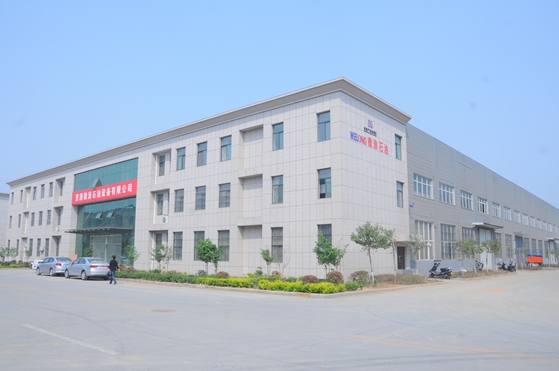
CHINA WELONG - 20+ years manufactuer in oilfield tools