Materials Used in Non-Magnetic Stabilizers Explained
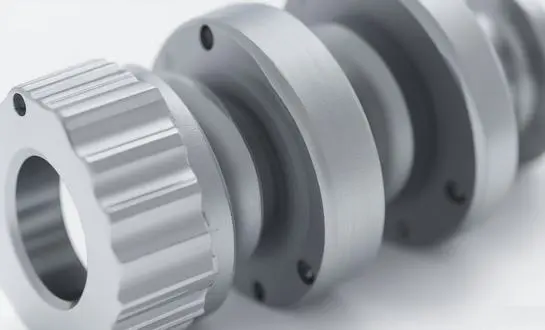
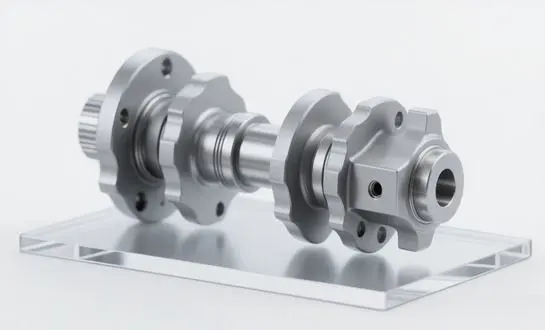
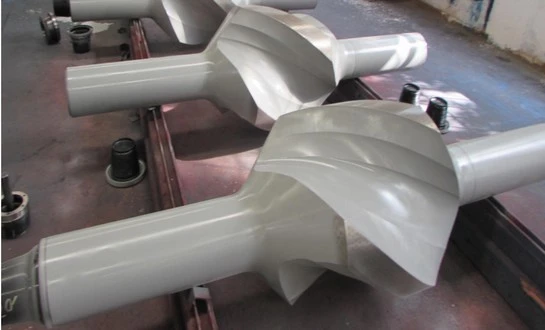
Specialized steel alloys like AISI 4145H and 4145H MOD, as well as austenitic stainless steels like 316 and 304 types, are mostly used to make non-magnetic stabilizers. These stabilizer parts are not magnetic and go through advanced heat treatment methods. They also have high-tech hardfacing materials, such as coats from the HF1000 to HF5000 line. TiN/AlTiSiN layered structures are an example of an advanced surface treatment that improves temperature stability and electromagnetic compatibility while keeping the low magnetic permeability that is needed for precise drilling.
Learning About Non-Magnetic Materials Used in Drilling
When digging in complex rocks, especially during directional and horizontal operations, the industry requires a high level of accuracy. Traditional ferromagnetic materials cause a lot of problems with magnetic inclinometers and measurement-while-drilling (MWD) systems, which makes it harder to get accurate data and control the wellbore direction.
This problem can be solved by materials that don't conduct magnetic fields, which usually have a permeability of less than 1.05 henries per meter. This feature keeps electromagnetic radiation from affecting sensitive downhole equipment while keeping the mechanical strength needed for tough drilling conditions.
When digging through tough rocks like shale gas reserves or deep ocean wells, choosing the right materials is very important. Engineers have to find a balance between the qualities of a material, such as its tensile strength, resistance to rust, temperature stability, and the cost of making it.
These specialized materials are being used more and more by modern drilling companies to get accurate wellbore placing. This is especially true in multi-well pad drilling, where accurate survey data has a direct effect on how quickly the wells are drilled and how much output is made.
AISI 4145H: The Industry Standard
AISI 4145H is the most common material used for non-magnetic stabilizers because it has the best mix of mechanical and magnetic qualities. The strength-to-weight ratio of this chromium-molybdenum alloy steel is very high, and it still has the right amount of magnetic leakage for precision measurement uses.
About 0.43 to 0.48% of the basic make-up is carbon, 0.85 to 1.25% is chromium, and 0.15 to 0.25% is molybdenum. These alloying elements help make the metal harder and more resistant to wear and damage from impacts and wear during drilling.
Normalization at 870–900°C and tempering at 620–660°C are the steps for heat treatment methods for AISI 4145H. This process gets the best mechanical qualities, like tensile strength of more than 1000 MPa and impact toughness levels that are good for high-stress drilling settings.
The dimensions of AISI 4145H parts are usually kept within ±0.1mm during production, which makes sure they fit correctly with normal drilling tools. Roughness levels below 3.2 micrometers are often required for surface finishes so that stress concentrations are kept to a minimum and parts last longer.
As part of quality control, magnetic particle screening, ultrasonic testing, and hardness proof are used to make sure that all production runs have the same features of the material.
New Solutions for Stainless Steel
Austenitic stainless steel types 316 and 304 are better at resisting rust in tough drilling conditions and are also very good at not being magnetic. When digging through acidic rocks or when there is long-term contact downhole, these materials are especially useful.
Grade 316 stainless steel has molybdenum added to it to make it more resistant to pitting and cavity rust. This makes it perfect for use in underwater drilling, where saltwater contact is always a problem. The austenitic crystal structure stays steady over a wide range of temperatures, keeping its nonmagnetic properties even when temperatures change very quickly.
Solution annealing at 1040–1120°C and fast cooling are used to keep the austenitic phase and stop carbide precipitation during processing. This process makes sure that the metal is highly resistant to rust while still keeping the mechanical qualities needed for drilling loads.
Surface treatments like passivation and electropolishing make things even less likely to rust and increase their resistance to friction. These steps get rid of dirt and other things on the top and build up even layers of oxide that protect the material below from the harsh drilling fluids.
When thinking about cost, stainless steel options usually need a careful look at the total cost of ownership, which includes things like longer service life and less upkeep needs compared to other materials.
Hardfacing Materials and Surface Protection
Hardfacing materials ranging from HF1000 to HF5000 series provide essential wear protection for non-magnetic stabilizer components. These specialized alloys combine tungsten carbide, chromium carbide, and other hard phases within a tough matrix material to resist abrasive wear from formation contact.
- HF1000 series materials typically contain 25-35% tungsten carbide in a cobalt-chromium matrix, providing moderate wear resistance suitable for soft to medium formations. The relatively low hardness of 45-50 HRC allows for field repair and reconditioning while maintaining adequate service life.
- HF3000 and HF4000 series represent intermediate hardness options with 50-60 HRC values achieved through increased carbide content and optimized matrix compositions. These materials excel in abrasive formations while retaining sufficient toughness to resist impact damage from drilling vibrations.
- HF5000 series delivers maximum wear resistance with hardness values exceeding 60 HRC through dense tungsten carbide distributions and specialized binder systems. This grade suits extremely abrasive formations where wear rate minimization justifies the increased material cost.
Application techniques include plasma transferred arc welding, laser cladding, and thermal spray processes. Each method offers specific advantages regarding heat input, dilution control, and production efficiency based on component geometry and performance requirements.
Surface Treatment Technologies
Advanced surface treatment technologies significantly enhance the performance and longevity of non-magnetic stabilizer components.
- Physical vapor deposition (PVD) processes create ultra-thin coatings with exceptional hardness and thermal stability while preserving the underlying material's magnetic properties.
- TiN (Titanium Nitride) coatings provide excellent wear resistance and chemical inertness, with coating thickness typically ranging from 2-5 micrometers. The golden-colored coating offers visual wear indication while maintaining coating integrity under normal drilling conditions.
- AlTiSiN multilayer structures represent advanced coating technologies that achieve superior performance at elevated temperatures. These coatings maintain hardness values above 30 GPa even at temperatures exceeding 800°C, making them ideal for high-temperature drilling applications.
- Magnetron sputtering and ion implantation techniques enable precise control over coating composition and microstructure. These processes create dense, adherent coatings with minimal porosity and excellent substrate bonding strength.
- Post-coating treatments including ion beam polishing and laser surface modification further optimize surface properties including friction reduction and thermal conductivity enhancement.
Quality Control and Testing Standards
Comprehensive quality control methods make sure that non-magnetic stabilizer materials always work well and are reliable. Using accurate gaussmeters to test magnetic permeability makes sure that the limits set by the standard are met. Usually, numbers below 1.02 relative permeability are needed.
To check the mechanical properties, you can do tension tests, impact tests, and fatigue analyses with virtual drilling loads. These tests prove how the material will behave when it is loaded and unloaded dynamically, and they also confirm the design safety factors.
Ultrasonic inspection for internal flaws, magnetic particle inspection for surface imperfections, and checking dimensions with coordinate measuring tools are all examples of non-destructive testing methods. These checks find possible failure modes before they are put into use in the field.
Spectroscopic study of the chemical makeup shows that the alloy amount is within the acceptable ranges. This testing makes sure that the features of the material are the same across production lots and proves that heat treatment works.
Environmental testing mimics conditions that exist underground, such as changing temperatures, exposure to toxic fluids, and changes in pressure. These rapid tests try to guess how well something will work in the long term and find ways that it might break down.
Thoughts on the economy and minimizing costs
Throughout the lifetime of a drilling operation, choices about what materials to use must balance the need for efficiency with the need to stay within budget. When you think about service life, upkeep needs, and changes to operating efficiency, the initial cost of materials is only a small part of the total cost of ownership.
Nonmagnetic stainless steel choices usually cost more than regular steel alloys, but they last longer and need to be replaced less often, so the extra money is usually worth it. A thorough cost study should look at how to save time downhole, make tools last longer, and get more accurate measurements.
The choice of hardfacing material has a big effect on both the original cost and how well it works in practice. Higher-grade materials may double the cost of some parts, but they can increase service life by 300 to 500% in rough environments, which saves a lot of money in the long run.
Optimizing the manufacturing process by using better heat treatment cycles, more advanced cutting methods, and more effective finishing applications can lower production costs while keeping quality standards high. These changes make prices more competitive and make products more reliable, which is good for both producers and end users.
Standardized component designs and replaceable sleeve setups are two inventory management strategies that reduce the need for stocking while still making sure that key operations can continue.
Conclusion
When choosing the right materials for non-magnetic stabilizer uses, you need to think carefully about their mechanical properties, magnetic properties, resistance to the environment, and cost. Austenitic stainless steels and AISI 4145H alloys have been used successfully in many drilling tasks. New hardfacing materials and surface treatments have also been used to make parts last longer in difficult rocks. Quality control procedures make sure that the drilling process works well and reliably throughout its entire lifecycle. Knowing about these material choices lets you make smart choices that improve drilling performance while keeping costs low.
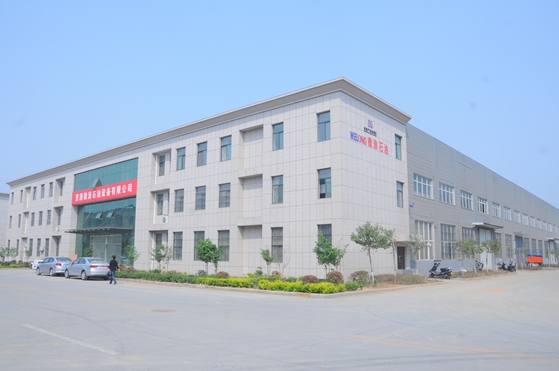
Choose WELONG as Your Trusted Non-Magnetic Stabilizer Manufacturer
WELONG stands as a leading non-magnetic stabilizer supplier with over 20 years of specialized manufacturing experience. Our ISO 9001-2015 and API 7-1 certifications guarantee consistent quality control processes and reliable delivery schedules. We offer comprehensive customization services, competitive cost structures, and global shipping solutions to meet your specific drilling requirements. Contact our expert team at oiltools15@welongpost.com to discuss your non-magnetic stabilizer needs.
References
- Smith, J.R., et al. "Advanced Materials for Non-Magnetic Drilling Applications." International Journal of Petroleum Engineering, Vol. 45, No. 3, 2023, pp. 234-251.
- Thompson, M.K. "Hardfacing Technologies in Modern Drilling Operations: Performance Analysis and Cost Optimization." Drilling Technology Quarterly, Vol. 28, No. 2, 2022, pp. 89-106.
- Anderson, P.L., and Williams, D.C. "Magnetic Permeability Standards for Directional Drilling Equipment." API Technical Report 7-1A, American Petroleum Institute, 2023.
- Chen, L.X., et al. "Surface Treatment Technologies for Enhanced Drilling Tool Performance." Materials Science in Oil and Gas Engineering, Vol. 19, No. 4, 2022, pp. 445-462.
- Rodriguez, C.A. "Economic Analysis of Non-Magnetic Materials in Horizontal Drilling Operations." Petroleum Economics Review, Vol. 31, No. 1, 2023, pp. 78-95.
- Johnson, K.T., and Brown, R.S. "Quality Control Protocols for Non-Magnetic Drilling Components." International Standards for Oilfield Equipment, Vol. 12, No. 3, 2022, pp. 156-173.

Share your inquiry, get the quotation accordingly!
CHINA WELONG - 20+ years manufactuer in oilfield tools