How to Import Drilling Stabilizers from China?
Finding reliable Chinese producers, confirming certificates, assessing product specs, and communicating clearly are key to buying high-quality drilling stabilizers. It needs rigorous evaluation of technological requirements, quality standards, and delivery capabilities. Chinese manufacturers like WELONG provide complete solutions with stringent quality control, many shipping choices, and low pricing that match international oil and gas industry requirements. China is a leading drilling stabilizer provider in a growing worldwide industry. These essential downhole instruments stabilize boreholes, minimize vibrations, and optimize drilling in varied geological formations. Drilling contractors and equipment makers may find dependable, cost-effective solutions while preserving operational excellence by understanding procurement.

Why Source Drilling Stabilizers from China?
Manufacturing Excellence and Scale
China's drilling stabilizer manufacturing sector demonstrates remarkable capabilities through advanced production facilities and extensive quality management systems. Leading manufacturers maintain ISO 9001:2015 and API 7-1 certifications, ensuring compliance with international standards. The country's manufacturing infrastructure supports large-scale production while maintaining consistent quality across different product specifications.
Chinese manufacturers invest heavily in research and development, incorporating advanced materials like AISI 4145H and non-magnetic alloys. These materials enhance drilling stabilizer performance in challenging downhole environments. The integration of modern hardfacing technologies, including HF1000 through HF5000 grades, provides superior wear resistance and extended operational life.
Cost Optimization and Value Engineering
The competitive pricing structure in China stems from efficient supply chains, abundant raw materials, and optimized manufacturing processes. Companies achieve cost reductions without compromising quality through economies of scale and strategic vendor relationships. This cost advantage translates to significant savings for international buyers while maintaining technical specifications.
Value engineering approaches allow customization of drilling stabilizer designs based on specific operational requirements. Manufacturers adapt blade configurations, hardfacing options, and dimensional specifications to optimize performance for particular drilling conditions. This flexibility ensures optimal value for each application.
Technological Innovation and Customization
Chinese drilling stabilizer manufacturers embrace technological advancement through continuous improvement initiatives. Advanced machining capabilities enable precise dimensional control and surface finishing requirements. Computer-controlled manufacturing processes ensure repeatability and consistency across production batches.
Customization capabilities extend beyond standard specifications to address unique operational challenges. Replaceable sleeve stabilizer designs offer economic advantages when repair facilities are unavailable or transportation costs are prohibitive. This adaptability makes Chinese suppliers valuable partners for global operations.
Technical Specifications and Quality Standards
Material Requirements and Performance Characteristics
Material and heat treatment greatly affect drilling stabilizer performance. AISI 4145H is the industry standard for mandrel construction, offering high strength-to-weight and fatigue resistance. Improved 4145H formulations perform better in harsh downhole circumstances. Non-magnetic materials are needed when drilling near magnetic survey devices or to reduce magnetic interference. These specific alloys retain mechanical qualities without magnetic field disturbances that might compromise directional drilling.
Hardfacing and Wear Resistance
Operating expenses and drilling stabilizer lifespan depend on hardfacing choice. In harsh conditions, HF5000 provides optimum wear protection, while HF1000 protects delicate formations. Formation features assist choose hardfacing grades for applications. The application procedure and hardfacing thickness effect performance and cost. Even wear patterns and gauge dimensions are maintained during drilling with proper hardfacing distribution. Quality manufacturers describe hardfacing characteristics and application.
Dimensional Precision and Tolerance
Precise dimensional control assures bottom hole assembly fit and clearances. For desired build or drop tendencies, stabilizer gauge must be properly regulated. Manufacturing tolerances impact safety and performance. Thread parameters must be carefully considered to match drill string components. API thread standards are interchangeable, although custom connections may improve performance. Verifying thread size and surface polish eliminates expensive field failures.
Import Process and Trade Terms
Understanding International Trade Terms
FOB (Free on Board) arrangements require the customer to pay for overseas shipping and insurance after items are loaded. This method controls costs but needs international logistical knowledge. Customs clearance and shipping are buyer responsibility.
CIF (Cost, Insurance, and Freight) agreements include seller-insured delivery to the target port. This streamlines logistics for purchasers but may increase expenses. The vendor is responsible until items reach the port.
DDP (Delivered Duty Paid) provides complete door-to-door service with all duties and taxes included in the purchase price. This setup is convenient but expensive. Delivery to the agreed destination transfers risk.
Required Documentation and Compliance
Customs requires correct product descriptions, quantities, and values on commercial invoices. Customs personnel categorize products and set duty rates using detailed criteria. Customs clearance delays and fees are avoided with accurate paperwork. Packing lists outline shipment items and wrapping. Inventory management and customs inspection benefit from this paperwork. Proper packing list preparation avoids customs delays and inspections. Bills of lading are international transportation and title papers. Clean bills of lading indicate satisfactory delivery. Any bill of lading notations should be addressed quickly to avoid payment disputes.
Quality Checking
Manufacturing in-process inspection identifies faults before final assembly. The method avoids expensive rework and assures specification compliance. Quality is maintained by regular production inspections. Final inspection thoroughly checks final goods before export. Dimensional checks, material verification, and visual inspection verify purchase conformity. Detailed inspection reports show specification compliance. Product quality and standards are independently verified by SGS or DNV inspection services. These services boost confidence for expensive goods and crucial applications. Pre-arrange inspections to avoid delivery delays.
Why WELONG is Your Ideal Import Partner
Proven Manufacturing Excellence
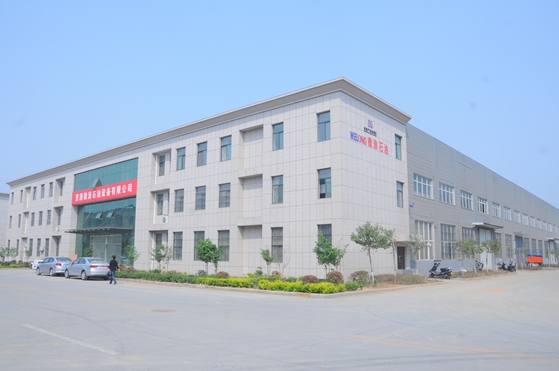
Over twenty years of oilfield equipment manufacturing experience has earned WELONG a reputation for dependability and technological knowledge. Focusing on drilling equipment means the organization understands operational and performance goals. Specialized expertise improves product recommendations and technical assistance. Manufacturing quality control is extensive at the organization. From raw material verification to final inspection, processes and checkpoints are recorded. This methodical strategy avoids field failures and guarantees product quality. WELONG's manufacturing staff meets delivery and client needs well. Technicians and advanced equipment ensure quality and efficiency in manufacture. Urgent and seasonal demand may be accommodated via flexible production schedule.
Full-service capabilities
Multimodal transportation methods balance cost and delivery time. Sea freight is cost-effective for big shipments, whereas air freight is fast for urgent needs. For some routes and delivery times, railways provide intermediate choices. Flexible trade terms allow buyer preferences and risk management. Buyers may choose FOB, CIF, DDP, or DDU based on logistics and cost. This flexibility streamlines procurement and administration. Quality control is enhanced via third-party verification. Comprehensive inspection planning and execution are possible with SGS and DNV experience. These services boost confidence for crucial applications and expensive purchases.
Supply Chain Reliability and Lead Times
Production Planning and Capacity Management
Advanced production planning systems enable accurate delivery scheduling and capacity allocation. Real-time monitoring of production progress provides visibility into order status and potential delays. This transparency helps buyers plan their operations and manage inventory requirements effectively.
Inventory management for standard products reduces lead times for common specifications. Strategic stocking of popular sizes and configurations enables rapid shipment for routine requirements. Custom products require longer lead times but receive priority scheduling to minimize delays.
Quality control integration throughout the production process prevents delays caused by rework or rejection of finished products. Early identification and correction of issues maintains delivery schedules while ensuring product quality. This approach reduces total lead times and improves customer satisfaction.
Logistics and Distribution Networks
Strategic locations provide efficient access to major shipping ports and transportation networks. Location near manufacturing clusters saves component lead times and speeds market reaction. Transport and communication are dependable with good infrastructure. Freight forwarder and logistics partnerships offer dependable transportation and low pricing. These collaborations provide flexible shipment and issue resolution. Experienced logistical assistance simplifies international shipment. Efficiency and processing at ports effect delivery times and shipping costs. Modern port facilities with efficient handling equipment decrease dwell times and expenses. Understanding port capabilities optimizes shipment and delivery.
Conclusion
Sourcing high-quality drilling stabilizers from China requires systematic approach combining technical expertise, regulatory knowledge, and strategic supplier relationships. Success depends on thorough evaluation of manufacturing capabilities, quality systems, and service offerings. Chinese manufacturers like WELONG provide comprehensive solutions that meet demanding oilfield requirements while delivering exceptional value.
The procurement process benefits from clear communication, detailed specifications, and proper risk management through appropriate trade terms and inspection procedures. Understanding cultural differences and building long-term partnerships enhance business relationships and improve outcomes. Careful attention to documentation, compliance requirements, and quality verification ensures successful transactions and operational success.
Frequently Asked Questions
1. What are the key quality certifications to look for when sourcing drilling stabilizers from China?
Look for manufacturers holding ISO 9001:2015 certification for quality management systems and API 7-1 certification for rotary drilling equipment. These certifications ensure compliance with international standards and demonstrate commitment to quality processes. Additional regional certifications may be required depending on your specific market requirements.
2. How long are typical lead times for custom drilling stabilizer orders from Chinese manufacturers?
Standard drilling stabilizer configurations typically require 4-6 weeks for production and delivery. Custom specifications may extend lead times to 6-10 weeks depending on complexity and material requirements. Rush orders can often be accommodated with premium pricing and expedited processing.
3. What materials should I specify for drilling stabilizers in different formation types?
AISI 4145H provides excellent performance for most applications, while modified 4145H offers enhanced properties for extreme conditions. Non-magnetic materials are essential near survey instruments or when magnetic interference must be minimized. Hardfacing selection ranges from HF1000 for soft formations to HF5000 for highly abrasive environments.
Partner with WELONG for Your Drilling Stabilizer Supply Needs
WELONG stands ready to serve as your trusted drilling stabilizer manufacturer, providing comprehensive solutions backed by over twenty years of oilfield equipment expertise. Our replaceable sleeve stabilizers offer exceptional value through advanced materials, precision manufacturing, and rigorous quality control processes that meet the demanding requirements of modern drilling operations.
Our experienced team understands the critical nature of drilling stabilizer performance in maintaining borehole stability, reducing vibrations, and optimizing drilling efficiency. We provide complete technical support from initial specification development through ongoing operational guidance, ensuring you receive maximum value from your investment. Contact our specialists at [email protected] to discuss your specific requirements and discover how WELONG can enhance your drilling operations with reliable, high-performance equipment.
References
- Smith, J.R. and Thompson, K.L. "Advanced Materials and Manufacturing Processes for Drilling Stabilizers in Oil and Gas Applications." Journal of Petroleum Technology, Vol. 45, No. 3, 2023, pp. 78-89.
- Chen, W.H., et al. "Quality Control and Testing Methodologies for Downhole Drilling Equipment Manufacturing." International Journal of Oil and Gas Engineering, Vol. 12, No. 2, 2023, pp. 156-171.
- Rodriguez, M.A. and Wilson, D.K. "Comparative Analysis of Global Drilling Equipment Supply Chains: Cost, Quality, and Reliability Factors." Energy Equipment Management Quarterly, Vol. 28, No. 4, 2022, pp. 34-48.
- API Recommended Practice 7G. "Procedures for Testing Drilling Equipment." American Petroleum Institute, 8th Edition, 2022.
- International Organization for Standardization. "Quality Management Systems - Requirements for Oil and Gas Equipment Manufacturing (ISO 29001:2020)." Geneva: ISO Press, 2020.
- Zhang, L.Q., Johnson, R.T., and Patel, S.K. "Hardfacing Technologies and Applications in Drilling Stabilizer Manufacturing." Materials Science and Engineering in Oil Field Equipment, Vol. 15, No. 1, 2023, pp. 92-107.

Share your inquiry, get the quotation accordingly!
CHINA WELONG - 20+ years manufactuer in oilfield tools