How to Select a Die Collar Fishing Tool for Downhole Recovery
Selecting the right die collar fishing tool can make the difference between a quick, clean recovery and a long, costly fishing job. Because the tool cuts its own thread onto the outside of the fish, every choice about size, thread direction, connection and clearance affects how well that thread forms and how much load it can carry. This guide walks through the main selection factors one by one, so crews and planners can match the tool to the fish, the string and the well before the run begins, so that every fishing job starts from a well-prepared position.
How to Choose the Correct Die Collar Fishing Tool Size for a Tubular Fish?
Start with the Outside Diameter of the Fish
The outside diameter of the fish is the first number a fishing supervisor needs, because a die collar fishing tool is built to cut threads within a specific range of pipe sizes. Measuring the fish top, or confirming it from the original tally and string records, tells the crew which tool body to pull from the rack. A correct match lets the teeth start squarely on the pipe wall, form a full thread as the tool advances and create a tight, evenly loaded connection. When the records are uncertain, many teams run an impression block or review earlier logs first, so the selection rests on solid information rather than assumption.
Understanding the Catch Range and Taper
Each die collar fishing tool has a catch range that describes the diameters it can engage, and the internal taper decides how far the tool travels down the fish as the thread is cut. Reading the manufacturer's data sheet carefully shows where the target diameter sits inside that range. Ideally, the fish falls comfortably within the working zone, giving enough thread length to carry the planned pull, jarring and rotation. Choosing a size that leaves generous engagement length is a simple way to build confidence into the entire fishing program before anyone leaves the yard. This early attention to detail often saves hours of rig time later, because the crew arrives at the well with a tool that is already well suited to the fish.
Matching Wall Thickness and Steel Grade
Pipe wall thickness and steel grade influence how the teeth cut and how much thread strength the connection can deliver. A thicker wall gives more material for the die collar fishing tool to engage, while higher-strength grades call for properly hardened teeth that stay sharp through the cut. Reviewing the tubular's specification, whether it follows API casing and tubing standards or a drill pipe grade, helps the team confirm that the chosen tool is suited to the material. This small check keeps the thread clean, deep and ready for the load the job will place on it. Experienced teams record these details in the fishing plan, so every member of the crew understands the reasoning behind the chosen tool.
Die Collar Fishing Tool Selection by Fish Top Condition: Intact vs. Damaged Tops
Working with an Intact, Square Fish Top
When the fish top is clean, round and square, selection is straightforward, and a standard die collar fishing tool with a regular guide is usually the right answer. The mouth of the tool slides over the pipe easily, the teeth meet the wall evenly and the thread forms from the very first turn. Crews often choose a shorter guide in this situation because there is little to correct, which keeps the assembly compact and simple to handle on the rig floor. The result is a quick engagement and a connection that is ready to pull with confidence. Operators appreciate how this straightforward match keeps the procedure short, the tool easy to handle and the overall risk of the operation comfortably low.
Choosing for Flared or Belled Tops
A fish that has been flared by an impact or bent during a parting event can still be recovered with a die collar fishing tool if the selection accounts for the shape. A longer, flared guide helps funnel the top into the cutting section, and a slightly larger catch range may be needed to pass over the swollen section. Planners often review caliper or impression data to understand how far the damage extends. With the right guide, the tool reaches sound pipe below the flare, where it can cut a strong, full-depth thread. This approach turns a damaged top from a concern into a manageable detail, and it shows how flexible the tool can be when the selection is made carefully.
Using Mill Dressing to Prepare the Fish
Where the top is rough, uneven or partly collapsed, a dressing trip with a mill can restore a clean surface before the die collar fishing tool is run. The extra step gives the tool a better starting point, so the thread forms evenly and the pull strength reaches its full potential. Many crews view this as a worthwhile investment, because a well-prepared fish top shortens the engagement time and lowers the number of attempts needed. Planning the dressing run into the program from the beginning keeps the schedule smooth and predictable. Good preparation of this kind is a hallmark of successful fishing programs, where small steps taken early support a confident, well-organized recovery later.
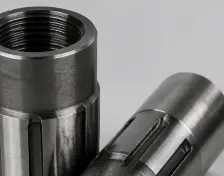
Matching Die Collar Fishing Tool Thread Direction to Downhole Operations
Right-Hand Threads for Standard Recovery
Most fishing jobs use a right-hand die collar fishing tool, because the string is turned to the right during normal operations and the thread cuts as the tool rotates in that direction. The same rotation keeps every connection above the tool tight, which protects the string throughout the job. For a routine recovery of tubing, drill pipe or casing, a right-hand tool is the natural starting point, and it fits comfortably into the procedures that rig crews already know and practice every day on location. Familiar procedures reduce the chance of misunderstanding, and they let the whole team concentrate on the fish itself rather than on unfamiliar steps.
Left-Hand Options for Back-Off Work
Some programs call for a left-hand die collar fishing tool, usually when the plan includes backing off the fish in sections or when the stuck string must be loosened by turning to the left. A left-hand tool cuts its thread in that direction, so the same rotation that engages the fish also works toward releasing a connection below. Planners confirm the intended direction well in advance and mark the tool clearly, which avoids confusion at the rig floor and keeps the operation moving according to the written procedure. Clear marking and communication are simple habits, yet they give the crew a dependable framework for decisions throughout the day.
Coordinating Thread Direction with the Fishing String
The thread direction of the die collar fishing tool should always be considered together with the rest of the fishing assembly, including jars, bumper subs and safety joints. Each component has its own role during rotation and pull, and all of them need to work in harmony. A short planning meeting before the run, where the crew reviews the direction of rotation and the expected sequence of actions, helps ensure that every tool performs as intended and that the fish comes out of the hole safely. When everyone knows the plan, each action follows naturally from the last, and the operation proceeds in a calm, efficient and well-controlled manner.
Die Collar Fishing Tool Connection Selection for Drill String Compatibility
Matching the Top Connection to the Workstring
The top connection of the die collar fishing tool must match the thread type and size of the workstring above it, so that the assembly makes up cleanly and handles easily. Rotary shouldered connections follow established standards, and suppliers can machine the top box or pin to the style the rig already uses. Confirming this detail at the time of ordering avoids the need for crossovers, which keeps the string shorter and simpler. A direct connection also reduces the number of joints that must be made up, saving valuable rig time. Suppliers with flexible machining capacity can deliver the exact connection a customer needs, which makes customized orders a practical and efficient option for many projects.
Load Capacity of the Connection
The connection at the top of a die collar fishing tool carries the full pull, jarring load and torque of the operation, so its strength should comfortably exceed what the job is expected to need. Reviewing the tensile and torsional ratings of the tool, the workstring and the fish together gives the team a clear picture of the working limits. Many engineers also refer to material and testing standards published by ASTM International when they confirm steel properties, and this habit helps them select equipment with a healthy margin above the expected load throughout the fishing job. This careful approach gives managers and crews alike a shared understanding of what the assembly can safely deliver.
Integrating Jars, Bumper Subs and Safety Joints
A die collar fishing tool seldom works alone, and its connection should make it easy to add a jar, bumper sub or safety joint to the assembly. These accessories give the crew the means to deliver impact, adjust weight or release the string if necessary. Selecting compatible connections from the beginning lets the whole fishing string be assembled quickly and in the planned order. It also provides flexibility if conditions change downhole, because the team can adapt the string without waiting for special parts to arrive. That kind of readiness is valuable on remote locations, where every hour of waiting adds to the cost of the project.
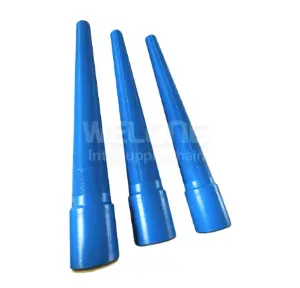
How Does Wellbore Clearance Affect Die Collar Fishing Tool Selection?
Checking Clearance Against Casing or Open Hole
Wellbore clearance determines how large a die collar fishing tool can be run to the fish, so the casing inner diameter or open-hole size should be reviewed at the start of planning. The tool must pass through restrictions such as liner tops, wellhead bores and previous casing shoes on its way down. Reviewing the well schematic and any known tight spots allows the team to choose a body diameter with enough room to move freely. This simple check prevents surprises and keeps the run smooth from the surface to the fish top. Careful planning at this stage is one of the simplest ways to protect the schedule and keep the entire fishing program on track.
Annular Space and Circulation
The space between the tool body and the wellbore wall allows drilling fluid to flow past the die collar fishing tool and carry cuttings and debris away from the fish top. Adequate annular clearance gives the crew good circulation while the tool is engaged, which supports cleaner threading and better control. Engineers often calculate flow rates and annular velocities during planning to confirm that the chosen tool leaves enough room. A well-considered clearance gives both the fish and the equipment a calm, well-cleaned environment in which to work. Many teams find that this attention to flow makes the engagement more controlled, and it also improves their ability to monitor the operation as it develops.
Choosing Slim or Standard Profiles
Suppliers offer die collar fishing tool bodies in standard and slim profiles, so the crew can match the outside diameter to the available clearance. A slimmer body suits tight casing or restricted sections, while a standard body offers maximum strength in larger holes. The decision rests on a balance between room to move and the load capacity needed for the pull. Discussing the well geometry with the supplier early allows a tool to be built or selected that fits the hole precisely and performs reliably. Open communication between operator and manufacturer is often the quickest route to a well-fitted tool that suits the job from the first run.
Centralization in Deviated Wells
In deviated or washed-out sections, the fish may lie against the wall, and the die collar fishing tool needs help to find it. A suitable guide, combined with careful selection of the body diameter, centers the tool on the fish top and starts the thread squarely. Many crews add a slight bent sub or a longer guide in these situations to improve their chances on the first try. Taking time to match these details to the well trajectory increases the likelihood of a clean, first-attempt recovery. Success in challenging wells often comes from this kind of thoughtful preparation, where each detail is matched to the real conditions downhole.
Conclusion
Choosing a die collar fishing tool is a matter of matching several details to the real conditions of the well. Fish diameter, wall thickness and top condition guide the size and guide style, thread direction suits the planned operation, the top connection fits the workstring, and wellbore clearance keeps the assembly moving freely. Careful selection, backed by a certified supplier and clear communication, shortens fishing time and improves the chances of a clean first-run recovery, helping operators return their wells to normal service quickly and safely. In short, a well-chosen tool is a sound investment in every fishing operation.WELONG can help review your fish dimensions and connection requirements to identify a suitable die collar configuration, with quality control and inspection arrangements coordinated for your order.
FAQ
Q: How do I know which die collar fishing tool size to use?
A: Measure or confirm the fish outside diameter, then select a tool whose catch range covers it comfortably, allowing enough thread length for the planned pull.
Q: When should I use a left-hand die collar fishing tool?
A: Use one when the operation involves backing off the string or turning left, so rotation that engages the fish also works toward releasing connections below.
Q: Does wellbore clearance matter when selecting a die collar fishing tool?
A: Yes. The tool body must pass restrictions and leave annular space for circulation, so slim or standard profiles are chosen to suit the hole.
Let WELONG Help You Select the Right Die Collar Fishing Tool
Since 2001, China Welong has been a professional international integrated supply chain service provider for oilfield products and customized solutions. Our ISO 9001:2015 and API 7-1 certifications and strict quality control ensure every tool we supply is durable and dependable. If you need a die collar fishing tool built to your fish size, thread direction, connection and clearance requirements, our team is ready to help. Email [email protected] with your well details, and let WELONG bring the finest supply chain from China to your next fishing job. We look forward to supporting your team and building a long-term partnership.
References
1. American Petroleum Institute. (2018). API Specification 5CT: Casing and Tubing (10th ed.). Washington, DC: API Publishing Services.
2. American Petroleum Institute. (2009). API Recommended Practice 7G: Drill Stem Design and Operating Limits (16th ed.). Washington, DC: API Publishing Services.
3. American Petroleum Institute. (2006). API Specification 7-1: Specification for Rotary Drill Stem Elements (1st ed.). Washington, DC: API Publishing Services.
4. Adams, N. J. (1985). Drilling Engineering: A Complete Well Planning Approach. Tulsa, OK: PennWell Books.
5. Lyons, W. C., & Plisga, G. J. (2005). Standard Handbook of Petroleum and Natural Gas Engineering (2nd ed.). Burlington, MA: Gulf Professional Publishing.
6. Mitchell, R. F. (Ed.). (2006). Petroleum Engineering Handbook, Volume II: Drilling Engineering. Richardson, TX: Society of Petroleum Engineers.
Share your inquiry, get the quotation accordingly!

CHINA WELONG - 20+ years manufactuer in oilfield tools