Bumper Sub Fishing Tool Maintenance: Lubrication and Service Tips
A bumper sub fishing tool earns its keep through smooth, dependable movement, and that reliability starts with good maintenance habits. Fresh lubricant, healthy seals, clean splines and sound threads all work together to keep the mandrel gliding and the torque flowing. This guide shares practical service routines that rig crews and tool shops can follow between jobs, from lubrication and seal checks to spline inspection, connection care and proper storage, so the tool is always ready for its next run.
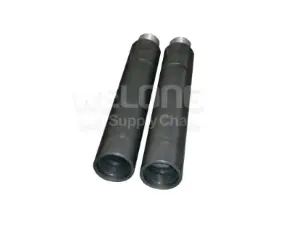
Bumper Sub Fishing Tool Lubrication: Maintaining Smooth Mandrel Movement
Choosing the Right Lubricant
Selecting a suitable grease or oil is the first step in caring for a bumper sub fishing tool. The lubricant should hold its consistency under downhole heat and pressure, cling to the mandrel surface and resist washout from drilling fluid. Following the manufacturer's recommendation avoids guesswork and keeps the internal parts protected through many strokes.
Filling and Refilling the Tool
Most crews refill a bumper sub fishing tool through a designated port after cleaning the surrounding area. Filling slowly while the mandrel is cycled by hand lets the lubricant spread evenly and pushes out trapped air. A consistent filling routine, written into the shop checklist, ensures every tool leaves the yard with the same level of protection.
Checking the Mandrel Surface
A quick visual and tactile check of the mandrel tells a lot about lubrication quality. A healthy bumper sub fishing tool shows a bright, evenly coated surface and slides through its full stroke without catching. Any dry patches suggest the lubricant needs topping up, which is an easy correction that preserves smooth operation for the next job.
How to Inspect Bumper Sub Fishing Tool Seals for Lubricant Leakage?
Visual Checks Around the Seal Areas
Begin by wiping the housing and examining both ends of the bumper sub fishing tool for traces of oil or grease. A dry, clean exterior is a good sign that seals are doing their job. Inspecting under good light, with the mandrel extended and then retracted, reveals any film that might otherwise stay hidden.
Pressure Testing the Assembly
A short pressure test confirms what the eye cannot. Crews often fill the bumper sub fishing tool with fluid, apply the specified pressure and watch the gauge for a steady reading. Holding pressure indicates that the seal stack is intact, giving the team confidence that the tool will contain lubricant and drilling fluid downhole.
Replacing Seals on Schedule
Seals are inexpensive compared with the tool they protect, so many shops replace them at fixed intervals instead of waiting for a problem. Fitting a new seal kit to a bumper sub fishing tool takes little time, and it resets the protection for the following run. Keeping spare kits on the shelf makes this routine simple and fast.
Recording Seal Condition
Notes on seal condition, hours in service and replacement dates help a team plan ahead. Over time, the records for each bumper sub fishing tool show patterns that guide stock levels and service intervals. This habit turns ordinary maintenance into a reliable planning tool and supports consistent quality across the whole fishing fleet.
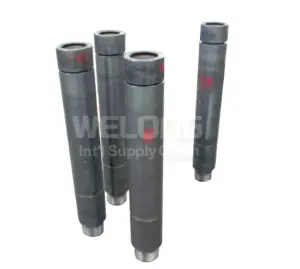
Bumper Sub Fishing Tool Spline Wear: Inspection of Torque-Transmission Surfaces
Examining Spline Faces
Splines carry the rotation through a bumper sub fishing tool, so their faces deserve close attention at each service. After the tool is opened, technicians look for even contact marks along each spline and check that the edges remain crisp. Uniform wear patterns point to well-aligned parts that are still performing as intended.
Measuring Fit and Clearance
Simple gauges and calipers let a technician compare the spline dimensions of a bumper sub fishing tool against the original specification. Keeping clearance within the recommended range preserves smooth torque transfer and quiet operation. Recording the measurements after every major job builds a useful history that helps predict when parts should be refreshed.
Cleaning and Protecting the Spline Area
Before reassembly, the spline area of a bumper sub fishing tool should be washed, dried and coated with fresh lubricant. This removes fine particles that could scratch the surfaces and leaves a protective film for the next run. A careful cleaning step takes only a few minutes yet adds considerable life to the assembly.
Bumper Sub Fishing Tool Connection Maintenance: Checking Threads and Joint Integrity
Thread Cleaning and Inspection
The threaded connections of a bumper sub fishing tool carry every pull, bump and rotation of the job. Cleaning them with a soft brush and solvent exposes the thread form, allowing a close inspection for nicks or burrs. Clean, undamaged threads make up smoothly and seal tightly, which supports safe handling at the rig floor.
Applying Thread Compound and Correct Make-Up
A suitable thread compound reduces friction during make-up and protects the connection between runs. When a bumper sub fishing tool is screwed into the string, applying an even coat and tightening to the recommended torque gives a secure joint. Consistent make-up practice also makes later break-out easier and less demanding on the crew.
Using Thread Protectors
Thread protectors fitted at both ends of a bumper sub fishing tool shield the connections from knocks during handling and transport. They are a simple, low-cost safeguard that keeps the machined surfaces in excellent condition. Making protectors part of the standard routine ensures the tool arrives on location ready to make up cleanly.
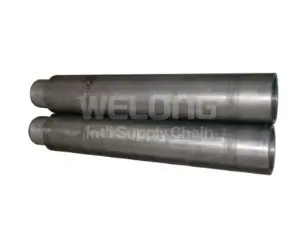
Bumper Sub Fishing Tool Post-Operation Servicing: Cleaning, Inspection and Storage
Washing Away Mud and Debris
Right after a job, a bumper sub fishing tool should be rinsed with clean water or a suitable cleaner to remove drilling mud, cuttings and chemicals. Prompt cleaning prevents residue from drying onto the surfaces and makes the following inspection far easier. Many crews treat this as the first task on the rig floor, before the tool is moved to the shop.
Full Inspection Before Storage
A full inspection brings together every earlier check, from seals and splines to threads and mandrel finish. Technicians working on a bumper sub fishing tool can use a standard checklist to ensure nothing is missed, and signing each item adds accountability. Tools that pass the inspection are tagged and logged, ready to be dispatched at short notice.
Corrosion Protection and Storage
Storing a bumper sub fishing tool in a dry, covered area with a light coat of protective oil keeps the steel in excellent shape between jobs. Engineers who want to understand how coatings and environments influence metal life can consult the National Science Data Center for Corrosion and Protection of Materials for reference data. Laying the tool horizontally on padded supports completes a sound storage routine.
Keeping a Service Log
Every bumper sub fishing tool benefits from its own service log that records jobs, repairs, replaced parts and inspection results. Over time, this record shows how the tool has performed and helps managers decide when to schedule a thorough overhaul. A tidy log also reassures customers that the equipment has been carefully looked after.
Conclusion
Good maintenance keeps a bumper sub fishing tool performing at its best. Regular lubrication supports smooth mandrel travel, careful seal checks protect the assembly, and spline and thread inspections maintain reliable torque transfer and secure connections. Thorough cleaning, protective storage and a detailed service log complete the routine. Teams that follow these steps enjoy longer tool life, fewer surprises and faster fishing operations, and they gain the confidence that comes from equipment that is truly ready whenever the call comes. Consistent care is a small investment that returns reliable performance on every well.WELONG provides customized bumper sub solutions with engineering support and quality control to meet your specific fishing requirements.
FAQ
Q: How often should a bumper sub fishing tool be lubricated?
A: Lubrication should be checked after every job and refilled according to the manufacturer's guidance, so the mandrel always moves freely.
Q: What should I check first when servicing a bumper sub fishing tool?
A: Start with a thorough cleaning, then inspect the seals, mandrel surface, splines and threads in that order using a written checklist.
Q: How should a bumper sub fishing tool be stored between jobs?
A: Store it clean and dry with a light protective oil coat, thread protectors installed and the tool supported horizontally in a covered area.
Keep Your Bumper Sub Fishing Tool Ready with WELONG
Founded in 2001, China Welong is a professional international integrated supply chain service provider specializing in oilfield products and customized solutions. With ISO 9001:2015 and API 7-1 certifications and strict quality control, we supply durable tools backed by dependable service. Whether you need a new bumper sub fishing tool, spare seal kits or a design tailored to your well conditions, our team is here to help. Email [email protected] today, and let WELONG deliver the finest supply chain from China to your operation. We look forward to supporting your team and building a long-term partnership.
References
1. American Petroleum Institute. (2009). API Recommended Practice 7G: Drill Stem Design and Operating Limits (16th ed.). Washington, DC: API Publishing Services.
2. Azar, J. J., & Samuel, G. R. (2007). Drilling Engineering. Tulsa, OK: PennWell Books.
3. Gabolde, G., & Nguyen, J.-P. (2006). Drilling Data Handbook (8th ed.). Paris: Editions Technip.
4. Bloch, H. P. (2009). Practical Lubrication for Industrial Facilities (2nd ed.). Lilburn, GA: Fairmont Press.
5. Stachowiak, G. W., & Batchelor, A. W. (2013). Engineering Tribology (4th ed.). Oxford: Butterworth-Heinemann.
6. Bourgoyne, A. T., Millheim, K. K., Chenevert, M. E., & Young, F. S. (1986). Applied Drilling Engineering. Richardson, TX: Society of Petroleum Engineers.
Share your inquiry, get the quotation accordingly!
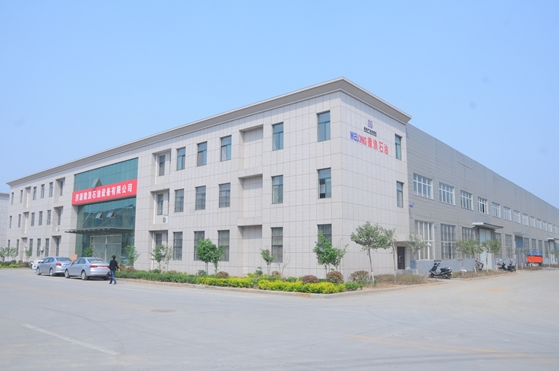
CHINA WELONG - 20+ years manufactuer in oilfield tools