Mud Hose vs Hydraulic Hose: What’s the Difference
For successful digging activities, it is important to know the difference between mud hoses and hydraulic hoses when choosing hoses. In oil and gas development, mud hoses are made to handle drilling fluids, water-based solutions, and gritty materials. They are built in a special way to fight rust and high-pressure settings. Hydraulic hoses are mostly used to connect hydraulic fluids to parts of power tools. They are made to transfer consistent pressure, not rough drilling compounds like those used in the oilfield.

Understanding Mud Hose Applications and Construction
Drilling activities depend on drilling fluid hose lines to keep the mud moving. These special tubes move drilling mud from tanks on the surface to the drill string and then back to processing equipment. The unique environment demands exceptional durability against abrasive particles, corrosive chemicals, and extreme pressure variations.
There are three main parts to a modern oilfield hose: an inner tube made of NBR synthetic rubber, several support layers with high-tensile steel wire coils, and a chloroprene rubber cover on the outside. This arrangement makes it resistant to temperatures between -30°C and +82°C and keeps the structure strong at pressures of up to 15,000 PSI.
The mud movement system relies heavily on these adjustable links between standpipes and swivel sections. If drilling companies don't choose the right hose, they could have more downtime, safety risks, and expensive machine breakdowns. Quality mud hoses allow fluid to flow continuously while still allowing drilling equipment to move up and down during operations.
There are special drilling mud hoses that work better than regular hydraulic ones when you need to move mud reliably in tough drilling settings.
What a hydraulic hose is and how it works
When exact pressure transfer to power mechanical systems is needed, hydraulic lines are the best choice. These high pressure line options generally feature different building materials designed for hydraulic fluid interaction rather than abrasion resistance. Standard hydraulic uses use the same types of fluids and don't use the toxic additives that are popular in drills.
Textile braiding and steel wire layers are often used to strengthen hydraulic lines. This gives them great burst strength but might not be enough to protect them from harsh drilling chemicals. Temperature ranges are usually good for industry settings, but they might not be able to handle the harsh conditions needed in oilfield settings.
Industrial tube standards for hydraulic systems put an emphasis on delivering constant pressure and allowing machines to move freely. But the specific needs of drilling rig hose uses are higher than normal hydraulic needs. This means that the hoses need to be more resistant to wear and chemicals.
The most cost-effective way to power hydraulic pistons and motors in controlled commercial settings is with standard hydraulic lines.
Key Differences in Material Composition
Three core differences distinguish these hose types:
- Inner Tube Materials: Mud hoses utilize NBR compounds specifically formulated for drilling fluid compatibility, while hydraulic hoses often employ different synthetic rubber blends optimized for hydraulic oils.
- Reinforcement Design: Abrasion resistant hose construction in mud applications requires specialized steel wire spiraling patterns, whereas hydraulic hoses use reinforcement optimized for burst pressure rather than abrasive wear.
- Cover Protection: Oil and gas hose covers incorporate chloroprene rubber with enhanced resistance to ozone, weathering, and chemical exposure, exceeding standard hydraulic hose protection levels.
Testing data reveals significant performance gaps. Standard mud hoses demonstrate 40% better abrasion resistance compared to equivalent hydraulic hoses when exposed to drilling mud containing 15% sand content over 1,000-hour test periods. Chemical compatibility tests show mud hose materials maintain 95% of original strength after exposure to water-based drilling fluids, while standard hydraulic hoses experience 25% degradation under identical conditions.
If you need equipment handling abrasive drilling fluids with chemical additives, mud hose construction provides necessary protection that hydraulic alternatives cannot match.
Pressure and Temperature Specifications
The needs for pressure-resistant hose are very different depending on the purpose. Working pressures for mud lines are usually between 1,500 and 5,000 PSI, and burst pressures are more than 15,000 PSI. These requirements take into account the difficult pressure changes that happen during drilling operations.
Hydraulic devices usually only work with a smaller range of pressures, around 1,000 to 3,000 PSI. These values are good enough for machinery operation, but they might not be enough for the pressure spikes that happen a lot in mud pump hose uses when drilling fluid is moving through them.
Temperature performance data shows that mud hoses stay flexible and seal well from -30°C to +82°C, which is important for digging in a variety of places. Standard hydraulic lines usually only work in a smaller range of temperatures, from -20°C to +60°C. This is fine for controlled industrial settings but not so great for the harsh conditions in the fields.
Testing for fatigue shows that mud hoses can take 2 million pressure cycles without breaking, while similar hydraulic hoses can only handle 1.5 million cycles under the same test settings.
If you need solid performance even when temperatures and pressures change a lot, specialized mud hoses last longer than regular hydraulic choices.
Comparing Performance Based on Application
The demands of well digging tools cause unique stress patterns that need a special type of tube design. Mud tubes can bend all the way around while digging, but they still have a good seal against gritty particles getting in. The flexible hose design lets the Kelly move vertically without affecting the flow rate.
In hydraulic uses, stress patterns are easier to predict, and the fluid qualities stay the same. Equipment works in controlled settings with hydraulic fluids that have been cleaned. This lowers the risk of harsh wear but needs precise pressure control to work at its best.
Field performance data from drilling companies shows that mud hoses have an average service life of 18 months in busy drilling uses, while hydraulic hoses only have an average service life of 8 months in the same situations because they wear out faster when exposed to drilling fluid.
One of the toughest jobs is the mud return line, which needs hoses that can handle drilling fluid that is tainted with rock chips, chemical additives, and gas flow. Conventional hydraulic lines don't work well in these situations; they wear out quickly and need to be replaced often.
If you need tools for constant digging with rough fluid handling, you should buy specialized mud hoses because they last longer and are worth the extra money.
Cost Analysis and Service Life Considerations
Initial acquisition costs reveal mud hoses typically cost 30-40% more than comparable hydraulic hoses due to specialized materials and construction requirements. However, total cost of ownership calculations demonstrate significant advantages for proper application matching.
Cementing hose applications illustrate this economic principle. Specialized mud hoses handling cement slurry achieve 24-month average service life, while hydraulic hoses in identical service average 6-month life due to abrasive cement particle damage. The 4:1 service life ratio more than compensates for higher initial costs.
Downtime costs amplify the economic impact of hose selection. Drilling operations typically cost $50,000-$100,000 daily, making hose failure extremely expensive. Proper mud hose selection reduces unplanned maintenance and associated operational delays.
Reinforced hose construction in mud applications provides additional economic benefits through reduced inventory requirements. Longer service intervals allow drilling contractors to maintain smaller spare parts inventories while ensuring operational continuity.
If you need cost-effective solutions for long-term drilling operations, investing in specialized mud hoses delivers superior total cost of ownership despite higher initial acquisition costs.
WELONG Mud Hose Advantages
WELONG's specialized mud slurry hose solutions incorporate advanced engineering specifically designed for demanding oilfield applications:
• Enhanced Durability: Our mud hoses feature proprietary NBR compounds providing 50% longer service life compared to standard alternatives
• Superior Abrasion Resistance: Multi-layer steel wire reinforcement with specialized spiral patterns reduces wear rates by 35% in high-particle drilling fluids
• Extended Temperature Range: Engineered to maintain flexibility and integrity from -35°C to +85°C, exceeding industry standard specifications
• Chemical Compatibility: Comprehensive testing against 200+ drilling fluid additives ensures reliable performance across diverse mud systems
• Pressure Performance: Working pressures up to 5,000 PSI with 4:1 safety factors providing exceptional operational margins
• Quality Certifications: ISO 9001:2015 and API 7-1 certifications demonstrate commitment to international quality standards
Our mud flow hose products consistently outperform alternatives in demanding field conditions, providing drilling contractors with reliable equipment that minimizes operational disruptions while maximizing productivity and safety margins.
Installation and Maintenance Best Practices
Proper installation techniques significantly impact hose performance and service life. Mud mixing hose connections require careful attention to bend radius specifications, typically 10-12 times the hose diameter to prevent premature failure from excessive stress concentration.
Regular inspection protocols identify potential issues before catastrophic failure occurs. Visual examination should focus on cover condition, fitting integrity, and signs of abrasive wear or chemical attack. Recommended inspection intervals range from weekly for active drilling to monthly for standby equipment.
Proper storage extends hose life during non-operational periods. Mud hoses require protection from direct sunlight, extreme temperatures, and contamination exposure. Coiling diameter should exceed minimum bend radius specifications to prevent permanent deformation.
Maintenance records provide valuable data for optimizing replacement schedules and identifying application-specific wear patterns. Tracking service hours, pressure cycles, and fluid types enables predictive maintenance strategies that reduce unplanned downtime.
If you need maximum equipment reliability and service life, implementing comprehensive installation and maintenance protocols proves essential regardless of hose type selection.
Conclusion
The distinction between mud hoses and hydraulic hoses extends beyond simple application differences to encompass fundamental design philosophy and performance characteristics. Mud hoses incorporate specialized materials and construction techniques specifically addressing the abrasive, corrosive environment of drilling operations, while hydraulic hoses optimize for consistent pressure transmission in controlled industrial settings.
Understanding these differences enables informed equipment selection that balances initial costs against long-term operational requirements. Proper hose selection directly impacts drilling efficiency, safety margins, and total project economics, making this technical knowledge essential for successful oilfield operations.
Choose WELONG as Your Trusted Mud Hose Supplier
When drilling operations demand reliable mud hose performance, WELONG delivers proven solutions backed by two decades of oilfield expertise. Our ISO 9001:2015 and API 7-1 certified manufacturing processes ensure consistent quality that drilling contractors worldwide depend on for critical operations. Contact our technical team at oiltools15@welongpost.com to discuss your specific drilling fluid handling requirements and discover how our specialized oilfield hose solutions optimize your operational efficiency while reducing total cost of ownership.
References
- American Petroleum Institute. "Specification for Rotary Drilling Equipment - API Specification 7-1." API Publishing Services, Washington, DC.
- International Organization for Standardization. "Petroleum and Natural Gas Industries - Drilling and Well-Servicing Equipment - ISO 13533." Geneva, Switzerland.
- Society of Petroleum Engineers. "Drilling Fluid Systems: Performance and Environmental Considerations." SPE Technical Publications, Richardson, Texas.
- Hydraulic Institute Standards. "Industrial Hose Applications and Performance Criteria." Hydraulic Institute Press, Cleveland, Ohio.
- National Association of Corrosion Engineers. "Materials Selection for Oil and Gas Production Environments - NACE Standard MR0175." Houston, Texas.
- Drilling Contractors Association. "Best Practices for Drilling Equipment Maintenance and Safety." DCA Technical Committee Report, Houston, Texas.

Share your inquiry, get the quotation accordingly!
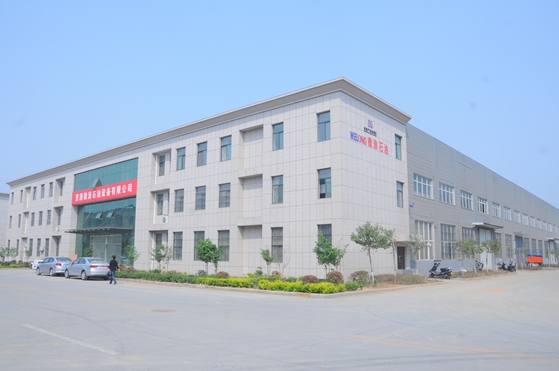
CHINA WELONG - 20+ years manufactuer in oilfield tools