Top Backup Rolls for Heavy-Duty Rolling Mills
Choosing the right Backup Roll is an important part of ensuring your production quality stays high and your heavy-duty rolling mill runs smoothly. These strong cylinder-shaped parts hold up work rolls during metal making processes. They can handle large radial loads and make sure that pressure is spread evenly across the surface of the material. Because Backup Rolls are so important in steel factories and metal processing plants, purchasing managers, engineers, and operational decision-makers need to know about their technical specs, material makeup, and buying factors in order to get the most out of their equipment and avoid unplanned downtime.
Introduction
Backup Rolls, essential elements of heavy-duty rolling mills in the steel and metal-forming industries, are covered extensively in this reference. We created this resource for procurement managers, engineers, and OEM customers that want to maximise tool utilization since we know it improves product quality and machine life. Technical requirements that define performance criteria, leading suppliers that set industry standards, and maintenance strategies that extend equipment life will be discussed in the following sections. Our mission is to empower B2B stakeholders to make wise decisions, boost corporate efficiency, and maximise long-term investment returns. Whether you're upgrading mills or replacing old parts, choosing the correct Backup Rolls will affect production and quality.
Understanding Backup Rolls in Rolling Mills
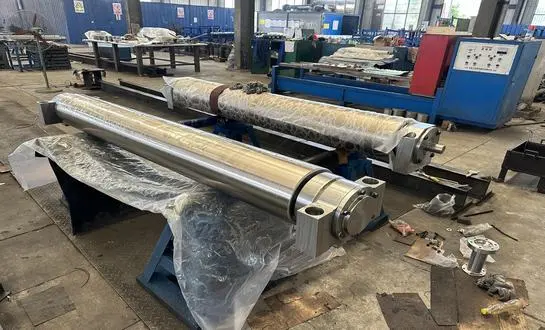
In a rolling mill, Backup Rolls are an important part of the machinery because they support the work rolls while they shape the metal. These heavy cylinder-shaped parts evenly distribute load and prevent roll damage, which directly extends the life of equipment and makes the surface quality of rolled goods better.
The Fundamental Function of Backup Rolls
Backup Roll systems solve the problem of excessive radial pressure on thin work rolls. Installed beneath work or intermediate rolls, they absorb rolling forces, maintain dimensional stability, and reduce deflection during rolling and leveling processes. This support protects equipment while ensuring consistent shaping accuracy and smooth production performance.
Critical Specifications and Tolerances
Precision standards strongly affect Backup Roll performance. Circular runout should remain within 0.01mm to avoid vibration marks, surface scratches, and uneven stress on work rolls. Excessive concentricity deviation lowers product quality and increases maintenance costs. Procurement teams should avoid low-cost products that fail to meet strict tolerance requirements.
Material Types and Mill Applications
Backup Roll materials include forged steel, cast iron, and rubber-composite designs for different mill conditions. Monobloc cast rolls serve vertical mills, wire-rod mills, section mills, and hot strip operations. Adamite and GST materials with 1.0–2.2% carbon provide strong wear resistance, durability, and long-term mechanical stability in demanding industrial applications.
Understanding these categories and design factors helps buyers select Backup Roll solutions that match production capacity, mill structure, and mechanical operating requirements.
Top Backup Rolls for Heavy-Duty Rolling Mills
High-Strength Forged Backup Rolls
WELONG makes high-strength cast Backup Rolls that are made for heavy-duty rolling mills that have to work under constant production conditions and big loads. Modern methods of casting and heat treatment make structures more stable, resistant to wear, and strong over time. With ISO 9001:2015 quality control systems to back it up, WELONG makes sure that its steel manufacturing equipment works well and lasts a long time.
Precision-Machined Backup Rolls for Stable Rolling
In current rolling mills, WELONG makes precision-machined Backup Rolls that help keep rolling accuracy, surface quality, and operating stability. Advanced cutting technology and strict control over dimensions keep vibrations and odd pressure distribution to a minimum while the machine is in use. WELONG provides goods that meet the high consistency needs of business users around the world by using thorough quality testing processes.
Customized Backup Rolls for Different Mill Applications
Depending on the type of material, production capacity, and working conditions, each rolling mill needs a different Backup Roll setup. WELONG gives unique production services that are based on what the customer wants, such as the size, the type of material, the level of strength, and the surface treatment. Its combined supply chain lets foreign heavy-industry projects have stable delivery and efficient production.
Durable Backup Rolls with Reliable Quality Control
WELONG puts a lot of effort into making Backup Roll goods that last by carefully checking the raw materials, handling them precisely, and testing them thoroughly. The company is certified to ISO 9001:2015 and API 7-1 standards, and they keep a close eye on quality throughout the whole production process. This promise helps customers cut down on the number of times they need to do upkeep, improve the speed of rolling, and lower their long-term running costs.
Global Supply Support for Heavy Industrial Projects
WELONG helps customers all over the world with professional Backup Roll production and export services as an international integrated supply chain service provider. To meet the buying needs of steel mills and big industry companies in many global markets, the company uses its technical know-how, reliable transportation management, and helpful customer service.
How to Choose the Best Backup Roll for Your Rolling Mill
As you look for the best Backup Roll, you need to think carefully about a lot of different things that all affect how well it works and how much it costs over its lifetime.
Evaluating Mill Type and Production Parameters
Selecting the right Backup Roll begins with understanding mill configuration, rolling temperature, and production volume. Hot rolling and cold rolling create different thermal and mechanical demands. Matching material properties to operating conditions ensures stable performance, proper wear behavior, and longer component service life.
Key Performance Metrics
Backup Roll performance depends on hardness, wear resistance, thermal stability, and lifecycle economy. Surface hardness affects resistance to deformation, while wear resistance controls maintenance frequency. Thermal stability is critical in hot rolling environments. Cost evaluation should include installation, maintenance, and expected operating lifespan rather than purchase price alone.
Material Comparison Framework
Different Backup Roll materials serve different operational needs. Forged steel offers high strength for heavy loads, cast iron balances cost and durability, rubber-composite designs support leveling applications, and stainless steel resists corrosion in wet or chemically aggressive environments. Proper material selection improves efficiency and reduces long-term operational costs.
The Supplier Credibility Factor
Supplier reputation strongly influences Backup Roll procurement success. Reliable manufacturers provide technical guidance, replacement support, troubleshooting services, and long-term maintenance assistance. Strong after-sales networks reduce downtime and improve operational efficiency, ensuring purchased components continue meeting technical and cost-performance expectations throughout their service life.
Maintenance Tips and Common Issues with Backup Rolls
Maintenance plans that work are essential for extending the life of equipment and avoiding costly output stops. Knowing how equipment usually breaks down and taking steps to stop it from happening will protect your investment and keep the quality of your products uniform.
Identifying Common Failure Patterns
Most failures are caused by surface wear, which reduces dimensional accuracy and finish. Geometry may distort after repeated loading cycles, reducing Backup Roll performance. Physical damage from operational incidents or material handling difficulties may need early replacement. Early detection is crucial for mill productivity and equipment dependability since each failure type impacts product uniformity, downtime, and rejection rates.
Proactive Inspection Protocols
Inspections identify problems before they disrupt productivity. Cracks, spalling, and unique wear patterns on the Backup Roll are visible. Precision measurements indicate tolerances, including the 0.01 mm runout standard, are within acceptable limits. Operational vibration analysis might suggest bearing or imbalance fixes. An efficient preventative maintenance approach starts with regular inspections.
Lubrication and Alignment Best Practices
Lubrication safeguards mandrels, bearing tubes, needle rollers, and seals. Always follow manufacturer compatibility and application instructions for high-pressure, heat-resistant grease. Correct alignment distributes stresses uniformly over the Backup Roll surface, reducing localized stress and quick wear. Rolling system dependability and component longevity are greatly improved by lubrication and alignment.
Troubleshooting Systematic Failures
Poor material quality or flawed operations frequently cause Backup Roll failures within months. Rolls made and maintained properly endure six to two years, depending on operating circumstances and plate quality. Maintenance teams may avoid failures and enhance equipment uptime by recording failure trends and working with suppliers on root cause investigation.
Procurement Strategies and Market Insights for Backup Rolls
When using strategic procurement methods, costs are balanced against high standards, on-time delivery, and long-term ties with suppliers that help keep operations running.
Direct Manufacturer Sourcing Versus Local Suppliers
Direct sourcing from manufacturers provides OEM-certified Backup Roll products, engineering support, and transparent pricing without distributor markups. However, minimum order requirements may apply. Local suppliers often offer faster delivery and easier emergency replacements but may have limited customization and technical support. Procurement teams should balance cost, flexibility, and service responsiveness according to operational requirements.
Custom-Made Solutions for Specialized Applications
Standard rolls suit many operations, but specialized mills may require custom Backup Roll designs. Tailored dimensions, materials, and surface treatments can optimize rolling performance for unique production conditions. Major manufacturers such as Voestalpine and SMS Group provide advanced engineering capabilities for these applications. Although custom products involve higher costs and longer lead times, they deliver value when standard options cannot meet performance expectations.
Pricing Structures and Lead Time Expectations
Backup Roll pricing depends on material type, dimensions, and order volume. Smaller forged steel rolls are more economical, while large monobloc cast rolls for hot strip mills are significantly more expensive due to complex manufacturing requirements. Standard products generally ship within four to eight weeks, while customized solutions may require three to six months. Understanding these timelines supports accurate budgeting and procurement planning.
Initiating Supplier Engagement
Successful procurement begins with clear communication of technical and operational requirements. Providing details such as diameter, material grade, hardness, and tolerance requirements allows suppliers to prepare accurate quotations. Discussions about production schedules, delivery expectations, and after-sales support help define the partnership scope. Requesting references from comparable projects also increases confidence in the supplier’s Backup Roll expertise and long-term reliability.
Conclusion
To choose the right Backup Rolls for heavy-duty rolling mills, you need to carefully look at the technical specs, the supplier's skills, and your facility's specific operating needs. In this guide, we've looked at the basic jobs these parts do, the top companies whose products set the bar for the industry, and the selection factors that make sure the features of the equipment match the needs of production. A good repair plan can make parts last longer and keep them from breaking down, which can be expensive. A smart procurement plan balances keeping costs low with making sure quality is high and deliveries are on time. With these insights, engineers and procurement managers can confidently make choices that improve product quality, boost business efficiency, and provide long-term value throughout the duration of the equipment.
FAQ
1. How often should backup rolls be inspected to ensure optimal condition?
How often you inspect relies on how much you're producing and where you're working. Visual checks should be done once a week at high-volume sites that run nonstop, and thorough measurements should be taken every month. Applications with moderate use can increase eye checks to every two weeks with measurements taken every three months. Tension leveling lines that work at speeds below 450 m/min usually need a full inspection of Backup Rolls every three to six months. By writing down test results, you can find standard performance trends that help you figure out when to replace something before quality problems show up.
2. What are the performance advantages of steel versus rubber backup rolls?
Steel Backup Rolls are better at holding weight, being hard, and lasting a long time in heavy-duty rolling mill uses that involve strong radial forces. Their high temperature stability makes them good for hot rolling processes, and their long service life means they don't need to be replaced as often. Rubber-composite versions work great for tension leveling jobs because their compliance properties keep finished goods from getting surface marks. They do a good job of absorbing pressure and can handle small changes in balance. The choice of material should be based on the specific needs of the job.
3. Can backup rolls be customized for unique rolling mill requirements?
Customization is possible across the board, though the level of detail changes from maker to maker. Standard changes include changing the width, the length, the way the bearings are set up, and the surface hardness patterns. Advanced customization includes using different types of materials, special heat processes, and shapes that are best for certain rolling conditions. Leading providers keep technical resources on hand so that they can work with customers on custom Backup Roll designs. However, they often have minimum order amounts and wait times that are much longer than for standard goods.
Partner with WELONG for Reliable Backup Roll Solutions
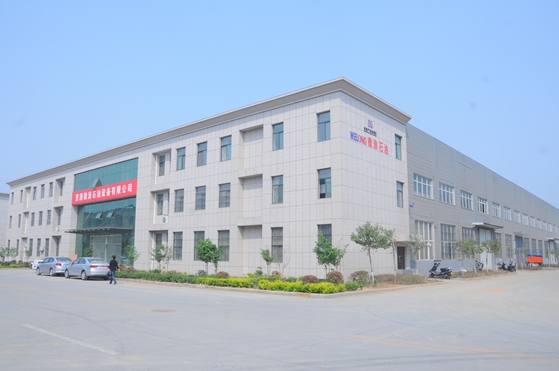
Through our integrated supply chain knowledge and more than 20 years of experience since our founding in 2001, WELONG specializes in providing high-quality industrial components. As a dependable Backup Roll provider, we know how important it is to have precision-engineered parts to keep your rolling mill running at its best. Our ISO 9001:2015 and API 7-1 certifications show that we are devoted to quality control systems that make sure each part meets strict requirements set by the industry. We know that buying choices aren't just about the price of the item itself; they also include how reliable the service is, how consistent the product is, and how quickly the customer can get help after the sale. Because we offer customized services, we work closely with your engineering teams to find solutions that meet all of your needs, including your budget, production plans, and exact specs. Whether you need standard setups or custom designs for specific mill uses, our supply chain services can put you in touch with makers whose quality and performance records match your needs. Get in touch with our team at oiltools15@welongpost.com to talk about Backup Roll for sale and find out how our complete solutions, quality assurance processes, and dependable service build the basis for successful long-term relationships that help your facility succeed.
References
1. Roberts, W.L. (1983). Hot Rolling of Steel. New York: Marcel Dekker, Inc.
2. Ginzburg, V.B. (1989). Steel-Rolling Technology: Theory and Practice. New York: Marcel Dekker, Inc.
3. Lenard, J.G., Pietrzyk, M., & Cser, L. (1999). Mathematical and Physical Simulation of the Properties of Hot Rolled Products. Oxford: Elsevier Science Ltd.
4. Tselikov, A.I., Nikitin, G.S., & Rokotyan, S.E. (1981). Theory of Longitudinal Rolling. Moscow: Mir Publishers.
5. Dieter, G.E. (1988). Mechanical Metallurgy. New York: McGraw-Hill Book Company.
6. Schey, J.A. (2000). Introduction to Manufacturing Processes. New York: McGraw-Hill Higher Education.

Share your inquiry, get the quotation accordingly!
CHINA WELONG - 20+ years manufactuer in oilfield tools