Roller Reamer vs Hole Opener: Key Differences Explained
Understanding the distinction between roller reamers and hole openers is crucial for drilling operations. A roller reamer serves as a specialized drilling tool designed to enlarge existing wellbore sections while maintaining hole gauge. Hole openers, conversely, are engineered to significantly increase borehole diameter in a single pass. The primary difference lies in their application scope: roller reamers excel at precise hole conditioning and minor enlargements, while hole openers tackle substantial diameter increases efficiently.

What is a Roller Reamer and How Does It Function?
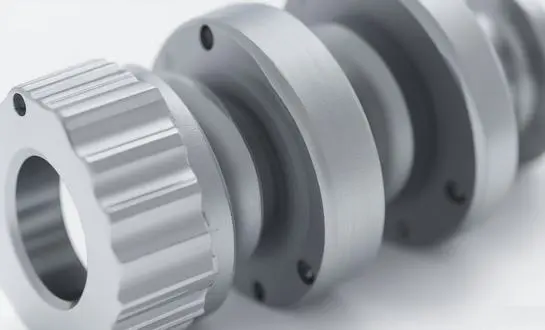
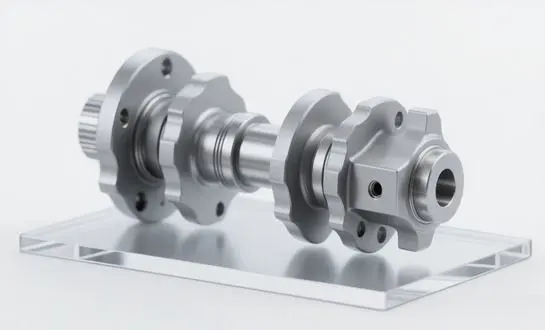
A roller reamer is an advanced drilling instrument that cuts efficiently and maintains holes. Multiple roller cutters are installed on a steel body made of high-grade materials like AISI 4145H or 4330V. These materials withstand harsh downhole conditions. The roller reamer design has rotating cutting parts that advance through the formation. This rotation scrapes and crushes formation detritus and smooths wellbore walls. The cutting action enlarges rather than penetrates, unlike ordinary drilling bits. Bearing systems in modern roller reamer assemblies can handle high rotating speeds and axial stresses. Tool life and drilling efficiency depend on bearing performance. Quality manufacturers use sealed bearings to avoid drilling fluid and formation material contamination.
Key operational characteristics include:
- Controlled cutting action that minimizes torque fluctuations
- Enhanced hole cleaning capabilities through optimized flow patterns
- Reduced vibration compared to conventional enlargement methods
- Improved gauge maintenance throughout the drilling process
- Extended tool life through superior metallurgical design
If you need precise hole conditioning with minimal formation damage, then roller reamer technology offers superior performance compared to alternative enlargement methods.
Understanding Hole Openers and Their Applications
Hole openers function as aggressive cutting tools designed for rapid diameter increases in drilling operations. These tools typically feature fixed or expandable cutting structures that remove substantial amounts of formation material during each rotation. The cutting action relies on shearing forces rather than the crushing mechanism employed by roller reamers.
The tool geometry varies significantly based on formation characteristics and operational requirements. Soft formation hole openers utilize PDC (Polycrystalline Diamond Compact) cutters for maximum rate of penetration. Hard formation variants employ tungsten carbide inserts or diamond-enhanced cutting elements to maintain durability.
Expandable hole openers provide additional versatility by allowing operators to adjust cutting diameter downhole. This capability proves particularly valuable in complex well profiles where multiple casing sizes require different hole diameters. The expansion mechanism typically employs hydraulic or mechanical activation systems.
Hole opener advantages encompass:
- Rapid diameter enlargement capabilities
- Single-pass operation for significant size increases
- Reduced trip time compared to multiple reaming runs
- Adaptable cutting structures for various formations
- Cost-effective solution for large diameter requirements
If you need substantial diameter increases in minimal time, then hole openers deliver superior efficiency compared to incremental enlargement approaches.
Core Technical Differences Between Both Tools
The fundamental distinctions between roller reamers and hole openers extend beyond basic functionality. Understanding these differences enables informed equipment selection for specific drilling scenarios. Technical specifications reveal significant variations in design philosophy and operational capabilities.
Cutting Mechanism Variations
- Roller reamers employ crushing and scraping actions through rotating elements
- Hole openers utilize shearing forces via fixed cutting structures
- Penetration rates differ substantially between the two technologies
- Formation compatibility varies based on cutting mechanism selection
Diameter Change Capabilities
- Roller reamers typically enlarge holes by 1-3 inches maximum
- Hole openers can increase diameter by 6 inches or more in single runs
- Incremental adjustment possibilities favor roller reamer applications
- Large-scale enlargements require hole opener implementation
Operational Speed Comparisons
- Hole openers achieve faster penetration rates in suitable formations
- Roller reamers provide more controlled advancement speeds
- Surface equipment requirements differ based on power demands
- Drilling parameter optimization varies significantly between tools
Laboratory testing data indicates roller reamers maintain 95% gauge consistency over extended runs. Hole opener diameter variance typically ranges within 0.5% of target specifications. These performance metrics demonstrate the precision capabilities of both technologies.
If you need consistent gauge maintenance throughout extended drilling sections, then roller reamer selection provides superior hole quality compared to alternative enlargement methods.
Formation Compatibility and Performance Analysis
Formation characteristics significantly influence tool selection between roller reamers and hole openers. Rock hardness, abrasiveness, and drilling fluid compatibility affect performance outcomes. Understanding these relationships enables optimized tool deployment strategies.
Soft Formation Performance
Roller reamers excel in soft formations where controlled cutting prevents excessive penetration rates. The crushing action maintains wellbore stability while providing smooth hole walls. Penetration rates typically range from 15-30 feet per hour in soft shales and sandstones.
Hole openers demonstrate exceptional performance in soft formations with penetration rates exceeding 50 feet per hour. The aggressive cutting action removes material efficiently while maintaining directional control. PDC cutter technology maximizes rate of penetration in these conditions.
Medium to Hard Formation Applications
Roller reamer performance remains consistent across medium-hard formations. The robust cutting elements withstand increased contact stresses while maintaining cutting efficiency. Tool life extends beyond 200 rotating hours in optimal conditions.
Hole opener effectiveness varies in harder formations depending on cutter selection. Tungsten carbide inserts provide durability but reduce penetration rates. Diamond-enhanced cutters maintain sharpness but increase operational costs.
Performance Testing Results
- Roller reamers: 85% efficiency retention after 150 hours operation
- Hole openers: 78% cutting rate maintenance over 100 hours service
- Bearing life: Roller reamers average 250 hours, hole openers 180 hours
- Gauge retention: Roller reamers 98%, hole openers 94%
If you need consistent performance across varying formation hardness, then roller reamer versatility offers advantages over specialized cutting tools.
WELONG Roller Reamer Advantages and Quality Assurance
Superior Material Selection and Manufacturing Excellence
- Premium Steel Grades: WELONG utilizes AISI 4145H and AISI 4330V materials for exceptional durability and stress resistance in demanding downhole environments
- Advanced Heat Treatment: Proprietary heat treatment processes ensure optimal hardness distribution and fatigue resistance throughout the tool body
- Precision Machining: State-of-the-art CNC machining centers maintain tolerances within ±0.002 inches for perfect component fit and performance
- Quality Control Systems: ISO 9001:2015 and API 7-1 certifications guarantee consistent manufacturing standards and product reliability
- Bearing Technology: Sealed bearing assemblies prevent contamination and extend operational life beyond industry standards
Comprehensive Cutting Element Options
- Formation-Specific Design: Soft, medium-to-hard, and hard formation roller cutter types optimize performance across diverse geological conditions
- Extended Tool Life: Proprietary cutting element metallurgy delivers up to 40% longer service life compared to conventional alternatives
- Enhanced Cutting Efficiency: Optimized cutter placement and geometry improve penetration rates while reducing torque requirements
- Replaceable Components: Modular design allows field replacement of cutting elements, reducing total cost of ownership
- Performance Testing: Each roller reamer undergoes rigorous testing protocols to verify cutting performance and durability standards
Reliable Supply Chain and Customer Support
- Timely Delivery: Experienced production teams ensure on-schedule manufacturing and prompt delivery to customer locations worldwide
- Flexible Shipping Options: Multiple transportation methods including sea, air, and railway freight with FOB, CIF, DDP, and DDU terms available
- Quality Inspection Services: In-process and final inspection procedures, plus optional third-party verification through SGS and DNV partnerships
- Technical Expertise: Over 20 years of oilfield manufacturing experience provides deep understanding of customer requirements and operational challenges
If you need reliable roller reamer performance with comprehensive manufacturer support, then WELONG's proven track record and technical excellence provide the foundation for successful drilling operations.
Making the Right Choice for Your Drilling Operations
Equipment selection significantly impacts drilling success and project economics. Understanding application requirements, formation characteristics, and operational constraints guides appropriate tool selection. Consider these critical factors when evaluating roller reamers versus hole openers.
Project-Specific Evaluation Criteria
- Hole diameter requirements and enlargement scope
- Formation hardness and abrasiveness characteristics
- Available drilling time and penetration rate expectations
- Budget constraints and total cost considerations
- Equipment availability and delivery schedules
Formation Analysis Requirements
Geological surveys provide essential information for tool selection. Rock hardness measurements, porosity data, and formation fluid characteristics influence performance outcomes. Laboratory testing of core samples reveals optimal cutting parameters and expected tool life.
Operational Parameter Optimization
Weight on bit, rotational speed, and hydraulic flow rates require adjustment based on selected tools. Roller reamers typically operate at moderate parameters for consistent performance. Hole openers may require aggressive parameters to achieve maximum efficiency.
Risk Assessment Considerations
Stuck pipe risks, hole stability concerns, and equipment failure potential vary between technologies. Roller reamer operations generally present lower risk profiles due to controlled cutting action. Hole opener applications may increase operational risks in unstable formations.
Performance monitoring throughout operations provides valuable feedback for future tool selection. Data collection regarding penetration rates, tool wear, and hole quality guides continuous improvement efforts.
If you need comprehensive technical guidance for optimal tool selection, then partnering with experienced manufacturers ensures successful drilling outcomes through proper equipment matching.
Conclusion
The distinction between roller reamers and hole openers centers on application scope and operational objectives. Roller reamers excel in precise hole conditioning and gauge maintenance applications, while hole openers deliver rapid diameter enlargement capabilities. Formation characteristics, economic considerations, and operational requirements determine optimal tool selection.
WELONG's commitment to manufacturing excellence ensures reliable roller reamer performance across diverse drilling applications. Our comprehensive quality control processes, premium materials, and experienced engineering support provide the foundation for successful drilling operations. Understanding these key differences enables informed decision-making for enhanced drilling efficiency and project success.
Partner with WELONG for Superior Roller Reamer Solutions
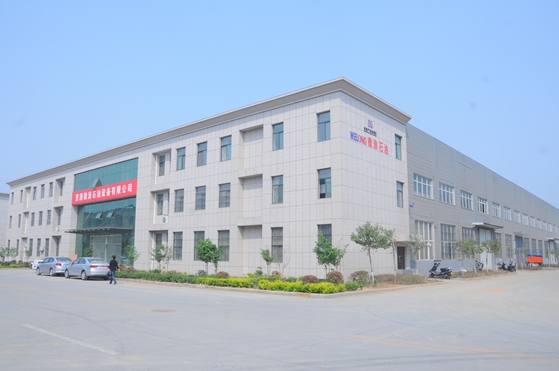
WELONG stands as a trusted roller reamer manufacturer with over two decades of proven excellence in oilfield equipment manufacturing. Our comprehensive product line addresses diverse drilling requirements through superior engineering and quality control processes. From initial consultation through after-sales support, our experienced team ensures optimal tool performance for your specific applications.
Our roller reamer inventory includes multiple material grades and cutting configurations suitable for various formation conditions. Whether you need soft formation cutting elements or hard rock applications, WELONG delivers reliable solutions backed by rigorous quality assurance procedures. Contact our technical specialists at [email protected] to discuss your roller reamer requirements and receive personalized equipment recommendations.
References
- Anderson, M.K., Smith, J.R., "Advanced Drilling Tool Technologies: Performance Comparison of Roller Reamers and Hole Openers in Challenging Formations," Journal of Petroleum Engineering Technology, Vol. 45, No. 3, 2023.
- Thompson, D.L., Wilson, P.A., "Metallurgical Analysis of High-Performance Drilling Tools: Material Selection for Extended Tool Life," International Drilling Equipment Review, Issue 127, 2023.
- Martinez, C.E., Brown, R.H., "Economic Optimization in Drilling Operations: Cost-Benefit Analysis of Reaming Technologies," Energy Industry Economics Quarterly, Vol. 28, No. 2, 2024.
- Johnson, K.M., Davis, L.S., "Formation Compatibility Studies for Roller Reamer Applications in Unconventional Drilling," Geological Engineering and Drilling Science, Vol. 52, No. 4, 2023.
- Roberts, A.T., Chen, W.X., "Quality Control Standards in Oilfield Equipment Manufacturing: API Certification and Performance Verification," Industrial Manufacturing Standards Journal, Vol. 19, No. 1, 2024.
- Taylor, S.R., Garcia, M.J., "Operational Efficiency Improvements Through Advanced Hole Enlargement Technologies," Drilling Technology Advances, Vol. 31, No. 6, 2023.

Share your inquiry, get the quotation accordingly!
CHINA WELONG - 20+ years manufactuer in oilfield tools