Sleeve Stabilizer Design: Why the Mandrel and Sleeve Matter
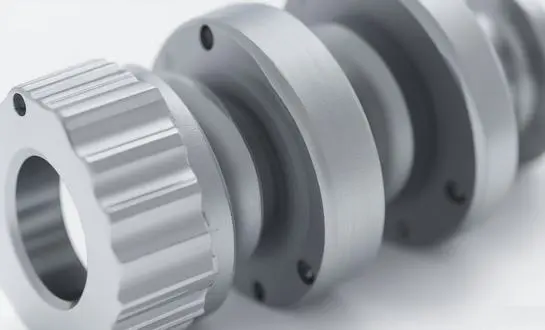
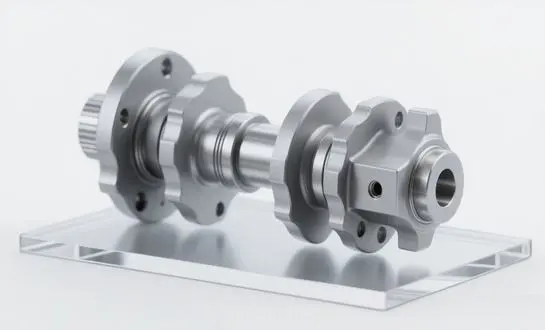
A Sleeve Stabilizer consists of two working parts, an integrated mandrel attached to the bottom-hole assembly (BHA) and a changeable sleeve providing the working surface. The size and interface of the tool influence its fit in the assembly and its contact with the borehole. Knowing how these pieces fit together means that drilling teams may specify a sleeve stabiliser with more certainty, particularly when one mandrel series can be used with sleeves for multiple hole diameters.
How Does the Mandrel Form the Structural Core of a Sleeve Stabilizer?
A Continuous Load-Bearing Backbone
The structural heart of the sleeve stabiliser is the mandrel. It links the tool to the BHA and is intended to handle the axial, torsional and bending stresses experienced in service. Thus the dimensions, material condition and connection design influence the suitability of the overall assembly. Buyers should not consider the replacement sleeve as the complete tool; they should match the mandrel specification with BHA drawings and the manufacturer’s claimed operating limitations.
Connection Geometry and BHA Fit
The sleeve stabiliser must be compatible with the drillstring connectors and the adjacent instruments. Check connection type & size, shoulder details, overall length & any application specific clearance reqs vs approved drawings. This verification ensures the mandrel fits the planned BHA and facilitates effective make-up planning. Sharing the assembly specifics with the supplier also helps to eliminate the discrepancy between the stabiliser specification and the needs of the drilling team.
Material Choices and Magnetic Needs
The mandrel material is selected based on the mechanical requirements of the application and magnetic limitations. WELONG has nonmagnetic and AISI 4145H, AISI 4145H MOD. For the design of adjacent magnetic survey equipment, a nonmagnetic sleeve stabiliser may be provided if necessary. Buyers may ask the supplier to provide confirmation of material availability, required documents and inspection criteria so that the chosen configuration is in line with the project specification.
Sleeve Stabilizer Sleeve Design: How Does the Replaceable Sleeve Control Borehole Contact?
The Sleeve as the Replaceable Contact Member
In a replaceable sleeve stabiliser, the exterior functioning element is the sleeve. The mandrel provides the structural core and connection to the BHA, while the required exterior envelope and blade surfaces that contact the borehole. This separation enables the customer to assess the contact geometry apart from the mandrel. The whole sleeve stabiliser has to be specified for the relevant mandrel series.
Matching the Sleeve to the Hole Size
Sleeve Stabilizer selection starts with the anticipated hole size and the gauge needed for the stabiliser. WELONG’s design enables a single mandrel series to be fitted with sleeves of varied widths for different hole sections. When ordering a sleeve stabiliser, verify the stipulated outer diameter of the sleeve, fit with the mandrel, and appropriate design revision. Clear sleeve identification and dimensions also assist personnel in selecting the correct component for each segment.
Hardfacing as a Surface Specification
WELONG offers hardfacing choices HF1000, HF2000, HF3000, HF4000 and HF5000. These designations should be linked to the application using supplier specifications and should not be taken as a full description of surface performance. Discuss with the manufacturer the specified choice, coverage, and appropriate inspection records for a sleeve stabiliser order. A good specification also makes it easy for both parties to verify that the sleeve delivered meets the needs of the project.
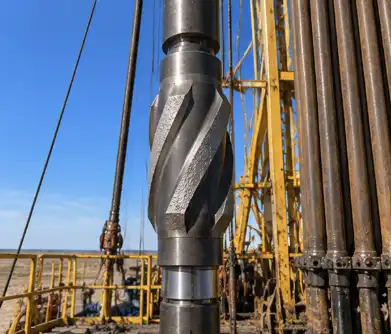
What Makes the Mandrel-to-Sleeve Interface Critical to Sleeve Stabilizer Reliability?
Fit, Concentricity, and Alignment
The interface dictates the sleeve position on the mandrel and the accuracy with which a sleeve stabiliser displays its working surface. It is important to look at the assembly in relation to the design and the gauge it is supposed to work on . Dimensional compatibility and alignment... Buyers should verify appropriate sleeve and mandrel dimensions, tolerances and inspection procedure with the manufacturer. This gives a common foundation for checking the fit before the tool is ready for service.
Retention and Load Transfer
The forces are transferred via the sleeve-to-mandrel assembly by contact at the sleeve. Thus the interface must be as designed by the manufacturer. Retention features and assembly techniques varies from product to product and should be verified against the authorised design, not assumed. Agree the construction procedure, necessary inspections and any applicable maintenance instructions for a sleeve stabiliser This means that the link between the two parts is obvious in the preparation and in the usage.
Inspection Before Running
Inspection is a practical method of making sure that the mandrel and sleeve are as ordered. Before running a sleeve stabiliser into the BHA, the teams may verify the dimensions, visual condition, component identification and documentation of the sleeve stabiliser against the authorised specification. WELONG provides in process and final inspection, and can arrange third party inspection by SGS, DNV etc. If there is a pre-production agreement on the inspection sites, it is much easier to verify.
Sleeve Stabilizer Sleeve OD and Blade Geometry: How Do They Shape Stabilizer Performance?
Outside Diameter Sets the Gauge
The nominal gauge of a sleeve stabiliser is determined by the sleeve outer diameter, and this also dictates how the sleeve is constructed to engage the wellbore. The gauge used should be matched to the hole section and the purpose of the BHA. During purchasing, verify the given OD and method of measurement with the supplier. The completed dimension is recorded so that the stabiliser can be checked against the work specification by the drilling crew.
Blade Geometry and Contact Distribution
Blade width, profile and distribution determine the contact surfaces of the sleeve. These factors may affect the support of the BHA by a Sleeve Stabilizer and the distribution of contact around the tool. The proper design relies on the size of the hole , the arrangement of the assembly , and the purpose of the operation . There is not one blade profile that is acceptable to all applications . The supplier drawing is available to the engineers together with the BHA design for selecting the appropriate usage geometry.
Profile, Flow Area, and Field Fit
The openings between the blades let the drilling fluid to flow around the stabiliser. The blade profile and sleeve dimensions may alter the available flow area, therefore these are important elements to evaluate in conjunction with the drilling-fluid and cuttings-transport plan. Compare the drawing to hydraulic needs and projected BHA clearances for a sleeve stabiliser. This helps to guarantee that the contact geometry and assembly fit are evaluated simultaneously.
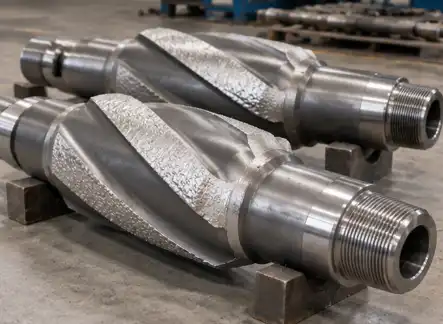
How Does a Replaceable Sleeve Design Extend the Service Life of a Sleeve Stabilizer?
One Mandrel Series, Multiple Hole Sizes
Replaceable design allows use of sleeves of varying diameters for numerous hole sizes in a suitable sequence of mandrels. This may ease equipment design by defining the proper sleeve for each part, rather than having to choose for a separate set of mandrels just to alter sleeve size. Verify sleeve and mandrel compatibility before ordering. Clearly mark parts so the correct sleeve stabiliser configuration is accessible when required.
Planning Sleeve Changes and Service Life
The sleeve is removable and may be replaced if a new size is required or if an examination shows that it should be replaced. If the mandrel is within the manufacturer’s approval requirements, teams may be allowed to continue using a serviceable core. The “field life” of a sleeve stabiliser is application dependent and maintenance driven, thus specify inspection and replacement criteria prior to deployment.
Quality Assurance, Records, and Delivery
When acquiring a sleeve stabiliser, it is important what supplier quality processes are in place and what inspection criteria exist for that product. WELONG is ISO 9001:2015 & API 7-1 certified and was founded in 2001. The ISO 9001:2015 standard defines the standards for quality management systems. WELONG provides in-process and final inspection. Third party inspection available on request with SGS or DNV. And to confirm drawings, inspection records and delivery milestones as part of the order.
Conclusion
The mandrel and sleeve have different but related duties. The mandrel secures the Sleeve Stabilizer in the BHA and bears structural stresses. The sleeve sets its working OD, blade contact and surface specification. It is essential to reliable design to match components and to check interface, size, material, hardfacing, and inspection requirements. A replacement sleeve may make one mandrel series adaptable to numerous hole sizes, as long as compatibility is checked. WELONG's material decisions, customisation, quality checks, inspection assistance, and delivery planning provide purchasers with practical items for discussion before a tool arrives at the rig.
FAQ
1. What are the main parts of a replaceable sleeve stabilizer?
It comprises a mandrel integral and a sleeve separate. The mandrel is the structural backbone, and attaches to the BHA. The sleeve gives the required outer diameter and contact shape. Check that the two components are compatible before purchasing.
2. Can one mandrel be used with sleeves for multiple hole sizes?
Sure. various sleeve sizes may be fitted to various hole sections in a suitable sequence of mandrels. Verify the sleeve to mandrel fit and purpose using the supplier’s drawings and specifications.
3. What materials and hardfacing options does WELONG list?
Materials include AISI 4145H, AISI 4145H MOD, and nonmagnetic versions. The hardfacing choices are HF1000, HF2000, HF3000, HF4000 and HF5000. Ask WELONG to ensure which alternatives fit your project criteria.
Request a Custom Sleeve Stabilizer Quote from WELONG
Custom Sleeve Stabiliser Quote Request from WELONG Do you need a Sleeve Stabilizer designed for a specific mandrel series, hole size or BHA? WELONG China has been providing oilfield and customised products since 2001 and can discuss AISI 4145H, AISI 4145H MOD, nonmagnetic and HF-series hardfacing. Send your connection information, sleeve OD, blade design, material requirements and inspection expectations to [email protected] In-process and final inspections may be coordinated by the team, as well as SGS or DNV third-party inspection, and reviews of cargo by sea, air or rail. FOB, CIF, DDP, DDU terms may be offered. For a drawing review and project price, contact WELONG.
Selected References
1. Bourgoyne, A. T. Jr., Millheim, K. K., Chenevert, M. E., and Young, F. S. Jr. Applied Drilling Engineering. SPE Textbook Series, Volume 2. Society of Petroleum Engineers, 1986.
2. Mitchell, R. F., and Miska, S. Z. Fundamentals of Drilling Engineering. SPE Textbook Series, Volume 12. Society of Petroleum Engineers, 2011.
3. Aadnoy, B. S., Cooper, I., Miska, S., Mitchell, R., and Payne, M. L. Advanced Drilling and Well Technology. Society of Petroleum Engineers, 2009.
4. Rabia, H. Oilwell Drilling Engineering: Principles and Practice. Graham & Trotman, 1985.
5. Moore, P. L. Drilling Practices Manual. 2nd ed. PennWell Books, 1986.
6. American Petroleum Institute. API Specification 7-1: Rotary Drill Stem Elements.
Share your inquiry, get the quotation accordingly!
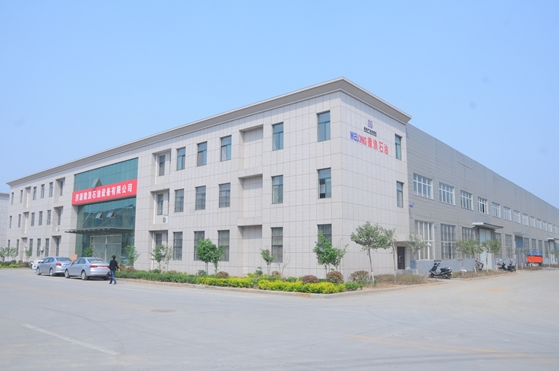
CHINA WELONG - 20+ years manufactuer in oilfield tools