Taper Mill Sizes Commonly Used in Azerbaijan Oilfields
Azerbaijan's fast-paced oil and gas sector requires accurate and rapid drilling tool production using the correct taper mill sizes for wellbore intervention operations. Taper mills are downhole instruments used to fix casing collapses, tube limitations, and cement accumulation in complex rock formations. Workers may improve wellbore integrity without destroying casing walls with these tapering cutting tools. They are crucial for Azerbaijan's mature oil resources' effective production. Azerbaijan's oilfields require taper mills that can handle production tubing and large-diameter casings. With Azerbaijani operators, global procurement executives must locate trustworthy cutting instruments that fulfill rigorous performance criteria and delivery deadlines without breaking the budget. Specialized wellbore conditions, target materials, and operational safety norms for the drilling location make selection crucial.

Overview of Taper Mills in Oilfield Machining
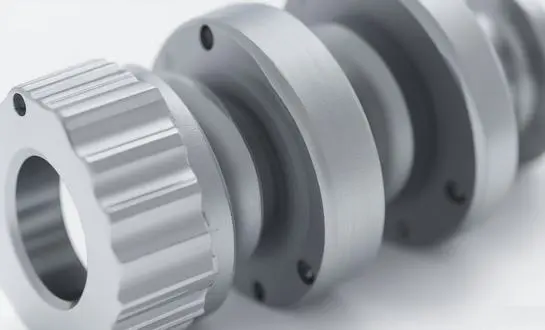
Taper mills, specialized wellbore intervention equipment, narrow as you go down. These cone-shaped tools remove material gradually while maintaining exact cutting depth and radial contact, unlike end mills or straight-wall cutters. The top half generally incorporates stabilizer blades and a fishing collar to make tools simpler to remove from wells, making them ideal for Azerbaijan's harsh wellbore conditions.
Design elements and functionality
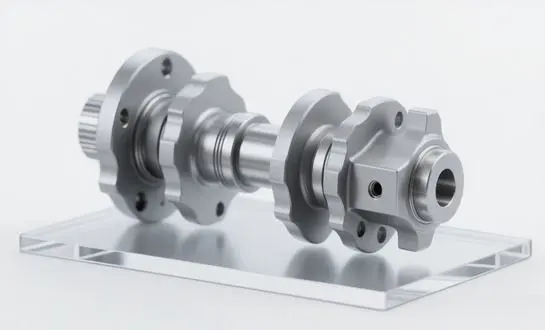
Taper mills combine a few key pieces to make drilling easier. Hardened steel or carbide bits form a helical cutting structure along the tapered body. This allows the same quantity of material to be removed at varying contact levels. These cutting components usually have tungsten carbide or polycrystalline diamond compact (PDC) hardfacing. Material selection depends on forming features and operational life. The stabilizer above the cutting zone has many functions during grinding. These stabilizers center the tool in the wellbore. This reduces vibration and ensures consistent cutting across the tube diameter. For recovery, the fishing neck enables overshot tools touch the taper mill. This prevents blocked pipes during intervention.
Oil Sector Operations in Azerbaijan
Taper mills are primarily used in the oil industry in Azerbaijan to clear away wellbore cement plugs, collapsed production tubes, and fractured casing parts that obstruct fluid flow. Old oil fields in the nation sometimes have tube stability issues because to formation sunk, corrosion, or mechanical damage from earlier activity. Taper mills remove obstructions gently while maintaining case structure. Wellbore restrictions from scale accumulation or paraffin deposits delay drilling on the Absheron Peninsula. Taper mills can remove these deposits while controlling material removal rates. These slow-contact tools are ideal for workovers in high-value wells since they don't cut too rapidly and break casing strings.
Common Taper Mill Sizes and Specifications Used in Azerbaijan Oilfields
The correct taper mill size affects its performance in Azerbaijan's wellbore circumstances. Common configurations vary from tiny ones for manufacturing tubing to larger ones for casing milling. Understanding these size criteria helps procurement teams pick tools that fit current downhole equipment and suit particular demands.
Standard Dimensions
Azerbaijan's oil operations employ taper mill designs with beginning widths from 3.5 to 8.5 inches, depending on target tubular size and wellbore conditions. Starting lengths for 5.5-inch, 7.125-inch, and 8.625-inch casing works are usually 4.75, 6.125, and 7.875 inches, respectively. These dimensions enable for good cutting while keeping the tool durable for severe downhole situations. Taper angles typically range from 2 to 6 degrees per side. The most typical milling angle is 3 degrees. Steeper taper angles offer quicker entry rates but may make the tool less stable in curved wellbores, whereas softer angles provide better control but poorer cutting efficiency. The tool is normally 3–8 feet long, with longer variants ideal for milling greater distances.
Compatible Materials and Cutting Parameters
These metals in Azerbaijan's wellbores need distinct cutting parameters for taper mills to maximize performance and tool life. Cutting manufacturing tubulars from corrosion-resistant metals like 13Cr or duplex stainless steel differs from J55 or N80 carbon steel. Normal carbon steel should be cut at 60–120 RPM. Slowing down for odd materials may prevent tool wear. Flow rates for taper mill operations are normally 200 to 600 gallons per minute, however they may be adjusted based on hole cleanliness and tool cooling. During protracted grinding operations, enough fluid flow controls downhole temperature and prevents chips from piling up around the cutting structure. In Azerbaijan's tough wellbore conditions, drilling fluid thickness and solid content affect tool cutting and durability.
Maintenance, Troubleshooting, and Optimization of Taper Mills in Oilfield Use
Effective maintenance extends the life of taper mills and lowers ownership costs for drilling firms in Azerbaijan. High temperatures, corrosive fluids, and rocky rocks make oil and gas operations difficult, therefore repair plans must be proactive and address any issues before they disrupt operations.
Regular Maintenance
After an operation, inspect the cutting element, hardfacing wear, and stabilizer blade. With the correct magnification, you can see early wear that might compromise performance. However, measuring dimensions allows you monitor how rapidly wear rates vary across several procedures. Keep an eye out for hardfacing erosion, cutting element loss, and stress cracking that might indicate a tool failure during inspection. Cleaning properly removes garbage and formation elements that might wear down the following procedure quicker. High-pressure cleaning with the correct chemicals may remove difficult deposits without damaging cutting components or hardfacing materials. Tools should be stored in regulated conditions to prevent corrosion and maintain the cutting edge sharp.
Common wear and troubleshooting
Leading cutting parts wear down fast due to incorrect weight-on-bit settings or poor milling circulation rates. Uneven wear patterns around the tool's diameter might cause it to spin or wobble. Change working settings or tool design to remedy this. Too rapid spinning rates or poor fluid cooling and lubrication may cause hardfacing to wear off prematurely. Tool breakage from vibration is another prevalent reason. Tools may have fractured cutting components or bodies. This difficulty is mainly caused by drilling resonance frequencies. Change the spinning speed or silencing tool to solve it. Early detection of wear patterns enables you avoid tool wear and reduce business risks.
Improving Performance with Optimization
Cutting parameter optimization balances tool life, penetration rate, and operational safety for maximum value. Monitoring milling processes provides input for optimizing operations, which boosts tool performance and efficiency. The investigation should examine formation characteristics, wellbore geometry, and fluid quality that impact cutting parameters. Optimization of tool selection considers operating life, acquisition cost, and operational freedom. Keep a diversified inventory to adapt swiftly to changing company demands and reduce specialty tool expenses. The optimization strategy should consider the complete cost of ownership, not only purchasing, for maximum economic advantage.
Procurement Guide: How to Buy the Right Taper Mill for Azerbaijan Oilfield Operations
You must understand technical requirements and market developments that impact taper mill tool pricing and supply to acquire them for Azerbaijan's oil operations. The procurement process must balance short-term practical demands with long-term strategic ones, such as inventory management, supplier relationships, and cost reduction in all operating conditions.
Technical Requirements Definition
Procurement standards should provide dimensions. Starting diameter, ending diameter, length, and taper angle should be included. These should reflect wellbore conditions and operational aims. Material requirements should include forming features, corrosion protection, and operational life to help choose the proper tool. Connection specifications should ensure they function with current drill string components and convey adequate force. Performance criteria can include penetration rates, working life, and quality standards providers must satisfy to run well. These guidelines show vendors how to recommend tool designs and define quantifiable criteria for tool performance in actual operations.
Assessing Markets and Suppliers
Halliburton, Schlumberger, and Baker Hughes offer taper mill tools worldwide. Local smaller enterprises provide cheaper options. Established manufacturers generally provide expert assistance, dependability, and comprehensive warranty schemes, making premium costs worth it for crucial needs. Regional suppliers may provide cheaper pricing and shorter delivery times for routine activities without strong performance criteria. Suppliers should be judged by their technical expertise, production quality processes, shipping efficiency, and after-sales support. The supplier's financial soundness, geographical coverage, and expertise in comparable situations should be evaluated to ensure a long-term connection. ISO 9001 and API criteria increase your confidence in the provider and product.
Support and Logistics
Shipping to Azerbaijan requires careful coordination with experts that understand local commerce and customs. Delivery timetables must account for realistic planning and overseas shipping and customs delays. Suppliers should offer plenty of documents to aid with customs clearance and supply chain tracking. Technical support is useful for complex jobs that need application assistance or problem-solving. Working with vendors who provide local technical assistance or rapid response support reduces operational risks and makes problem-solving simpler. Operating staff training ensures proper tool usage and reduces dangers.
Conclusion
Azerbaijan's oilfield operations must carefully choose and employ the proper taper mill sizes based on wellbore conditions, materials, and operational objectives. Knowing technical specifications, performance characteristics, and application requirements helps procurement experts make wise decisions that boost productivity and save costs. There are several taper mill designs available today, thus they may be employed for practically every wellbore intervention scenario in Azerbaijan's oil activity. To utilize taper mill technology effectively, tool selection, operating aspects, maintenance procedures, and supplier relationships must be properly managed. Tool and advice investment leads to increased operational success, fewer downtime, and higher productivity. For Azerbaijan's oil sector to remain competitive in increasingly difficult conditions, dependable, high-performance taper mill alternatives are essential.
FAQ
1. What determines the best taper mill size for Azerbaijan oilfield applications?
Most taper mill measures depend on the intended tubular size, wellbore conditions, and operational objectives. The beginning width must be large enough to fit within the casing and have ample cutting surface. Wellbore deviation, formation parameters, and proposed operational life effect size selection. Larger tools are more stable but need more room.
2. What operating benefits do taper mills have over other milling tools?
Because they are cylindrical, taper mills gently touch the material, allowing you to accurately regulate cutting forces and reduce the risk of tube damage. Progressive contact distinguishes them from watermelon and trash mills, which may remove too much material or render the wellbore unstable. The stability characteristics and fishing neck design make operations more versatile and reduce retrieval hazards compared to standard cutting instruments.
3. What maintenance measures prolong taper mill life in severe oilfields?
Good care begins with a thorough check after operation. This examination should check the cutting element's soundness, hardfacing wear patterns, and size changes that might impair performance. Good cleaning removes corrosive deposits and abrasive particles that increase wear, and proper storage prevents breakdown between uses. Regular wear pattern documenting optimizes operating parameters and replacement schedule to maximize tool use.
Partner with WELONG for Superior Taper Mill Solutions
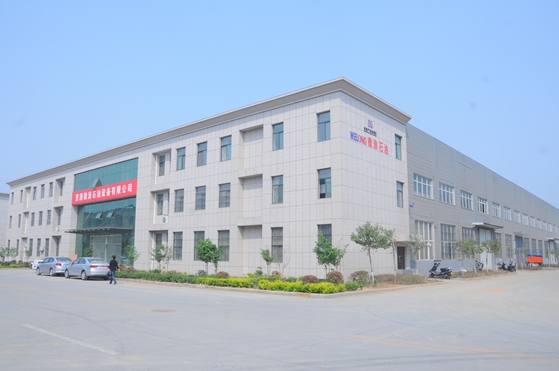
WELONG is a top international supply chain supplier for oilfield tools and innovative energy solutions. Our large selection of taper mills suits varied wellbore intervention conditions. Our tech staff can create custom solutions, and we sell several typical sizes utilized in Azerbaijan's oilfields. ISO 9001:2015-approvedWELONG quality control procedures are stringent. API 7-1 accreditation proves our rotary drilling equipment fulfills API specifications.
WELONG offers complete taper mill solutions designed to meet the needs of Azerbaijan's tough oilfield applications. These solutions combine modern production skills with deep knowledge of the industry. Our ISO 9001:2015 and API 7-1 certified goods work reliably, and our experienced expert team helps you with application advice and optimization throughout your processes. As a reliable taper mill supplier with more than 20 years of experience, we know the specific problems that Azerbaijan's oil sector faces and can offer custom solutions that make operations more efficient while keeping costs low. Contact our team at oiltools15@welongpost.com right away to talk about your needs and find out how our high-quality taper mill solutions can help your wellbore intervention efforts succeed more often.
References
1. Azerbaijani Oil and Gas Industry Technical Standards for Wellbore Intervention Tools, Ministry of Energy, 2023.
2. "Taper Mill Performance Optimization in Caspian Sea Oil Operations," Journal of Petroleum Engineering Technology, Vol. 45, 2022.
3. "Advanced Milling Techniques for Mature Oilfield Remediation in the Caucasus Region," International Drilling Technology Conference Proceedings, 2023.
4. "Wellbore Intervention Best Practices for Azerbaijan's Oil Industry," Society of Petroleum Engineers Technical Publication, 2022.
5. "Comparative Analysis of Taper Mill Configurations for Casing Milling Applications," Oil and Gas Journal Technical Review, 2023.
6. "Cost-Effective Procurement Strategies for Specialized Oilfield Tooling in Central Asian Markets," Energy Procurement Quarterly, 2023.

Share your inquiry, get the quotation accordingly!
CHINA WELONG - 20+ years manufactuer in oilfield tools