What to Check Before Importing Oilfield Tools from China?
Today's drilling and production activities depend on oilfield tools, which have a direct effect on how well, safely, and profitably energy projects around the world run. When B2B procurement experts make the strategic choice to import these specialized tools from China, they get access to advanced production capabilities that have changed a lot in the last twenty years, as well as competitive prices. Chinese companies have put a lot of money into new technologies, quality management systems, and foreign standards for compliance. This makes them good partners for tough oilfield uses. But to do buying right, you have to be very aware of quality standards, following the rules, and the logistics of the supply chain, which can make or break practical goals. In the oil and gas business, where machine failure can cause expensive downtime, safety issues, and regulatory violations, the stakes are especially high. For procurement managers, engineers, and buying directors who have to balance keeping costs low, making sure operations run smoothly, and following the rules, it's important to know about quality assurance, evaluating suppliers, and lowering risks.

Understanding Oilfield Tools and Their Critical Role
Our oilfield equipment ecosystem contains several specific tools for various stages of activities and weather situations. Drill bits, drilling jars, stabilizers, and downhole motors affect how deep and well holes are formed. These tools must be precise and reliable under severe conditions including high temperatures, high pressures, and rough surfaces for extended periods of time. Completement items including packers, perforating guns, bridge plugs, and wellhead equipment make well finishing safe and effective. The effectiveness of these instruments affects production rates, well stability, and reservoir management strategies. Safety gear includes blowout preventers, pressure release valves, and emergency stop systems protects people and the environment.
Operational Impact on Drilling Efficiency
Today's drilling jobs need tools that improve entry rates while keeping control of the hole's direction and quality. Integrating advanced materials, precise manufacturing, and smart design features into tools has changed how well they work, letting users reach their high-level drilling goals in tough conditions. Knowing about these changes in technology helps buying teams figure out what suppliers can do and make sure that product specs match practical needs.
Customization Requirements for Specific Applications
For various rock types, drilling depths, and working situations, special tool combinations are needed to solve unique performance issues. More and more, Chinese manufacturers offer customization services that change standard tool designs to fit specific business needs. These services offer cheaper options to traditional suppliers while still meeting performance standards.
Key Factors to Evaluate Before Importing Oilfield Tools from China
Quality assurance is the most crucial element of purchasing oilfield tools, requiring a comprehensive look at production, material, and testing techniques. Chinese suppliers must demonstrate that they follow API requirements, ISO quality management systems, and safety certificates to create equipment that satisfies global operational demands. API certification is the gold standard for oilfield equipment. Tool quality and performance are strictly regulated to ensure safety and effectiveness. Buying teams should verify that potential sellers have current API certifications for the items they wish to sell and can demonstrate their compliance procedures and test results.
Manufacturing Process Verification
Factory checks give important information about suppliers' skills, quality control systems, and production ability that can't be gathered from paperwork alone. These checks should look at the industrial tools, quality testing facilities, ways of moving materials, and training programs for workers that have an effect on the quality of the products and how reliably they are delivered.
Reliable Chinese makers are happy to have their factories inspected and let inspectors see the production areas, quality records, and testing tools. If suppliers refuse to be audited or make it hard to get into their facilities, it could mean that they don't have good quality control, which could put important industry uses at risk.
Material Specifications and Testing Protocols
For oilfield tools to work well, they need high-quality materials that can handle harsh working conditions like high temperatures, toxic surroundings, and mechanical stress. Imported tools must meet the strict performance standards of modern drilling operations. This is made sure by checking the material approvals, heat treatment processes, and mechanical testing methods.
Chinese companies are using more and more advanced metallurgy and material science skills to compete with traditional providers. However, buying teams need to make sure that these skills are real by looking at thorough material specs, test certificates, and performance validation data.
How to Choose the Right Chinese Oilfield Tool Manufacturers and Suppliers
You must evaluate pricing, quality, reliability, and service skills when picking a provider. The best procurement methods include technical demands, performance targets, and service level agreements before approaching suppliers. Chinese manufacturers still have a pricing advantage, but buyers should consider the overall cost of ownership, including quality concerns, delivery dependability, and after-sales support. The cheapest price may not be the greatest value when you consider how much it will cost to rectify issues, acquire new equipment, and keep operations operating smoothly if the equipment is subpar.
Assessment of Technical Capability
Chinese vendors have everything from basic production abilities to modern, precise facilities that can compete with the world's finest. To evaluate technical abilities, consider manufacturing equipment, quality control systems, engineering assistance, and R&D expenditures that indicate long-term competitiveness. Big Chinese corporations have invested heavily in CNC machining equipment, automated testing systems, and quality control systems to consistently create high-precision tools. These investments demonstrate excellence and the capacity to fulfill demanding oilfield technical criteria.
Service and Support Infrastructure
Complex oilfield tools need ongoing maintenance, specialized assistance, and new components. Chinese vendors with extensive global service networks and competent assistance are more valued than those with limited post-sale support. Global service infrastructure offers professional training, regional service centers, and replacement parts to keep equipment functioning smoothly and prevent downtime. Suppliers that invest in these talents desire long-term relationships with clients, not simply revenue.
Innovation and Product Development
Oilfield tool manufacturers must invest in R&D to be competitive. Innovation is more important to Chinese firms than pricing. They produce tools with smart sensors, improved materials, and greater functionality. Suppliers' R&D spending, patent filings, and relationships with universities or research organizations demonstrate their commitment to technological innovation. These indicators indicate our future competitiveness and ability to react to business demands.
Logistics, Shipping, and After-Sales Considerations for Imports
Logistics management that works properly ensures on-time delivery while minimizing expenses and compliance concerns. Buying teams may better manage import costs and risks by understanding international shipping terminologies like FOB, CIF, and DDP. FOB arrangements allow buyers greater control over logistics providers and delivery timeframes since they handle overseas shipping and customs. The vendor price includes insurance and freight under CIF conditions. Budgeting is easy, but logistics may be limited. Full DDP delivery includes customs processing and taxes. This simplifies administrative tasks for the buyer but may increase expenses.
Bulk Purchasing Strategies
Buying in bulk can cut costs per unit by a lot while still making sure there are enough items in stock to keep activities going. Chinese manufacturers usually give good discounts for large orders, but purchasing teams have to weigh the saves in costs against the risks of going out of style and the cost of keeping inventory.
To get the best order amounts and delivery times, strategic inventory management looks at practical demand trends, lead times, and storage space. Planning together with providers can help you predict demand better, cut down on product needs, and keep operations running smoothly.
Warranty and Service Agreements
Full guarantee protection against flaws in the manufacturing process and early fails that can cause problems and raise costs. The warranty terms should include the length of time the product is covered, how it will be replaced, and performance promises that are sufficient for important uses.
For international guarantee protection to work, there must be clear steps for handling claims, returning products, and getting new ones that don't cause too many problems. Suppliers who have been managing warranties for a long time give more confidence than those whose guarantee processes aren't official or aren't clear.
Our Expertise in Oilfield Tools Supply and Procurement Solutions
WELONG has more than 20 years of experience managing the supply chain for oilfield tools. They have a deep understanding of the industry and a wide range of quality assurance skills that allow them to meet the complex needs of global drilling operations. Our ISO 9001:2015 and API 7-1 certifications show that we are devoted to quality management and following the rules set by the industry. These standards protect your business goals and your investments.
Geological conditions, working limitations, and performance goals must all be taken into account when designing solutions for drilling settings that are very complicated. In order to meet safety and regulatory standards and improve efficiency, our tech team works closely with clients to create custom tool configurations.
For supply chain management to work smoothly, planning must be very good so that deliveries happen on time and costs and legal issues are kept to a minimum. Our well-established global logistics network offers a range of shipping choices, helps with customs clearance, and keeps track of deliveries so that the supply chain stays informed throughout the import process. After the sale, full support includes technical help, advice on maintenance, and access to replacement parts. This protects your investment and keeps operations running smoothly. Our dedication to client success lasts the entire duration of the product. We offer ongoing help that makes sure tools work at their best and operations keep running smoothly.
Conclusion
To successfully buy oilfield tools from China, you need to carefully look at the supplier's skills, quality control methods, and transportation management to make sure they meet your needs and follow all the rules. When looking at the long-term benefits of cost-effective buying, you need to weigh them against the risks of poor quality and service. Due diligence, which includes audits of suppliers, checking of certifications, and calling references, is the basis for building strong purchasing partnerships that produce long-term value while upholding safety and operational excellence standards.
Frequently Asked Questions
1. What certifications should I verify when importing oilfield tools from China?
Some important certifications are API specifications for the right types of tools, ISO 9001 quality management certification, and any safety certifications specific to your business that are needed for your work setting. Check to see if the certifications are up-to-date and came from a reputable licensing body. Ask for specific paperwork, like test results and certificates of compliance that show the company is following international standards.
2. How can I ensure product authenticity and avoid counterfeit tools?
Check the credentials of the seller by doing your own research, having the plant inspected, and calling past customers for references. Real suppliers give you clear access to testing facilities, quality documents, and production facilities. Watch out for prices that seem too low to be true; they could mean that the goods are fake or not up to par, which can be very dangerous for both operations and safety.
3. What shipping methods work best for large-scale oilfield tool imports?
When shipping large amounts of goods, ocean freight is the most cost-effective choice. For urgent needs, air freight is the fastest option. Think about using consolidation services that mix multiple items to get the best shipping rates. Carefully read the shipping terms to understand who is responsible for what costs and risks during the transportation process.
Start Your Oilfield Tools Procurement Journey with WELONG
Are you ready to get the best deals on oilfield tools by working with reliable Chinese manufacturers? WELONG offers procurement options that meet your business goals while keeping costs low by combining industry knowledge, quality assurance, and a wide range of support services. Our track record with drilling equipment makers and companies shows that we can handle complicated import rules while still ensuring quality and compliance.
Get in touch with our sourcing experts to talk about your unique needs and find out how our network of oilfield tools suppliers can help your business succeed. You can email us at oiltools15@welongpost.com to look through our large selection of products and learn how we can customize them for you. Let our knowledge help you make choices about what to buy that will lead to good results that balance quality, cost, and operational dependability.
References
1. American Petroleum Institute. "API Specification 7-1: Specification for Rotary Drill Stem Elements." 2020 Edition.
2. International Organization for Standardization. "ISO 9001:2015 Quality Management Systems - Requirements and Guidelines for Performance Improvements."
3. Society of Petroleum Engineers. "Guidelines for Oilfield Equipment Procurement and Quality Assurance in International Markets." 2023.
4. National Association of Corrosion Engineers. "Materials and Fabrication Practices for Oilfield Equipment in Severe Service Applications." 2022.
5. Offshore Technology Research Center. "Global Supply Chain Risk Assessment for Oilfield Equipment Procurement." 2023.
6. International Association of Drilling Contractors. "Best Practices for International Oilfield Equipment Sourcing and Quality Management." 2022.

Share your inquiry, get the quotation accordingly!
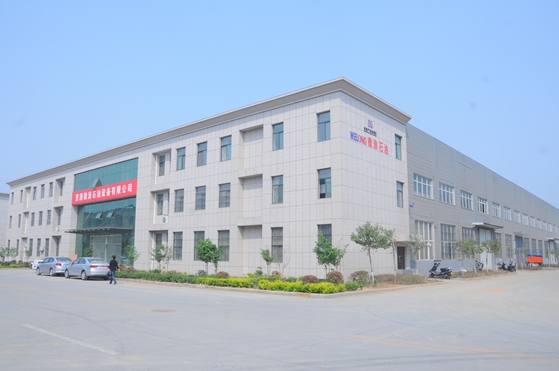
CHINA WELONG - 20+ years manufactuer in oilfield tools