The Importance of Manual Tongs in Oil Drilling Field and Workover Operations
Automated equipment has come a long way, but a manual tong remains one of the most basic and dependable instruments in the oilfield. These are hand-controlled tools used to regulate the make-up and break-out of pipe connections, tubing and casing handling, and wellhead operations in drilling and workover activities. Nothing beats the mechanical simplicity, portability, and cost-effectiveness of a manual tong for field teams operating in distant places, restricted spaces, or when powered equipment is unavailable. In this essay, we will discuss why manual tongs are still so important to safety and productivity in today’s oilfield.
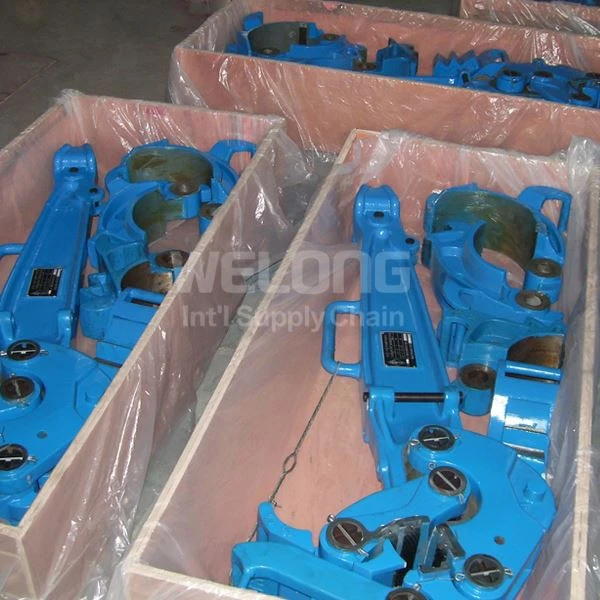
Why Are Manual Tongs Essential Tools in Oil Drilling and Workover Operations?
Reliability and Independence From Power Sources
A manual tong doesn’t need electrical power, hydraulic pressure, or a fuel supply, so it may be used anywhere on the rig or at the wellhead. Such a degree of independence is essential in isolated regions, offshore platforms with limited power supply, or in emergencies when equipment malfunctions. Field staff use manual tongs as a backup tool when powered equipment is unavailable or fails. The mechanical architecture of a well-maintained manual tong will consistently work for decades, offering dependable performance under diverse oilfield circumstances and geographic locales.
Cost-Effectiveness and Operational Efficiency
A manual tong is much cheaper to buy and maintain than motorized options. A typical drilling crew has a few manual tongs of varying sizes that do not involve a significant capital cost or a continuing operating expenditure. Cost efficiency enables oilfield service businesses to outfit many crews and to have appropriate spare equipment and assistance for both huge drilling programs and minor workover activities. The flexibility to use manual tongs on many projects at the same time enhances fleet utilization and decreases equipment downtime.
Safety Control and Operator Confidence
Using a manual tong, field operators have direct control over the makeup and breakout process and can feel and react to connection resistance, thread condition, and seal tightness. This tactile feedback promotes safety by avoiding over-torquing, thread stripping, and damage to the connection. A trained operator utilizing a manual tong may modify the application pressures based on immediate input, thereby lowering the likelihood of equipment failure. The simplicity of manual tong operation means that field operators can learn the correct procedures quickly and implement them consistently for a variety of well types and drilling situations.
How Do Manual Tongs Support Tubing, Casing, and Drill Pipe Handling?
Precise Torque Application for Tubing Connections
In manufacturing and workover activities, correct torque is required for tubing connections to maintain seal integrity while avoiding thread damage. With a manual tong, the operator may apply regulated, progressive torque dependent on the connection type, tubing grade, and thread condition. The operator ‘feels’ when the right tightness of the connection is achieved and may cease applying instantly, preventing over-torquing, which can happen with automated systems. This accuracy is particularly useful when you’re dealing with ancient tubing, unusual fittings, or non-standard arrangements where the connection might behave unpredictably.
Casing Tong Configurations for Various Diameters
Large diameter casing connections need special manual tongs. These tongs are intended for a certain casing size and weight. China Welong supplies casing tongs in a variety of configurations, including 13 3/8-inch casing ranges and custom bigger sizes. These heavy-duty manual tongs are fitted with dies and backup tongs for the greater torque needs of casing make-up. The casing manual tong has a long handle to provide a mechanical advantage so that one man can exert the required force without undue physical effort, thereby increasing both safety and quality of the connection.
Drill Pipe Make-Up and Break-Out in Drilling Operations
During drilling operations, while the drill string is constructed and dismantled, rig operators set up and break out drill pipe connections using hand tongs. A manual tong for drill pipe operations must be able to accept the smaller diameter of drill pipe relative to casing and yet provide sufficient grip and control. The operator is able to establish connections quickly without waiting for powered equipment to set up or worrying about power availability. This efficiency is especially critical during moments of high activity, when the drilling team is building up lengthy drill strings or breaking off pieces during pipe trips.
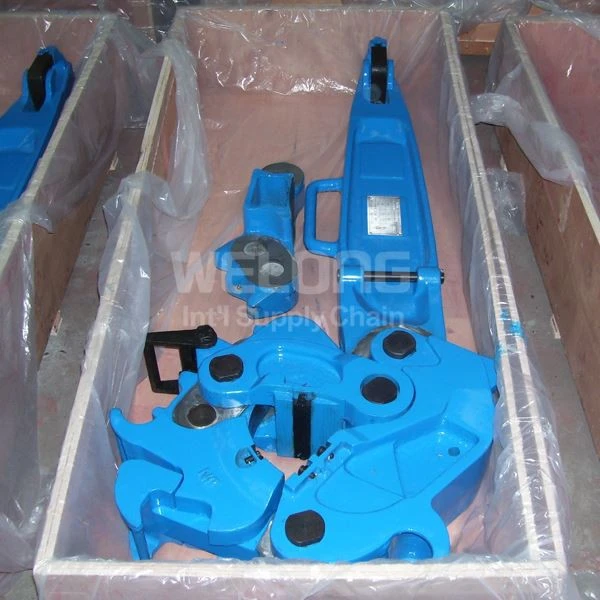
The Role of Manual Tong in Well Service and Field Maintenance Activities
Supporting Workover and Well Intervention Services
Workover operations often require quick connection make-up and break-out on existing production tubing, production casing, or injection strings. A manual tong is the primary tool for these activities, allowing service crews to handle connections safely and efficiently. The portability of manual tongs means that field personnel can carry appropriate tools to the wellhead location without elaborate setup or rigging equipment. Many workover operations in mature oilfields rely primarily on manual tongs rather than powered equipment, making the tool essential for maintaining production infrastructure across diverse field operations.
Quick Equipment Adjustment and Maintenance Work
When wellhead equipment requires maintenance, adjustment, or replacement, a manual tong enables technicians to disconnect and reconnect components quickly. The simplicity of manual tong operation means that support personnel without extensive equipment experience can perform basic connection work under supervision. This flexibility allows maintenance teams to work independently without waiting for specialized equipment operators. A manual tong can be readily available on site, reducing downtime associated with equipment preparation or transportation.
Emergency Response and Contingency Planning
In emergency situations such as well control incidents, unplanned shutdowns, or equipment failures, manual tongs provide crews with reliable tools for rapid response. The tool's independence from power systems ensures it functions when other equipment may be unavailable. Emergency procedures often specify manual tongs as the primary tool for controlling pipe connections during crisis management. The familiarity of field personnel with manual tong operation ensures that emergency response can proceed swiftly without requiring specialized operator training or equipment orientation.
How Does Manual Tong Enhance Control During Pipe Make-Up and Break-Out?
Mechanical Leverage and Progressive Application
A manual tong is designed with a long handle and mechanical construction that provides mechanical advantage for the user to apply regulated force in a progressive manner. Manual tongs enable progressive application of torque, unlike certain automated systems that deliver full torque immediately. This helps to reduce shock loads on connections and tubing. This disciplined method reduces the likelihood of thread stripping, seal damage, or connection breakage. Based on connection state, thread quality, and predicted resistance, the operator may modify the application rate, enhancing overall connection integrity and decreasing field failures.
Tactile Feedback and Real-Time Response
A manual tong enables the operator to use touch feedback to assess the connection state during make-up. The operator can feel when the required torque level has been reached and may detect anomalous resistance, which might indicate thread damage or contamination. This real-time awareness enables the system to react quickly to any issues before they lead to connection failure. Experienced operators have a sensitive feel for connection behavior, and using a manual tong may avoid harming marginal connections by applying carefully and progressively.
Flexibility in Connection Handling
A workover operation may include different tube sizes, casing diameters, and connection types. A manual tong may be readily converted to various pipe sizes by replacing dies and modifying the space between jaws. The versatility of this means that a single manual tong may be used for many different connection types, without the setup time necessary for powered alternatives. Field personnel may carry a modest inventory of manual tongs with various die sets to address the variety of connections that are likely to be encountered, providing efficient assistance for varying operational needs.
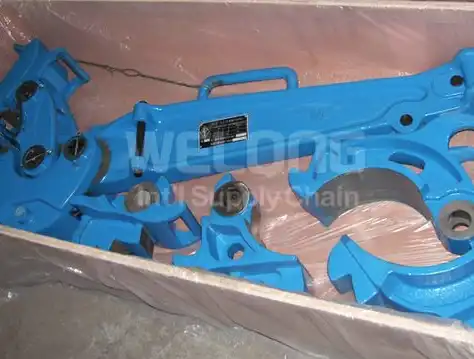
Manual Tong Applications in Challenging Oilfield Working Environments
Remote and Rural Field Operations
In distant oilfields with inadequate infrastructure, manual tongs are generally the main pipe handling tools since powered equipment may not be accessible or economically feasible to deploy. Manual tongs are simple and portable, and are appropriate for tiny wells, isolated sites, and activities with little support infrastructure. Manual tongs may be used independently by field people without the need for external power systems or specific equipment assistance. This skill is particularly useful in emerging markets, where oilfield infrastructure is still growing.
Offshore and Confined Space Work
Space limitations can exist in offshore drilling and production operations that restrict equipment installation and mobility. Manual tongs are ideal for tight places near the wellhead or in subsea module spaces where bigger powered equipment cannot function. The manual tongs are lightweight and small, allowing personnel to operate efficiently in tight rig situations without having to move a lot of equipment around. Manual tongs are commonly emphasized in offshore safety procedures because they may be swiftly deployed and have no other sources of energy that may challenge safety management in the maritime environment.
Extreme Temperature and Weather Conditions
Oilfield activities in arctic areas, high altitude sites and severe environmental zones demand equipment that can work reliable under extreme circumstances. Manual tongs work reliably across temperature extremes without loss of mechanical performance. In severe cold or high altitude, equipment driven by hydraulic or pneumatic systems may function less efficiently, but manual tongs will operate normally. In these harsh situations, manual tongs are an essential instrument, providing basic dependability that will not be affected by temperature, pressure, or air conditions.
Conclusion
A manual tong is still a valuable tool in contemporary oilfield operations, offering cost-effective and dependable control for pipe connections in a variety of applications. Manual tongs continue to assist field safety and productivity from drilling operations and workover activities to emergency response and maintenance work. Its mechanical simplicity, its independence from power sources, and its ability to link to a variety of other devices will keep this instrument relevant. Field workers may have confidence that they are using dependable equipment for vital wellhead operations by selecting quality manual tongs from manufacturers like China Welong, who have a solid track record in the oilfield and strict quality control measures.
FAQ
1. What sizes and types of manual tongs are available for different applications?
A manual tong is manufactured in multiple configurations, including Type SDD, DB, SB, B, and specialized casing tongs for sizes from drill pipe through 13 3/8-inch and larger casing. The correct selection depends on the tubing or casing diameter, expected torque requirements, and specific operational needs of the project.
2. How does a manual tong maintain grip on pipe during make-up and break-out?
A manual tong uses hardened dies that are pressed against the pipe surface through mechanical lever action. The dies grip the pipe firmly, allowing controlled application of rotational force. The mechanical design ensures that grip pressure increases as the operator applies greater lever force, maintaining positive contact throughout the make-up or break-out process.
3. Can a manual tong be used effectively in high-pressure well operations?
Yes. A manual tong is suitable for high-pressure operations because torque application is controlled by the operator based on connection condition and tubing grade. The tool's mechanical design provides consistent leverage regardless of pressure rating. Field personnel should select appropriate tong size and die configuration for the specific tubing grade and connection type being handled.
Source Quality Manual Tongs From WELONG for Your Drilling and Workover Operations
Reliable manual tongs are essential for every oilfield operation. China Welong manufactures durable, precision-engineered manual tongs in multiple configurations to support drilling, workover, and well-service applications. With over twenty years of oilfield equipment experience and ISO 9001:2015 and API 7-1 certifications, WELONG delivers tools that meet international quality standards and field performance requirements. Our manual tongs are built for durability, ease of operation, and consistent performance across diverse oilfield conditions. Whether you need standard Type B or specialized casing tongs, our team can provide equipment matched to your specific requirements. Contact WELONG at oiltools@welongpost.com to request specifications, discuss your operational needs, or arrange delivery of manual tongs for your field operations.
References
1. American Petroleum Institute. Recommended Practice for Care and Use of Drilling Tools, API Recommended Practice 7G-2.
2. Bourgoyne, A. T., Millheim, K. K., Chenevert, M. E., and Young, F. S. Applied Drilling Engineering.
3. Rehm, B., Williams, H. B., McClendon, R. T., and Greene, B. K. Managed Pressure Drilling.
4. Energy Institute. Guidelines for the Provision of Facilities on Offshore Installations.
5. Odell, P. R., and Rosing, K. E. The Future of Oil: World Oil Resources and Use.
6. Grace, R. D. Blowout and Well Control Handbook.
Share your inquiry, get the quotation accordingly!
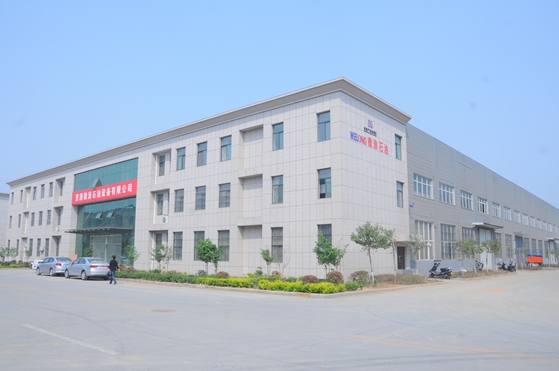
CHINA WELONG - 20+ years manufactuer in oilfield tools