What Is BOP Hose? Uses, Benefits, and Where to Buy
A BOP hose is a specific hydraulic hose used to provide control pressure and hydraulic power to blowout preventer systems during drilling operations. High-performance pipes link the surface hydraulic power unit to the BOP stack, allowing the remote management of wellhead safety devices to avoid well kicks and blowouts. For drilling contractors, oilfield service providers, and operators planning well-building projects, it is important to know what a BOP hose is, how it works, where it is utilized, and how to pick dependable equipment. This detailed manual discusses the use and performance of BOP hose, the criteria for selecting the correct product, and how to find the best source for importing quality equipment to ensure safe and dependable drilling operations.
What Is a BOP Hose and How Does It Work in Drilling Equipment Systems?
Function and Operational Role in BOP Control
A BOP hose carries pressurized hydraulic fluid from the surface control module to the blowout preventer, allowing it to remotely regulate ram blocks, annular preventers, and other auxiliary well-control equipment. During drilling, the BOP is controlled by surface hydraulic controls that are operated remotely by personnel. Pressure signals go down the BOP pipe and trigger the downhole equipment. The BOP hose must provide correct pressure levels, leak-free operation, and reliable, instantaneous response of BOP components to operator orders. In emergency well-control scenarios, the BOP hose is a key interface between surface safety systems and downhole protective devices. BOP hose failure or deterioration may result in improper BOP response and major safety issues.
Pressure and Temperature Design Specifications
A BOP hose is built to withstand harsh environments, often intended to handle pressures up to 10000 PSI (or greater pressures as adapted for certain BOP setups). The hose also must be operable throughout a broad temperature range of -40°C to +121°C to accommodate both Arctic activities and high-temperature wells. This vast working range makes a BOP hose different from typical hydraulic hoses used in less demanding applications. Specialized elastomer compositions, braided reinforcement, and protective armoring allow a BOP hose to remain flexible and retain seal integrity despite exposure to these harsh circumstances.
Material Construction and Protective Features
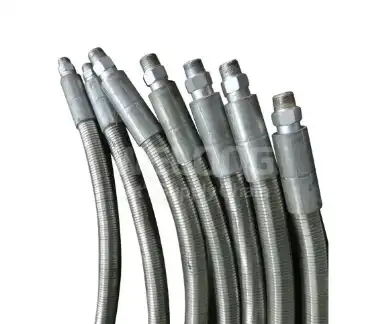
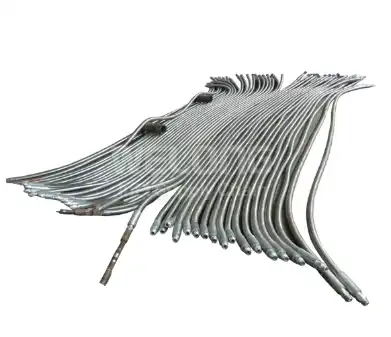
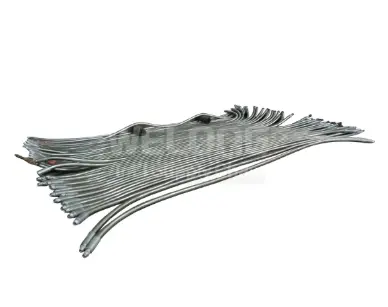
A BOP hose is constructed with many layers designed to be durable, reliable, and fire-resistant. The inner tube is often made of specific elastomers that withstand deterioration from hydraulic fluid and temperature fluctuations. Structural strength and pressure containment are provided by many layers of braided wire or synthetic reinforcement. The hose is protected by outside protective coverings in stainless steel armor or high-molecular polymer kinds against abrasion, mechanical damage, and fire. The BOP hose design provides fire-resistance and heat-insulation qualities, which are crucial safety considerations for drilling operations where dangerous hydrocarbon gases may be present.
Key Applications of BOP Hose in Well Control and Oilfield Operations
BOP Stack Control and Pressure Transmission
The primary application of a BOP hose is transmitting control pressure throughout the BOP stack assembly. Typically, a single BOP hose or a set of parallel BOP hoses connects from the surface control manifold to the BOP stack, carrying pilot pressure and main operating pressure to various BOP rams and control components. The BOP hose must reliably transmit pressure signals without lag or degradation, ensuring that BOP response is immediate and predictable. Multiple BOP hoses of different diameters are often used, with larger hoses carrying main operating pressure and smaller hoses transmitting pilot control signals.
Accumulator System Connection
BOP hoses also connect the BOP stack to hydraulic accumulators positioned topside or subsea, which store pressurized hydraulic energy for emergency BOP closing operations. In well-control situations where surface power is lost or compromised, the accumulator system provides sufficient hydraulic energy to close the BOP using stored pressure. The BOP hose connecting to the accumulator must reliably deliver this critical pressure without any leakage or pressure loss. Proper BOP hose maintenance and periodic pressure testing of the accumulator circuit ensure that emergency backup pressure is always available.
Remote Operation From Drill Floor
Modern drilling operations employ remote BOP control panels located on the drill floor, allowing the operator to control well-control equipment from a distance. BOP hoses transmit the control commands from the surface panel to the BOP stack, enabling instantaneous response. The length of BOP hoses in a typical installation can range from tens to hundreds of feet, depending on rig design and water depth (for subsea operations). Despite this distance, the BOP hose must maintain pressure integrity and deliver command signals with minimal response lag, requiring careful design and quality manufacturing.
Auxiliary Equipment and Choke Manifold Control
Beyond primary BOP control, BOP hoses also operate auxiliary equipment such as the choke manifold, kill manifold, and other well-control components. These secondary control circuits may operate at lower pressures than primary BOP systems but still require reliable hose performance. A comprehensive well-control system often includes dozens of BOP hoses of varying sizes and configurations, all working together to support drilling safety.
How Does BOP Hose Improve Equipment Connection Flexibility and Operation Efficiency?
Accommodation of Equipment Layout Flexibility
BOP hoses provide the flexibility necessary to connect surface hydraulic equipment to subsea BOP stacks when drilling water wells offshore. The hose's flexibility allows routing around rig structures, through cable trays, and along riser pipes without requiring rigid pipe sections that would limit equipment placement options. This flexibility enables rig designers to optimize equipment layout for operational efficiency and safety. A BOP hose can be routed to match actual rig geometry, avoiding costly structural modifications that would be necessary if rigid pipe were required.
Quick Connection and Disconnection for Rig Transitions
When drilling operations transition between wells or when equipment requires maintenance, BOP hoses can be quickly disconnected and reconnected. Modern BOP hose connections incorporate quick-disconnect couplings that allow rapid fluid transfer without extensive setup or alignment procedures. This capability reduces rig downtime during equipment changes and supports efficient well-to-well transitions. The quick-connection feature also facilitates emergency equipment shutdowns, where rapid hose disconnection may be necessary to isolate failed components.
Reduced Installation Time and Cost
Using BOP hoses instead of rigid pipe significantly reduces installation time and associated labor costs. Hose routing is more flexible, requiring fewer supports and alignment adjustments compared to rigid pipe installations. The reduced installation complexity translates to lower project costs and faster rig deployment. For contract drilling operations where daily rig rates represent significant expense, the time savings from using BOP hoses directly impacts project economics.
Vibration Isolation and Equipment Protection
BOP hoses provide vibration isolation between the rigid BOP stack and surface equipment, protecting delicate control components from mechanical shock and vibration. The hose's flexibility absorbs vibration energy that could otherwise damage hydraulic control systems or precision instrumentation. This isolation improves the longevity of connected equipment and reduces maintenance requirements for surface hydraulic systems.
What Should Buyers Know Before Purchasing BOP Hose from a Supplier?
Verify Pressure Rating and Service Specifications
Before purchasing a BOP hose, buyers must confirm that the pressure rating matches the BOP system requirements. Standard BOP hoses are rated for 10000 PSI, but custom higher-pressure ratings are available for specialized applications. Buyers should provide the BOP manufacturer's specifications to the BOP hose supplier to ensure compatibility. The working pressure rating should exceed the maximum anticipated system pressure by an appropriate safety margin. Undersized BOP hoses create unacceptable safety risks and must never be used regardless of cost considerations.
Confirm Temperature Range and Material Compatibility
The BOP hose must function reliably across the full temperature range anticipated in the drilling program, from extreme cold in Arctic operations to high-temperature deep wells. The standard temperature range of -40°C to +121°C covers most applications, but buyers should verify that the selected hose meets specific temperature requirements. The elastomer materials used in the BOP hose construction must remain flexible at minimum temperatures while resisting degradation at maximum temperatures. Custom material grades may be necessary for extreme conditions beyond the standard range.
Assess Hose Size and Connection Requirements
BOP hoses are available in sizes from 1/2 inch to 1-1/2 inch, matching the various flow requirements and connection sizes used in BOP systems. Buyers must specify the correct hose size to ensure adequate flow capacity and proper connection to BOP stack ports. Oversized hoses add unnecessary weight and cost, while undersized hoses restrict flow and increase pressure drop. The BOP hose supplier should confirm that the specified size matches the BOP manufacturer's equipment specifications and drilling system requirements.
Review Armor and Protective Coating Options
BOP hoses are available with stainless steel armor or high-molecular polymer protective coatings. The armor selection depends on the operating environment and expected mechanical stresses. Stainless steel armor provides superior fire resistance and mechanical protection but adds weight. High-molecular polymer coatings offer lighter weight and flexibility while still providing good protection. Buyers should discuss armor options with the supplier and select the best combination of protection, weight, and cost for their specific application.
How to Find a Reliable BOP Hose Manufacturer for Oilfield Projects?
Evaluate Manufacturing Experience and Technical Capability
A reputable BOP hose maker would have vast expertise in the fabrication of pressure hoses for drilling applications. China Welong has been involved in oilfield goods for over two decades and has supplied BOP hoses and other well control equipment for a variety of drilling operations. The added expertise in manufacturing translates to knowledge of BOP system requirements, regulatory standards, and expectations for field performance. Talks regarding hose design, material selection, and customization choices are a good starting point for buyers to evaluate the supplier’s past BOP hose projects, manufacturing capacity, and technical depth.
Verify Quality Management Certifications
ISO 9001:2015 Certification: A certified BOP hose manufacturer should have ISO 9001:2015 certification, showing systematic quality management and a commitment to ongoing improvement. Likewise, China Welong is API 7-1 certified, which means it adheres to the oilfield equipment requirements. These certifications guarantee that quality control is both systematic and recorded throughout the production process. Buyers should investigate existing certifications and how quality management methods are particular to BOP hose production. Additional quality assurance is provided via third-party inspection capabilities of companies such as SGS or DNV.
Assess Customization and Engineering Support
Customized BOP hoses with non-standard pressure ratings, connection types, or protective coatings may be necessary for different drilling operations. “A supplier that can provide custom solutions has something to offer above and beyond one that can only provide catalog products. The supplier should give skilled technical help to handle particular needs and to negotiate trade-offs between pressure rating, weight, flexibility, and cost. During the quote process, responsive technical communication involves how the supplier will assist the project through manufacture and delivery.
Review Inspection and Testing Procedures
Prior to delivery, a BOP hose must be subjected to a complete pressure integrity, temperature resistance, and connection reliability test. Inquire with the supplier about testing methodology, pressure test levels, temperature cycle testing, and documentation of findings. Quality verification proof and a verified pressure test report will be provided by a competent provider. Having the scope of the inspection ensures the BOP hoses that are provided will be compliant with all the standards and ready for deployment in the field immediately.
Conclusion
The BOP hose is an important safety device that allows the safe handling of well-control systems during drilling operations. Reliable performance necessary for drilling safety is provided by high-quality BOP hoses built for high pressure, harsh temperatures, and fire resistance. The right choice of pressure ratings, diameters, and protective coatings is the key to the best equipment performance. By sourcing from experienced manufacturers like China Welong, who have proven quality standards and complete technical assistance, you can guarantee your BOP hose equipment is dependable and satisfies both regulatory requirements and operational objectives. To successfully source excellent BOP hoses for any drilling project, thorough supplier selection and comprehensive specification analysis are key.
FAQ
1. What pressure rating should I specify for a BOP hose?
A standard BOP hose is rated for 10000 PSI working pressure. You should verify the maximum system pressure from your BOP manufacturer's specifications and select a BOP hose rated at or above that pressure. Custom higher-pressure ratings are available for specialized applications. Never use a BOP hose rated below the maximum system operating pressure.
2. What size BOP hose do I need for my drilling system?
BOP hoses are available from 1/2 inch to 1-1/2 inch in diameter. The correct size depends on the flow requirements and connection sizes specified by your BOP manufacturer. You should provide the BOP equipment specifications to the BOP hose supplier to confirm proper sizing. Improper sizing can restrict flow or prevent proper connections.
3. Can a BOP hose be used in high-temperature or arctic operations?
Yes. Standard BOP hoses operate reliably from -40°C to +121°C, supporting both arctic and high-temperature applications. For operations beyond this temperature range, custom material grades may be necessary. You should specify the temperature extremes anticipated in your drilling program so the supplier can select appropriate BOP hose materials.
Source Premium BOP Hoses From WELONG
Ensure reliable BOP control with high-quality BOP hoses from China Welong. Our BOP hoses are engineered for extreme pressure and temperature conditions, featuring working pressures up to 10000 PSI and operating temperatures from -40°C to +121°C. Available in stainless steel armor and high-molecular polymer protective types, our BOP hoses deliver fire-resistance and heat-insulation properties essential for safe drilling operations. With sizes from 1/2 inch to 1-1/2 inch and customizable pressure ratings, we provide BOP hoses matched to your specific BOP system requirements. As an ISO 9001:2015 and API 7-1 certified manufacturer with over twenty years of oilfield experience, WELONG delivers equipment you can rely on. We provide comprehensive testing, pressure certifications, and third-party inspection coordination. Flexible delivery options by sea, air, or rail with FOB, CIF, DDP, or DDU terms ensure convenient global supply. Contact WELONG at oiltools@welongpost.com to discuss your BOP hose requirements, request technical specifications, or place an order for critical well-control equipment.
References
1. American Petroleum Institute. Specification for Wellhead and Christmas Tree Equipment, API Specification 6A.
2. American Petroleum Institute. Specification for Drilling Spool and Adapter Connections, API Specification 16C.
3. American Petroleum Institute. Recommended Practice for Care and Use of Subsurface Safety Valve Systems, API Recommended Practice 14B.
4. Bourgoyne, A. T., Millheim, K. K., Chenevert, M. E., and Young, F. S. Applied Drilling Engineering.
5. Society of Petroleum Engineers. Recommended Practice on Well Control Operations, SPE/IADC Well Control Guidelines.
6. National Academies of Sciences, Engineering, and Medicine. Macondo Well Deepwater Horizon Blowout: Lessons for Improving Offshore Drilling Safety.
Share your inquiry, get the quotation accordingly!
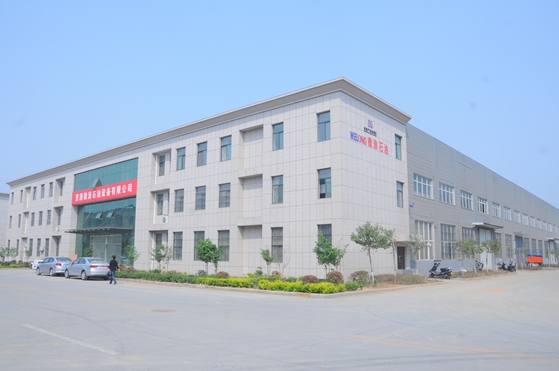
CHINA WELONG - 20+ years manufactuer in oilfield tools