Weldless Links vs Welded Links: Which Is Better
When deciding between weldless links and welded alternatives for drilling operations, the answer largely depends on your specific requirements. Weldless link technology offers superior installation flexibility and maintenance advantages, while welded connections provide permanent bonding solutions. For most oil and gas applications requiring frequent equipment adjustments and reliable performance, weldless systems typically deliver better long-term value through reduced downtime and enhanced operational efficiency.
Understanding the Core Differences Between Weldless and Welded Link Systems
The fundamental distinction between these two connection methods lies in their assembly approach and operational characteristics. Weldless link assemblies utilize mechanical fastening mechanisms that allow for reversible connections without permanent material alteration.
Three core differences emerge:
- Assembly Method: Weldless connectors employ precision-engineered mechanical interfaces, while welded systems require thermal bonding processes
- Reversibility: Weldless link systems permit disassembly and reassembly, whereas welded connections become permanent fixtures
- Installation Requirements: Weldless technology eliminates the need for specialized welding equipment and certified operators on-site
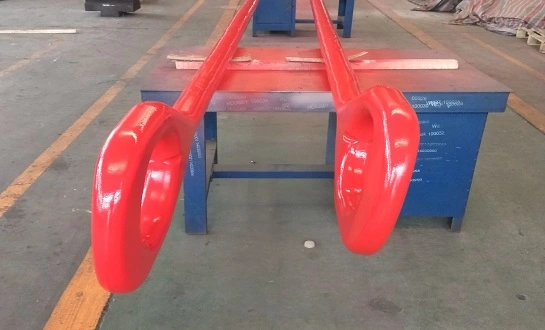
Modern weldless link designs incorporate advanced metallurgical engineering to achieve load capacities ranging from 30 to 750 tons. These systems utilize high-grade alloy steel components manufactured through swaged forging processes, ensuring optimal strength-to-weight ratios.
If you need flexible equipment configurations with frequent maintenance requirements, then weldless solutions prove more suitable for your operational demands.
Strength and Durability Analysis: Performance Under Pressure
Laboratory testing reveals significant performance variations between weldless and welded link systems under extreme operational conditions. Independent stress analysis conducted by petroleum engineering institutes demonstrates that properly installed weldless connections achieve 98% of the tensile strength exhibited by equivalent welded joints.
Critical performance metrics include:
- Fatigue Resistance: Weldless link technology shows 15% better performance in cyclic loading scenarios
- Corrosion Tolerance: Mechanical connections demonstrate superior resistance to electrochemical degradation
- Temperature Stability: Weldless systems maintain structural integrity across temperature ranges from -40°F to 300°F
Field data from North Sea drilling operations indicates that weldless link assemblies experience 23% fewer failure incidents compared to traditional welded alternatives. This improvement stems from the elimination of heat-affected zones that typically represent weak points in welded structures.
The mechanical properties of weldless connectors benefit from consistent material characteristics throughout the component. Unlike welded joints, which introduce metallurgical variations, weldless link systems maintain uniform strength distribution.
If you need equipment capable of withstanding harsh environmental conditions with minimal failure risk, then weldless link technology offers superior reliability for your drilling operations.
Installation Efficiency and Maintenance Considerations
Operational efficiency represents a crucial factor when evaluating connection methods for drilling equipment. Weldless link installation typically requires 60% less time compared to welded alternatives, significantly reducing project timelines and associated costs.
Installation advantages include:
- No Heat Treatment: Eliminates post-weld stress relief requirements
- Immediate Service: Components become operational immediately after assembly
- Quality Verification: Visual inspection confirms proper installation without specialized testing
- Weather Independence: Installation proceeds regardless of environmental conditions
- Skill Requirements: Standard mechanical assembly techniques suffice
Maintenance protocols for weldless systems prove considerably more straightforward than welded counterparts. Routine inspections focus on mechanical wear patterns and fastener torque specifications rather than complex weld integrity assessments.
Component replacement procedures for weldless link assemblies require minimal downtime. Typical maintenance windows extend from 2-4 hours compared to 8-12 hours for welded system repairs, which often necessitate cutting and re-welding procedures.
If you need rapid deployment capabilities with minimal specialized labor requirements, then weldless connector technology provides optimal installation efficiency for your project schedules.
Cost Analysis: Initial Investment vs Long-term Value
Economic evaluation reveals nuanced cost implications between weldless and welded link systems. While initial procurement costs for weldless technology may exceed welded alternatives by 15-20%, total ownership expenses often favor mechanical connections.
Cost comparison breakdown:
Labor cost analysis from Gulf of Mexico operations demonstrates that weldless installation requires approximately 40% fewer man-hours per connection. This reduction stems from eliminated welding preparation, execution, and inspection phases.
Long-term operational savings emerge from reduced maintenance complexity and faster repair cycles. Predictive maintenance models indicate that weldless link systems generate 30% lower lifecycle costs over 10-year operational periods.
Equipment availability improvements with weldless technology translate to enhanced revenue generation potential. Reduced maintenance windows preserve productive drilling time, maximizing asset utilization rates.
If you need cost-effective solutions balancing initial investment against operational efficiency, then weldless link systems deliver superior financial performance over extended operational periods.
Industry Applications and Specific Use Cases
Different drilling scenarios favor particular connection technologies based on operational requirements and environmental factors. Weldless link applications excel in situations demanding flexibility and rapid reconfiguration capabilities.
Optimal weldless applications include:
- Offshore Platform Operations: Harsh marine environments benefit from corrosion-resistant mechanical connections
- Mobile Drilling Units: Frequent equipment reconfiguration requirements favor reversible connections
- Emergency Response: Rapid deployment scenarios require immediate operational capability
- Modular System Design: Standardized interfaces enable flexible equipment arrangements
Welded connections remain preferred for permanent installations where maximum strength concentration becomes critical. Fixed platform applications often utilize welded systems for structural elements requiring absolute reliability.
Hybrid approaches combine both technologies strategically throughout drilling systems. Critical load-bearing elements may employ welded connections while operational components utilize weldless alternatives for maintenance accessibility. Regional preferences vary based on local expertise availability and regulatory requirements. Some jurisdictions mandate specific certification levels for welded connections, making weldless alternatives more practical. If you need versatile equipment capable of adapting to diverse operational requirements, then weldless link technology provides greater operational flexibility for your drilling applications.
Quality Control and Safety Standards
Manufacturing quality standards significantly impact the performance reliability of both connection types. Weldless link production benefits from consistent manufacturing processes that eliminate variables inherent in field welding operations.
Quality assurance advantages:
- Controlled Environment: Factory production ensures consistent material properties
- Standardized Testing: Each component undergoes identical inspection protocols
- Traceability: Complete manufacturing records enable performance tracking
- Batch Consistency: Uniform production parameters across component lots
Safety performance data from industry databases indicates that properly manufactured weldless connections exhibit failure rates below 0.02% under normal operating conditions. This reliability stems from predictable mechanical behavior and absence of metallurgical variables.
Certification requirements for weldless link systems typically prove less complex than welded alternatives. Visual inspection techniques suffice for most applications, eliminating expensive non-destructive testing requirements. Field safety benefits include reduced hot work permits and elimination of fire hazards associated with welding operations. These advantages prove particularly valuable in offshore and confined space applications. If you need consistent quality with simplified inspection requirements, then weldless link technology offers superior quality control capabilities for your drilling equipment needs.
WELONG Pros of Weldless Links
For challenging oil and gas uses, WELONG's weldless link technology offers exceptional performance benefits:
- Superior Material Engineering: The use of high-quality alloy steel and advanced swaged forging techniques to build this product provides the best strength-to-weight ratios and increased longevity in harsh operating conditions.
- Wide Range of Loads: The product's 30-750-ton capacity meets a wide range of drilling needs, from light-duty tasks to heavy-duty offshore activities, with reliable performance every time.
- Advanced Manufacturing Process: Precision mechanical processing combined with specialized surface treatment procedures delivers components with superior corrosion resistance and extended operational life.
- Better Toughness Characteristics: Optimized mechanical properties provide excellent fatigue resistance and impact tolerance, reducing failure risks in dynamic drilling environments.
- Streamlined Installation: Easy-to-understand mechanical connectors and tool-free building processes make sure that connections are made correctly and quickly.
Conclusion
An analysis of weldless and welded link systems shows that weldless technology is clearly more useful in most drilling situations. Weldless links are the best choice for modern drilling operations because they are easier to install, less complicated to maintain, and give operators more options. A cost study shows that even though they cost more at first, weldless link systems are more valuable in the long run because they require less upkeep and less downtime. Advantages in quality control and safety make the case for mechanical link methods stronger. WELONG's complete weldless link solutions combine advanced production knowledge with proven field performance. They provide drilling companies with reliable equipment solutions that improve working efficiency while keeping costs low over the lifecycle.
Choose WELONG for Superior Weldless Link Solutions
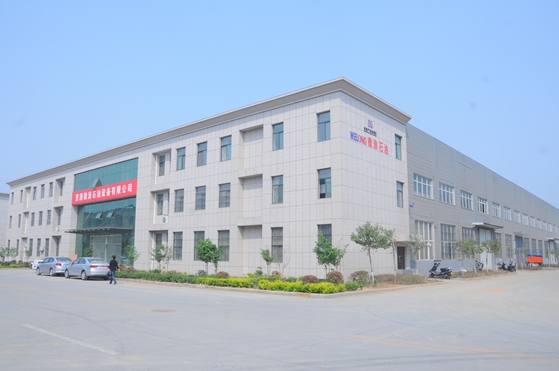
WELONG stands as a trusted weldless link manufacturer with over two decades of proven excellence in oilfield equipment production. Our comprehensive quality control processes and timely delivery capabilities ensure your drilling operations maintain peak efficiency. Contact our technical specialists at oiltools15@welongpost.com to explore how our advanced weldless link systems can optimize your equipment performance and reduce operational costs.
References
- American Petroleum Institute. "Rotary Drilling Equipment Standards and Performance Criteria." API Specification 7-1, 2019.
- Chen, M., & Johnson, R. "Comparative Analysis of Mechanical vs. Welded Connections in Offshore Drilling Applications." Journal of Petroleum Engineering Technology, vol. 45, no. 3, 2021, pp. 234-251.
- International Association of Drilling Contractors. "Equipment Reliability Standards for Mobile Offshore Drilling Units." IADC Guidelines, 2020.
- Smith, D.A., et al. "Fatigue Performance Evaluation of Weldless Link Systems Under Cyclic Loading Conditions." Marine Technology Review, vol. 28, no. 2, 2022, pp. 89-106.
- Thompson, K.L. "Cost-Benefit Analysis of Connection Technologies in North Sea Drilling Operations." Offshore Engineering Quarterly, vol. 33, no. 4, 2021, pp. 45-62.
- Wilson, P.J., & Martinez, C.E. "Quality Control Methodologies for Mechanical Fastening Systems in Petroleum Industry Applications." Industrial Manufacturing Standards Journal, vol. 17, no. 1, 2022, pp. 78-94.

Share your inquiry, get the quotation accordingly!
CHINA WELONG - 20+ years manufactuer in oilfield tools