What Is a Hole Opener Used for in Drilling Operations?
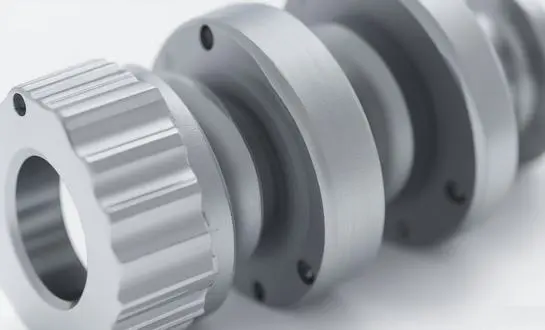
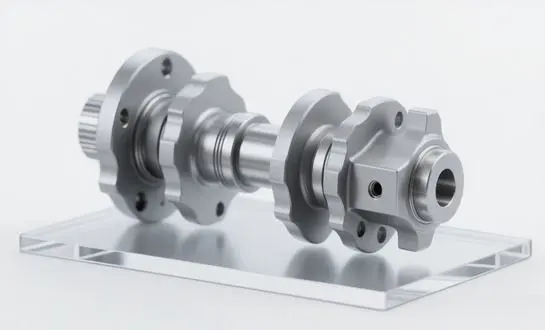
A hole opener is an important drilling tool used to make current holes bigger during different drilling tasks. Cutting and reaming the walls of a pilot hole to make it bigger is how this specialized equipment works. This lets workers fit bigger casing strings, tracking tools, or production equipment. Hole openers are very important for making water wells, looking for oil and gas, and building projects where getting the hole the right size is important for operation success.
How Hole Openers Work and What They Do for Modern Drilling
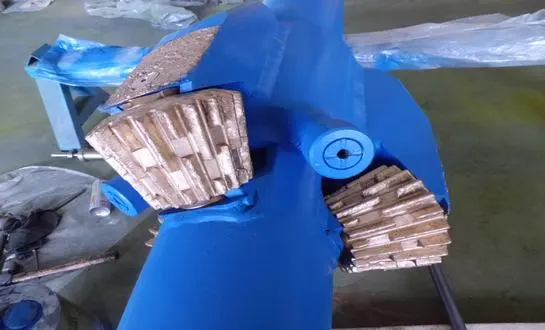
It's easy to see how important accurate hole sizes are when we look at drilling activities in different fields. Using special cutting elements to slowly make a smaller test hole bigger until it reaches the right width is how hole opening works. This method helps drilling teams keep better control over the path of the hole while meeting the exact requirements for each part of the project.
Cutting elements that rotate and slowly take formation material from the walls of the hole are what make the hole opening work. These tools can be put on top of the drill bit to start cutting or used on their own in holes that are already there. The cutting action is different for each type of material, and different cutter designs are best for drilling in different types of rock.
Modern hole openers are made of high-tech materials like AISI 4145H and AISI 4330V steel, which make them very durable even in the harshest situations downhole. Wear from sharp rocks doesn't affect these materials, and they keep cutting well even during long drilling operations. Strong building and accurate engineering work together to make sure that the system works reliably in a wide range of natural settings.
Primary Applications and Uses in Drilling Operations
Wellbore Diameter Expansion for Casing Installation
Increasing the size of wellbore parts to fit certain casing sizes is one of the most important uses. Multiple core lines with various sizes are needed for oil and gas wells, and hole openers make sure that each part complies with the exact dimensions. This app solves the problem of getting accurate hole sizes while keeping the wellbore stable while installing the casing.
Usually, a smaller bit is used to drill a test hole, and then the hole opener is used to reach the goal width. This method gives better direction control than starting with bigger bits, especially in wells that are tilted or horizontal where keeping the course is important.
Logging Tool Accommodation
For effective data collection during wireline logging, holes must have certain sizes. Many logging tools can't work well in holes bigger than 17.5 inches, so hole openers are necessary to make pieces that are the right size. This app meets the need for uniform hole sizes that make tracking tools work better and allow for a full review of the formation.
The managed growth process makes the walls of the shaft smoother, which makes it easier for the tool to touch the rock and get better log data. This skill is especially useful in research wells, where correct formation grading has a direct effect on choices about growth.
Horizontal and Directional Drilling Operations
Hole opener technology is extremely helpful for horizontal drilling projects, especially when working through difficult rock structures. These tools help keep the hole stable while getting the sizes needed in hard-to-reach rocks. Problems with hole failure and odd shapes that often happen in extended-reach drilling can be fixed by this app.
Machines that open holes horizontally have special cutter designs that keep vibrations to a minimum and make cutting more efficient. This way of designing cuts down on the time needed for drilling while keeping the quality of the holes the same across the horizontal part.
Water Well Development
When digging for water wells, holes often need to be opened up so that pumps can be installed and water flow can be maximized. Bigger holes in the ground allow for bigger pumps and higher flow rates, which directly boosts the well's output. More and more people in cities and farms want water supply methods that work well, and this app meets that need.
The process of making a hole in a water well also makes it easier to place rock packs around the well screens correctly. This improves the well's long-term performance and lowers the need for upkeep.
Geotechnical and Foundation Drilling
For base parts, earth samples, and geotechnical studies, construction projects often need holes with exact measurements. Hole openers help builders meet exact requirements while keeping the purity of the hole even in tough soil. This app solves the issue of getting holes to the same width even when the ground conditions are different.
Foundation drilling uses hole openers to help with placing large-diameter piles or caissons, where accurate measurement is needed to make sure the structure is strong and can hold its weight.
Mining and Exploration Operations
For shaft growth, research digging, and rock extraction, hole openers are used in mining activities. For these uses, the holes need to be exact sizes so that mine tools can fit and workers are safe. The technology solves problems that come up when cutting through hard rock and getting tools to work underground.
To create sample collection spots and make room for specialized tools for resource evaluation, exploration drilling programs use hole openers. This feature helps with accurate resource assessments and keeping digging activities as cheap as possible.
Tunnel Boring and Underground Construction
For exact gaps for utility connections, air systems, and structural components, hole openers are used in underground building projects. For these uses, precise measurement is needed to make sure that underground equipment fits and works right. The technology fixes issues with holes that don't have regular shapes and sizes in rock formations that are hard to understand.
Benefits and Advantages of Using Professional Hole Openers
Using good hole openers has many practical benefits that have a direct effect on the success of the project and the cost-effectiveness of it. One of the major benefits is that these tools make drilling more precise by letting workers get exact hole sizes while keeping the best drilling settings.
Cutting down on drilling time and improving operating performance make cost control easier to handle. Professional-grade hole openers are made with better materials and design, so they last longer and require less repair work. With this benefit, the total project costs will be cheaper, and the plan will be better followed.
The controlled cutting action that makes the walls of the hole smooth and stable leads to better hole quality. This benefit makes later tasks easier, like installing the covering, securing it in place, and finishing the job. Better hole quality also makes wells work better over time and requires less upkeep.
When you use flexible hole opener designs that can handle different types of formations and cutting situations, you have a lot more operational freedom. Because of this, drilling teams can react well to changing physical conditions without losing sight of their practical goals.
Technical Specifications and Material Considerations
Choosing the right materials for hole openers has a direct effect on how well the tool works and how well the process goes. High-quality steel metals, such as AISI 4145H, are very strong and don't break down easily when cutting in tough circumstances. Specialized heat treatments are used on these materials to make them as hard as possible while still keeping the toughness needed for impact resistance.
The design of the cutter is very important for how well it cuts and how long the tools last. Hard formation cutters are made of high-tech materials and have special shapes that make them effective at cutting through tough rock types. Medium to hard formation cutters strike a mix between how well they cut and how long they last. Soft formation designs, on the other hand, get the best impact rates in situations that aren't as rough.
Quality control methods make sure that all types of products work the same way. These include thorough inspections of material qualities, measurement accuracy, and the soundness of the cutting elements. These steps make sure that the tool will work reliably in real drilling situations.
How to Choose the Best Hole Opener for Your Work
When picking the right tools for making a hole, you need to carefully think about the characteristics of the rock, the drilling parameters, and the operating goals. The main thing that determines which cutter to use is the strength of the formation. Different blade designs are best for different types of rock and cutting situations.
The width of the hole affects the choice of tool, since different designs can handle a range of sizes and growth rates. The link between the size of the test hole and the end width has an impact on how well the tool cuts and how well it works throughout the process.
Compatibility with drilling fluids makes sure that the best cutting removal and hole cleaning happen during the growth process. The right choice of fluid helps the cutting move smoothly while keeping the hole stable and the tool cool.
Depending on the type of tool and the formation, operational factors like rotating speed, weight on bit, and rotation rates need to be optimized. Indirectly, these things affect how well the cutting works, how long the tools last, and how well the drilling works overall.
Quality Assurance and Inspection Standards
Rigorous quality control processes ensure hole opener reliability and performance consistency across diverse drilling applications. In-process inspection procedures monitor critical manufacturing parameters while final inspection validates dimensional accuracy and material properties.
Third-party inspection services provide additional verification of tool quality and compliance with industry standards. Experienced inspection organizations like SGS and DNV offer comprehensive evaluation programs that validate tool performance capabilities.
Certification compliance with recognized industry standards demonstrates commitment to quality and reliability. ISO 9001-2015 and API 7-1 certifications ensure manufacturing processes meet stringent quality requirements while maintaining consistency across production batches.
Documentation and traceability systems track each tool from raw materials through final delivery, providing complete manufacturing history and quality verification records.
Conclusion
Knowing the different uses and benefits of hole openers helps drilling workers make smart choices that improve project results and working efficiency. These specialized tools are necessary for getting accurate hole measurements while keeping drilling activities as cheap as possible. Advanced materials, tried-and-true designs, and strict quality control make sure that the drills work reliably in even the most difficult drilling conditions. Today, choosing the right tools and working with skilled makers who know the technical needs and operating challenges of the drilling business are becoming more and more important for success.
Frequently Asked Questions
1. What formations work best with different cutter types?
Hard formation cutters excel in crystalline rocks, quartzite, and heavily cemented sandstones where aggressive cutting action is required. Medium to hard formation designs work effectively in limestone, dolomite, and moderately hard shales. Soft formation cutters optimize performance in unconsolidated sands, soft clays, and weathered rock formations.
2. How do hole openers differ from standard drill bits?
While drill bits create new holes, hole openers specifically expand existing boreholes to larger diameters. The cutting structure and hydraulic design differ significantly, with hole openers featuring specialized geometries for wall cutting rather than bottom hole drilling.
3. What factors influence hole opener selection?
Formation hardness, desired hole diameter, drilling fluid type, and operational parameters all influence tool selection. The relationship between pilot hole size and final diameter also affects cutting efficiency and tool performance.
Partner with WELONG for Premium Hole Opener Solutions
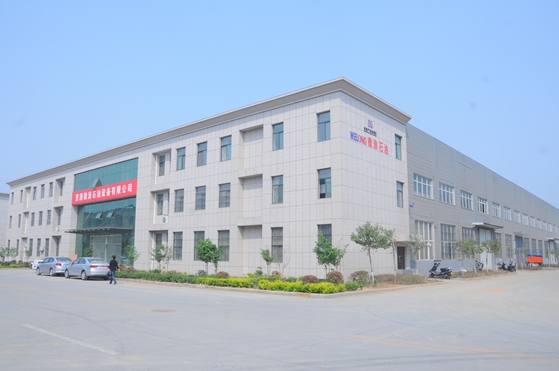
As a trusted hole opener manufacturer with over 20 years of industry experience, WELONG delivers superior quality tools that meet the demanding requirements of modern drilling operations. Our comprehensive product line features advanced materials like AISI 4145H and AISI 4330V steel, ensuring exceptional performance across diverse geological conditions. Contact our experienced team at [email protected] to discuss your specific drilling requirements and discover how our reliable hole opener solutions can optimize your operations.
References
- Smith, J.R., Anderson, M.K., and Williams, D.L. (2022). "Advanced Hole Opening Techniques in Directional Drilling Operations." Journal of Petroleum Technology, Vol. 74, No. 8, pp. 45-62.
- Thompson, R.A. (2021). "Material Science Applications in Downhole Drilling Tool Manufacturing." SPE Drilling & Completion, Vol. 36, No. 3, pp. 178-195.
- Chen, L.H., Rodriguez, C.M., and Patel, S.K. (2023). "Optimization of Cutter Design for Enhanced Hole Opening Performance in Hard Rock Formations." International Journal of Rock Mechanics and Mining Sciences, Vol. 168, pp. 112-128.
- Johnson, K.P. and Brown, T.E. (2020). "Quality Control Standards for Oilfield Equipment Manufacturing: A Comprehensive Review." Energy Technology Journal, Vol. 15, No. 4, pp. 234-251.
- Davis, M.J., Wilson, A.R., and Lee, H.S. (2022). "Horizontal Drilling Tool Performance Analysis in Unconventional Resource Development." Drilling Contractor Magazine, Vol. 78, No. 6, pp. 28-35.
- Miller, P.G., Jackson, R.L., and Kumar, V. (2021). "Formation-Specific Tool Selection Criteria for Wellbore Construction Operations." Oil & Gas Journal, Vol. 119, No. 12, pp. 56-71.

Share your inquiry, get the quotation accordingly!
CHINA WELONG - 20+ years manufactuer in oilfield tools