What Is Drill Pipe Used for in Oil and Gas Drilling?
Oil and gas drilling depends on drill pipe, which is a circular steel tube that connects tools on the surface to the drill bit that is buried thousands of feet below. These smooth steel tubes let drilling fluid flow through them while also holding the whole drill string system and sending rotating force to it. Modern oil extraction would not be possible without effective drill pipe systems. This makes these parts very important for energy production around the world.

Understanding the Basic Role of Drill Pipe in Oil and Gas Extraction
Creating wellbores that can go several miles into the ground is part of the process of getting oil and gas from deep underground sources. The drill pipe is an important link between what's being done on the surface and what's being cut at the bottom of the hole.
Along with these other hollow steel tubes, they make up what drillers call the drill string. The length of each piece is usually between 27 and 32 feet, but larger 45-foot joints are used in some situations. The hollow inside lets drilling mud move down the pipe, out through the drill bit, and back up to the top with rock samples and information about the formation.
These days, drilling jobs need to be very precise and reliable. For a single wellbore, hundreds of drill pipe joints may need to work together perfectly. The smooth design of high-quality equipment makes sure that the structure stays strong even in harsh conditions like high pressure, toxic surroundings, and constant spinning.
Core Applications of Drill Pipe in Oil and Gas Operations
Drilling Fluid Circulation and Wellbore Management
Drill pipe primarily circulates drilling fluids across the wellbore. Surface mud pumps drive specially designed drilling mud through the drill string's hollow interior. Through drill bit nozzles, this fluid cools the cutting surface and returns rock debris to the surface through the annular region surrounding the drill pipe. This circulatory system performs numerous vital duties. The drilling fluid creates hydrostatic pressure to keep formation fluids out of the wellbore. Lubricating the drill bit and string with mud reduces wear and equipment failure. Surface geologists who study cuts to understand subsurface formations also benefit from the returning fluid. Wellbore instability may induce hole collapse, equipment damage, and safety issues without drill pipe fluid circulation. Quality drill pipe has a seamless inside to prevent turbulence and pressure losses that reduce drilling efficiency.
Rotational Power Transmission to the Drill Bit
The drill string transfers surface equipment rotational energy to the drill bit in modern drilling. A surface rotary table or top drive system spins the drill string assembly and all drill pipe joints. To keep cutting at the bottom of the hole, this rotation must transfer smoothly across thousands of feet of drill pipe. The threaded connections between drill pipe joints must endure massive torque while remaining aligned. Even little misalignment might cause premature wear, connection failure, and drilling issues. Each drill pipe junction can withstand these rotating stresses throughout lengthy drilling operations due to high-grade steel construction and accurate fabrication. Directional drilling necessitates more equipment performance. Bending and flexing the drill string while transmitting rotation is necessary when drilling horizontal or deviated wells. Drill pipe material and wall thickness are crucial to operational performance.
Weight Distribution and Bottom Hole Assembly Support
Drill string assemblies load the drill bit with hefty drill collars and other bottom hole assembly components. To avoid fatigue failures and enhance drilling performance, the change from heavy, inflexible collars to lighter, more flexible drill pipe needs careful engineering. Standard drill pipe has enough flexibility and tensile strength to sustain the bottom hole assembly and manage weight transfer to the drill bit. The equipment must securely transport this weight to the surface while rotating freely in the wellbore. In deeper wells, the drill pipe is heavy and must be handled. To avoid pipe strain or failure, load calculations and adequate drilling must be done since hundreds of feet of drill pipe might exceed joint safety limitations.
Wellbore Trajectory Control and Steering
Drill pipe flexibility and strength are crucial for horizontal and extended reach drilling. Drill strings must negotiate various wellbore trajectories while preserving structural integrity and operational control. The equipment must bend easily across curved wellbore portions without buckling or causing severe side stresses that might harm the casing or formation. Drill pipe material and wall thickness determine its capacity to travel difficult pathways. Measurement and logging while drilling (MWD) instruments in the drill string use drill pipe connectors to transport data and power. Communication with downhole devices that direct steering requires electrical and mechanical integrity of drill pipe junctions.
Formation Testing and Evaluation
Drill pipe allows formation assessment procedures that offer vital reservoir information while drilling. Packers and testing equipment on the drill string isolate formation periods for drill stem testing. Drill pipes carry formation fluids and support testing equipment. In testing, drill pipe hollow interiors enable formation fluids to flow to the surface for investigation. Reservoir engineers may assess formation productivity, fluid parameters, and reservoir pressure to inform field development. Drill pipe advances coring instruments to target formations and recover rock samples for geological research. While stabilizing the wellbore, the drill string must precisely regulate and support specialist coring equipment.
Emergency Response and Well Control
In well control or drilling crises, drill pipe is essential to safety. Kill fluids circulate across the drill string to manage formation pressures and well safety. Emergency procedures need equipmentconnection structural integrity. To restore well control, blowout preventer systems use the drill string to plug the wellbore and circulate heavy drilling fluids. At preset weak areas, emergency disconnect procedures may demand quick drill string separation. The drill pipe must meet these safety standards while retaining operational integrity while drilling.
Extended Reach and Deepwater Applications
With wells reaching over 30,000 feet from the drilling platform, modern offshore drilling operations strain drill pipe performance. Due to platform motion, these applications need drill pipe with high fatigue resistance and connection dependability. High pressures, corrosive conditions, and long maintenance intervals complicate deepwater drilling. These challenging circumstances need the equipment to operate reliably and precisely regulate drilling operations. High-strength drill pipe grades like S135 allow drilling tasks previously unattainable owing to material restrictions. These innovative materials have the strength-to-weight ratios for ultra-deep and extended reach wells.
Key Benefits of Quality Drill Pipe in Drilling Operations
Investing in high-quality drill pipe delivers measurable benefits throughout drilling operations. Reduced failure rates minimize costly downtime and improve overall drilling efficiency. The reliability of premium equipment allows operators to focus on optimizing drilling parameters rather than managing equipment problems.
Enhanced fatigue resistance extends operational life and reduces replacement costs over the life of drilling projects. Quality drill pipe connections maintain their integrity through multiple trips in and out of the wellbore, reducing the risk of expensive fishing operations to recover failed components.
Improved metallurgy and manufacturing processes result in drill pipe with predictable performance characteristics that enable better drilling planning and risk management. Operators can confidently push drilling parameters knowing their equipment will perform reliably under specified conditions.
The dimensional accuracy and surface finish of premium drill pipe reduce friction losses and improve hydraulic efficiency. These improvements translate directly into better hole cleaning, reduced pump pressure requirements, and improved overall drilling performance.
Conclusion
The versatility and reliability of drill pipe make it indispensable for modern oil and gas extraction operations. From basic fluid circulation to complex directional drilling applications, these critical components enable the energy production that powers our modern world. Understanding the various applications and benefits of quality equipment helps operators make informed decisions that improve drilling efficiency, reduce costs, and enhance operational safety. As drilling technology continues advancing toward deeper, more challenging targets, the importance of reliable drill pipe systems will only continue growing in the global energy industry.
Frequently Asked Questions
1. What materials are commonly used in drill pipe manufacturing?
Drill pipe manufacturing primarily uses high-strength steel alloys designed specifically for drilling applications. Common grades include E75, X95, G105, and S135, with each grade offering different strength and performance characteristics. These steel grades undergo specialized heat treatment processes to achieve the necessary combination of strength, toughness, and fatigue resistance required for drilling operations.
2. How do drill pipe connections maintain integrity under extreme conditions?
Drill pipe connections use precision-threaded designs that distribute loads evenly across the connection area. The API specifications define exact thread profiles, torque requirements, and dimensional tolerances that ensure reliable performance. Premium connections often include additional features like metal-to-metal seals and enhanced thread designs that provide superior performance in demanding applications.
3. What inspection procedures ensure drill pipe reliability?
Comprehensive inspection programs include both visual examination and non-destructive testing methods. Magnetic particle inspection detects surface cracks and defects, while ultrasonic testing evaluates wall thickness and internal integrity. Regular inspection schedules help identify potential problems before they result in operational failures, ensuring safe and efficient drilling operations.
Partner with WELONG for Premium Drill Pipe Solutions
WELONG stands ready to meet your drilling equipment needs with our comprehensive range of API-certified drill pipe products. As an established drill pipe manufacturer with over 20 years of experience, we understand the critical importance of reliable equipment in your operations. Our quality control processes ensure consistent performance, while our flexible shipping options including FOB, CIF, and DDP terms accommodate your procurement requirements. Contact us at [email protected] to discuss your specific drilling challenges.
References
- American Petroleum Institute. "Specification for Drill Pipe - API Specification 5DP." 2020 Edition.
- Mitchell, Bill. "Advanced Oilwell Drilling Engineering Handbook." Gulf Professional Publishing, 2019.
- Rahman, Khalil and Smith, David. "Drill String Mechanics and Hydraulic Analysis." Journal of Petroleum Technology, Vol. 74, 2022.
- Thompson, Robert C. "Materials and Metallurgy for Drilling Applications." Society of Petroleum Engineers Monograph Series, 2021.
- Wilson, James M. "Drill Pipe Fatigue Analysis and Life Prediction Methods." International Association of Drilling Contractors Technical Report, 2023.
- Anderson, Mark L. "Deepwater Drilling Equipment Design and Performance Standards." Offshore Technology Conference Proceedings, 2022.

Share your inquiry, get the quotation accordingly!
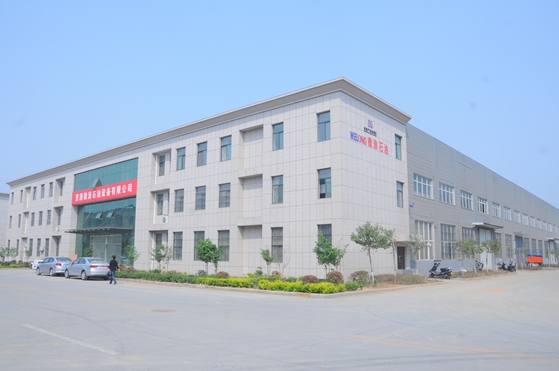
CHINA WELONG - 20+ years manufactuer in oilfield tools