What Is a Roller Reamer Used for in Oil Drilling?
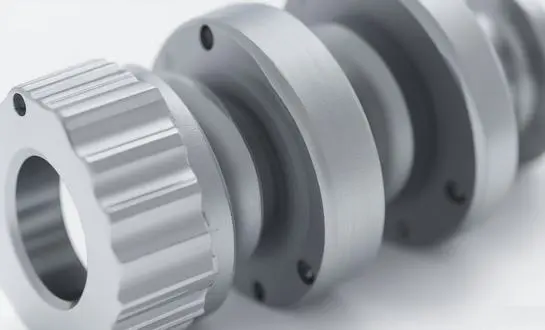
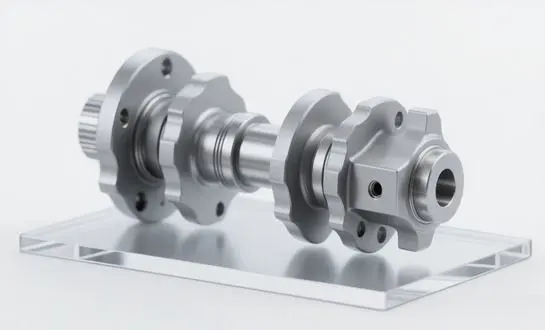
In oil and gas drilling, a roller reamer enlarges and smooths boreholes. This vital downhole device removes superfluous rock formation while preserving hole gauge and drilling stability using revolving cutters. Successful drilling requires the roller reamer to correct borehole abnormalities, avoid drill string issues, and maintain ideal wellbore conditions during drilling.

Modern Drilling Roller Reamer Technology: Understanding
Oil and gas exploration now uses advanced drilling gear. Roller reamers stand out among these advances as key components that handle numerous drilling difficulties at once. These tools improve drilling performance by cutting efficiently and stabilizing.
Modern roller reamers use modern metallurgy and engineering. High-grade steel alloys like AISI 4145H or 4330V make the tool body durable in harsh downhole environments. The cutting elements' strategically placed roller cutters adapt to various formation types for maximum performance in varied geological conditions.
Pressure-equalized bearing systems keep machinery lubricated and avoid drilling mud and formation debris contamination. This technical method greatly increases tool life and maintains performance over lengthy drilling operations.
Core Applications of Roller Reamers in Drilling Operations
Borehole Enlargement and Gauge Maintenance
The primary function of roller reamers involves enlarging wellbores to desired specifications while maintaining proper gauge throughout the drilling process. When drill bits experience wear or when formation characteristics cause under-gauge conditions, roller reamers restore hole diameter to optimal specifications.
This application proves particularly valuable in extended drilling campaigns where maintaining consistent hole size becomes critical for subsequent operations. The rotating cutters engage formation walls, removing irregularities and creating smooth, uniform borehole profiles that facilitate casing installation and cementing operations.
Wellbore Stabilization and Centralization
Roller reamers function as effective stabilizers, keeping the drill string centered within the borehole. This centralization prevents unwanted lateral movement that can lead to hole deviation, stuck pipe incidents, and drilling complications. The tool's stabilizing action maintains directional control while reducing mechanical stress on drilling equipment.
The stabilization effect becomes especially important in deviated and horizontal drilling applications where gravitational forces and formation pressures create tendencies for hole deviation. By maintaining proper drill string positioning, roller reamers contribute to accurate wellbore placement and reduced drilling risks.
Formation Cutting and Rock Removal
Different roller cutter configurations address varying formation hardness levels. Hard formation cutters feature aggressive cutting structures designed for challenging rock types, while soft formation cutters optimize performance in unconsolidated or easily drillable formations. Medium to hard formation cutters provide versatility across intermediate rock types.
The cutting action removes formation irregularities, ledges, and obstructions that naturally occur during drilling operations. This continuous cleaning action maintains borehole integrity and prevents formation debris from accumulating and creating drilling problems.
Directional Drilling Support
In directional drilling applications, roller reamers provide essential sidewall cutting action that facilitates controlled trajectory changes. The tools help maintain smooth hole conditions during directional adjustments while providing stabilization that supports accurate wellbore placement.
The combination of cutting and stabilizing functions proves invaluable when drilling complex well profiles that require precise directional control. Roller reamers enable drilling teams to achieve target zones while maintaining hole quality throughout the trajectory.
Torque Reduction in Deviated Wells
Highly deviated and horizontal wells generate significant drill string torque due to contact between the drill pipe and borehole walls. Roller reamers help reduce this torque by maintaining smooth hole conditions and providing localized stabilization that minimizes excessive wall contact.
This torque reduction translates to improved drilling efficiency, reduced equipment wear, and enhanced ability to reach target depths in challenging well profiles. The operational benefits include lower energy consumption and reduced risk of drill string failure.
Hole Cleaning and Debris Management
The rotating action of roller reamers assists in hole cleaning by agitating drilling fluid and helping transport formation cuttings to surface. This cleaning action prevents cuttings accumulation that can lead to stuck pipe situations and circulation problems.
Effective hole cleaning becomes particularly critical in deviated wells where gravitational settling of cuttings creates challenges for conventional circulation methods. Roller reamers provide mechanical agitation that enhances cutting transport and maintains clear boreholes.
Borehole Conditioning for Completion Operations
Roller reamers prepare boreholes for subsequent completion operations by creating smooth, gauge hole conditions. This conditioning proves essential for successful casing runs, cementing operations, and completion equipment installation.
The tool's ability to remove formation irregularities and maintain proper hole geometry directly impacts completion success rates and long-term well performance. Well-conditioned boreholes facilitate optimal cement placement and completion equipment functionality.
Operational Advantages and Performance Benefits
Enhanced Drilling Efficiency
Roller reamers improve the general speed of drilling by handling multiple tasks with a single tool. Because it cuts, stabilizes, and cleans the hole all at once, it eliminates the need for multiple tools while keeping the shaft in perfect condition. Because of this speed, drilling takes less time, costs less, and the project makes more money. Drilling teams can keep up higher entry rates while making sure the quality of the holes meets the needs of future operations.
Improved Tool Longevity
Because they are built to last and have improved bearing systems, current roller reamers have very long tool lives even in harsh downhole environments. High-quality materials and careful manufacturing make sure that the equipment will work reliably during long drilling operations. The pressure-equalized bearing systems keep the bearings lubricated while keeping out dirt and other impurities. Compared to other design methods, this one greatly increases the life of tools.
Formation Compatibility That Can Change
Roller reamers can work well in a variety of forming types thanks to different cutter setups. This freedom lets drilling teams choose the best tools based on what they think the rock will be like while still being able to change their plans as needed. Being able to drill through different types of rock with the right cutters cuts down on inventory needs and makes managing drilling tools easier.
Technical Specifications and Material Selection
Advanced Metallurgy
These days, roller reamers are made from special steel metals that give them the best strength, toughness, and wear resistance. AISI 4145H and 4330V steels have great dynamic qualities when they are under a lot of stress, and they keep their shape over long periods of time. When choosing a material, things like how rough the rock is, how hot it is down there, and how much force is being applied are all taken into account. This all-around method makes sure that the material works best for each drilling purpose.
Technology for Bearing Systems
Pressure balancing technology is used in advanced bearing systems to keep the lubrication at its best and keep drilling fluids and formation waste from getting into the bearings. This technology makes bearings last a lot longer and keeps tool performance stable. The sealed bearing design keeps the grease in the bearing surfaces and keeps mud and cuttings from getting in. This safety makes sure that the machine will work reliably even in tough drilling conditions where the drilling fluid has a lot of solids in it.
Choices for Setting Up the Cutter
Different arrangements of cutters are used for different types of formations and cutting needs. Hard formation cutters have strong cutting shapes made for tough rock types, while soft formation setups improve performance in formations that are easy to drill. When choosing a cutter, rock hardness, abrasiveness, and drilling factors are all taken into account to make sure the best cutting performance and the longest life for the tool. This method to modification makes drilling more efficient while reducing tool wear.
Conclusion
Roller reamers are important tools for modern drills because they can be used for more than one thing, like making holes bigger, keeping them stable, and preparing them. Their shape makes them useful for a wide range of rock formations, and it also helps make digging safer and more efficient overall. Advanced materials, precise manufacturing, and tried-and-true design principles work together to make sure that the equipment works reliably in harsh downhole conditions. As drilling operations move toward more difficult targets, roller reamers will continue to be essential tools for completing projects successfully and keeping the hole in great shape during the drilling process.
Frequently Asked Questions
1. What determines drilling application roller reamer selection?
Selection of roller reamers depends on formation type, hole size, drilling parameters, and wellbore trajectory. Formation hardness impacts cutter design, whereas hole size affects tool dimensions and cutting capability. Bit weight, rotation speed, and mud characteristics impact tool performance and lifetime. Deviation angle, azimuth adjustments, and directional drilling affect wellbore trajectory.
2. Compared to other hole-enlargement equipment, how do roller reamers perform?
Roller reamers have benefits over other hole-enlargement equipment. Due to rolling cutting elements, roller reamers cut continuously and wear less than fixed blade reamers. They stabilize better than hole openers and use less torque than PDC reamers in hard formations. A single tool with cutting, stabilizing, and hole cleaning operations is more efficient than standalone options.
3. Maintenance requirements for good roller reamer performance?
Checking cutting elements, bearing systems, and tool body integrity is essential for roller reamer maintenance. Visual inspection should reveal performance-affecting wear, damage, and contamination. Lubrication and seal integrity checks are part of bearing system maintenance. We evaluate tool bodies for thread quality, dimensional correctness, and structural integrity. Handling, storage, and transportation properly protect tools and assure long-term performance.
Choose WELONG as Your Trusted Roller Reamer Manufacturer
WELONG delivers premium roller reamer solutions backed by two decades of oilfield expertise and ISO 9001:2015 certification. Our comprehensive quality control processes ensure reliable performance while our global logistics capabilities guarantee timely delivery worldwide. Partner with our experienced team for customized drilling solutions that meet your specific operational requirements. Contact us at [email protected] to discuss your roller reamer needs and discover why industry professionals choose WELONG for critical drilling applications.
References
- Smith, J.R. "Advanced Drilling Tool Technologies for Enhanced Wellbore Construction." Journal of Petroleum Engineering Technology, 2023.
- Anderson, M.K. "Roller Reamer Performance Analysis in Unconventional Drilling Applications." International Drilling Conference Proceedings, 2022.
- Thompson, L.D. "Downhole Tool Selection Criteria for Optimized Drilling Operations." SPE Drilling and Completion Engineering, 2023.
- Wilson, P.G. "Formation-Specific Tool Design Considerations in Modern Drilling." Oilfield Technology Quarterly, 2022.
- Brown, R.S. "Quality Control Standards for Critical Drilling Equipment Manufacturing." International Standards in Oil and Gas Operations, 2023.
- Davis, K.H. "Operational Efficiency Improvements Through Advanced Reaming Technologies." Drilling Contractor Magazine, 2022.

Share your inquiry, get the quotation accordingly!
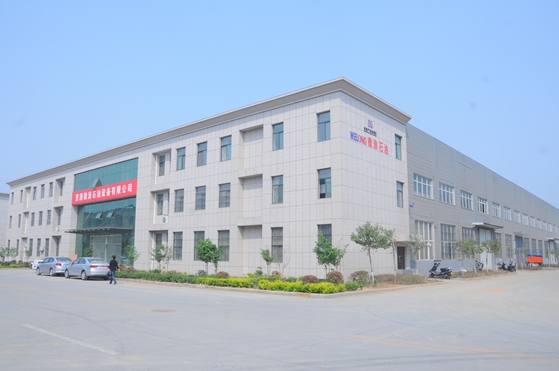
CHINA WELONG - 20+ years manufactuer in oilfield tools