When Should Sleeve Stabilizers Be Used in Drilling?
Sleeve stabilizers are essential for drilling because they improve tool stability and safeguard delicate equipment parts while in use. When used properly, they guarantee better safety, less wear, and improved drilling accuracy—all of which are crucial for preserving operational effectiveness and reducing downtime expenses. With the goal of offering professional advice on the selection, application, and procurement of sleeve stabilizers to improve drilling performance and return on investment, this blog is specifically designed for procurement managers, engineers, and OEM clients involved in international B2B drilling projects. When maintaining exact tool alignment and reducing vibration are essential for successful operations, sleeve stabilizers should be utilized. These specialist drilling parts are crucial in situations where equipment stability directly affects performance, such as prolonged drilling sessions, unstable formation drilling, and high vibration conditions. Implementing sleeve stabilizers correctly guarantees drilling accuracy in a variety of geological circumstances, minimizes expensive downtime, and dramatically decreases equipment wear.

Drilling operations nowadays are under more and more pressure to provide results while upholding stringent cost and safety regulations. As operations move into deeper formations and more difficult conditions, equipment reliability has become crucial. Sleeve stabilizers give protection that goes beyond short-term drilling requirements to include long-term equipment preservation and performance optimization, making them an essential investment in operational continuity.
Understanding Sleeve Stabilizers in Drilling Context
Core Functions and Design Principles
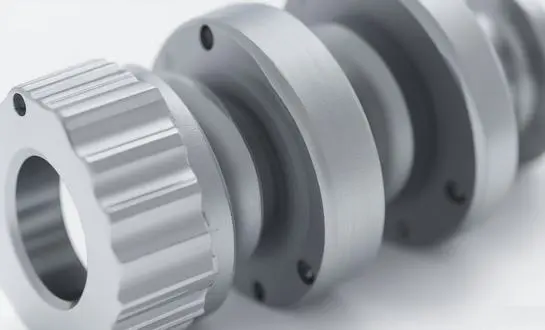
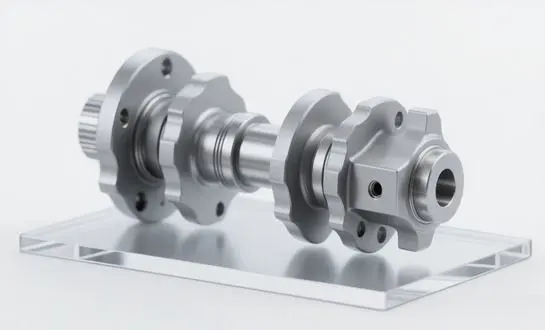
Sleeve stabilizers are specialized parts made to keep drilling sleeves and tools from being damaged by reducing vibration and maintaining alignment. They are available in different varieties, such as rubber, metal, and polymer-based ones, and are chosen according to their adaptability, durability, and suitability for drilling circumstances. These devices increase accuracy, prolong equipment life, and improve on-site safety by stabilizing the drill.
The primary goal of sleeve stabilizers' basic design is to establish a regulated interaction between the borehole wall and spinning drilling components. This interface management stops unpredictable tool movement, which can harm costly equipment and impair drilling accuracy. For engineers and procurement specialists to make well-informed judgments that are compatible with particular drilling applications, it is essential to comprehend their functional principles and material properties.
Material Composition and Performance Characteristics
High-strength materials designed for harsh environments are used in advanced sleeve stabilizers. AISI 4145H steel maintains workability for unique setups while offering outstanding durability. Variants that are non-magnetic guarantee compatibility with measurement devices and sensitive downhole instruments. In various drilling conditions, the choice of material has a direct impact on stabilizer longevity, performance dependability, and maintenance needs.
When and Why to Use Sleeve Stabilizers in Drilling
Critical Application Scenarios
Sleeve stabilizers are crucial in situations where sleeve deformation and tool misalignment are common, such as unstable formations, severe vibration, and extended drilling sessions. Their application successfully lessens abrasive wear, minimizes wobbling, and delays equipment breakdown. To maximize the stabilizer's efficiency and longevity, proper application is essential, which includes proper installation and compatibility with drilling fluids.
Stabilizer requirements are greatly influenced by geological conditions. Tool deflection and vibration result from unequal drilling resistance caused by formations with different hardness levels. In order to maintain constant tool location and avoid the cascading failures that could stop operations, sleeve stabilizers oppose these forces. Potential equipment replacement and operational delays far outweigh the expense of installing stabilizers.
Environmental and Operational Factors
Specialized stabilizer designs are necessary in high-temperature drilling conditions because to material stress and thermal expansion. Protective coatings and materials resistant to chemicals are necessary for corrosive drilling fluids. Stabilizers that sustain performance characteristics over thousands of operating hours are advantageous for extended drilling campaigns. The practical factors that enable drilling operations retain efficiency and minimize expensive maintenance interruptions are highlighted in this section.
Comparing Sleeve Stabilizers: Selecting the Right Option for Drilling Needs
Material Selection and Performance Trade-offs
Choosing the best sleeve stabilizer requires weighing materials such as metal vs polymer, evaluating functional roles against interacting components, and deciding between mechanical and adhesive fixing techniques. Performance, durability, cost, and maintenance complexity are all impacted by each decision. Procurement professionals may ensure the optimum match for certain drilling environments by balancing operational objectives with budgetary restrictions by being aware of these distinctions.
When flexibility and vibration damping are needed, polymer-based stabilizers perform exceptionally well. They offer better contact distribution and less stress concentration because of their capacity to adapt to uneven borehole surfaces. Under high loads, metal stabilizers provide exceptional strength and dimensional stability. Budgetary restrictions, anticipated service life, and particular drilling characteristics are frequently factors in material selection.
Attachment Methods and Compatibility
For equipment that needs routine maintenance or reconfiguration, mechanical fastening techniques offer dependable, detachable connections. Adhesive solutions provide homogeneous stress distribution, superior vibration resistance, and permanent placement. Installation complexity, field serviceability, and long-term dependability needs must all be taken into account during the decision process.
Procurement Considerations for Sleeve Stabilizers in Drilling
Supplier Evaluation and Quality Assurance
Quality and supplier dependability are crucial when sourcing sleeve stabilizers. This section offers guidance on locating reliable manufacturers, comprehending how materials, customisation, and order volume affect cost, and managing logistics, including delivery schedules and overseas shipping. In intricate global supply chains, strategic procurement choices have a direct impact on supplier relationship management and operational success.
Reputable manufacturers use performance documentation, testing procedures, and certifications to show their constant quality. While API 7-1 compliance ensures adherence to industry requirements, ISO 9001:2015 accreditation assures methodical quality management. Manufacturing capacity, availability of technical assistance, and delivery dependability in global markets should all be considered when evaluating suppliers.
Cost Analysis and Value Optimization
A thorough cost study takes into account installation expenses, upkeep needs, and anticipated service life in addition to the initial purchase price. Although they may cost more, custom solutions can perform better in some cases. While guaranteeing a steady supply for continuing operations, volume purchasing agreements can offer considerable cost benefits. It also discusses the advantages of placing custom orders that are suited to particular drilling difficulties and can yield significant cost and performance benefits.
WELONG's Advanced Sleeve Stabilizer Solutions
Product Innovation and Technical Excellence
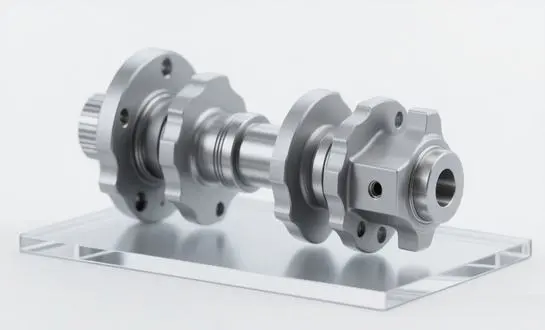
With decades of drilling industry experience, our business is a leader in the production of innovative sleeve stabilizers. To provide dependable goods that satisfy a range of operating demands, we place a high priority on quality, innovation, and adherence to international standards. One mandrel series may support varying sleeve sizes for numerous hole dimensions in our replaceable sleeve stabilizer design, which is an integral mandrel and sleeve arrangement.
Premium AISI 4145H and 4145H MOD materials are used in WELONG's sleeve stabilizers, which come in non-magnetic versions for certain uses. HF1000 through HF5000 grades are examples of advanced hardfacing choices that offer tailored wear resistance for particular drilling circumstances. This material versatility maintains cost-effectiveness while guaranteeing excellent performance across a range of operational requirements.
Quality Assurance and Manufacturing Excellence
In-process and final inspection procedures are part of our thorough quality control procedures. Through our long-standing relationships with SGS and DNV, we offer third-party verification in addition to our usual inspection services. Both conventional and customized sleeve stabilizers are available in our product line, which is backed by technical consulting, thorough testing, and quick delivery options. Customers who select our solutions enjoy demonstrated performance improvements, decreased equipment downtime, and customized service, strengthening enduring relationships with OEMs and procurement specialists across the globe.
Flexible distribution possibilities by air, sea, and rail are among the manufacturing capabilities. Different purchase choices, such as FOB, CIF, DDP, and DDU arrangements, are accommodated by commercial terms. Our knowledgeable production staff guarantees on-time completion and delivery to client warehouses across the globe.
Conclusion
Sleeve stabilizers offer vital protection against vibration, misalignment, and early equipment failure, making them indispensable equipment investments for contemporary drilling operations. Geological conditions, operational needs, and long-term financial effects should all be taken into account when deciding whether to use these components. To guarantee optimum performance and dependability, correct selection entails assessing supplier skills, attachment techniques, and material qualities. In difficult drilling conditions, strategic procurement methods that put quality, delivery dependability, and technical assistance first produce long-lasting competitive advantages.
FAQ: Common Questions About Sleeve Stabilizers in Drilling
1. How do I determine the right sleeve stabilizer for my drilling application?
Selection depends on several factors including borehole diameter, drilling fluid compatibility, formation characteristics, and expected service life. Consider material requirements based on temperature, chemical exposure, and mechanical stress levels. Consulting with experienced manufacturers provides valuable insights for matching stabilizer specifications to operational demands.
2. Can sleeve stabilizers be reused across different drilling projects?
Reusability depends on stabilizer condition, material type, and application requirements. Metal stabilizers often permit multiple uses with proper inspection and maintenance. Polymer variants may have limited reuse potential based on wear patterns and chemical exposure. Regular inspection protocols help determine serviceability and safety for continued use.
3. What industry standards govern sleeve stabilizer quality and performance?
API 7-1 standards provide comprehensive guidelines for drilling equipment including stabilizers. ISO 9001:2015 certification ensures systematic quality management throughout manufacturing processes. Additional standards may apply based on specific applications, geographic regions, or customer requirements. Compliance verification should be confirmed with manufacturers before procurement.
Partner with WELONG for Superior Sleeve Stabilizer Solutions
WELONG offers unparalleled performance and dependability by fusing state-of-the-art sleeve stabilizer technology with two decades of oilfield manufacturing experience. Our various delivery options and thorough inspection services satisfy a range of procurement requirements, while our ISO 9001:2015 and API 7-1 certified manufacturing processes guarantee constant quality. To discuss your unique drilling stabilizing requirements and learn how our sleeve stabilizer manufacturer skills can enhance your operations while lowering costs and downtime, get in touch with our technical team at oiltools15@welongpost.com.
References
1. American Petroleum Institute. "Specification for Rotary Drill Stem Elements." API Specification 7-1, 45th Edition, 2019.
2. Bourgoyne, A.T., Millheim, K.K., Chenevert, M.E., and Young, F.S. "Applied Drilling Engineering." Society of Petroleum Engineers Textbook Series, Vol. 2, 2nd Edition, 1991.
3. Mitchell, R.F. and Miska, S.Z. "Fundamentals of Drilling Engineering." Society of Petroleum Engineers Textbook Series, Vol. 12, 2011.
4. Schlumberger Limited. "Drilling Engineering Workbook: A Distributed Learning Course." Schlumberger Educational Services, 3rd Edition, 2015.
5. Wilson, J.K. and Samuel, R. "Drilling Engineering: A Complete Well Planning Approach." J. Ross Publishing Applied Energy Technology Series, 2007.
6. Zhang, H., Samuel, R., and Zhao, X. "Drillstring Vibration Analysis and Control Methods in Drilling Operations." Journal of Petroleum Science and Engineering, Vol. 185, 2020.

Share your inquiry, get the quotation accordingly!
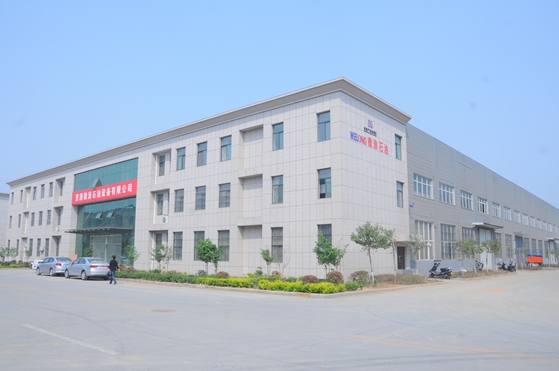
CHINA WELONG - 20+ years manufactuer in oilfield tools