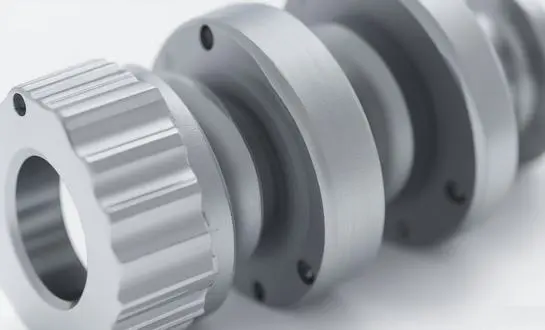
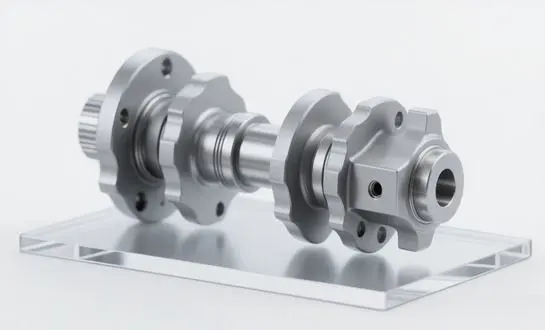
A taper mill is a specialized cutting tool used for milling in digging settings, especially when working with oil and gas. Because of their cylindrical shape, these precise tools can shape curved edges, fix collapsed casings, and get rid of cement or rusted materials in wellbores. Drilling workers and equipment makers rely on taper mills, which can repair casing limits without cutting through the metal. This makes them very important for the petroleum industry's well upkeep and cleanup operations.

Introduction to Taper Mill
Taper mills have a special cone-shaped form that makes them different from regular end mills and ball mills. To understand taper mills, you need to know this. These specialized tools have slanted sides that are made to shape sloped or curved features that are important for digging. The shape of a tool includes important parts like the helix angle, the rake angle, and the taper degree. All of these affect how well the tool cuts.
Core Design Principles
The basic form of a taper mill is based on the fact that its width gets bigger from tip to shank. This setup has more strength and less movement than straight-neck options. The conical shape lets you drill deeply and slowly while keeping the structure strong.
Material Compositions and Coatings
Today's taper mills use new materials and finishes so they can keep working in tough cutting conditions. Wear protection is better with carbide construction, and specialty finishes such as TiAlN (Titanium Aluminum Nitride) make tools last longer and work better. The rough conditions that are common in wellbore activities can be handled by taper mills thanks to these materials.
Geometric Variations
There are different kinds of taper mills that are made to meet a range of drilling needs. The curve angle can have a small slope for fine detail work or a larger slope for fast, heavy-duty material removal. Flutes are made in different ways, and some designs have straight flutes for soft materials and curved flutes for harder materials.
Applications of Taper Mills in Drilling and Machining
Taper mills are very important for drilling projects where they need to be able to make very accurate cuts in order to keep the wellbore intact and make sure that production runs smoothly. Their use goes beyond just cutting to include complicated jobs for fixing and keeping things running.
Wellbore Remediation Operations
In drilling, taper mills are very good at dealing with limits in the casing and things that get stuck in the wellbore. When failed walls or built-up waste are bad for well output, these tools can slowly clear out material while making sure the wellbore stays structurally sound. The controlled cutting action stops unexpected breakthroughs that could hurt expensive downhole tools.
Taper mills are very useful for solving a variety of wellbore problems because of their high level of precision:
1. Casing Repair: Fixing parts of the casing that are broken or collapsed so that they are back to their original width. This makes sure that the wellbore is the right size for production equipment to get in.
2. Removing Cement: Getting rid of extra cement that could make the wellbore width smaller or make finishing activities harder.
3. Taking off the scale: dealing with material buildup and rust that can make output less efficient
4. Fish Milling: Getting rid of tools, bits, or other debris that are stuck in wellbores so they can be used again.
These uses show how taper mills can be used in many different ways to keep wellbores working and extend well life.
Component Manufacturing Applications
Besides wellbore activities, taper mills are very important for making parts of drilling tools. Their accuracy makes it possible to create the complicated shapes that are needed in today's cutting systems. These tools can make very accurate curved shapes that help parts like subassemblies, cutter gauges, and stabilizer blades.
Comparing Taper Mill with Other Milling and Drilling Tools
You need to know each option's pros and cons to choose the right cutting tools. Taper mills offer unique features that work well with other milling and cutting tools. Because of this, they have a special place in the manufacturing order.
Comparison of Performance Features
When you compare taper mills to other cutting tools, there are a number of ways that they are better or worse than the others. While end mills are great for making flat areas and square shapes, taper mills are better for delicate tasks because they remove material more slowly. While ball mills do a great job of making curved areas smooth, tapered designs are stronger structurally.
The following side-by-side picture makes the important performance differences clear:
1. Cutting Depth: Because taper mills have stronger structures, they can cut deeper while still being accurate the whole time.
2. Quality of Surface Finish: The slow cutting motion creates smoother surfaces than faster methods of removing material.
3. Tool Deflection Resistance: The curved shape makes the tool bend up to 60% less than straight-neck tools of the same length.
4. Material Removal Rates: Optimized cutting settings can raise feed rates by 10% compared to standard designs.
These performance benefits lead to more work getting done and lower costs for makers and drilling companies.
Cost-Effectiveness in Production Settings
When choosing tools, costs must be kept in mind. Taper mills usually have higher upfront costs than regular cutting tools, but they are more cost-effective in the long run because they last longer and work better. The reduced deformation features lessen the need to do things over again and improve the accuracy of the size, which helps to save money in industrial settings.
Procurement and Maintenance of Taper Mills for Industrial Use
When you buy taper mills strategically, you have to think about more than just the cost. Successful buying plans find the best total value by balancing tool performance, source stability, and long-term needs for the business.
Supplier Evaluation Criteria
A good choice of suppliers depends on knowing their production skills, quality standards, and range of services. ISO 9001 certification makes sure that quality management methods are the same all the time, and API 7-1 certification shows that you follow the rules of the oil business. These licenses give people faith in the reliability of the products and the stability of the factories that make them.
Key buying factors are how often deliveries are on time, how often expert help is available, and how often products can be customized. Suppliers who offer custom goods instead of just standard ones often provide better value to their customers.
Maintenance Best Practices
Proper care for taper mills keeps them working well and extends their service life for the duration of their use. Regular checking methods help find patterns of wear and possible problems before they affect the quality of production.
Some important care tasks are:
1. Cleaning: Removing cutting fluids, chips, and other waste thoroughly avoids infection and early wear.
2. Storage Needs: This type of storage keeps the cutting edges safe and stops rust from forming.
3. Inspection Guidelines: Regular checks of the dimensions make sure they are still correct and show when refurbishing is needed.
4. Reconditioning Programs: Having tools professionally sharpened can recover their cutting power and extend their lifespan.
These maintenance practices help keep tools working the way you expect them to and keep production processes from unexpectedly shutting down.
Custom Tooling Solutions
A lot of drilling projects need specialized taper mill setups that are more advanced than the standard products available. Custom casting makes sure that unique shape, material, and performance needs are met. Suppliers that have technical skills in-house can come up with the best solutions that make the business run more smoothly and lower the overall cost of tools.
WELONG: Your Trusted Taper Mill Supplier and Manufacturing Partner
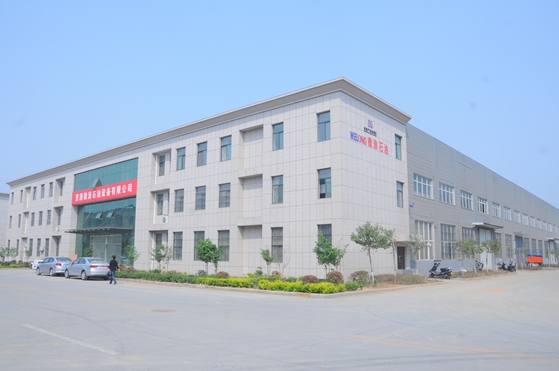
With over twenty years of experience in the field and cutting-edge production skills, WELONG has become a top supplier of high-quality taper mills. We have focused on providing complete oilfield solutions that meet the high standards of drilling companies and equipment makers around the world since we started in 2001.
Manufacturing Excellence and Quality Assurance
Our promise to quality is shown by tough production methods and thorough quality control systems. Our commitment to top standards and dependable products is shown by our ISO 9001:2015 and API 7-1 certificates. These approvals make sure that every taper mill meets strict performance standards and gives reliable results even when the job is tough.
We can make both standard and unique taper mill options. Advanced machine centers allow very exact control over important measurements. At the same time, specialized heat treatment methods make the material features better so that the service life is longer. Quality control checks such as performance proof, measurement checking, and hardness tests are used to make sure each tool meets the required standards.
Comprehensive Service Portfolio
Besides making great products, WELONG offers a full range of services that help customers succeed. Technical advice help people choose the right tools for certain jobs, and repair support helps tools last longer. Customers don't need to have as much product on hand because our streamlined operations make sure that deliveries are always on time.
Because of its fair prices, consistent quality, and quick, helpful customer service, WELONG has become the go-to company for businesses that need reliable taper mill options. Our work with clients around the world shows that we can meet a wide range of business needs while always providing great service.
Conclusion
Taper mills are very important for modern drilling operations because they can do things that help with difficult wellbore problems and the need for exact making. Better cutting, stronger, and less bending are the benefits of their unique cone shape over more common options. Understanding proper selection criteria, upkeep practices, and source review methods allows drilling workers and makers to get the most out of their equipment purchases. Getting high-quality taper mills from trusted sources in a smart way helps businesses run more smoothly, spend less time not working, and be more productive in tough industrial settings.
Frequently Asked Questions
Q1: What materials can taper mills effectively machine in drilling applications?
A: Taper mills can make a lot of different materials that are widely used in drills, like aluminum parts, steel frames, cast iron, and different metal alloys. The most important thing is to choose the right tool finishes and cutting settings based on how hard the material is and how you want to cut it. Carbide taper mills with special coats can cut through harder materials, but high-speed steel taper mills work better for lighter materials.
Q2: How do I determine the correct taper angle for my specific application?
A: The best taper angle relies on your cutting needs, how quickly you want to remove material, and how smooth you want the surface to be. Smaller angles (1–3 degrees) allow for better control and smoother results, but larger angles (5–7 degrees) make it easier to take material off quickly. When choosing taper angles, think about the amount of cut, the material of the item, and how much the size can vary.
Q3: What maintenance indicators signal when taper mill replacement or reconditioning is necessary?
A: Key maintenance warning signs are worsening surface finish quality, higher cutting forces, too much tool shaking, and loss of measurement accuracy. A visual check may show cutting edges that are chipped, wear patterns that are too deep, or coatings that are falling apart. Keeping an eye on the subject quality and cutting factors helps figure out when the tool should be replaced before it starts affecting the quality of the production.
Partner with WELONG for Premium Taper Mill Solutions
WELONG encourages drilling companies and equipment makers to see the benefits of working with a reputable taper mill company. Our large product list includes both standard and personalized solutions designed to work with a variety of industry uses. Our ISO 9001:2015 and API 7-1 certificates are proof of our great production. We provide dependable, high-performing tools that make your operations run more smoothly and lower your overall costs.
Our technical team provides comprehensive consultation services to match optimal taper mill specifications with your specific requirements. Whether you need standard configurations for routine operations or custom solutions for unique challenges, WELONG combines competitive pricing with superior quality and responsive customer service. Explore our complete range of oilfield products and discover how our taper mill solutions can improve your operational success. Contact us at oiltools15@welongpost.com to discuss your requirements and receive a detailed quotation tailored to your application needs.
References
1. American Petroleum Institute. "API Specification 7-1: Specification for Rotary Drill Stem Elements." American Petroleum Institute Standards, 2019.
2. Smith, Robert J. "Advanced Cutting Tool Technologies for Oilfield Applications." Journal of Petroleum Technology, Vol. 45, No. 3, 2018.
3. International Organization for Standardization. "ISO 9001:2015 Quality Management Systems - Requirements." ISO Publications, 2015.
4. Thompson, Michael A. "Wellbore Remediation Techniques and Equipment Selection." SPE Drilling & Completion Journal, Vol. 32, No. 4, 2017.
5. Johnson, David L. "Taper Mill Design Optimization for Enhanced Drilling Operations." International Conference on Oil and Gas Equipment, 2019.
6. Williams, Sarah K. "Cost-Effective Procurement Strategies for Drilling Equipment Manufacturing." Industrial Engineering Quarterly, Vol. 28, No. 2, 2020.