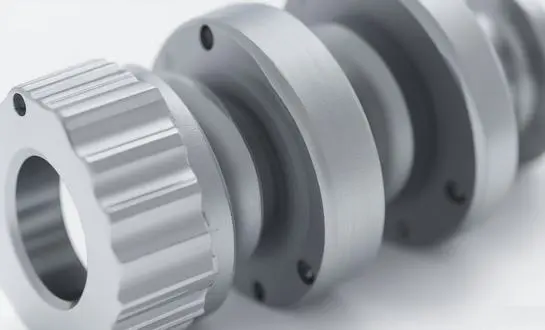
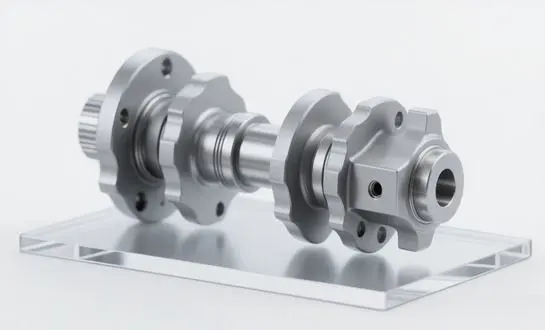
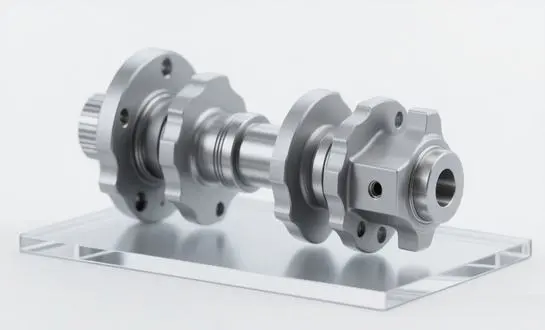
Die collars are specialized fishing tools that work on the outside of pipes, like oil tubes and drill pipe. This makes them very useful for fishing circular items that don't have a hole in the middle or have a stuck inner bore. For procurement managers, engineers, and drilling workers in the oil and gas business who need to make sure consistency, performance, and cost-efficiency in their operations, understanding the different thread types available for die collars is essential.
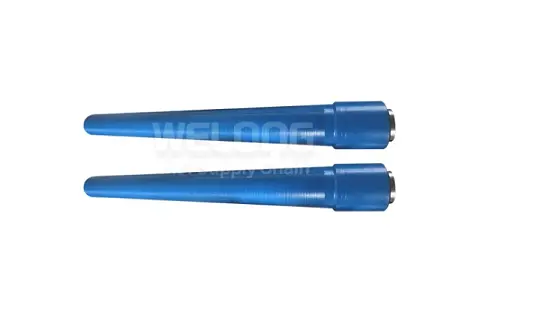
This all-inclusive guide gives you all the information you need about die collars and how important they are for precision fitting. It is meant to help buying managers, engineers, and OEMs understand the different kinds of threads that are out there and how to choose the right one based on important factors. This guide helps global B2B customers make better buying choices by giving them information that they can really use. This improves the quality of the thread and the productivity of the business in a wide range of industries.
Understanding Die Collar Thread Types
Die collars serve as essential tools in threading operations, significantly affecting application efficiency and thread quality. These external fishing tools are specifically designed to grip and retrieve tubular objects from downhole applications, making thread compatibility paramount for successful operations.
Primary Thread Standards for Die Collars
There are a lot of different die collar thread types, but the most popular ones are based on a few international standards that take into account regional tastes and different needs for how they will be used:
- ISO metric threads are the global standard, and they are commonly used in European and Asian markets. These threads are measured in millimeters and have a 60-degree thread angle, giving current milling machines exact information about what they need. Modern drilling equipment made to ISO standards works well with the metric system.
- The Unified Thread Standard (UNC/UNF) is most commonly used in North America. UNC, or Unified Coarse, allows for quick assembly, and UNF, or Unified Fine, has better staying power. Because they are measured in inches and have a 60-degree angle, these threads are perfect for tools made with American standards in mind.
- British Standard Whitworth (BSW) threads are still useful in old tools and certain areas where they're needed. These threads are made with a 55-degree angle and work well with drilling methods that are still in use in places around the world.
Specialized Thread Applications
Beyond standard threads, die collars accommodate specialized threading requirements including pipe threads for fluid systems, left-handed connections for special applications, and custom threads designed for specific operational needs. These variations ensure that die collars can effectively engage with diverse tubular objects encountered in drilling operations.
Key Factors in Selecting Die Collar Thread Types
Choosing the right thread type for die collars needs a close look at many things that affect how well and how cheaply the work can be done.
Material Compatibility and Threading Requirements
The type of thread that is used depends a lot on what the thread is going through. When fishing, metal or hybrid materials might need special thread shapes to keep from getting hurt, but steel tubulars usually need strong thread contact. The die collar material has to match the target material so that a good grip is possible without changing the shape of the target.
Production Volume and Operational Demands
High-volume operations benefit from standardized thread types that offer broad compatibility across equipment fleets. For tasks where the die collar has to be changed often, wide threads are better because they can be put on quickly. On the other hand, for tasks that need more precision, fine threads may be better because they hold more tightly. As operating effectiveness goes up, the need to balance longevity, accuracy, and cost also rises.
Compatibility with Existing Equipment
How well the thread works with current cutting equipment, fishing tools, and tube inventory has a big impact on how people choose it. When procurement teams choose thread types, they need to make sure they work with the way things are done now, are mindful of future purchases, and follow the industry trend toward standardization.
Die Collar Thread Type Variations and Market Availability
The current market offers diverse thread type options designed to meet varying operational requirements across the oil and gas industry.
Top Five Industrial Thread Types for 2024
These thread types are the most frequently mentioned for die collar uses based on how well they work and how widely they are used in the industry:
API standard threads are the most popular kind because they are used in most drilling operations in North America. These threads do a good job and work with a lot of different types of tools.
ISO metric threads are becoming more popular around the world, especially in businesses that operate internationally because they need to make sure that all of their equipment works together no matter where they are.
National Pipe Thread (NPT) standards are used in certain fluid handling and high-pressure situations where thread sealing is very important.
When standard threads don't work well or aren't compatible with a certain situation, Custom Proprietary Threads can step in and get the job done.
Left-hand threads are used in certain situations where turning the thread might make a regular one come free.
Adjustable versus Fixed Thread Configurations
Modern die collars offer both adjustable and fixed thread configurations, each providing distinct advantages for different operational scenarios. Adjustable configurations allow field modification to accommodate varying tubular sizes, while fixed configurations provide maximum strength and reliability for specific applications.
Maintenance and Safety Considerations for Different Die Collar Thread Types
Proper maintenance and safety protocols preserve thread integrity while ensuring operator safety during fishing operations.
Thread-Specific Maintenance Requirements
To get the most use out of each thread type, they must be properly maintained. Fine threads need to be looked at and carefully handled more often to keep them from getting damaged. Coarse threads can handle harsher conditions in the field, but they need to be cleaned often to keep dirt from building up.
Safety Protocols for Threading Operations
Different types of thread and different ways of using them have very different safety issues. When fine threads are used, torque must be carefully applied to avoid making them too tight. When wide threads are used, proper contact must be carefully watched to make sure there is enough staying power. The types of threads don't change the personal protective equipment that you need to wear, but you should always protect your eyes and be careful with your hands when you are putting threads on or taking them off.
WELONG: Your Trusted Die Collar Manufacturer
China Welong stands as a professional manufacturer in the oilfield industry for over 20 years, specializing in high-quality die collars and fishing tools. Our die collars serve as specialized external fishing tools that engage on the outside wall of tubular objects such as oil tubing and drill pipe, effectively fishing cylindrical objects without inner bore or with stuck inner bore.
Our full-service production can make all normal thread types and also unique threads for specific needs. We use strict quality checks at every stage of production to make sure our die collars work well during important fishing activities.
Quality Assurance and Delivery Excellence
Our talented production team makes sure that manufacturing is always finished on time so that goods can get to our customers' stores when they're supposed to. We offer a number of different ways to move goods, including by sea, air, and train. We also accommodate a range of foreign trade terms, including FOB, CIF, DDP, and DDU, to meet the needs of all customers.
We offer detailed in-process and final checks, and you can also get proof from a third party through our relationships with SGS and DNV. This multi-tier quality assurance method makes sure that our die collars meet strict industry requirements and are dependable for important downhole operations.
Conclusion
Knowing what kinds of thread there are for die collars helps you make smart purchasing decisions that directly affect how well and how cheaply your business can run. The decision process must ensure safety and stability in difficult downhole settings while taking into account technical needs, how well things work together, economic factors, and making sure that all of these factors are taken into account. Modern die collar designs can handle a wide range of thread types, from normal metric and united threads to special settings for specific uses. Proper safety and repair routines protect people and help fishing tools last longer. As drilling tasks get more difficult, choosing the right die collar thread types gets more important. To make sure a project goes well, people need to know all the different kinds that are out there.
Frequently Asked Questions
Q1: What is the difference between metric and unified thread die collars?
A: united threads and metric threads both use a 60-degree angle; however, metric threads are measured in millimeters and follow ISO standards, while united threads are measured in inches and follow American standards. Unified threads work better for businesses in North America, while metric threads work better for tools from around the world.
Q2: How do I determine thread compatibility for my existing equipment?
A: Thread compatibility depends on matching thread pitch, diameter, and angle specifications between the die collar and target tubular. Consult equipment documentation or measure existing threads to ensure proper fit. Consider engaging with experienced suppliers who can provide technical guidance for specific applications.
Q3: Can die collars accommodate custom thread profiles for unique applications?
A: Yes, good makers can make die collars with special thread shapes to meet certain needs. If standard threads don't work well enough or aren't compatible with certain unique tools or niche apps, custom threads might be needed.
Partner with WELONG for Superior Die Collar Solutions
WELONG is a trusted die collar maker with over twenty years of drilling experience. Improve your fishing operations with their precision-engineineered die collars for sale. Our wide range of threads, both standard and special, makes sure that a variety of tube-shaped items and practical needs can be met. We offer low prices, make sure deliveries arrive on time, and guarantee high quality. This makes drilling companies around the world choose us.
Our experienced engineering team provides technical consultation to help you select optimal thread configurations for your specific applications. Whether you need standard API threads, metric specifications, or custom designs, WELONG delivers solutions that enhance operational efficiency while maintaining the highest quality standards. Contact us at oiltools15@welongpost.com to discuss your die collar requirements and receive detailed quotations. Visit welongoiltools.com to explore our complete range of oilfield fishing tools and discover how our expertise can support your operational success.
References
1. American Petroleum Institute. "API Specification 7-1: Specification for Rotary Drill Stem Elements." 45th Edition, 2019.
2. International Organization for Standardization. "ISO 10424-1: Petroleum and Natural Gas Industries - Rotary Drilling Equipment - Part 1: Rotary Drive Systems." 2004.
3. Society of Petroleum Engineers. "Drilling Engineering Handbook: Thread Specifications for Downhole Tools." Richardson, Texas: SPE Publications, 2020.
4. World Oil Magazine. "Fishing Tool Technology and Applications in Modern Drilling Operations." Annual Technical Review, 2023.
5. Petroleum Equipment Suppliers Association. "Standard Practices for Oilfield Threading Equipment." Houston: PESA Technical Publications, 2022.
6. Journal of Petroleum Technology. "Advances in Downhole Fishing Tool Design and Thread Engineering." Society of Petroleum Engineers, Vol. 75, 2023.