Benefits of Using Durable Casing Scrapers
A reliable casing scraper is one of the most important tools for getting a wellbore ready for cementing and completion work. This simple piece of equipment does the important job of removing years' worth of buildup garbage from the inside walls of the case, which sets the stage for everything that comes next. This piece talks about why reliability is important when choosing this tool, how strong construction leads to real operating benefits, and what you should look for when choosing a tool for difficult downhole tasks.
What Is a Casing Scraper and Why It Matter in Wellbore Cleaning Operations
Figuring out what this tool is really for helps explain why reliability is such an important factor for workers to think about when choosing tools for wellbore preparation work.
The Core Function Within Completion Workflows
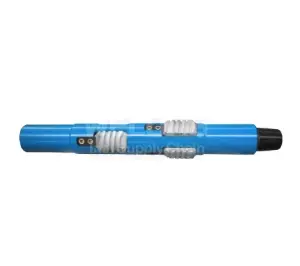
An additional cleaning instrument that is designed for use in well finishing, logging, and downhole activities is called a casing scraper. On the interior walls of the casing, it eliminates cement residue, mud, embedded bullets, rust, mill scale, paraffin, and perforation burrs that have accumulated over time. This instrument, in contrast to drilling equipment, is only useful once drilling has been completed. It is closely connected to the success of subsequent completion operations that are dependent on a clean wellbore, which is directly related to its dependable performance.
Why Cleanliness Directly Affects Subsequent Operations
After installing the casing, everything that comes next, from sealing to perforating to logging, depends on knowing what will happen in the wellbore. If a case scraper doesn't get rid of all the contaminants completely, tools further down the line may run into unexpected pushback or problems, which can put whole operating processes at risk. This is why choosing equipment that is made to work well and consistently is such an important part of planning a project as a whole.
How Durable Casing Scrapers Improve Cleaning Efficiency in Cementing and Completion Workflows
It's not just about how long something lasts; durability also has to do with how well and completely this tool cleans during difficult finishing processes.
Sustained Cleaning Pressure Throughout Extended Runs
A strong case scraper keeps the same cleaning pressure and blade tension over long periods of time, even when the job needs to be done thoroughly. Lower-quality alternatives often lose some of their power as the blades wear out too quickly, leaving parts of the casing wall unclean. The scraper's strong construction means that it cleans evenly from the top of the treated interval to the bottom, which leads to more reliable completion results.
Fewer Trips Required for Complete Wellbore Preparation
When a case scraper is made to handle tough conditions without the blades breaking down too soon, workers usually get good cleaning results with fewer trips. This increase in efficiency cuts down on rig time because teams don't have to stop what they're doing to get, check, and maybe even repair worn-out tools. This lets planned finish dates stay on track without any unexpected delays.
Key Benefits of Using Durable Casing Scrapers for Cementing and Completion Processes
Beyond general efficiency gains, several specific benefits emerge directly from selecting robustly constructed cleaning tools for critical cementing and completion phases.
Improved Cement Bonding Through Thorough Surface Preparation
A durable casing scraper capable of maintaining aggressive cleaning action throughout its entire working life delivers more consistent surface preparation ahead of cementing operations. This thorough contaminant removal creates better conditions for cement adhesion, supporting stronger bonding and more reliable zonal isolation compared to scenarios where inadequate cleaning leaves residual mud cake or scale interfering with cement contact.
Reduced Risk of Tool Failure During Critical Operations
Robust construction reduces the likelihood that a casing scraper will experience component failure while positioned downhole, a scenario that could complicate retrieval and introduce additional non-productive time. Manufacturers who prioritize material quality and structural integrity, consistent with standards referenced by ASTM Internationa, help ensure their tools complete assigned cleaning tasks without leaving problematic debris behind in the wellbore.
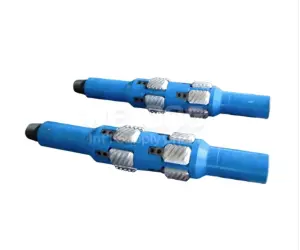
How Casing Scraper Design Impacts Long-Term Wellbore Cleaning Reliability
The engineering decisions that are included into the design of a casing scraper have a direct impact on the reliability with which it operates in the face of repeated deployments and differences in the circumstances of the downhole environment.
Blade Configuration Supporting Consistent Contact
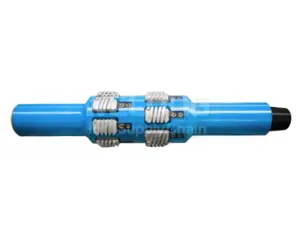
The designs of casing scrapers that have been well-engineered distribute cleaning blades in configurations that ensure constant wall contact despite modest changes in casing diameter. This design consideration guarantees that the casing string does not include any tiny defects or tolerance variations, which would impair the reliability of the cleaning performance. This, in turn, supports more predictable outcomes over the whole treatment interval, independent of any slight dimensional irregularities.
Structural Resilience Against Repeated Deployment Cycles
Tools intended for multiple deployments across different wells must demonstrate structural resilience that withstands repeated stress cycles without accumulating damage. A casing scraper built with this long-term reliability in mind typically incorporates reinforced connection points and wear-resistant blade materials, allowing operators to confidently reuse the same tool across multiple jobs rather than treating it as a single-use consumable.
Choosing the Right Casing Scraper for Maximum Performance in Challenging Downhole Conditions
Selecting appropriate equipment for specific well conditions requires careful consideration of several factors that influence how well a given casing scraper will perform in practice.
Matching Scraper Type to Contamination Characteristics
Different downhole settings result in a variety of contamination profiles, which might range from a soft mud residue to a mineral scale that has been cemented or paraffin deposits that are difficult to remove. Instead of employing a general solution that could not be effective against especially difficult deposit characteristics, it is preferable to choose a casing scraper configuration that is suitable for the specific sorts of contaminants that are anticipated to be present in a particular well. This helps to guarantee that the outcome of the cleaning process is excellent.
Verifying Manufacturer Quality Assurance Practices
In addition to the actual tool itself, analysing the quality assurance processes of a manufacturer may offer information into the predicted dependability of a casing scraper. Suppliers that execute comprehensive in-process and final inspections, which may be complemented by third-party verification via organisations such as SGS or DNV, provide a higher level of confidence that every item that is sent will function in accordance with the specifications during real field deployment.
Conclusion
Durable casing scrapers have benefits that go far beyond just being long-lasting. They directly affect how well they clean, how efficiently they work, and how well the cementing works later on. Strong building pays off at every stage of well finishing, from keeping the cleaning pressure up during long runs to lowering the risk of failure during important operations. When choosing this important tool, operators who put quality and reliability first set themselves up for more regular and efficient results.
FAQ
1: How does casing scraper durability affect the number of trips needed for wellbore cleaning?
Casing scrapers that are durable maintain a continuous cleaning pressure without prematurely wearing out the blades, which enables operators to accomplish comprehensive cleaning results in a shorter amount of total trips. Because of this, rig time is cut down, and completion timelines are able to go forward without delays brought on by the need to replace tools or make many efforts to clean them.
2. Can a durable casing scraper improve cement bonding quality?
It is true that a casing scraper that is robust and provides complete and consistent surface preparation is more successful in removing mud cake, rust, and scale, which in turn creates better conditions for cement adhesion. Throughout the productive life of the well, this helps to maintain stronger bonding and more stable zonal isolation.
3. What should I look for when selecting a casing scraper for challenging downhole conditions?
To ensure that the scraper's blade configuration and material construction are suitable for your casing dimensions and anticipated downhole conditions, it is important to take into consideration the specific types of contamination that are anticipated to be present in your well. Additionally, it is important to verify the quality assurance practices of the manufacturer, which should include both in-process and third-party inspections.
Contact WELONG for Durable Casing Scraper Solutions
Reliable wellbore cleaning starts with equipment built to last. WELONG manufactures robust casing scraper products engineered to withstand demanding downhole conditions while delivering consistent cleaning performance. Backed by ISO 9001:2015 and API 7-1 certifications, along with rigorous quality control and third-party inspection through SGS and DNV, our team supports your completion program from order through delivery. Contact us today at oiltools@welongpost.com to discuss your casing scraper needs.
References
1. Nelson, E. B., & Guillot, D. (2006). Well Cementing. Schlumberger Educational Services.
2. American Petroleum Institute. (2011). API Specification 5CT: Casing and Tubing. API Publishing.
3. Society of Petroleum Engineers. (2013). Well Completion Design and Practices. SPE.
4. Bourgoyne, A. T., Millheim, K. K., Chenevert, M. E., & Young, F. S. (1991). Applied Drilling Engineering. SPE Textbook Series.
5. Rabia, H. (2002). Well Engineering and Construction. Entrac Consulting.
6. Smith, D. K. (1990). Cementing. SPE Monograph Series, Volume 4.
Share your inquiry, get the quotation accordingly!
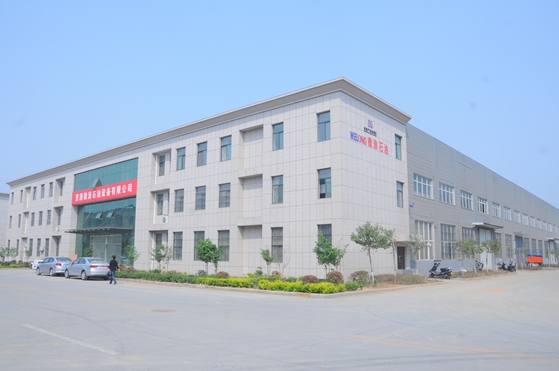
CHINA WELONG - 20+ years manufactuer in oilfield tools