Bumper Sub Supplier Guide: How to Choose Reliable Manufacturer
Choosing the right bumper sub supplier can have a big effect on how well your fishing goes and how efficiently you drill overall. The bumper sub has to meet strict quality and performance standards so it can work reliably in tough downhole conditions. It is an important tool used to create a jarring force and make releasing operations easier during fishing jobs. This detailed guide lists all the important things that users should think about when choosing a maker, such as the quality of the materials, the accuracy of the work, the standards for testing, and the manufacturer's experience in the field.
What Should You Look for in a Bumper Sub Manufacturer?
To find a reliable manufacturer, you need to look at a few basic factors that show if a supplier can consistently provide high-quality bumper sub products that can handle tough oilfield conditions.
Verifying Industry Certifications and Compliance
It is essential for a reliable bumper part manufacturer to possess well-known certifications in the industry, which demonstrate that they adhere to quality management systems and established technical requirements. Obtaining certifications such as ISO 9001:2015 and API 7-1 demonstrates that a firm adheres to standard procedures in all of its operations. Before beginning cooperation with a manufacturer, it is important to verify that their bumper sub products fulfil fundamental requirements for quality and consistency throughout production runs. This may be accomplished by reviewing the credentials listed above.
Assessing Product Range and Customization Capability
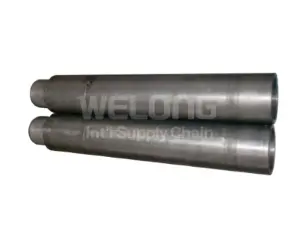
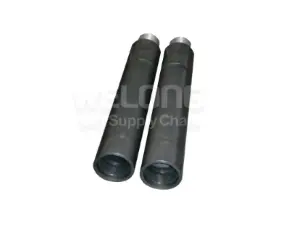
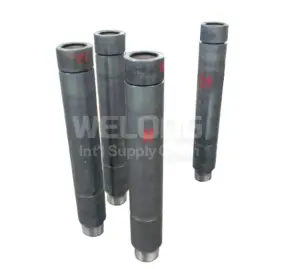
The conventional KXJ fishing bumper sub, which has a lengthy working stroke and a lot of down-jarring power, and the greased BXJ variant, which is meant to last longer, are two examples of the many types of bumper subs that are required for different fishing operations. For operators to be able to pick or ask for bumper sub specifications that are absolutely suited for their well circumstances and fishing demands, a reputable manufacturer should have both standard product lines and customisation choices available to them.
How to Evaluate Material Quality and Machining Precision in Bumper Subs
The performance and longevity of any bumper sub depend heavily on the quality of raw materials used and the precision applied during the machining process, making these factors essential evaluation points when assessing potential suppliers.
Confirming Raw Material Traceability and Grade
Reputable manufacturers maintain thorough documentation regarding the source and grade of steel used in bumper sub construction, often referencing standards similar to those established by ASTM International. This traceability allows operators to verify that materials meet the mechanical property requirements necessary for withstanding repeated jarring forces and downhole stress without premature failure, an essential consideration given the demanding operational role this tool performs during fishing jobs.
Inspecting Machining Tolerances and Surface Finish
Precision machining directly affects how smoothly the internal components of a bumper sub, particularly the sliding mechanism responsible for generating the working stroke, function during actual operation. Manufacturers who invest in advanced machining equipment and maintain tight tolerances typically produce bumper sub-units with more consistent stroke performance and reduced likelihood of premature wear at critical friction points within the tool's working chamber.
Key Manufacturing Capabilities That Define a Reliable Bumper Sub Supplier
Beyond basic quality considerations, certain manufacturing capabilities distinguish suppliers capable of consistently delivering dependable bumper sub products across varying order volumes and customization requirements.
Comprehensive In-House Production Control
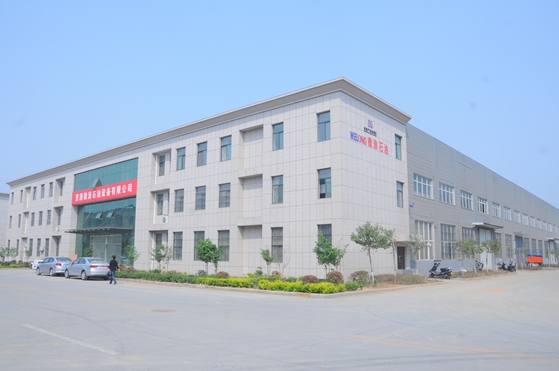
Manufacturers who maintain comprehensive in-house production control, from raw material processing through final assembly, typically offer greater consistency in their bumper sub output. This vertical integration reduces dependency on multiple external subcontractors, allowing for more rigorous quality oversight throughout each production stage and faster identification of any issues that might otherwise compromise the tool's performance before it reaches the customer.
Flexible Production Scheduling and Delivery Options
A reliable bumper sub supplier should demonstrate the capability to meet varying delivery timelines without compromising product quality. This includes offering multiple transport options, such as sea, air, or rail freight, along with flexible commercial terms like FOB, CIF, DDP, or DDU arrangements. This flexibility allows international buyers to select logistics approaches that best suit their operational timelines and budget considerations.
Why Testing Standards Matter When Selecting a Bumper Sub Provider
Rigorous testing protocols throughout the manufacturing process help ensure that finished bumper sub products will perform reliably when deployed in actual fishing operations, making testing standards a critical supplier evaluation criterion.
In-Process Inspection Throughout Production Stages
Rather of relying exclusively on final inspection, quality suppliers incorporate in-process inspection checkpoints throughout the whole manufacturing process of bumper sub manufacturing. These checkpoints ensure the dimensional correctness and material qualities of the bumpers at several stages of production. By using this method, possible problems may be recognised and fixed at an earlier stage, hence minimising the possibility that faulty components will make it through the whole of the manufacturing process before problems are found.
Third-Party Verification for Additional Assurance
For operators requiring additional quality assurance, manufacturers who can arrange third-party inspection services through internationally recognized organizations like SGS and DNV offer valuable additional verification. This independent oversight provides an extra layer of confidence regarding bumper sub quality, particularly valuable for buyers who cannot conduct their own on-site inspections but still require documented assurance of product compliance before shipment.
How Supplier Experience Impacts Bumper Sub Performance Consistency
The accumulated experience of a manufacturer often translates directly into more consistent product performance, as established suppliers have typically refined their processes through years of practical application and customer feedback.
Decades of Manufacturing Refinement
Manufacturers with extensive experience, often spanning two decades or more in oilfield equipment production, tend to have refined their bumper sub manufacturing processes through continuous improvement cycles. This accumulated knowledge often results in better-designed tools that account for real-world operational challenges, from optimizing the jarring force delivery of KXJ models to perfecting the hydraulic oil sealing systems used in lubricated BXJ variants.
Track Record Supporting Long-Term Reliability Claims
An experienced bumper sub supplier should be able to demonstrate a track record of successful deployments across various well conditions and geographic markets. This history provides valuable evidence supporting claims about product reliability, helping potential buyers make more informed decisions based on documented performance rather than solely relying on marketing claims regarding tool capabilities and durability.
Conclusion
Selecting a reliable bumper sub manufacturer requires careful evaluation of certifications, material quality, machining precision, and testing protocols. Suppliers offering diverse product options, from standard KXJ fishing bumper subs to lubricated BXJ variants, combined with comprehensive quality control and flexible logistics support, provide the strongest foundation for successful fishing operations. Prioritizing manufacturers with proven experience and documented quality standards ultimately delivers greater confidence in bumper sub performance across demanding downhole conditions.
FAQ
1. What is the difference between KXJ and BXJ bumper subtypes?
During fishing activities, the KXJ fishing bumper sub is a releasing tool that has a lengthy working stroke and a big down-jarring force. On top of that, its construction is straightforward, which makes it easy to maintain. For the purpose of lubrication, the BXJ type makes use of wearable hydraulic oil inside its working chamber. This helps to increase the service life, which in turn allows for longer operational usage.
2. What certifications should I verify before choosing a bumper sub manufacturer?
You should look for manufacturers that have not just the API 7-1 certification, which is particular to oilfield equipment requirements, but also the ISO 9001:2015 certification and the quality management system certification. By obtaining these certifications, which can be found at https://www.iso.org/standard/62085.html, the supplier has shown that they adhere to the established norms of the industry during the whole process of producing bumper subs.
3. How can I verify the quality control process of a potential bumper sub supplier?
Enquire with prospective suppliers about the techniques they use for in-process and final inspections, and find out whether they provide third-party inspection services via organisations such as SGS or DNV. In order to ensure that the bumper sub products satisfy consistent quality requirements before to distribution, it is helpful to request evidence of these quality control techniques.
Contact WELONG for Reliable Bumper Sub Solutions
Choosing the right supplier matters as much as choosing the right tool. WELONG offers both KXJ and BXJ bumper sub products, backed by over 20 years of oilfield manufacturing experience and certifications including ISO 9001:2015 and API 7-1. Our rigorous quality control, flexible logistics options, and third-party inspection partnerships with SGS and DNV ensure dependable delivery worldwide. Contact our team today at oiltools@welongpost.com to discuss your bumper sub requirements and receive a customized quote.
References
1. American Petroleum Institute. (2009). API Recommended Practice 7G: Recommended Practice for Drill Stem Design and Operating Limits. API Publishing.
2. Bourgoyne, A. T., Millheim, K. K., Chenevert, M. E., & Young, F. S. (1991). Applied Drilling Engineering. SPE Textbook Series.
3. Society of Petroleum Engineers. (2012). Fishing and Well Control Operations Manual. SPE.
4. Rabia, H. (2002). Well Engineering and Construction. Entrac Consulting.
5. Short, J. A. (1993). Introduction to Directional and Horizontal Drilling. PennWell Books.
6. Devereux, S. (1998). Practical Well Planning and Drilling Manual. PennWell Books.
Share your inquiry, get the quotation accordingly!
CHINA WELONG - 20+ years manufactuer in oilfield tools