How Does Casing Elevator Improve Drilling Efficiency?
Time is money in today's drilling jobs, and safety must always come first. The Casing Elevator is one of the most important tools that keeps well building running easily. It has a direct effect on operating speed, accuracy, and crew safety. The Casing Elevator's main job is to grip, lift and lower casing strings into the wellbore. Its use cuts down on wasted time and ensures accurate casing placement. This piece talks about how the Casing Elevator makes drilling more efficient by speeding up the running of casings, making it easier for raising systems to work together, and providing real benefits across all well building projects.


What Is a Casing Elevator and Why It Matters in Drilling Operations
Before looking at how to improve efficiency, it's important to know what a Casing Elevator is and what it does on the rig floor during casing operations.
Definition and Basic Function
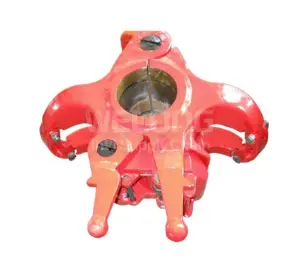
A Casing Elevator is a heavy-duty mechanical device used to grip and support casing pipe as it is lifted from the rig floor and lowered into the wellbore. The Casing Elevator is the most important link between the raising system and the casing string during running operations. It comes in different configurations, such as CD, CDZ, DD, and slip-type.
Role Within the Rig's Hoisting System
The Casing Elevator is linked to the travelling block by bails or links, which lets the casing joints move up and down in a controlled way. The Casing Elevator is an important part of the rig hoisting system because it holds each joint securely during make-up and lowering. This makes sure that heavy casing strings can be handled safely and efficiently.
Why Equipment Quality Directly Affects Performance
The reliability of a Casing Elevator depends heavily on manufacturing quality and material integrity. Devices produced under strict standards, such as ISO 9001:2015 certification and API 7-1, deliver consistent grip strength and durability, minimizing failure risk and directly supporting faster, safer drilling operations.
Faster Casing Running Operations Enabled by Casing Elevator
One of the most direct ways a Casing Elevator makes things more efficient is by speeding up the process of running the casing. Every minute saved adds up over hundreds of joints.
Reducing Time Per Casing Joint
Crews can quickly and safely latch and unlatch casing joints with a well-designed Casing Elevator. This quick engagement cuts down on the time needed to handle each joint. When applied to a whole string of casings, the Casing Elevator saves a lot of time, which speeds up the overall construction schedule for a well.
Streamlining Repetitive Handling Cycles
Lifting cycles are very repetitive in casing operations. The Casing Elevator is designed to run these cycles easily and regularly, so there is less waiting and more work to be done. This reliable repetition keeps the work moving at a steady pace, which helps the drilling teams keep going and avoid delays that slow down the whole rig.
Supporting Continuous Workflow on the Rig Floor
The Casing Elevator lets work continue between the rig floor and the wellbore without stopping. It does this by attaching to the casing quickly and safely. This keeps the crew and equipment from having to wait around for too long, which lets the casing running go more quickly and saves money on non-productive time during the drilling program.
Precision Lifting Mechanism for Accurate Casing Installation
Speed isn't enough; placing the casings correctly is also very important, and the Casing Elevator is great at providing precise, controlled handling.
Controlled Grip and Load Distribution
The Casing Elevator has a strong, balanced grip that spreads the weight of the casing joint out evenly. This controlled load handling keeps the loads from slipping and misaligning while they are being lifted. This makes sure that each joint is in the right place as it goes into the wellbore, which is important for keeping the integrity of the casing during installation.
Alignment Accuracy During Make-Up
To avoid cross-threading and connection damage, it is very important that the parts are lined up correctly during connection make-up. A carefully designed Casing Elevator keeps the casing steady and in the right place, which lets the stabbing and thread engagement be done correctly. This level of accuracy lowers the chance of link breakdowns and redo, which directly leads to operations running more smoothly and efficiently.
Slip-Type Designs for Enhanced Precision
Slip-type case Elevators, like the Y Series and SE Series types, have slips that grip the body of the case very strongly. This design improves holding accuracy and load security, so installers can confidently handle heavier casing strings while staying in the right place during the whole process.

Improved Coordination Between Hoisting Systems and Drawworks
How well tools work together is just as important as how well they work on their own. The Casing Elevator makes it easier for the rig's combined raising tools to work together.
Seamless Integration with the Traveling Block
The travelling block is directly linked to the casing lift by lift links, which allows the two to move up and down at the same time. This smooth integration lets the driller precisely control how the casing is handled from the console. It also makes sure that the lifting and lowering actions are smooth, responsive, and well-coordinated with the hoisting system on the rig.
Synchronization with Drawworks Operation
When the Casing Elevator and the drawworks work together well, the hoisting speeds and stopping positions can be precisely controlled. This synchronisation stops rapid moves and shock loading, which protects both the casing and the equipment while letting the running operations of the casing go at the best possible speed.
Enhancing Crew Communication and Workflow
When the Casing Elevator in the hoisting system works reliably, crew coordination naturally gets better. Clear, regular behaviour of the tools lets the driller, floorhands, and derrickman work together in sync. This cuts down on misunderstandings and delays and makes the rig floor a better, more productive place to do casing operations.
Overall Efficiency Gains in Well Construction Operations
The Casing Elevator has many perks that make the economics of well building much better when looked at as a whole.
Reduced Non-Productive Time
The Casing Elevator cuts down on wasted time by speeding up the handling of casings and lowering the number of mistakes made when connecting them. The Casing Elevator is a useful tool for keeping drilling projects on plan and on budget because it cuts down on the time and money needed to run the casing.
Enhanced Safety and Reduced Operational Risk
Accidents and dropped loads are less likely to happen when you have a reliable Casing Elevator. Better safety cuts down on accidents and work stoppages, which in turn supports operations that run smoothly and continuously. So, buying a good Casing Elevator protects both the people working on the project and the schedule.
Long-Term Cost Savings and Reliability
Durable Casing Elevators that are made to high quality standards last longer and need less upkeep. This dependability cuts down on the time needed for repairs and replacements, saving money in the long run and making sure that the Casing Elevator continues to support efficient drilling operations in many wells.
Conclusion
The Casing Elevator is a cornerstone of efficient well construction, delivering faster casing running, precise installation, and superior coordination with the rig's hoisting systems. By reducing non-productive time, enhancing safety, and offering long-term reliability, a quality Casing Elevator directly improves overall drilling efficiency and project economics. Choosing a durable, certified elevator from a trusted manufacturer is one of the smartest investments a drilling operation can make. When efficiency, safety, and reliability matter, the right Casing Elevator makes all the difference on the rig floor.
FAQ
Q1: What types of Casing Elevators are available for different operations?
A1: Some common types are the CD, CDZ, DD, DDZ, TA, SLX, Y Series slip-type, single joint elevators and SE series elevator/spider models. Each one is best for a certain size of casing and set of working conditions.
Q2: How does a Casing Elevator reduce non-productive time?
A2: As shown in Figure A2, the Casing Elevator speeds up repeated handling cycles and reduces delays during casing running by letting casing joints latch securely and quickly and by working smoothly with the lifting system.
Q3: Why is manufacturing quality important for a Casing Elevator?
A3: Building to standards like ISO 9001:2015 and API 7-1 guarantees consistent grip strength, load reliability, and durability. This lowers the risk of failure and supports safer, more efficient operations.
Contact WELONG for High-Performance Casing Elevator Solutions
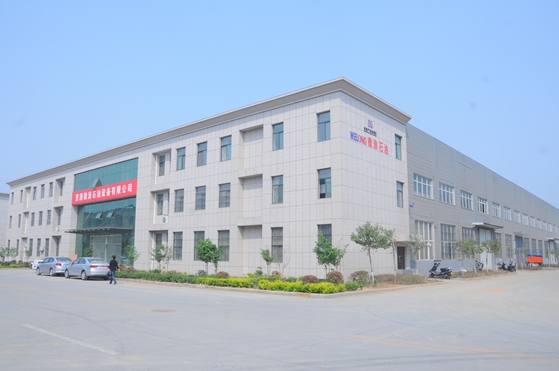
Boosting drilling efficiency starts with dependable equipment. With over 20 years of manufacturing expertise, ISO 9001:2015 and API 7-1 certifications, and a rigorous quality control process, WELONG delivers Casing Elevators built for precision, durability, and safety. From CD and slip-type elevators to complete SE series elevator/spider systems, we offer solutions tailored to your operational needs. Our skilled team ensures on-time delivery through flexible shipping options and cooperative trade terms worldwide. Partner with a manufacturer trusted across the global oilfield industry. Contact us today at oiltools@welongpost.com to discuss your Casing Elevator requirements and receive expert support.
References
1. American Petroleum Institute. (2019). API Specification 8C: Drilling and Production Hoisting Equipment. API Publishing Services.
2. Bourgoyne, A. T., Millheim, K. K., Chenevert, M. E., & Young, F. S. (1991). Applied Drilling Engineering. Society of Petroleum Engineers.
3. Mitchell, R. F., & Miska, S. Z. (2011). Fundamentals of Drilling Engineering. Society of Petroleum Engineers.
4. Azar, J. J., & Samuel, G. R. (2007). Drilling Engineering. PennWell Corporation.
5. Devereux, S. (2012). Drilling Technology in Nontechnical Language (2nd ed.). PennWell Corporation.
6. Lyons, W. C., Plisga, G. J., & Lorenz, M. D. (2015). Standard Handbook of Petroleum and Natural Gas Engineering (3rd ed.). Gulf Professional Publishing.
Share your inquiry, get the quotation accordingly!
CHINA WELONG - 20+ years manufactuer in oilfield tools