Centralizer Benefits in Cementing & Well Integrity
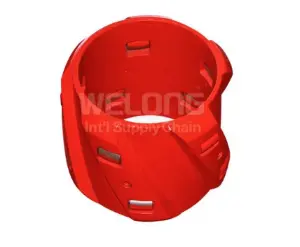
In oil and gas well construction, attaining a dependable cement job is essential for long-term well integrity, and few equipment contribute to this objective as directly as the centralizer. The centralizer, affixed to the casing string before to its entry into the wellbore, maintains the casing in a central position inside the borehole, so guaranteeing a uniform cement sheath encasing the pipe. This apparently simple function significantly influences zonal isolation, mud removal, cement adhesion, and overall well safety. This article examines the primary advantages of the centralizer in cementing operations and elucidates the need of effective centralisation for the construction of lasting, high-integrity wells.
How Do Centralizers Improve Zonal Isolation in Cementing Operations?
Zonal isolation is a critical aim of any cementing operation, and the centralizer is essential for maintaining uniform cement distribution across the casing.
Ensuring Even Cement Sheath Distribution
When the casing is positioned centrally inside the wellbore, cement may uniformly circulate around its whole perimeter. A well positioned centralizer maintains its location, guaranteeing a consistent cement sheath that entirely occupies the annular area. This uniform distribution is essential for delineating distinct formation zones and averting undesired fluid movement.
Preventing Channeling and Fluid Migration
Inadequately centralised casing often results in cement channelling, whereby drilling fluid gets ensnared, leading to the formation of weak areas. The centralizer mitigates this issue by maintaining the casing's distance from the wellbore wall, so enabling cement to uniformly displace mud and eradicate channels that jeopardise zonal isolation and well integrity.
Supporting Effective Formation Sealing
The centralizer ensures a uniform standoff, allowing cement to create a continuous seal between producing and non-producing zones. This efficient formation sealing inhibits crossflow between zones, safeguards freshwater aquifers, and guarantees that hydrocarbons be extracted from the designated periods without contamination or pressure transmission.
Centralizer Impact on Reducing Eccentric Casing Movement
Maintaining the casing concentric inside the borehole is a continual problem, particularly in deviated wells. The centralizer immediately mitigates this by regulating eccentric motion.
Maintaining Consistent Standoff
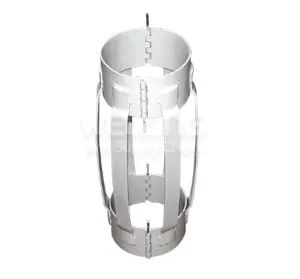
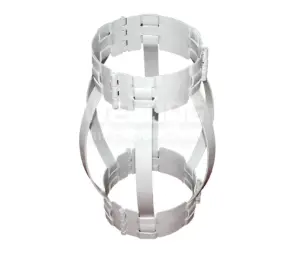
The centralizer ensures a uniform separation between the casing and the wellbore wall. Products designed for elevated restoring force and minimal beginning force, such as bow spring centralizers, maintain the casing's centricity even under challenging circumstances, guaranteeing uniform cement coverage over the whole length of the pipe.
Performance in Horizontal and Deviated Wells
In horizontal and deviated wells, gravity often causes the casing to shift towards the lower side of the borehole. A meticulously designed centralizer mitigates this tendency by using high-quality alloy steel bows that are hot-formed via regulated heat treatment. This guarantees dependable centralisation even in the most difficult well geometries.
Reducing Casing Wear and Sticking Risk
The centralizer minimises friction and the likelihood of differential sticking during run-in by maintaining casing away from the borehole wall. Roller centralizers facilitate casing movement in extended-reach wells, hence reducing the likelihood of the casing being lodged before to reaching its target depth.
Why Centralizers Enhance Mud Removal Before Cement Placement
Efficient mud removal is essential for a strong cement bond, and the centralizer is crucial in displacing drilling fluid prior to cement placement.
Improving Annular Flow Dynamics
Centralised casing allows for uniform cement slurry distribution across the annulus, enhancing flow dynamics. The centralizer guarantees uniform velocity throughout the annular space, enabling cement to effectively displace drilling mud instead of circumventing it on the narrower side of an eccentric casing.
Eliminating Trapped Mud Pockets
Off-center casing generates narrow voids where drilling mud gets ensnared and resists displacement. The centralizer eradicates these voids by ensuring consistent standoff, allowing cement to entirely displace mud. Effective displacement is crucial for attaining a proficient cement bond and dependable zonal isolation.
Supporting Optimal Displacement Efficiency
Displacement efficiency depends heavily on proper centralization. Meeting standards such as API Spec 10D and manufactured under ISO 9001:2015 certification, a quality Centralizer maximizes the volume of mud displaced by cement, ensuring the annulus is filled with high-quality cement rather than contaminated fluid.
How Do Centralizers Contribute to Stronger Cement Bonding Quality?
The quality of cement bonding dictates the adhesion of cement to both casing and formation, with the centralizer significantly impacting this essential result.
Promoting Uniform Cement Coverage
A centralised casing facilitates uniform adhesion of cement to the pipe surface over its whole circle. The centralizer ensures homogeneous covering, averting narrow or nonexistent cement zones that might compromise the bond and facilitate fluid movement behind the casing.
Enhancing Casing-to-Cement Adhesion
The Centralizer's consistent standoff guarantees that the cement completely encases and clings to the casing. Robust casing-to-cement adhesion enhances the mechanical integrity of the well, enabling the cement sheath to endure pressure variations and temperature stresses over the well's productive lifespan.
Improving Bond Log Results
Wells exhibiting adequate centralisation typically provide superior cement bond log outcomes. The centralizer facilitates uniform cement placement, resulting in clear bond records that verify successful isolation, so assuring operators that the cement work complies with regulatory and operational integrity standards.
Long-Term Well Integrity Improvement Through Proper Centralization
The advantages of centralisation beyond the mere cementing process, enhancing safety and dependability during the well's duration.
Preventing Long-Term Fluid Migration
A uniformly applied cement sheath, achieved by adequate centralisation, inhibits long-term fluid flow across zones. The centralizer creates a long-lasting barrier that ensures isolation for decades, safeguarding against continuous casing pressure and maintaining the mechanical integrity of the wellbore over time.
Reducing Costly Remedial Operations
Inadequate cementing often results in costly corrective procedures, such as squeeze cementing. By guaranteeing a high-quality cement work from the outset, the centralizer reduces the probability of expensive interventions, so conserving substantial time and costs for operators throughout the well's lifespan.
Supporting Environmental and Safety Compliance
Effective centralisation enhances environmental protection and regulatory adherence by guaranteeing dependable zonal isolation. A strategically positioned centralizer aids in preventing groundwater pollution and unregulated fluid movement, so reinforcing the safety norms that responsible drilling operations must adhere to in all projects.
Conclusion
The Centralizer is a small but indispensable tool that delivers major benefits across cementing and well integrity. By ensuring uniform cement coverage, improving mud removal, enhancing bond quality, and maintaining consistent standoff in horizontal and deviated wells, the Centralizer forms the foundation of effective zonal isolation. Its long-term contribution to preventing fluid migration and reducing remedial costs makes it essential for safe, durable wells. Investing in high-quality, API-compliant Centralizers is one of the smartest decisions an operator can make to protect both performance and profitability.
FAQ
Q1: What types of Centralizers are available for casing operations?
A1: Typical varieties include stiff centralizers (straight and spiral blade), spring centralizers (bow spring and double bow), and specialised designs including metalloid, aluminium alloy, and roller centralizers for diverse well conditions.
Q2: Why are Centralizers important in deviated and horizontal wells?
A2: In deviated and horizontal wells, gravity displaces the casing from the center. centralizers with substantial restoring power maintain the casing's alignment, guaranteeing consistent cement covering and dependable zonal isolation.
Q3: What standards should a quality Centralizer meet?
A3: A dependable bow spring centralizer must comply with API Spec 10D performance standards and be produced under quality management systems like ISO 9001:2015 to ensure constant dependability.
Contact WELONG for High-Performance Centralizer Solutions
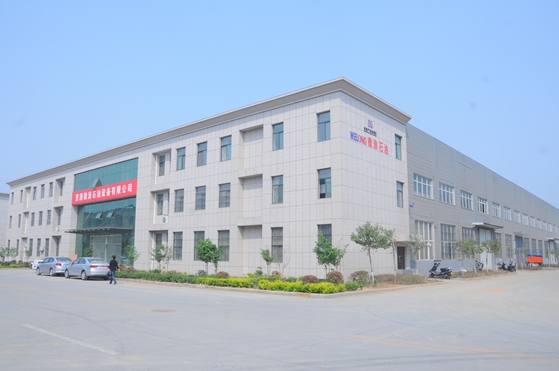
Strong well integrity begins with proper centralization. With over 20 years of oilfield manufacturing expertise, ISO 9001:2015 and API 7-1 certifications, and Centralizers meeting API Spec 10D, WELONG delivers products engineered for high restoring force, low starting force, and reliable performance in horizontal and deviated wells. From rigid and bow spring designs to roller and alloy Centralizers, we offer solutions tailored to your specific well conditions. Our skilled team ensures on-time delivery through flexible shipping and cooperative trade terms worldwide. Partner with a trusted manufacturer today. Contact us at oiltools@welongpost.com to discuss your Centralizer needs.
References
1. American Petroleum Institute. (2015). API Specification 10D: Bow-Spring Casing Centralizers. API Publishing Services.
2. Nelson, E. B., & Guillot, D. (2006). Well Cementing (2nd ed.). Schlumberger.
3. Smith, D. K. (1990). Cementing (SPE Monograph Series). Society of Petroleum Engineers.
4. Bourgoyne, A. T., Millheim, K. K., Chenevert, M. E., & Young, F. S. (1991). Applied Drilling Engineering. Society of Petroleum Engineers.
5. Lyons, W. C., Plisga, G. J., & Lorenz, M. D. (2015). Standard Handbook of Petroleum and Natural Gas Engineering (3rd ed.). Gulf Professional Publishing.
6. Mitchell, R. F., & Miska, S. Z. (2011). Fundamentals of Drilling Engineering. Society of Petroleum Engineers.
Share your inquiry, get the quotation accordingly!
CHINA WELONG - 20+ years manufactuer in oilfield tools