What Do You Know About Cementing Head?
The grouting head, which is sometimes just called a "cement head," is one of the most important but often forgotten tools used in well building. This important piece of gear is the link between the wellbore and the surface cementing units. It makes sure that the cement slurry goes into the annular space correctly and with control. Anyone who works with casing cementing needs to know how the cement head is designed, how it works, and what it means for the job. This piece goes into great detail about why this equipment is so important for safe and good well operations.
Basic Definition and Functional Purpose of a Cementing Head in Well Construction
It is important to have a good understanding of what a cementing head is and why it is so important to the well-building process in all drilling operations around the world before getting into the technical details.
Defining the Cement Head as a Wellhead Cementing Tool
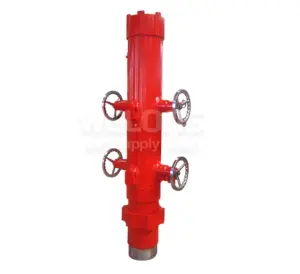
A cement head is basically a wellhead unit that is made for grouting jobs. During the cement job, it connects straight to the top of the casing string. The casing cement head with two plugs has a longer body than the single-plug versions, so the upper and lower rubber plugs can be loaded at the same time. This arrangement speeds up the filling process and lowers the time needed for plug installation during key operating times on the rig floor.
Primary Purpose in Directing Cement Slurry Placement
One of the main jobs of a cement head is to precisely place the cement slurry as it moves down the casing and into the annular space around it. The cement head controls the release of displacement fluids and rubber plugs at set times. This makes sure that the cement gets to the right places without getting contaminated by drilling mud or mixing too early. This supports the well's integrity over time and ensures effective zonal isolation.
Why Cementing Head Is Central to Safe and Controlled Casing Cementing Jobs
It's impossible to say enough about how important it is to have a cementing head that works properly in order to do safe, controlled, and efficient case cementing operations in a range of well conditions and pressure settings.
Making sure the pressure stays low During Operations with a Lot of Stress
A lot of pump pressure is used in cementing jobs to move the cement slurry through the casing string. A good cement head, made from AISI 4145H stainless steel or another material, is designed to handle forces of up to 10,000 PSI. This ability to resist pressure is important for keeping control of the well during the cementing process, especially in deeper wells where pump and hydrostatic pressures rise a lot.
Preventing Contamination Between Cement and Drilling Fluids
Stopping the mixing of cement slurry with drilling mud or spacer fluids is one of the most important safety tasks that the cement head does. The cement head releases the top and bottom plugs at the same time. This makes physical walls that keep these fluids apart as they move downhole. This split is very important for getting a good cement bond, which has a direct effect on the stability of the well and the long-term success of the production.
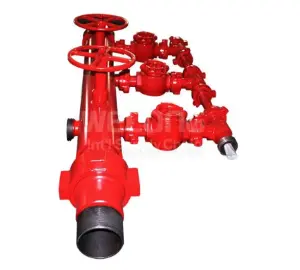
Key Components of a Cement Head Explained for Field Operators and Engineers
Knowing the different parts that make up a cementing head helps people working in the field use the tools correctly and fix problems that might come up during actual cementing operations on location.
The Dual Plug System and Release Mechanism
The dual plug system, which is made up of an upper rubber plug and a lower rubber plug inside the extended body, is at the heart of any double-plug cement head. With this design, both plugs can be added before the job starts, and there is a release device that workers use to stop the pumping process at exact times. This two-plug cement head setup is much more efficient than single-plug options that need to be reloaded in the middle of a job.
Lever-type indicator for checking the position of the plug
Modern cement head designs have a very useful feature called a lever-type indicator. This feature clearly shows if the rubber plug has made it through the cement head body and into the case string. This indicator takes away the guesswork for field operators, letting them confidently confirm plug movement and make quick decisions about the next steps to take in the cementing job.
Body Construction and Connection Manifolds
In order to meet API 5CT standards, the cement head body is made to accept flexible connections. This makes it compatible with casing sizes ranging from 5-1/2 inches to 13-3/8 inches. Because the coupling is made to work with standard industry connections, the cement head can be used with a variety of rig setups and sealing programs without the need for special adapters in most cases.
How Cementing Head Integrates with Pumps, Hoses, and Surface Cementing Units
During the cement placement process, the cementing head is not used by itself; it is part of an integrated surface system that connects pumping equipment, hoses, and the wellbore itself.
Connection to Surface Cementing Pump Units
During the cementing process, the cement head is directly connected to high-pressure hoses that come from the surface cementing pump units. This connection needs to keep a tight, leak-free seal that can handle the high pressures that are created when the slurry is moved. The common pipe design of good cement heads makes it easy to connect to standard cementing unit setups that can be found on most drilling rigs around the world.
Coordinating Fluid Flow Between Multiple Surface Sources
In addition to connecting the pump, the cement head usually coordinates the flow of fluids from several sources, such as the cement slurry, the displacement fluid, and sometimes the spacer fluids. Because the cement head can connect to different fluids in different ways, operators can precisely order these fluids. This makes sure that each step of the bonding job goes according to plan, with no unwanted mixing or pressure changes at the surface connection points.
Fundamental Working Principles That Make Cementing Heads Reliable in Oilfield Operations
The reliability of a cement head stems from straightforward yet effective engineering principles that have been refined over decades of practical field application across diverse well conditions and operating environments.
Simple Construction Supporting Consistent Performance
One of the defining advantages of the cement head design is its simple construction, which translates directly into consistent and predictable performance in the field. Unlike more complex downhole tools, the cement head relies on straightforward mechanical principles, reducing the likelihood of malfunction. This simplicity, combined with high-pressure-resistant materials manufactured to specifications outlined by ASTM International standards, ensures dependable operation across thousands of cementing jobs performed globally.
Material Grade Selection for Long-Term Durability
The steel grade selection used in manufacturing a cement head, whether J55, L80, N80, or P110, directly influences its durability and suitability for specific well conditions. Higher-grade materials like P110 offer enhanced strength for demanding applications, while J55 may suffice for standard pressure environments. This graded approach to material selection allows operators to choose a cement head configuration precisely matched to their well's pressure and temperature profile.
Easy Operation Reducing Human Error Risk
Field-friendly operation represents another fundamental principle underlying reliable cement head performance. The easy operation characteristic of well-designed cement heads, combined with visual indicators for plug release confirmation, reduces the potential for human error during time-sensitive cementing sequences. This operational simplicity is particularly valuable on rigs where crew experience levels may vary, ensuring consistent results regardless of who is executing the job.

Conclusion
The cementing head is often overlooked by more visible drilling equipment, but it is an important part of making sure that casing cementing activities go smoothly. The cement head has a direct effect on well integrity outcomes because of its dual-plug design, ability to contain pressure, and seamless integration with surface pumping systems. Knowing the equipment's parts, how it works, and what materials are used in it helps workers and engineers choose the right tools for each well. This makes cementing jobs safer, more efficient, and more effective for everyone in the drilling industry.
FAQ
1. What is the difference between a single-plug and double-plug cement head?
A double-plug cement head features a longer body, allowing both upper and lower rubber plugs to be pre-loaded simultaneously, streamlining operations. A single-plug cement head requires manual reloading of the second plug mid-job, which can extend operational time and introduce additional handling steps during critical cementing sequences.
2. What pressure ratings and material grades are available for cementing heads?
Quality cement heads are typically rated for working pressures up to 10,000 PSI and manufactured from AISI 4145H alloy steel. Steel grade options generally include J55, L80, N80, and P110, allowing operators to select equipment matched to their specific well pressure, temperature, and casing size requirements between 5-1/2 inches and 13-3/8 inches.
3. How does the lever-type indicator improve cementing job safety?
The lever-type indicator provides visual confirmation showing whether the rubber plug has successfully passed through the cement head and entered the casing string. This feature eliminates uncertainty for field operators, allowing accurate, timely decisions during the cementing sequence and reducing risks associated with premature or delayed plug release.
Get Reliable Cementing Head Solutions from WELONG Today
Selecting a dependable cementing head is essential for executing safe, efficient casing cementing jobs. WELONG, backed by over 20 years of oilfield manufacturing experience and certifications including ISO 9001:2015 and API 7-1, delivers cement head products built for durability and precision. With flexible sizing, multiple steel grade options, and rigorous quality control, including third-party inspection through SGS and DNV, we are ready to support your next project. Reach out to our team at oiltools@welongpost.com to discuss your cementing head requirements today.
References
1. American Petroleum Institute. (2011). API Specification 5CT: Casing and Tubing. API Publishing.
2. Nelson, E. B., & Guillot, D. (2006). Well Cementing. Schlumberger Educational Services.
3. Society of Petroleum Engineers. (2013). Cementing Practices in Oil and Gas Wells. SPE.
4. Bourgoyne, A. T., Millheim, K. K., Chenevert, M. E., & Young, F. S. (1991). Applied Drilling Engineering. SPE Textbook Series.
5. Smith, D. K. (1990). Cementing. SPE Monograph Series, Volume 4.
6. Rabia, H. (2002). Well Engineering and Construction. Entrac Consulting.
Share your inquiry, get the quotation accordingly!

CHINA WELONG - 20+ years manufactuer in oilfield tools