Choosing a Reliable Drilling Mud Motor Supplier
When it comes to directional drilling, picking a reliable source for your drilling mud motor needs can have a huge effect on how well your project runs and how much money you make. A drilling mud motor, also known as a positive displacement motor (PDM), turns the hydraulic energy in the drilling fluids into mechanical movement that moves the drill bit. This lets the operator precisely control the direction of the hole without turning the whole drill string. If you choose a provider with strong quality standards, on-time delivery, and strong after-sales support, your operations will keep performing well while keeping costs low. This complete guide explains the important things that procurement professionals need to think about when working with a maker or dealer of drilling mud motors. This will help you make smart choices that protect your supply chain and lower operational risks.
Understanding Drilling Mud Motors and Their Importance
Downhole motors have changed how drilling companies deal with well paths that aren't simple. These clever machines work by sending high-pressure drilling fluid through a stator-rotor system. The pressure of the fluid makes the rotor spin, which sends torque straight to the drill bit.
What Makes Mud Motors Essential in Modern Drilling
In traditional rotary drilling, the whole drill string has to be turned by tools on the surface. This makes it harder to be precise in directional uses and wears out tubulars faster. This problem is solved by the drilling mud motor, which generates power locally at the drill bit. This focused method gives workers better direction control, which is especially helpful when digging horizontal parts or getting around geological barriers. Industry data shows that wells drilled with downhole motors often have 15–25% faster penetration rates than wells dug with traditional methods. This directly leads to lower running costs and shorter project timelines.
Core Components and Operating Principles
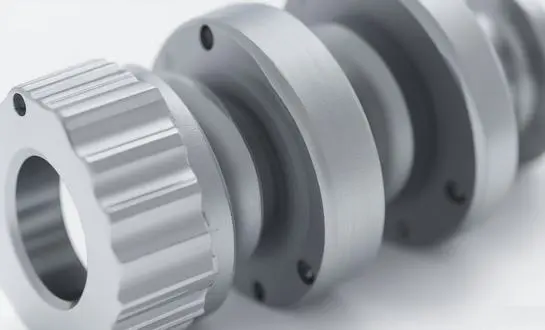
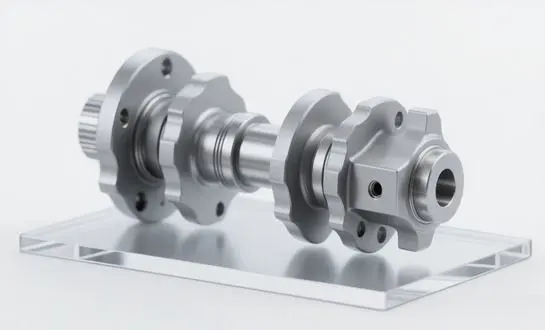
A spiral rotor inside a rubber-lined stator is what makes a positive displacement motor work. When drilling fluid runs through the spiral gaps between these parts, it makes the gaps move forward and backward, which turns the rotor. This turning is sent to the drill bit below through a drive shaft system. The design of the power section sets important performance factors like the required flow rate, rotating speed, and torque output. In modern designs, empty blades allow for higher flow rates while also making more horsepower available. Stators with uniform wall thickness give the same amount of power even when the load changes. Oil-sealed transmission shafts protect bearings from abrasive drilling fluids, which extends the single-trip working duration.
Operational Advantages That Impact Your Bottom Line
When downhole motors are used, they have clear benefits for drilling activities. Better rate of penetration cuts down on the time needed to hit the goal depth, which lowers rig day rates and the costs that come with them. Complex well profiles, such as horizontal laterals, S-curves, and multilateral branches, can be drilled, which gives people access to petroleum sources that would not be possible with vertical wells alone. Also, drilling mud motors cut down on the need for surface tools and reduce drill string fatigue, which makes expensive tube goods last longer. All of these operational benefits add up to better project costs and a stronger place in tough drilling environments.
Key Criteria for Selecting a Reliable Drilling Mud Motor Supplier
Comparing prices is only one part of choosing a supplier. To make sure that equipment works well and there is ongoing operating support, procurement managers have to look at a supplier's abilities in a number of different areas.
Assessing Supplier Credibility and Market Reputation
Start your review by checking the supplier's qualifications and reputation in the field. Reputable makers keep certificates like ISO 9001:2015 and API 7-1, which show they are dedicated to quality management systems and following the rules of the oil business. WELONG has been in business since 2001 and has both licenses and more than twenty years of experience making specialized oilfield products. Check out a supplier's track record by calling past customers, reading case studies, and getting third-party confirmation. Suppliers that have long-term relationships with big drilling firms and equipment makers usually have a history of being reliable. By attending expert workshops and joining professional organizations, people in the industry also show that they are committed to keeping up with new technologies and best practices.
Evaluating Technical Specifications and Performance Parameters
The technical specs must match the needs of the digging you're doing. Different wellbore sizes can be accommodated by an outer diameter (OD) ranging from 1 7/8" to 9 5/8". The adjustable bent housing (ABH) angles between 0° and 3° allow for the appropriate directionality. Ratings for temperatures between 120 and 150℃ make sure that the equipment will work reliably in most downhole situations. Check the torque capacity against the expected drilling loads in your target formations. Not enough torque will cause stopping and poor drilling, and a motor that is too big will add cost without adding any benefit. Your mud pump's size and hydraulic software must match the flow rate needs. By asking providers for specific performance curves, engineers can model how the equipment will behave in real-world situations, which helps them choose the right equipment.
Warranty Terms and After-Sales Support Infrastructure
Quality sellers are different from commodity suppliers because they offer full warranty coverage and easy access to expert help. Most drilling mud motor units can work for 150 to 200 hours before they need to be fixed up. This means that guarantee terms and upkeep support are important cost factors. Check to see what parts are covered, how long the coverage lasts, and how to file a guarantee claim. The supplier's after-sales infrastructure is also very important. Do they have regional service centers, stock important extra parts, and offer quick expert support? WELONG provides full inspection services, such as in-process and final inspection, and lets you use SGS and DNV for third-party proof. This strict quality control lowers the chance of failures happening in the field and provides paperwork that meets the needs of internal procurement and legal compliance.
Comparing Drilling Mud Motor Solutions and Brands
There are a lot of different choices on the market, from well-known global companies to specialized regional makers. Each offers something different for your drilling mud motor selection.
Industry-Leading Brands and Their Differentiators
Large service companies like NOV, Weatherford, and Schlumberger have long controlled the downhole motor market by putting a lot of money into research and setting up service networks around the world. These groups offer tried-and-true technology backed by decades of data on how well it works in the field. In their motor designs, they often use their own bearing systems, high-tech elastomer materials, and complex start structures that can be adjusted. Brand name does come with higher prices, though, which may be out of reach for smaller drilling companies or projects with small profit margins. As time has gone on, regional producers have closed the technology gap while keeping prices low. Many of them use similar design principles and materials, but some offer more customization choices and faster customer service.
Total Cost of Ownership Considerations
The purchase price is only one part of the real cost of the tools. Find the total cost of ownership by taking into account how often the item needs to be maintained, how much extra parts cost, how much it will cost to fix up, and how long it is expected to last. A motor that costs 20% less at first but has a 30% shorter service life and fewer parts may end up costing more in the long run than a more expensive option that lasts longer and has better support infrastructure. In drilling operations, downtime costs usually go up much more than equipment costs. For example, a motor failure that stops a rig for 24 hours can cost $50,000 to $100,000 in lost work. For real value that guards against these problems, suppliers that offer fast parts delivery, field service, and loaner tools programs are essential.
New Equipment Versus Used or Refurbished Options
When money is tight, you might have to think about buying used or restored motors. This method can lower the starting cost of cash, but it makes it hard to predict how long the service will last and how reliably it will work. The quality of refurbished units varies a lot based on how they were refurbished. Some suppliers only clean and paint the outside, while others replace all worn-out parts and test the units to make sure they meet original specs. When looking at used equipment, make sure you get a full service history, proof that it has been refurbished, and a copy of the guarantee that still covers it. Know that the lead time for custom-manufactured motors is usually between 6 and 12 weeks, so you'll need to plan ahead to keep your project on track. WELONG's skilled production team makes sure that products are finished on time and that they can be shipped by sea, air, or train. They also offer a range of trade terms, such as FOB, CIF, DDP, and DDU, to meet the needs of all kinds of customers.
Procurement Process and Best Practices for B2B Buyers
Structured buying methods keep supply chain problems to a minimum while getting the best results in terms of cost and quality.
Identifying Optimal Purchasing Channels
Having direct contacts with manufacturers is often the best way to get the best prices and expert support, but they may have higher minimum order quantities. Authorized wholesalers offer smaller lots and local stock, but they charge more per unit because they add a profit margin. Reputable B2B platforms let you compare suppliers and keep your transactions safe, but you should still check the seller's qualifications. No matter the route, give more weight to suppliers who have clear communication, well-documented quality systems, and proven logistics skills.
Logistics Evaluation and Delivery Assurance
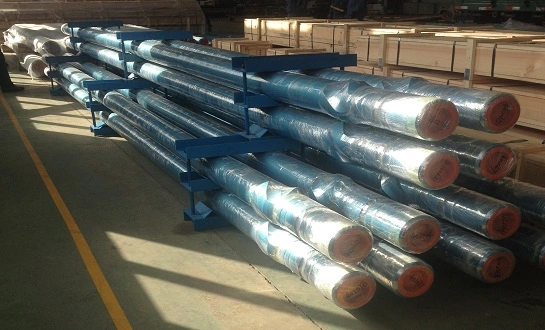
The transportation skills of a supplier have a direct effect on project plans. Compare the length of time it takes to make custom specs versus the number of standard setups that are in stock. Make it clear what the delivery terms are, how the goods will be sent, and who is responsible for sending insurance and clearing customs. WELONG offers a range of transportation choices and works with customers on a range of business terms, giving you the freedom to adapt to your specific buying processes. For international exports, you need to organize paperwork like commercial bills, packing lists, certificates of origin, and equipment licenses. Suppliers who know how to ship goods make the process go more quickly and lower the chance of customs delays.
Strategic Vendor Negotiation Approaches
When you negotiate well, you look at more than just price. You also look at terms that protect your business interests. When you talk about buying a drilling mud motor, you should talk about payment terms that meet both the supplier's cash flow needs and your company's financial rules. Make sure you understand the details of your warranty, such as what normal wear and tear is and what flaws are covered, how long technical help will take to respond, and how to return broken parts. Talk about the return policies for stuff that doesn't work or comes broken. Set up clear rules for communication, such as expert connections and ways to handle problems that get out of hand. Long-term value that goes beyond immediate cost saves comes from working together with suppliers in a way that is honest with both parties.
Maintaining and Troubleshooting Your Drilling Mud Motor for Optimal Performance
Proactive repair practices have a direct effect on how reliable equipment is and how much it costs to run throughout the motor's life.
Preventive Maintenance Protocols
Potential problems are found before they cause failures in the field through routine checks that happen before every launch. A visual check should be done to make sure the drive shaft is solid, the connection threads are in good shape, and there is no damage to the stator or degradation of the rubber. The right mud program design keeps motor parts from wearing out too quickly. Keeping the right amount of solids in the mud, keeping an eye on the fluid properties, and staying away from chemical agents that don't work with the rubber stator all help it last longer. Hydraulic overload that harms bearings and drive shafts can be avoided by following the manufacturer's suggestions for flow rates and differential pressure. Genuine spare parts made to the original specs make sure that they fit correctly and are compatible with the material. On the other hand, aftermarket options may cause early fails even though they cost less at first.
Common Failure Modes and Diagnostic Strategies
Understanding how most problems happen makes analysis and repair go more quickly. High temperatures, strong fluids, or long-term use can break down stator rubber faster, which slows down performance loss. Less power output, higher differential pressure, and motor stalling under standard loads are all signs of this problem. When a bearing fails, it usually causes vibrations, metal fragments in the drilling fluid to return, or a catastrophic seizure. Problems with the drive shaft can show up as sporadic rotation or a total loss of power transfer. When trying to figure out why a motor isn't working right, you should check the bit selection, the hydraulic parameters, and the cutting parameters before thinking the equipment is broken. By working with seller technology teams, you can get access to specialized diagnostic knowledge and failure analysis tools that help you solve problems faster.
Environmental and Operational Considerations
Different digging sites put different demands on the drilling mud motor performance, especially when selecting a suitable Drilling Mud Motor for sale. For example, elastomers that are more stable at high temperatures are needed for rough forms, which cause parts to wear out faster. The type of directionality affects the choice of motor. For example, angry doglegs need shorter motor setups with flexible drive shafts, while gentle curves can handle longer power sections with higher torque output. When you know about these connections, you can plan your care better and choose the right motor for the job, so it keeps working at its best in all kinds of situations.
Conclusion
To find a trustworthy drilling mud motor supplier, you need to carefully look at their technical skills, quality control systems, shipping and delivery systems, and customer service after the sale. When you do a good job of procurement, you balance short-term cost concerns with long-term operating efficiency and total cost of ownership. Suppliers with industry certifications, proven production skills, and full customer support offer real value that goes beyond the price of the tools. WELONG has been specializing in the oilfield for 20 years, is certified by ISO 9001:2015 and API 7-1, and is dedicated to on-time delivery. This makes the company a reliable partner for drilling firms and equipment makers. By using the evaluation frameworks in this guide, procurement professionals can build strong supply chains that support operating excellence and give them a competitive edge in tough drilling settings.
Frequently Asked Questions
1. How do I determine the appropriate mud motor size for my directional drilling application?
The choice of motor relies on the size of the wellbore, the desired build rate, the expected formation traits, and the hydraulic horsepower that is available. By matching the motor's outer circle to the hole size and taking into account where the stabilizers will go, you can clean the hole properly and control its direction. Figure out how much power you need based on the bit size and the strength of the formation, then choose a motor with enough output and a safety buffer. Talk to the technical teams of your suppliers. They can model performance factors based on your unique drilling goals.
2. What role should warranty and service support play in supplier evaluation?
Warranty terms and a network of expert help are important ways to protect against broken equipment and interruptions in operations. A full warranty shows that the seller is confident in the quality of the product, and easy access to technical help lets problems be fixed quickly when they happen. Check the warranty's length, the parts it covers, the claim process, and how quickly the seller responds. Equipment performance and total cost of ownership are directly affected by after-sales assistance, such as the availability of spare parts and the ability to provide service in the field.
3. Can suppliers provide custom motor configurations for unique project requirements?
Reliable makers can meet specific needs, such as providing special elastomers for high temperatures, changing the shape of the power section to achieve certain performance goals, and providing different types of connections to work with current equipment. Custom configurations usually have longer wait times and may need engineering review to make sure the plan is feasible. Talk about your unique needs early on in the buying process to find out what options are available and when they will be ready.
Partner with WELONG for Your Drilling Mud Motor Supply Needs
WELONG offers complete downhole motor options and has been making specialized oilfield products for over 20 years. We are a licensed provider of drilling mud motor solutions with ISO 9001:2015 and API 7-1 certifications. Our quality-assured goods have OD ranges from 1 7/8" to 9 5/8" and temperature ratings up to 150℃. Our strict quality control measures, which include both in-process and final checks, along with third-party proof through SGS and DNV, make sure that our products will work reliably during difficult drilling operations. We offer flexible transportation, such as shipping by sea, air, and train on a range of business terms, so your goods will get to your warehouse on time. Email our expert team at oiltools15@welongpost.com to get a personalized advice, thorough specs, and cheap quotes that fit your budget and operational needs. You can look at all of our products at welongoiltools.com.
References
1. Downhole Drilling Motors: Design, Performance, and Applications in Directional Drilling Operations. Society of Petroleum Engineers Technical Paper Series, 2019.
2. Procurement Best Practices for Oilfield Equipment: A Comprehensive Guide for Drilling Contractors. International Association of Drilling Contractors, 2021.
3. Positive Displacement Motor Technology: Evolution and Future Trends in Directional Drilling. Journal of Petroleum Technology, Vol. 74, Issue 3, 2022.
4. Quality Assurance Standards in Oilfield Equipment Manufacturing: ISO and API Compliance Frameworks. American Petroleum Institute Technical Standards, 2020.
5. Total Cost of Ownership Analysis for Downhole Drilling Equipment. Energy Industry Supply Chain Management Review, 2023.
6. Maintenance and Troubleshooting Protocols for Drilling Mud Motors in Challenging Environments. World Oil Magazine Technical Series, 2022.

Share your inquiry, get the quotation accordingly!
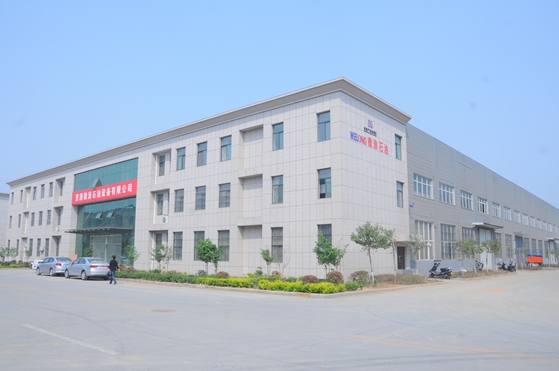
CHINA WELONG - 20+ years manufactuer in oilfield tools