Drill Pipe Screen Benefits in Drilling Fluid Filtration
The drill pipe screen is an important part of making sure that the drilling fluid is properly filtered, which is a key part of successful directional drilling operations. As the drilling fluid moves through the drill string, it picks up bits of rock, trash, and other foreign objects that can damage sensitive downhole equipment if they are not screened. This detailed guide looks at the many benefits a drill pipe screen offers during the drilling process. It shows how this important part keeps the flow stable, protects measurement tools while drilling, and ultimately leads to more efficient and reliable drilling operations.
How Does a Drill Pipe Screen Enhance Drilling Fluid Cleanliness?
It is important to keep the drilling fluid in the circulation system clean to protect expensive downhole tools and make sure that the system always works properly. In this system, the drill pipe screen is the main filtering barrier.
Filtering Contaminants Before They Reach Sensitive Tools
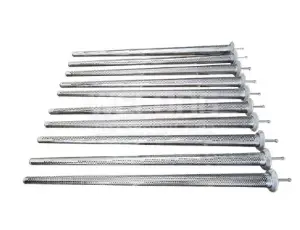
A drill pipe screen is placed in the drill string so that it can catch any contaminants in the drilling fluid before it gets to the measuring tools, drilling equipment, and other sensitive downhole instruments. This filtration part stops debris from moving further into the system by catching particles bigger than the screen's perforations. This keeps the fluid environment cleaner throughout the whole drilling assembly and lowers the chance that a tool will break.
Consistent Filtration Through Quality Material Construction
The material used to make a drill pipe screen has a big impact on how well it works. Screens made from 304 and 316 stainless steel are very resistant to rust and last a long time. These choices of materials, which are in line with ASTM International standards, make sure that the screen keeps its filter performance even when it's exposed to rough particles and corrosive drilling fluid additives for long periods of time.
Drill Pipe Screen Role in Removing Formation Cuttings and Debris
Cuttings and other waste are always getting into the moving fluid system as the drill goes through different layers. The drill pipe screen is very important for keeping this stuff under control before it causes problems with the process.
Capturing Large Particles During Active Drilling
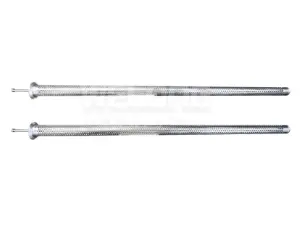
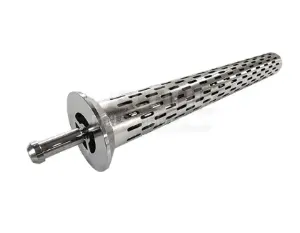
Different-sized pieces of rock from the formation are mixed into the drilling fluid while the job is being done. A properly set-up drill pipe screen, whether it's an angled or pierced design, will catch these bigger bits while still letting fluid flow smoothly. This filtering function is very important when drilling through formations that are likely to produce larger pieces of debris that could damage precision instruments further down the assembly.
Perforation Design Optimizing Debris Removal Efficiency
The specific pattern of holes used to make a drill pipe screen has a direct effect on how well it removes debris. Screens with about 33% open area perforation are a good balance between letting enough fluid flow through and catching particles well. This part of the design makes sure that the drill pipe screen gets rid of troublesome debris without causing too many differences in pressure, which could slow down circulation during long drilling runs.
Improved Circulation Stability Through Drill Pipe Screen Filtration
In addition to just getting rid of waste, the drill pipe screen makes the whole circulation system more stable by helping to keep the flow of fluids constant during difficult directional drilling tasks.
Maintaining Steady Flow Rates Throughout Drilling Operations
Throughout the digging process, consistent movement is needed to move cuttings and clean the wellbore. A well-designed drill pipe screen helps keep this regularity by keeping big pieces of debris from building up, which could otherwise stop the drill string from moving or limit its flow. This stability helps make drilling more predictable and lowers the chance of circulation problems happening at crucial times during operations.
Reducing Pressure Fluctuations from Debris Accumulation
Without proper filtration, debris building up in the drill string can cause changes in pressure that make it harder to watch and control drilling parameters. This risk is lowered by the drill pipe screen, which keeps bad particles out of the system and helps keep pressure readings more stable throughout the circulation system. This stability is especially helpful when precise pressure control is needed to check the stability of the wellbore or the rock.
Why Drill Pipe Screens Matter for Maintaining Mud Flow Performance
The general performance of the drilling mud as it moves through the wellbore rests on keeping the right flow properties. Drill pipe screen components that work properly play a big role in this.
Preventing Nozzle and Jet Blockages Downhole
As far as operations go, one of the most useful things a drill pipe screen does is keep dirt from getting to bit tips or other downhole pumping parts and stopping them. The screen helps keep the bit's hydraulic performance stable by catching problematic particles before they can move further into the assembly. This makes it easier to remove cuttings and clean the bottom of the hole during the drilling operation.
Supporting Interchangeable Configurations for Varying Conditions
Modern drill pipe screens often have ring flanges that can be switched out. This lets operators change the configuration of the screens based on the conditions of the formation or the types of debris they expect to see. Because of this, the mud flow performance can be improved to meet the unique needs of each well section, instead of having to rely on a single set design for the whole drilling programme.
Drill Pipe Screen Efficiency in Protecting Downhole Equipment from Solids
It's possible that the most important economic benefit of using good drill pipe screen technology is that it keeps expensive and fragile downhole equipment safe during directional drilling operations.
Safeguarding MWD Tools from Costly Damage
Measurement while drilling tools are big investments in terms of money, and damage from moving debris can mean expensive fixes or replacements, as well as time spent not working. The drill pipe screen directly addresses this risk by filtering out large particles before they reach these sensitive instruments. It is a cost-effective way to protect them and keep important directional drilling equipment working during long operational campaigns.
Retrievable Design Supporting Maintenance and Replacement
For practical reasons in the field, safety filter equipment needs to be able to be fixed or changed when needed. A lot of drill pipe screen types are made to be easy to remove with normal overshot tools, which makes upkeep easier. The screen is even more reliable because it has extra features like full-length safety holding rods and interior wear distribution plates. These make sure that the screen is always protected and make replacement easy when wear happens.
Conclusion
The drill pipe screen is an important safety measure in modern directional drilling. It does many things, such as filtering out trash and protecting downhole tools. This part directly leads to more reliable and cost-effective drilling operations by keeping the drilling fluid clean, supporting stable circulation, and maintaining the mud flow performance. Picking high-quality drill pipe screens that are made to well-known industry standards is still the best thing for operators who want to protect their valuable measurement investments while drilling.
FAQ
1. What is the difference between slotted-type and perforated drill pipe screens?
Slotted-type pipe screens feature elongated openings suited for specific debris characteristics, while perforated pipe screens use round hole patterns, often with approximately 33% open area. The choice between these configurations typically depends on anticipated debris size, drilling fluid properties, and specific operational requirements for the well section being drilled.
2. What materials are used to manufacture durable drill pipe screens?
Quality drill pipe screens are typically manufactured from 304 or 316 stainless steel, offering excellent corrosion resistance and structural durability. These material grades help ensure the screen maintains consistent filtration performance even when exposed to abrasive particles and chemically aggressive drilling fluid formulations over extended use periods.
3. How is a drill pipe screen retrieved for maintenance or replacement?
Most modern drill pipe screen designs are engineered to be retrievable using standard overshot tools, simplifying field maintenance procedures. This retrievable design, combined with features like full-length safety retaining rods, allows operators to service or replace the screen efficiently without requiring extensive drill string disassembly.
Contact WELONG for Quality Drill Pipe Screen Solutions
Protecting your valuable MWD equipment starts with reliable filtration. WELONG offers durable drill pipe screen products for sale in both slotted and perforated configurations, manufactured from premium 304 and 316 stainless steel with interchangeable ring flanges for versatile field applications. Backed by ISO 9001:2015 and API 7-1 certifications, along with rigorous quality control and third-party inspection support from SGS and DNV, our team is ready to meet your drilling program needs. Contact us today at oiltools@welongpost.com for more information.
References
1. Bourgoyne, A. T., Millheim, K. K., Chenevert, M. E., & Young, F. S. (1991). Applied Drilling Engineering. SPE Textbook Series.
2. American Petroleum Institute. (2010). API Recommended Practice 13B-1: Field Testing Water-Based Drilling Fluids. API Publishing.
3. Society of Petroleum Engineers. (2016). Solids Control and Drilling Fluid Filtration Practices. SPE.
4. Rabia, H. (2002). Well Engineering and Construction. Entrac Consulting.
5. Growcock, F., & Harvey, T. (2005). Drilling Fluids Processing Handbook. Gulf Professional Publishing.
6. Caenn, R., Darley, H. C. H., & Gray, G. R. (2011). Composition and Properties of Drilling and Completion Fluids. Gulf Professional Publishing.
Share your inquiry, get the quotation accordingly!
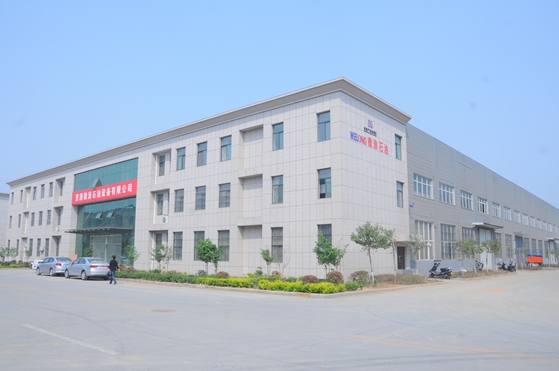
CHINA WELONG - 20+ years manufactuer in oilfield tools