What are the advantages of oil wellhead equipment?
The wellhead is the most important part of any oil or gas well because it is where the subsurface reservoir meets the processing facilities on the surface. Modern wellhead equipment uses advanced engineering to make sure that resource extraction is safe, efficient, and reliable. It is more than just a structural connection. Picking the right wellhead system has a direct effect on how much is produced, how safe operations are in the long term, and how much the project costs overall. This piece talks about the many benefits of good wellhead equipment, focusing on how it gives workers more control, safety, and the ability to adapt to different field situations.
The Core Function of Wellhead Equipment in Oil and Gas Operations
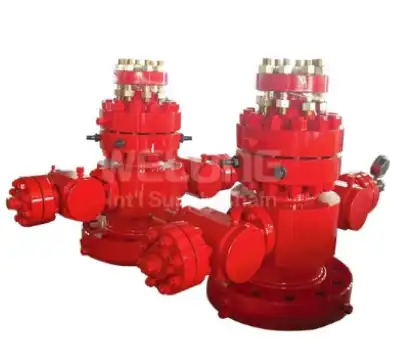
One of the best things about wellhead equipment is that it is the main entry point for all well operations. The single point holds the casing and tubing strings and supports their huge weight while providing a secure connection for all operations that follow.
Providing Essential Structural Support and Pressure Integrity
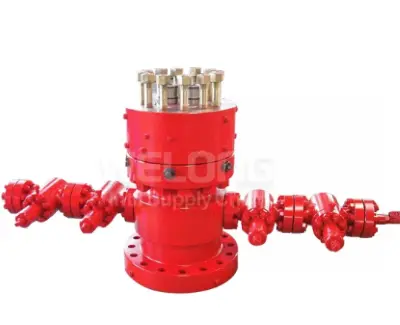
The wellhead system, especially the casing head, is made to hold up the weight of several casing strings, such as intermediate and production casings. For the well to stay intact, this strong structural support has to be there. At the same time, it makes a tight seal in the spaces between these casings, which protects against pressure changes in the reservoir and makes sure the surface is a safe place to work. The whole lifecycle of a well is built on a wellhead that is properly installed.
Serving as the Central Hub for All Drilling and Production Activities
From a practical point of view, all important well actions center around the wellhead. It connects to the blowout preventer (BOP) stack during drilling and handles the huge pressures that are present. When the drilling is done, the flanged connections for production Christmas trees, test lines, and injection systems are made. This centralisation makes things easier to do, lowers the risk of leaks at multiple link points, and sets up a safe, standard way for all surface equipment to talk to each other.
Improved Operational Safety in High-Pressure Environments
Working in places with a lot of pressure and heat (HPHT) needs tools that can do their job perfectly even when they are under a lot of stress. Modern wellhead systems are made with safety in mind, protecting people, the environment, and valuables better than older systems.
Engineered to Withstand Extreme Subsurface Pressures
Modern wellheads are made from high-quality materials that have been tried and are cut to very tight standards, like those set out in API Spec 6A. With this careful engineering, they can contain and manage wellhead pressures that are higher than 15,000 psi. This is very important for keeping major failures like blowouts from happening. This makes the wellhead the main barrier at the top that keeps gas in and is a key part of drilling safety.
Integration of Sealing Systems for Environmental Protection
The high-tech closing technology built into wellhead parts is a major safety benefit. Dual metal-to-metal seals and resilient energised seals work together to keep hydrocarbons from getting out and into the environment. The wellhead system is an important part of protecting local ecosystems and following strict environmental rules. It does this by keeping pressure inside the wellbore, which protects both the operator's licence to operate and the environment.
Enhanced Production Control and Flow Regulation
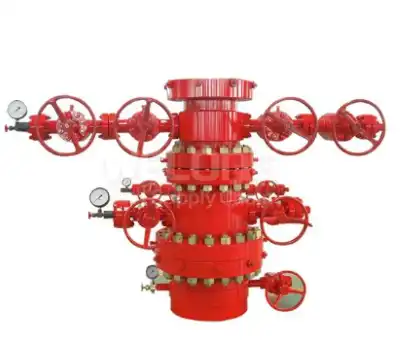
In addition to keeping people safe, wellhead equipment gives workers exact control over the production process, which has a direct effect on how much money they make. This benefit is shown by the change from a wellhead to a production Christmas tree, which allows precise control of the flow of hydrocarbons.
Facilitating Precise Management of Reservoir Flow
With the tubing wellhead as the hang-off point for the production tubing string, the production annulus is kept separate. With a production tree, it's possible to precisely control the flow rates from the well through a set of valves. This control is necessary to get the most out of the production, keep the rock from getting damaged by too much decline, and keep unwanted water or gas from flowing into the pool.
Enabling Safe Intervention and Monitoring Access
A wellhead's standard flange connections and side exits make it safe and easy for well repair tools, tracking equipment, and chemical input lines to get to the well. Because it is easy to get to, operators can do important jobs like monitoring downhole pressure, well logging, or remedial treatments without having to take the whole thing apart. So, the wellhead is a reliable service tool that is used for managing the storage and gathering data throughout the well's useful life.
Strong Adaptability Across Different Well Conditions
Each well is different, and one of the best things about a flexible wellhead system is that it can be changed to fit different physical and practical needs. Good manufacturers, like WELONG, make designs that can be used in a lot of different situations.
Customizable Designs for Varied Well Architectures
The pressure ratings, material grades, and connection types of wellhead parts can be changed to fit any type of well, from a simple shallow low-pressure well to a complex deepwater HPHT well. Casing heads, tube heads, and cross-over joints can be set up in different ways to fit different well designs and casing systems. This adaptability makes sure that the wellhead solution is perfectly matched to the needs of the well, which improves both performance and cost-effectiveness.
Reliable Performance in Challenging Geographical Locations
Wellhead equipment is used in all kinds of places, from hot deserts to the cold tundra and harsh ocean sites. High-quality manufacturing has the benefit of making things last longer by using the right materials and coverings that protect them. For example, standards from the National Science Data Center for Corrosion and Protection of Materials say that materials that don't corrode when exposed to H₂S or CO₂ will stay strong over time in sour service environments. This means that the wellhead will be strong no matter where it is.
Maintenance Efficiency and Long-Term Operational Reliability
The lifecycle cost of a wellhead is significantly influenced by its maintenance requirements and reliability. Superior wellhead equipment is designed for ease of service and consistent performance, offering clear long-term economic advantages.
Simplified Access for Routine Inspection and Servicing
A well-designed wellhead layout provides clear and safe access to critical components like valve stems, flange bolts, and seal areas. This design facilitates routine preventative maintenance, inspections, and valve exercising without requiring complex or hazardous disassembly. Efficient maintenance translates to reduced downtime, lower labor costs, and prolonged equipment life, all of which contribute to a lower total cost of ownership.
Durable Construction Ensuring Long-Term Integrity
The long-term reliability of a wellhead is a direct result of its construction quality. Utilizing materials and manufacturing processes that adhere to rigorous standards like API 7-1 and ISO 9001:2015 ensures that components can withstand cyclic loading, corrosion, and wear over decades. This durability minimizes the risk of unexpected failures, expensive workovers, and safety incidents, providing operators with peace of mind and a secure, long-term asset.
Conclusion
In conclusion, good oil wellhead equipment has many benefits that last throughout the whole span of a well. The wellhead is very important because it provides the base structure and pressure integrity, allows precise production control, and keeps people safe in harsh conditions. Its worth is increased by the fact that it can be adjusted to meet the needs of different wells and is designed to be easy to maintain. In the end, any oil and gas user who wants to improve safety, operating efficiency, and long-term profits should invest in a wellhead system that is reliable, meets strict manufacturing standards, and comes with expert support.
FAQ
1. Can wellhead equipment be customized for non-standard well configurations?
Yes, absolutely. Specialized manufacturers offer tailored wellhead solutions. This includes custom flange sizes, pressure ratings, material grades for corrosive environments, and specific connection types to match unique well architectures and operational requirements, ensuring a perfect fit for your project.
2. What quality certifications should I look for when sourcing wellhead equipment?
You should look for manufacturers certified to key industry standards. ISO 9001:2015 certification demonstrates a robust quality management system, while API certifications (like API Spec 6A for wellhead and Christmas tree equipment) verify that products meet specific, rigorous performance and safety standards for the oilfield.
3. How does the choice of wellhead impact long-term maintenance costs?
A wellhead designed for accessibility and built with durable materials significantly reduces long-term costs. Features like easily accessible valve operators and seal assemblies simplify routine maintenance. High-grade, corrosion-resistant materials minimize the need for premature replacements and complex repairs, thereby lowering lifecycle expenses.
Ready to Enhance Your Well Integrity? Partner with WELONG Today
Selecting the right wellhead equipment is a critical investment in your operation's safety and success. With over 20 years of experience, WELONG combines certified manufacturing excellence (ISO 9001:2015 & API 7-1), rigorous quality control, and customizable solutions to deliver reliable wellhead systems globally. Our dedicated team ensures your product is built to last and delivered on time. For expert consultation on casing or tubing wellheads, request a quote, or discuss your project requirements, please contact our team directly at oiltools@welongpost.com. Let us help you build a safer, more efficient future.
References
1. Society of Petroleum Engineers. (2012). Petroleum Engineering Handbook: Production Operations. SPE.
2. American Petroleum Institute. (2015). API Specification 6A: Wellhead and Christmas Tree Equipment. API Publishing.
3. NACE International. (2017). Corrosion Control in the Oil and Gas Industry. Elsevier.
4. Bourgoyne, A. T., Millheim, K. K., Chenevert, M. E., & Young, F. S. (1991). Applied Drilling Engineering. SPE Textbook Series.
5. Duns, H., & van Ness, N. D. (2005). The Wellhead: A Critical Link in Well Integrity. Journal of Petroleum Technology, 57(08).
6. Zhang, X., & Liu, S. (2020). Advances in High-Pressure Wellhead Design and Materials. International Journal of Pressure Vessels and Piping, 182.
Share your inquiry, get the quotation accordingly!
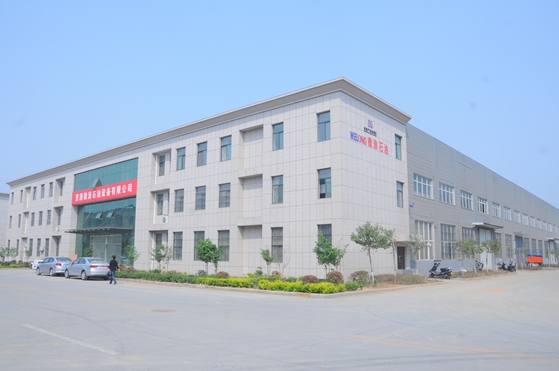
CHINA WELONG - 20+ years manufactuer in oilfield tools