Why Use Bumper Sub in Drilling Operations? Key Benefits
Drilling engineers and fishing crews constantly search for ways to reduce mechanical stress on expensive downhole assemblies, and this is exactly where the bumper sub proves its worth. Positioned strategically within the drill string or fishing assembly, this tool absorbs shock loads, accommodates axial movement, and protects surrounding components from excessive wear during demanding operations. This blog unpacks the practical reasons operators continue to rely on bumper sub technology, covering its core function, load-absorbing capability, stability contributions, and the tangible operational advantages it brings to directional drilling programs.
What Is a Bumper Sub and Its Function in Drill String Systems
Before exploring specific benefits, it helps to establish a clear picture of what this tool actually does and where it typically sits within a broader downhole assembly configuration.
Basic Mechanical Function Within the Assembly
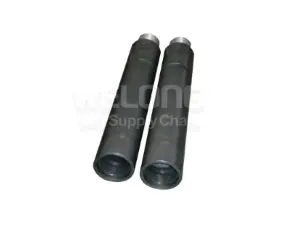
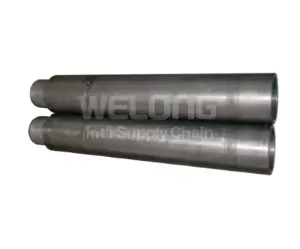
A bumper sub is essentially a telescoping mechanical joint installed within the drill string or fishing string, allowing controlled axial movement between its upper and lower connections. This sliding action permits the tool to extend or compress in response to applied forces, functioning much like a mechanical shock absorber positioned between the surface equipment and downhole components that require protection from sudden impact loads.
Common Placement Within Fishing and Drilling Assemblies
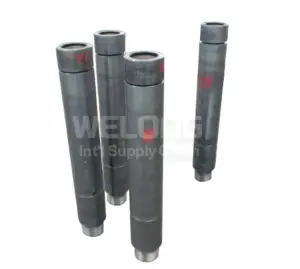
Typically, a bumper sub is positioned above jarring tools or fishing accessories, where its stroke capability becomes most valuable. The KXJ fishing bumper sub, for example, features a long working stroke paired with substantial down-jarring force, making it particularly effective when placed within assemblies designed to release stuck components or deliver impact forces to dislodge obstructions encountered downhole.
How a Bumper Sub Absorbs Axial Loads and Reduces Downhole Tool Stress
One of the most valuable functions this tool performs involves managing the axial forces that would otherwise transmit directly through the drill string, potentially damaging sensitive components positioned nearby.
Telescoping Action Under Applied Force
When axial force is applied to the drill string, whether through drilling vibration, jarring impact, or unexpected obstruction contact, the bumper sub responds through its telescoping mechanism, allowing controlled movement rather than rigid force transmission. This action effectively cushions the shock, distributing energy across the tool's stroke length instead of concentrating stress at a single connection point within the assembly.
Protecting Sensitive Instrumentation from Impact Damage
Measurement equipment and other sensitive downhole instruments benefit significantly when a bumper sub is incorporated upstream in the assembly design. By absorbing sudden axial shocks before they reach these components, the tool reduces the likelihood of instrument damage or calibration drift that might otherwise result from repeated impact exposure during jarring operations or unexpected downhole contact events.
Role of Bumper Sub in Enhancing Drilling Stability in Complex Formations
Beyond shock absorption, this tool contributes meaningfully to overall drilling stability, particularly when operations encounter challenging formation characteristics that introduce unpredictable mechanical stress.
Managing Vibration in Variable Formation Conditions
Formations with inconsistent hardness or interbedded lithology often generate variable vibration patterns as the bit transitions between different rock types. A properly positioned bumper sub helps dampen these vibration transmissions, contributing to more stable drilling parameters and reducing the cumulative fatigue that inconsistent formation conditions might otherwise impose on connected drill string components.
Supporting Controlled Movement During Directional Adjustments
Directional drilling operations frequently require precise control over downhole assembly movement, particularly during sliding intervals or when navigating build sections. The stroke capability inherent in a bumper sub provides a degree of mechanical flexibility that can help absorb minor irregularities in movement, supporting smoother transitions and more predictable assembly behavior throughout directional adjustment phases.
Why Bumper Subs Extend Drill String and Tool Life in Harsh Drilling Conditions
Longevity considerations matter significantly to operators managing equipment budgets, and this tool contributes measurably to extending the service life of surrounding drill string components under demanding conditions.
Reducing Cumulative Fatigue on Connected Components
Repeated shock loading without adequate absorption mechanisms gradually accumulates fatigue damage throughout connected drill string sections. By incorporating a bumper sub into the assembly, this cumulative stress is distributed more effectively, helping preserve the structural integrity of adjacent tool joints and connections that would otherwise bear the full brunt of repeated impact forces over extended operational periods.
Lubrication Systems Supporting Extended Service Intervals
The lubricated BXJ variant addresses longevity concerns directly through its hydraulic oil-filled working chamber, which provides continuous lubrication to internal sliding components. This lubrication approach, similar to material performance considerations referenced by the National Science Data Center for Corrosion and Protection of Materials, helps minimize internal friction wear, allowing the bumper sub to maintain smooth stroke action across more operational cycles before requiring service.
Key Operational Advantages of Using Bumper Sub in Directional Drilling Projects
Bringing together the previous discussion points, several concrete operational advantages emerge when this tool becomes a standard component within directional drilling and fishing assembly configurations.
Simplified Maintenance Through Robust Design
The KXJ fishing bumper sub's simple structural design offers a practical advantage often overlooked in initial tool selection discussions: ease of maintenance. Field crews can service and inspect this straightforward mechanism more quickly than complex alternatives, reducing turnaround time between runs and supporting more efficient equipment rotation schedules across active drilling programs.
Improved Success Rates in Fishing and Release Operations
As a releasing tool during fishing operations, the bumper sub's substantial down-jarring force capability directly contributes to improved success rates when attempting to free stuck components or dislodge obstructions. This operational advantage translates into fewer failed fishing attempts, reduced non-productive time, and ultimately more cost-effective resolution of downhole complications that would otherwise threaten project timelines.
Conclusion
The bumper sub delivers practical value across multiple dimensions of drilling and fishing operations, from absorbing damaging axial loads to supporting stability in challenging formations. Whether deployed as the standard KXJ variant for robust jarring applications or the lubricated BXJ model for extended service life, this tool consistently protects surrounding equipment while improving operational outcomes. Operators seeking fewer equipment failures and more successful fishing runs will find this component a worthwhile addition to their standard tool inventory.
FAQ
Q1: Where should a bumper sub typically be positioned within a fishing assembly?
A bumper sub is generally positioned above jarring tools within the fishing string, allowing its stroke capability to work in conjunction with impact-generating components. This placement maximizes the tool's effectiveness in absorbing shock while supporting the release of stuck downhole objects.
Q2: What distinguishes the lubricated BXJ bumper sub from the standard KXJ model?
The BXJ variant features a working chamber filled with wearable hydraulic oil, providing continuous internal lubrication that extends service life. The KXJ model relies on a simpler structure without this lubrication system, offering easier maintenance but potentially requiring more frequent servicing under heavy use.
Q3: How does a bumper sub help protect measurement while drilling equipment?
By absorbing axial shock loads through its telescoping mechanism, a bumper sub reduces the impact forces that would otherwise transmit directly to sensitive MWD instruments positioned nearby. This protective function helps prevent calibration issues or physical damage that repeated impact exposure might otherwise cause.
Reach Out to WELONG for Dependable Bumper Sub Equipment
Protecting your downhole assembly starts with the right tools. WELONG supplies both KXJ and lubricated BXJ bumper sub models, engineered for durability and consistent performance across demanding drilling and fishing applications. Backed by ISO 9001:2015 and API 7-1 certifications, along with strict quality control and third-party inspection support from SGS and DNV, our team is ready to assist with your project requirements. Reach out today at oiltools@welongpost.com to discuss your bumper sub needs.
References
1. Bourgoyne, A. T., Millheim, K. K., Chenevert, M. E., & Young, F. S. (1991). Applied Drilling Engineering. SPE Textbook Series.
2. American Petroleum Institute. (2009). API Recommended Practice 7G: Recommended Practice for Drill Stem Design and Operating Limits. API Publishing.
3. Society of Petroleum Engineers. (2012). Fishing and Well Control Operations Manual. SPE.
4. Short, J. A. (1993). Introduction to Directional and Horizontal Drilling. PennWell Books.
5. Devereux, S. (1998). Practical Well Planning and Drilling Manual. PennWell Books.
6. Baker Hughes INTEQ. (1999). Drilling Engineering Workbook. Baker Hughes Publications.
Share your inquiry, get the quotation accordingly!
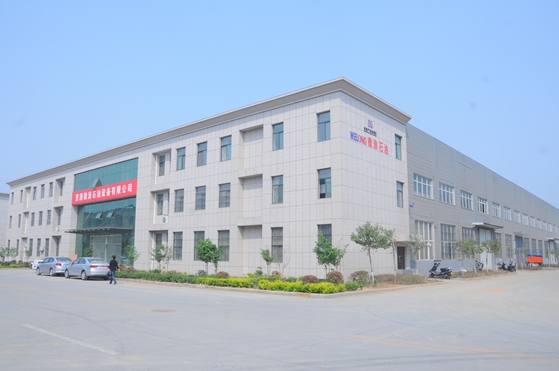
CHINA WELONG - 20+ years manufactuer in oilfield tools