Drill Pipe Screen Installation Guide for Optimal Performance
It is very important to place a drill pipe screen correctly so that it works well for screening during directional drilling. If you put in a screen the wrong way or don't follow the right steps, even the best screen won't work as well as it should. This detailed guide shows you the important steps for installing a drill pipe screen correctly. It also talks about important positioning factors that affect performance and common mistakes operators should avoid to keep their measurement and drilling equipment safe during the drilling campaign.
How to Install a Drill Pipe Screen Correctly in Downhole Operations?
Correct installation begins with understanding the fundamental requirements and preparatory steps necessary before a drill pipe screen is introduced into the drill string assembly for downhole deployment.
Pre-Installation Inspection Requirements
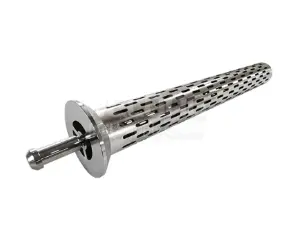
Before installing any drill pipe screen, field personnel should conduct a thorough visual inspection of the component, checking for any signs of damage, deformation, or wear from previous use. This inspection should verify that the internal wear distribution sleeve remains intact and that the perforation pattern is free from obstruction. Skipping this preliminary check can result in installing a compromised drill pipe screen that fails to deliver the expected filtration performance downhole.
Verifying Compatibility with Drill String Components
Proper installation requires confirming that the selected drill pipe screen matches the specific dimensions and connection requirements of the drill string assembly being used. This includes checking interchangeable ring flange compatibility and ensuring the screen's outer diameter properly fits within the designated housing. Mismatched components can create sealing issues or improper seating, undermining the screen's ability to function as intended within the circulation system.
Step-by-Step Drill Pipe Screen Installation Process Explained
Following a systematic installation process helps ensure the drill pipe screen is seated correctly and will perform reliably throughout the drilling operation without requiring premature retrieval.
Preparing the Housing and Screen Assembly
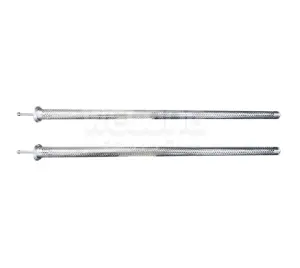
The installation process begins with preparing the housing sub that will accommodate the drill pipe screen. This involves cleaning the internal bore to remove any debris or residue from previous runs, then verifying that the ring flange connections align properly. Technicians should confirm the full-length safety retaining rod is properly positioned before proceeding, as this component plays a critical role in securing the screen throughout drilling operations.
Seating the Screen Within the Assembly
Once the housing has been prepared, the drill pipe screen is carefully lowered into position within the sub, ensuring it seats fully against the designated shoulder or stop point. Proper seating is essential, as an improperly positioned screen may create bypass paths that allow debris to circumvent the filtration mechanism entirely. Technicians should verify complete seating through both visual inspection and, where applicable, measured depth confirmation.
Securing and Testing the Installed Screen
After seating, the retaining mechanism must be properly engaged to secure the drill pipe screen firmly in place. This typically involves confirming that the safety retaining rod is fully locked and that the screen cannot shift during subsequent handling or drilling operations. Many operators perform a pressure test or physical tug test at this stage to confirm the screen assembly can withstand anticipated operational forces before running in the hole.
Key Positioning Factors for Drill Pipe Screen Performance Optimization
Where a drill pipe screen is positioned within the overall bottom hole assembly significantly influences its filtration effectiveness and the level of protection it provides to sensitive downhole tools.
Optimal Placement Relative to MWD Tools
The positioning of a drill pipe screen relative to measurement while drilling tools represents a critical design consideration. Placing the screen at an appropriate distance upstream of sensitive MWD components ensures adequate filtration occurs before drilling fluid reaches these instruments. This strategic placement, informed by specific tool string configurations, maximizes protective benefits while minimizing any potential impact on overall hydraulic performance.
Accounting for Flow Rate and Pressure Considerations
Positioning decisions must also account for anticipated flow rates and pressure conditions specific to the well being drilled. Higher flow rate applications may require adjusted screen placement or configuration to prevent excessive pressure differential across the drill pipe screen. Understanding these hydraulic relationships, similar to material performance standards referenced by ISO certification bodies such as those found at https://www.iso.org/standard/62085.html, helps ensure the screen operates within its designed parameters throughout the drilling program.
Common Installation Mistakes That Affect Drill Pipe Screen Efficiency
Even experienced field personnel can inadvertently introduce installation errors that compromise drill pipe screen performance. Recognizing these common mistakes helps operators avoid costly complications during drilling operations.
Improper Torque Application During Makeup
One frequent installation error involves applying incorrect torque values when making up connections surrounding the drill pipe screen housing. Excessive torque can damage screen components or distort the housing, while insufficient torque may create connections vulnerable to failure under downhole conditions. Following manufacturer-specified torque values ensures the screen assembly maintains structural integrity throughout the drilling operation.
Neglecting Ring Flange Orientation Requirements
Another common mistake involves improper orientation of interchangeable ring flanges during installation. Since these components are specifically designed for particular configurations, incorrect orientation can create flow restrictions or compromise the sealing integrity of the drill pipe screen assembly. Field personnel should carefully verify correct flange orientation according to manufacturer specifications before finalizing the installation process.
How Proper Drill Pipe Screen Setup Improves Operational Stability
When installation procedures are followed correctly, the resulting operational benefits extend throughout the entire drilling campaign, contributing to more predictable and stable performance across various downhole conditions.
Consistent Filtration Performance Throughout the Run
A correctly installed drill pipe screen delivers consistent filtration performance from the moment drilling begins until the assembly is retrieved. This consistency stems from proper seating, secure retention, and appropriate positioning relative to sensitive downhole equipment. Operators who prioritize correct installation typically experience fewer unexpected tool failures attributable to particle contamination throughout their drilling programs.
Reduced Non-Productive Time from Installation-Related Issues
Proper installation procedures directly correlate with reduced non-productive time related to screen malfunction or unexpected retrieval requirements. When a drill pipe screen is installed according to established best practices, the likelihood of premature failure or bypass conditions decreases significantly, allowing drilling operations to proceed according to planned schedules without unexpected interruptions caused by filtration system complications.
Conclusion
Proper installation of a drill pipe screen is just as important as selecting the right screen type for your specific application. Following systematic preparation, seating, and securing procedures, while avoiding common mistakes like improper torque or flange orientation, ensures reliable filtration performance throughout the drilling campaign. When correctly installed, the drill pipe screen delivers consistent protection for sensitive MWD equipment, contributing to smoother operations and reduced non-productive time across directional drilling programs.
FAQ
1. What should be inspected before installing a drill pipe screen?
Before installation, inspect the drill pipe screen for damage, deformation, or wear, particularly checking the internal wear distribution sleeve and perforation pattern for obstructions. Also, verify compatibility with drill string dimensions and confirm the ring flange configuration matches your specific housing requirements before proceeding with installation.
2. How does screen positioning affect drill pipe screen performance?
Positioning relative to MWD tools significantly impacts filtration effectiveness. Placing the drill pipe screen at an appropriate upstream distance ensures adequate debris removal before fluid reaches sensitive equipment. Flow rate and pressure conditions specific to the well should also inform positioning decisions to maintain optimal hydraulic performance.
3. What are the most common mistakes during drill pipe screen installation?
Common installation mistakes include applying incorrect torque during connection makeup, which can damage components or create vulnerable connections, and neglecting proper ring flange orientation, which may cause flow restrictions or sealing issues. Following manufacturer specifications for both torque and orientation helps avoid these complications.
Contact WELONG for Expert Drill Pipe Screen Support
Correct installation starts with quality equipment. WELONG provides durable drill pipe screen products in slotted and perforated configurations, featuring interchangeable ring flanges and robust 304/316 stainless steel construction for reliable field performance. Backed by ISO 9001:2015 and API 7-1 certifications, along with rigorous quality control and third-party inspection through SGS and DNV, our team supports your installation success from order to delivery. Contact us today at oiltools@welongpost.com for technical guidance and product inquiries.
References
1. Bourgoyne, A. T., Millheim, K. K., Chenevert, M. E., & Young, F. S. (1991). Applied Drilling Engineering. SPE Textbook Series.
2. American Petroleum Institute. (2010). API Recommended Practice 7G: Drill Stem Design and Operating Limits. API Publishing.
3. Society of Petroleum Engineers. (2016). Solids Control and Drilling Fluid Filtration Practices. SPE.
4. Rabia, H. (2002). Well Engineering and Construction. Entrac Consulting.
5. Devereux, S. (1998). Practical Well Planning and Drilling Manual. PennWell Books.
6. Baker Hughes INTEQ. (1999). Drilling Engineering Workbook. Baker Hughes Publications.
Share your inquiry, get the quotation accordingly!
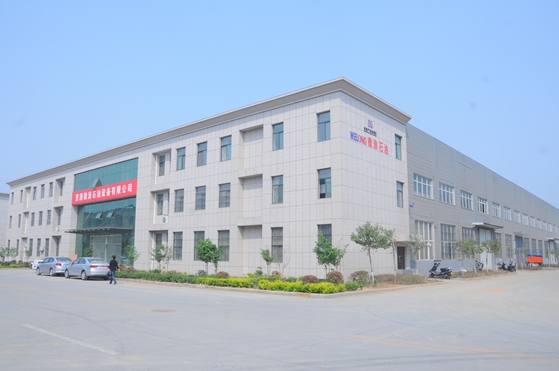
CHINA WELONG - 20+ years manufactuer in oilfield tools