How to Use Die Collar in Drilling Operations Step-by-Step Guide
The die collar is one of the most effective ways to get cylindrical items that have been dropped or stuck in the wellbore back. Fishing operations are some of the most technically difficult parts of drilling operations. Knowing how to choose, handle, and use a die collar correctly can make the difference between a successful fishing trip and time that is wasted and costs a lot of money. From choosing the right tool to making sure the connection is complete, this step-by-step guide tells users everything they need to know to use this specific external fishing tool correctly.
What Is a Die Collar and Why Is It Used in Drilling Operations
In order to fully understand operational procedures, it is important to first understand what a die collar is and when it should be used during fishing operations in the field.
Defining the Die Collar as an External Fishing Tool
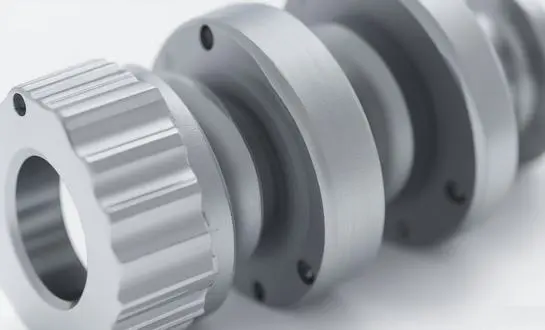
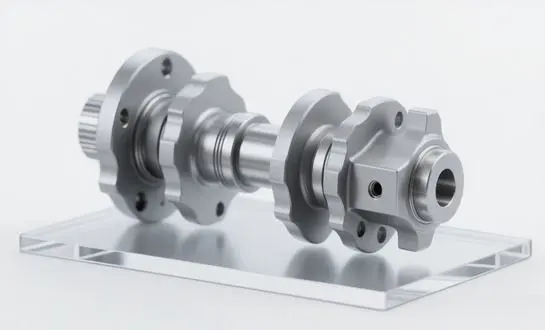
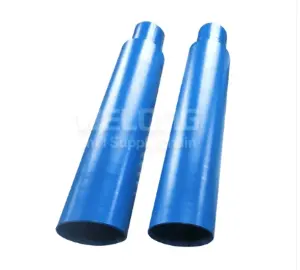
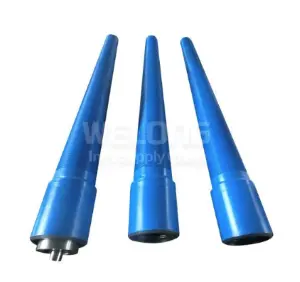
A die collar is a special kind of external fishing tool that is made to hook onto the outside wall of cylindrical items like oil tubes and drill pipe. The die collar tackles the problem from the outside, gripping the outside surface. This is different from internal fishing tools that work through the fish's hole. Because of its design, the die collar is especially useful for working with things that don't have internal bores that can be reached or where the inner bore has become blocked or stuck.
Common Scenarios Requiring Die Collar Deployment
Fishing operations requiring a die collar typically arise when tubing or drill pipe becomes parted downhole, leaving a cylindrical fish without a clear internal pathway for conventional internal fishing tools. Situations involving collapsed pipe, debris-filled bores, or components where internal engagement has proven ineffective often call for die collar deployment. Recognizing these scenarios early helps operators select the appropriate fishing strategy before valuable rig time is lost.
How to Select the Right Die Collar for Specific Well Conditions
Choosing the correct die collar configuration for a given fishing job requires careful consideration of the fish's dimensions, condition, and the specific downhole environment where recovery will take place.
Matching Die Collar Size to Fish Outer Diameter
Proper sizing represents the most fundamental selection criterion when choosing a die collar for any fishing operation. The tool must be matched precisely to the outer diameter of the object being retrieved, as an improperly sized die collar will fail to achieve adequate grip or may not engage at all. Field personnel should measure or confirm the fish's outer diameter through available drilling records before finalizing tool selection for the job.
Considering Material Grade for Downhole Conditions
Beyond sizing, material selection plays an important role in die collar performance, particularly in wells with corrosive fluids or extreme temperature conditions. High-strength alloy construction ensures the die collar can withstand the mechanical stresses involved in gripping and pulling operations without premature failure. Reviewing material performance data, such as information available through the National Science Data Center for Corrosion and Protection of Materials, can help inform material grade decisions for challenging well environments.
Step-by-Step Handling and Make-Up Process of a Die Collar Tool
Once the appropriate die collar has been selected, following a systematic handling and make-up process ensures the tool is properly prepared for deployment into the wellbore.
Inspecting the Die Collar Before Deployment
The handling process begins with a thorough inspection of the die collar, checking the internal gripping mechanism for wear, damage, or debris that could compromise engagement performance. Technicians should verify that all components move freely and that no visible defects are present on the gripping surfaces. This inspection step is critical, as a compromised die collar significantly reduces the likelihood of successful fish retrieval on the first attempt.
Connecting the Die Collar to the Work String
After inspection, the die collar must be properly connected to the fishing work string, typically involving standard threaded connections that require appropriate torque application. Ensuring this connection is made correctly is essential, as any looseness could result in tool separation during the demanding pulling forces often required during fishing operations. Careful attention to connection integrity at this stage prevents complications once the tool is downhole.
Running the Assembly to the Fish Location
With the die collar properly connected, the assembly is run into the wellbore toward the calculated location of the fish. Operators should proceed cautiously as the tool approaches the target depth, monitoring weight indicators for any signs of unexpected resistance or contact. This careful approach helps prevent premature or improper engagement that could complicate the overall fishing operation before the die collar reaches its intended position.
Best Practices for Ensuring Proper Die Collar Engagement During Operations
Achieving successful engagement between the die collar and the fish requires attention to several operational best practices that experienced fishing crews have refined over years of field application.
Applying Appropriate Rotation and Weight During Engagement
Proper engagement typically requires a combination of controlled rotation and weight application as the die collar makes contact with the fish's outer surface. Applying excessive weight too quickly can cause the tool to skip past the intended engagement point, while insufficient weight may prevent the gripping mechanism from properly biting into the fish. Following manufacturer-recommended procedures for weight and rotation helps achieve reliable engagement on the first attempt.
Monitoring Torque and Weight Indicators for Engagement Confirmation
Throughout the engagement process, continuous monitoring of surface torque and weight indicators provides valuable feedback regarding die collar performance downhole. Sudden changes in these readings often indicate successful engagement, while the absence of expected changes may suggest the tool has not properly contacted or gripped the fish. Experienced operators learn to interpret these subtle indicators to confirm engagement status without requiring additional trips.
How to Verify Die Collar Positioning for Safe Downhole Performance
Confirming that the die collar has achieved proper positioning and secure engagement before proceeding with retrieval operations is essential for both operational safety and fishing job success.
Conducting Pull Tests to Confirm Secure Engagement
Before committing to full retrieval operations, conducting a controlled pull test helps confirm that the die collar has achieved secure engagement with the fish. This involves gradually increasing pulling force while carefully monitoring surface indicators for consistent response, confirming that the connection between tool and fish can withstand the forces required for successful retrieval without unexpected separation during the critical pulling phase.
Establishing Retrieval Procedures Following Confirmed Engagement
Once engagement has been verified through appropriate testing procedures, establishing a controlled retrieval sequence ensures the fish is brought to the surface safely and efficiently. This typically involves gradual weight application while monitoring for any signs of the die collar losing grip, allowing operators to adjust their approach if resistance patterns suggest incomplete engagement or unexpected complications during the recovery process.
Conclusion
Successfully using a die collar in fishing operations requires careful attention to selection, handling, engagement, and verification procedures at every stage. From matching tool dimensions to the fish's outer diameter through confirming secure engagement via pull testing, each step contributes to overall operational success. Following these systematic best practices helps operators minimize non-productive time while maximizing the likelihood of successful fish retrieval using this valuable external fishing tool.
FAQ
1. When should a die collar be used instead of an internal fishing tool?
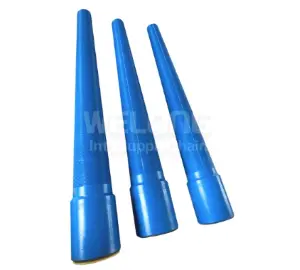
A die collar is preferred when the fish lacks an accessible internal bore or when the inner bore is obstructed or stuck. As an external fishing tool, it engages the outside wall of tubing or drill pipe, making it suitable for scenarios where internal engagement tools like taper taps would be ineffective.
2. How is the correct die collar size determined for a fishing job?
Correct sizing requires accurately measuring or confirming the outer diameter of the fish through available drilling records. The die collar must match this dimension precisely to achieve adequate grip; an improperly sized tool may fail to engage properly or could slip during retrieval operations.
3. What steps confirm successful die collar engagement before retrieval?
Successful engagement is typically confirmed through controlled pull tests, gradually increasing pulling force while monitoring surface torque and weight indicators for consistent response. This verification step ensures the connection can withstand retrieval forces before committing to the full fishing operation.
Contact WELONG for Reliable Die Collar Fishing Tools
Successful fishing operations depend on quality tools and proper procedures. WELONG manufactures durable die collar and taper tap fishing tools built to perform reliably in demanding downhole conditions. Backed by ISO 9001:2015 and API 7-1 certifications, along with rigorous quality control and third-party inspection through SGS and DNV, we support your fishing operations from tool selection through delivery. Contact our team today at oiltools@welongpost.com to discuss your specific fishing tool requirements.
References
1. Bourgoyne, A. T., Millheim, K. K., Chenevert, M. E., & Young, F. S. (1991). Applied Drilling Engineering. SPE Textbook Series.
2. American Petroleum Institute. (2009). API Recommended Practice 7G: Recommended Practice for Drill Stem Design and Operating Limits. API Publishing.
3. Society of Petroleum Engineers. (2012). Fishing and Well Control Operations Manual. SPE.
4. Rabia, H. (2002). Well Engineering and Construction. Entrac Consulting.
5. Short, J. A. (1993). Introduction to Directional and Horizontal Drilling. PennWell Books.
6. Devereux, S. (1998). Practical Well Planning and Drilling Manual. PennWell Books.
Share your inquiry, get the quotation accordingly!

CHINA WELONG - 20+ years manufactuer in oilfield tools