Hole Opener vs Roller Reamer: Which Tool Do You Need
When drilling engineers are planning the layout of their bottom hole assemblies, it can be hard to decide between a hole opener and a roller reamer. Both tools work to increase or change the width of the wellbore, but they do so in very different ways and are best used in different formation circumstances. This guide breaks down the actual differences between these two tools by looking at how well each one works in different drilling situations and gives you clear instructions on how to choose the best roller reamer setup for your needs.
What Is a Roller Reamer and How Does It Compare to a Hole Opener in Drilling Operations
Before diving into direct comparisons, understanding the basic mechanical principles behind each tool establishes the foundation for making an informed selection decision.
Defining the Roller Reamer's Rolling Cutter Mechanism
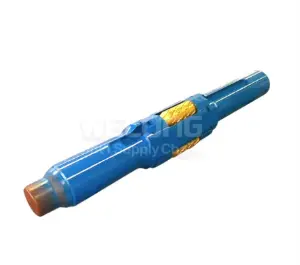
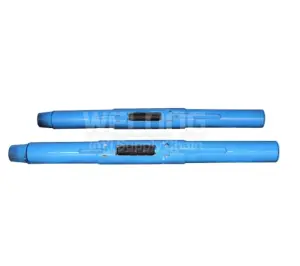
There are spinning cutter units on the body of a roller reamer that keep the hole width stable as the drill string moves through the formation. This tool has different types of roller cutters that work best with hard, medium-to-hard, or soft rocks. Its main job is to condition and stabilise a hole that has already been made, rather than cutting a new diameter aggressively. This is what makes it different from tools that aggressively widen holes.
How Hole Openers Achieve Diameter Enlargement
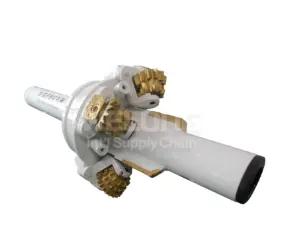
A hole opener, by contrast, typically features fixed or expandable cutting structures specifically designed to enlarge wellbore diameter beyond the pilot hole size, often used when transitioning from a smaller pilot bit to a larger target diameter. Unlike the stabilizing function characteristic of a roller reamer, hole openers prioritize aggressive material removal to achieve the desired final hole dimensions in a single operational pass.
Hole Opener vs Roller Reamer: Key Differences in Application and Function
Understanding when each tool excels requires examining its distinct functional purposes within typical drilling programs and bottom hole assembly configurations.
Primary Function: Stabilization Versus Enlargement
The fundamental distinction lies in primary purpose: a roller reamer focuses on maintaining gauge and stabilizing the existing hole diameter, reducing the risk of under-gauge conditions caused by formation abrasion or bit wear. Hole openers, conversely, exist specifically to increase hole diameter from a smaller pilot size to a larger target dimension, making them essential when well designs require enlarged sections beyond initial pilot hole drilling.
Typical Positioning Within the Drill String
Positioning within the bottom hole assembly also differs significantly between these tools. A roller reamer is commonly placed near the bit or at strategic intervals along the drill string to provide continuous gauge maintenance and stabilization throughout the drilling run. Hole openers typically operate behind a pilot bit, following the initial smaller-diameter path before enlarging it to the required final dimension.
How Roller Reamers and Hole Openers Perform in Different Drilling Operations and Formations
Formation characteristics significantly influence which tool delivers better performance, making this comparison particularly relevant when planning drilling programs across varied geological conditions.
Roller Reamer Performance Across Formation Hardness Levels
A properly selected roller reamer, equipped with cutter types matched to hard, medium, or soft formation characteristics, delivers consistent gauge maintenance regardless of rock hardness variations encountered during drilling. This adaptability makes the roller reamer particularly valuable in formations with interbedded hardness levels, where maintaining a consistent hole diameter throughout transitions proves challenging for less adaptable stabilization tools.
Hole Opener Effectiveness in Enlargement-Focused Applications
Hole openers demonstrate their greatest effectiveness in applications specifically requiring diameter enlargement, such as when preparing for large-diameter casing installation or creating rathole sections. Their cutting structure design prioritizes aggressive material removal over the gentler stabilization function that characterizes roller reamer operation, making them the appropriate choice when enlargement rather than maintenance represents the primary operational objective.
What Operational and Formation Conditions Determine the Choice Between Roller Reamer and Hole Opener
Making the correct tool selection depends on carefully evaluating several operational and geological factors specific to each drilling program.
Formation Consistency and Abrasion Characteristics
When formations present consistent characteristics with moderate abrasion potential, a roller reamer often provides sufficient gauge maintenance without the need for aggressive enlargement equipment. However, formations known for significant abrasive wear on bit gauge may benefit from more frequent roller reamer placement to counteract diameter loss throughout extended drilling intervals, particularly relevant in longer horizontal sections.
Well Design Requirements for Diameter Transitions
Well designs requiring specific diameter transitions, such as moving from a pilot hole to a larger casing point diameter, typically necessitate hole opener deployment rather than relying solely on roller reamer stabilization. Understanding your specific well architecture and required diameter changes at each interval helps clarify which tool addresses your particular operational requirement more effectively.
Key Selection Criteria for Choosing the Right Roller Reamer for Efficient Drilling Performance
Once you've determined that a roller reamer suits your operational needs, several additional factors should guide your specific product selection process.
Material Grade Selection for Downhole Durability
Selecting an appropriate material grade significantly impacts roller reamer longevity and performance under demanding downhole conditions. Options such as AISI 4145H, 4145H MOD, or AISI 4330V offer different mechanical properties suited to varying stress and temperature environments. Reviewing material performance data, similar to corrosion resistance information available through the National Science Data Center for Corrosion and Protection of Materials at http://ssp.corrdata.org.cn, helps inform appropriate grade selection for challenging well conditions.
Matching Cutter Type to Anticipated Formation Hardness
Correctly matching roller cutter type to anticipated formation characteristics ensures optimal performance throughout the drilling interval. Selecting hard formation cutters for appropriately challenging rock while choosing soft formation options for less demanding sections helps maximize both drilling efficiency and tool service life, avoiding the premature wear that mismatched cutter selection might otherwise cause.
Conclusion
The choice between a hole opener and roller reamer ultimately depends on your specific operational objective: enlargement versus stabilization. While hole openers excel at increasing wellbore diameter from pilot hole to target size, a roller reamer provides essential gauge maintenance and hole stabilization throughout the drilling run. Understanding formation conditions, well design requirements, and appropriate material selection ensures you choose equipment that delivers reliable performance for your specific drilling program.
FAQ
Q1: Can a roller reamer replace a hole opener for diameter enlargement tasks?
No, a roller reamer is designed primarily for gauge maintenance and hole stabilization rather than aggressive diameter enlargement. When your well design requires transitioning from a smaller pilot hole to a significantly larger diameter, a hole opener remains the appropriate tool for that specific enlargement function.
Q2: What material grades are available for roller reamer construction?
Common material options include AISI 4145H, 4145H MOD, and AISI 4330V, each offering different mechanical properties suited to varying downhole stress and temperature conditions. Selecting the appropriate grade depends on your specific well environment and anticipated operational demands.
Q3: How do I choose the right roller cutter type for my formation?
Roller cutter types are generally categorized as hard, medium-to-hard, or soft formations. Matching cutter selection to your anticipated formation hardness helps maximize both drilling efficiency and tool longevity, avoiding premature wear that occurs when cutter type doesn't align with actual rock conditions encountered.
Contact WELONG for Reliable Roller Reamer Solutions
Selecting the right downhole tool starts with understanding your specific application needs. WELONG manufactures durable roller reamer products in multiple material grades and cutter configurations suited to hard, medium, and soft formations. Backed by ISO 9001:2015 and API 7-1 certifications, along with rigorous quality control and third-party inspection through SGS and DNV, our team is ready to support your drilling program. Contact us today at oiltools@welongpost.com to discuss your requirements.
References
1. Bourgoyne, A. T., Millheim, K. K., Chenevert, M. E., & Young, F. S. (1991). Applied Drilling Engineering. SPE Textbook Series.
2. American Petroleum Institute. (2009). API Recommended Practice 7G: Recommended Practice for Drill Stem Design and Operating Limits. API Publishing.
3. Society of Petroleum Engineers. (2015). Drilling Optimization and Hole Enlargement Techniques. SPE.
4. Rabia, H. (2002). Well Engineering and Construction. Entrac Consulting.
5. Short, J. A. (1993). Introduction to Directional and Horizontal Drilling. PennWell Books.
6. Lyons, W. C., & Plisga, G. J. (2011). Standard Handbook of Petroleum and Natural Gas Engineering. Gulf Professional Publishing.
Share your inquiry, get the quotation accordingly!

CHINA WELONG - 20+ years manufactuer in oilfield tools